
For investors and traders worldwide, the rhythm of the American stock market dictates the flow of global capital. Whether you are a seasoned day trader or a long-term investor looking to rebalance your portfolio, knowing exactly when the “opening bell” rings is fundamental to your financial success. In the world of finance, timing isn’t just a detail; it is a critical component of strategy. Understanding the nuances of the American market schedule—including standard hours, extended sessions, and holiday closures—allows you to navigate volatility and capitalize on liquidity when it matters most.
The Standard Trading Session: Understanding the Opening and Closing Bells
The core of the American financial system revolves around two primary exchanges: the New York Stock Exchange (NYSE) and the NASDAQ. Both operate on a synchronized schedule that provides the highest levels of liquidity and price discovery for thousands of publicly traded companies.
The NYSE and NASDAQ Schedule
The standard trading hours for the U.S. stock market are from 9:30 AM to 4:00 PM Eastern Time (ET), Monday through Friday. This 6.5-hour window represents the “core” session where the vast majority of trading volume occurs. Unlike some international markets that include a mid-day lunch break, the American markets run continuously throughout the day. This uninterrupted flow ensures that news and economic data can be priced into the market in real-time without the “gaps” that occur during breaks.
Why the 9:30 AM EST Start Matters
The 9:30 AM ET opening is more than just a timestamp; it is a moment of intense price discovery. During the overnight hours, news breaks, earnings are reported, and international markets react. When the U.S. market opens, all this pent-up demand and supply converge. For the retail investor, the first 30 minutes of the trading day are often the most volatile. High-frequency algorithms and institutional traders compete to find the “fair value” of stocks based on the morning’s news. Understanding this surge in activity is essential for those looking to manage risk, as bid-ask spreads are typically widest right at the open.
Extended Hours Trading: Pre-Market and After-Hours Sessions
While the core hours are when most activity happens, the digital age has expanded the trading day significantly. Through Electronic Communication Networks (ECNs), investors can trade before the sun rises in New York and long after the floor of the NYSE has cleared.
The Mechanics of Pre-Market Trading
Pre-market trading in the U.S. can begin as early as 4:00 AM ET, though the bulk of the activity typically ramps up around 8:00 AM ET. This session is primarily used by professional traders and institutional investors to react to early-morning economic indicators, such as the Consumer Price Index (CPI) or unemployment data, which are often released at 8:30 AM ET. For the individual investor, pre-market trading offers a chance to get ahead of the crowd, but it comes with a caveat: liquidity is much lower than the standard session. This means price swings can be exaggerated, and it may be harder to execute a trade at your desired price.
Navigating After-Hours Volatility
The after-hours session begins immediately following the 4:00 PM ET close and can run until 8:00 PM ET. This period is famous for being the time when major corporations release their quarterly earnings reports. Because companies prefer not to distract from standard trading, they wait until the bell rings to drop their financial results. Consequently, a stock might move 10% or more in minutes during the after-hours session. For those focused on “Money” and “Investing,” understanding after-hours trading is vital for protecting a position or entering a new one based on fresh fundamental data. However, due to the lower volume, most financial advisors recommend using “limit orders” rather than “market orders” to avoid being caught in a sudden price spike.
Global Time Zones and the Impact on International Investors
The U.S. stock market is the largest in the world, attracting capital from every continent. Because the hours are fixed to Eastern Time, investors in London, Hong Kong, or Los Angeles must adjust their clocks to participate effectively.
Converting EST to Your Local Time
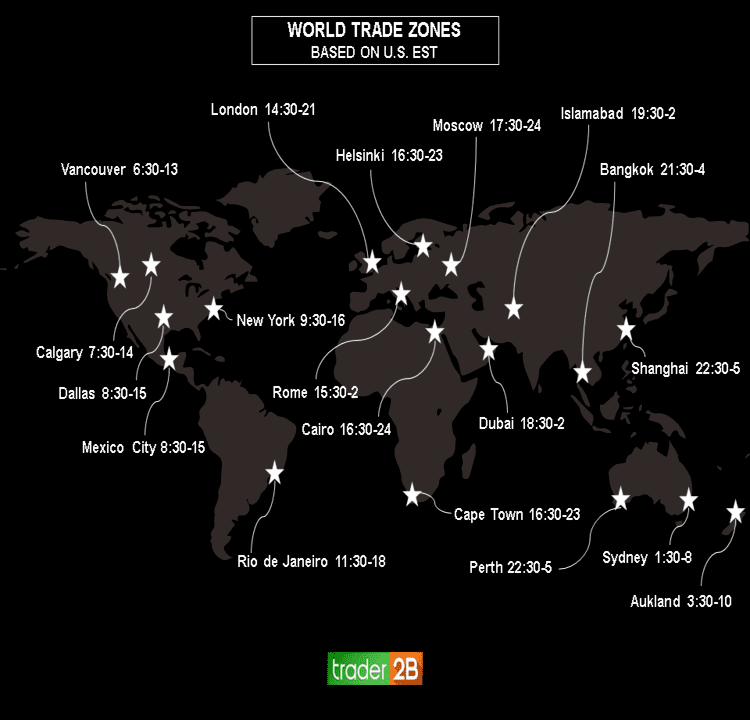
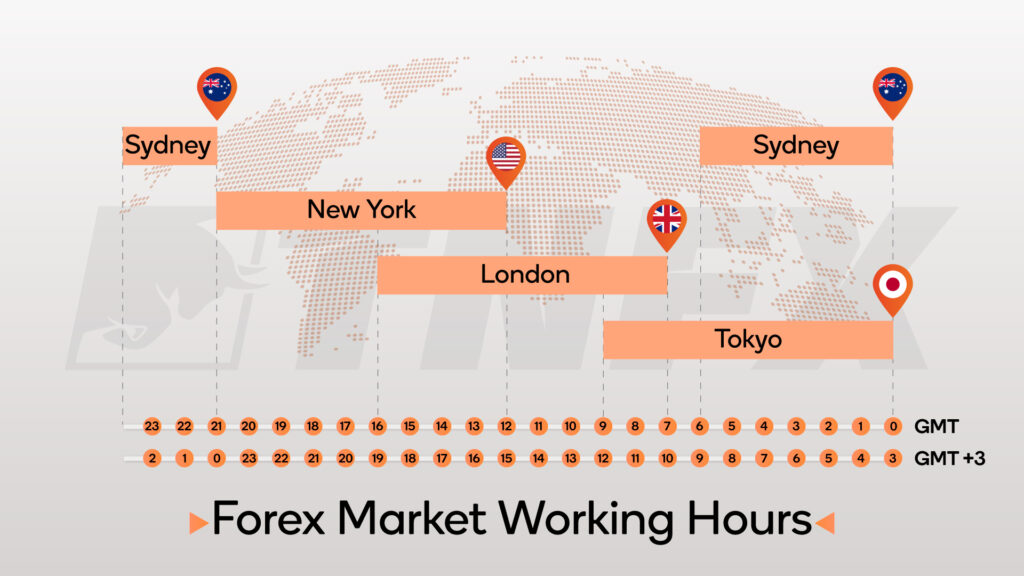
For international participants, the opening bell occurs at different times depending on their geography. For example, a trader in London (GMT/BST) sees the U.S. market open at 2:30 PM local time. Meanwhile, an investor in Tokyo or Seoul is looking at a late-night start, often at 10:30 PM or 11:30 PM. For those on the West Coast of the United States (Pacific Time), the market opens at a brisk 6:30 AM. Understanding these conversions is the first step in creating a global investment strategy that doesn’t result in “trading fatigue” or missed opportunities.
The “Golden Hour” of Overlap
One of the most important concepts for global investors is the overlap between the European and American markets. Between 9:30 AM ET and approximately 11:30 AM ET, both the New York and London markets are open simultaneously. This “Golden Hour” creates a massive surge in liquidity, particularly for large-cap multinational stocks and currency pairs (Forex). During this window, transaction costs are often at their lowest because the sheer volume of participants ensures tight bid-ask spreads. If you are looking to move a large amount of capital or execute a complex trade, this overlap period is often the most efficient time to do so.
Market Holidays and Early Closures: Planning Your Trading Calendar
The American stock market does not operate every day. To manage a portfolio successfully, one must be aware of the federal holidays and the specific days when the market takes an early “half-day.”
Federal Holidays and Exchange Closures
The NYSE and NASDAQ observe nine major holidays per year where the markets remain closed entirely. These include:
- New Year’s Day
- Martin Luther King, Jr. Day
- Presidents’ Day
- Good Friday
- Memorial Day
- Juneteenth National Independence Day
- Independence Day (July 4th)
- Labor Day
- Thanksgiving Day
- Christmas Day
When a holiday falls on a weekend, the market usually closes on the preceding Friday or the following Monday. For an investor, these closures represent a period of “headline risk,” where news can break while the market is inaccessible. Strategic investors often “hedge” their positions or reduce leverage before a long holiday weekend to mitigate this risk.
Early Close Days to Watch
In addition to full closures, the U.S. market occasionally observes early closures, typically at 1:00 PM ET. These usually occur on the day after Thanksgiving (Black Friday) and sometimes on Christmas Eve or July 3rd, depending on how the calendar falls. Trading volume on these days is notoriously thin. Most institutional desks are staffed by “skeleton crews,” and price action can become erratic. For the prudent investor, these half-days are often better spent on research and planning rather than active trading.
Strategic Considerations for Different Trading Sessions
Knowing the time is one thing; knowing how to trade during those times is another. The character of the market changes throughout the day, and your financial strategy should reflect those shifts.
The Opening Volatility: Opportunities and Risks
The first 90 minutes of the trading day (9:30 AM to 11:00 AM ET) are often referred to as the “amateur hour” by some professionals, but it is actually the period of greatest opportunity for those with a clear plan. This is when the market reacts to “new information.” If you are a momentum investor, this is your time to shine. However, for those with a lower risk tolerance, it is often wise to wait until 11:00 AM for the “initial balance” to be set. By midday, the market typically enters a “lunchtime lull” where volume drops and prices consolidate, providing a calmer environment for long-term position building.

The “Closing Cross”: How the Day Ends
As the clock approaches 4:00 PM ET, activity picks up again during what is known as the “Power Hour.” This is when institutional investors, mutual funds, and pension funds rebalance their holdings. The “Closing Cross” is a specific process used by the NASDAQ to determine the official closing price of a security. Because many index funds and ETFs are required to execute trades as close to the closing price as possible, the final minutes of the day often see a massive spike in volume. For someone managing their own personal finance, the close is a critical time to evaluate their portfolio’s performance and set “stop-loss” or “take-profit” orders for the following day.
In conclusion, the American stock market is a highly structured environment where time is as valuable as capital. By mastering the schedule—from the early whispers of the 4:00 AM pre-market to the finality of the 4:00 PM closing bell—you position yourself to make more informed, disciplined, and profitable financial decisions. Whether you are navigating the “Golden Hour” overlap or planning around federal holidays, being aware of the clock is the hallmark of a sophisticated investor.
aViewFromTheCave is a participant in the Amazon Services LLC Associates Program, an affiliate advertising program designed to provide a means for sites to earn advertising fees by advertising and linking to Amazon.com. Amazon, the Amazon logo, AmazonSupply, and the AmazonSupply logo are trademarks of Amazon.com, Inc. or its affiliates. As an Amazon Associate we earn affiliate commissions from qualifying purchases.