
For the modern investor, the question “what time did the stock market close today?” is often the first step in a daily ritual of portfolio assessment. While the short answer for major U.S. exchanges is 4:00 PM Eastern Time (ET), the mechanics, implications, and strategic nuances surrounding that closing bell are far more complex. In the world of finance, time is not just a measurement; it is a fundamental variable that dictates liquidity, volatility, and the ultimate valuation of assets.
Understanding the temporal boundaries of the financial markets is essential for anyone looking to move beyond casual observation into disciplined investing. Whether you are managing a 401(k), day trading equities, or building a long-term dividend portfolio, the closing time represents a critical transition from active price discovery to reflective analysis.

The Standard Operating Hours of Global Exchanges
The heartbeat of the American financial system is synchronized with the New York Stock Exchange (NYSE) and the Nasdaq. These two giants dictate the primary trading rhythm for thousands of public companies and trillions of dollars in capital.
The New York Stock Exchange (NYSE) and Nasdaq
The standard trading session for both the NYSE and Nasdaq runs from 9:30 AM to 4:00 PM ET, Monday through Friday, excluding market holidays. This six-and-a-half-hour window is known as “core trading hours.” During this time, liquidity is at its peak, meaning there are enough buyers and sellers to ensure that trades can be executed quickly and at prices close to the most recent quote.
The 4:00 PM closing time is not an arbitrary choice. Historically, it allowed floor brokers and clearinghouses time to process paper certificates and settle the day’s books before the next day’s opening. In the digital age, while the physical constraints have vanished, the 4:00 PM close remains a psychological and structural anchor for the global financial community.
Regional Differences: Global Markets and Their Closing Times
While the U.S. markets are the focal point for many, the “market” never truly sleeps in a globalized economy. As the NYSE closes, other markets are either in the midst of their sessions or preparing to open.
- London Stock Exchange (LSE): Closes at 4:30 PM GMT (11:30 AM ET).
- Tokyo Stock Exchange (TSE): Closes at 3:00 PM JST (1:00 AM ET).
- Hong Kong Stock Exchange (HKEX): Closes at 4:00 PM HKT (4:00 AM ET).
For a diversified investor, these staggered closing times create a continuous chain of price discovery. News that breaks after the U.S. close often ripples through the Asian and European markets before the NYSE reopens the following morning.
Beyond the Closing Bell: After-Hours and Pre-Market Trading
The 4:00 PM bell may signal the end of the “official” trading day, but for institutional investors and savvy retail traders, the session is far from over. This period is known as extended-hours trading, facilitated by Electronic Communication Networks (ECNs).
What is Extended-Hours Trading?
After-hours trading typically occurs from 4:00 PM to 8:00 PM ET. Conversely, pre-market trading begins as early as 4:00 AM ET and runs until the opening bell at 9:30 AM. These sessions allow investors to react immediately to news that occurs outside of standard hours, such as quarterly earnings reports, geopolitical events, or sudden macroeconomic shifts.
In the past, extended-hours trading was the exclusive playground of institutional “big money.” However, modern brokerage apps have democratized access, allowing retail investors to place trades well after the traditional closing time.
The Risks and Rewards of Late-Day Trades
While the ability to trade at 6:00 PM might seem advantageous, it comes with significant caveats. The primary risk is “thin liquidity.” Since the majority of market participants are not active during these hours, the “bid-ask spread”—the difference between what a buyer is willing to pay and what a seller is willing to accept—widens significantly.
Investors may find that they cannot execute a trade at their desired price, or that a relatively small order causes a disproportionate swing in the stock’s price. Furthermore, the volatility seen in after-hours trading does not always translate to the next day’s opening price. A stock might jump 5% after a late-night earnings call, only to open flat the next morning as the broader market digests the news more soberly.
Market Holidays and Early Closures
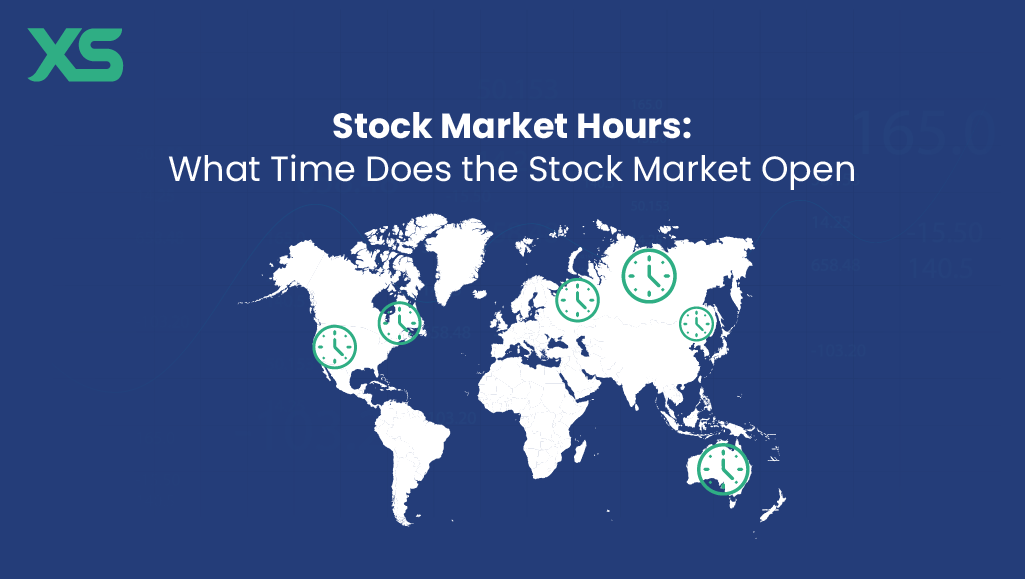
Just as a physical business has operating hours and holidays, the stock market follows a specific calendar. Knowing when the market will be closed entirely—or when it will close early—is vital for managing margin requirements and avoiding “weekend risk.”
Standard Federal Holidays and Exchange Observances
The U.S. stock markets are closed on several federal holidays, including New Year’s Day, Martin Luther King Jr. Day, Presidents’ Day, Good Friday, Memorial Day, Juneteenth, Independence Day, Labor Day, Thanksgiving, and Christmas.
If a holiday falls on a Saturday, the market typically closes on the preceding Friday. If it falls on a Sunday, the market closes on the following Monday. These “market droughts” can lead to increased volatility leading up to the break, as traders “square their books” or hedge their positions to avoid exposure to news that might break while the exchanges are dark.
Early Close Days: Black Friday and Christmas Eve
There are specific instances where the market closes early, usually at 1:00 PM ET. The day after Thanksgiving (Black Friday) and Christmas Eve are the most common examples. These half-days are notorious for low trading volume. With many professional traders taking time off, the market often drifts on “autopilot.” However, the lack of volume can sometimes lead to unexpected “flash” movements if a major news event catches the skeletal staff of the trading desks off guard.
The Strategic Importance of the Closing Price
The question of “what time did the market close” is often followed by “what was the closing price?” In the world of finance, the 4:00 PM print is the “price of record.” It is the benchmark used by everyone from retail index fund holders to billionaire hedge fund managers.
How the Closing Auction Works
The final seconds of the trading day are among the most intense. To ensure a fair and orderly closing price, the NYSE and Nasdaq utilize a “Closing Auction” (or “Closing Cross”). This is a sophisticated process that gathers all the “market-on-close” (MOC) and “limit-on-close” (LOC) orders and matches them to find a single price that clears the most volume.
This auction minimizes the impact of “price manipulation” that could occur if the close was determined by a single trade at 3:59:59 PM. The closing auction provides a transparent, consolidated price that reflects the true consensus of the market for that day.
Mutual Funds and Net Asset Value (NAV) Calculation
The closing price is particularly critical for mutual fund investors. Unlike stocks or ETFs, which trade throughout the day, mutual funds are priced only once per day. This price is the Net Asset Value (NAV), and it is calculated based on the closing prices of all the securities held within the fund’s portfolio as of 4:00 PM ET. If you place an order to buy a mutual fund at 10:00 AM, you will not know the price you paid until after the market closes and the NAV is calculated.
Developing a Disciplined Trading Schedule
Understanding the clock is a form of risk management. Professional traders often view the trading day in distinct phases, and the closing hour—frequently referred to as “The Power Hour”—is one of the most critical.
Avoiding the Emotional Volatility of Market Open and Close
The first 30 minutes (9:30–10:00 AM) and the last 30 minutes (3:30–4:00 PM) of the trading day are typically the most volatile. This is when institutional “program trading” hits the tape and when emotional retail traders react to the day’s headlines.
For the long-term investor, it is often wise to avoid making major portfolio shifts during these windows. Prices can be erratic and “noisy.” Instead, many professionals prefer the “mid-day lull” (11:00 AM to 2:00 PM), when price action is generally more stable and reflective of the day’s actual trend.

Tools and Alerts for the Modern Investor
In the digital age, you don’t need to stare at a clock to stay informed. Most financial platforms allow you to set alerts for the “market close.” These tools can provide you with a summary of how your specific holdings performed during the session.
Furthermore, utilizing “Limit Orders” rather than “Market Orders” near the closing bell can protect you from the sudden price swings that often occur during the Closing Auction. By setting a specific price at which you are willing to buy or sell, you maintain control over your execution, regardless of how hectic the final minutes of the trading day become.
In conclusion, knowing what time the stock market closes is merely the entry point into a deeper understanding of financial mechanics. The 4:00 PM ET bell represents the culmination of global sentiment, a deadline for institutional settlement, and a starting point for the next day’s expectations. By mastering the nuances of the market clock, you move from being a passive observer to a strategic participant in your own financial future.
aViewFromTheCave is a participant in the Amazon Services LLC Associates Program, an affiliate advertising program designed to provide a means for sites to earn advertising fees by advertising and linking to Amazon.com. Amazon, the Amazon logo, AmazonSupply, and the AmazonSupply logo are trademarks of Amazon.com, Inc. or its affiliates. As an Amazon Associate we earn affiliate commissions from qualifying purchases.