
For investors, traders, and financial enthusiasts alike, the question “what time did markets close today?” isn’t merely a query about a specific hour; it’s a fundamental aspect of understanding market dynamics, managing risk, and executing informed financial decisions. The closing bell signifies the end of the official trading day, crystallizing prices, settling transactions, and marking a pause in the relentless flow of capital. Yet, this apparent simplicity belies a complex interplay of regulations, market structures, and global influences that shape the financial landscape far beyond a single closing time.
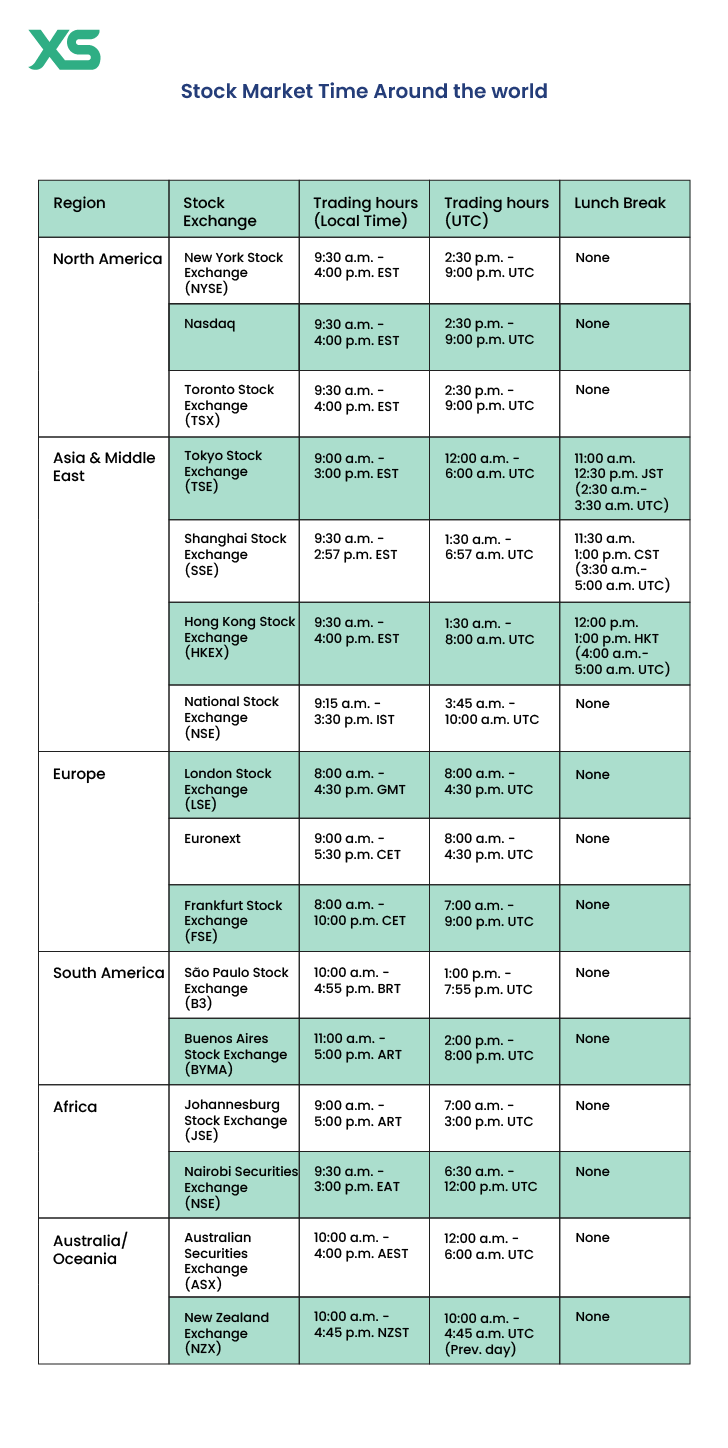
Understanding when markets officially close, and the nuances surrounding those hours, is crucial for anyone engaging with the financial world. It impacts everything from the valuation of portfolios to the timing of news releases and the strategic planning of future trades. This article delves into the standard operating hours of major financial markets, explores the various factors that can alter these schedules, and illuminates the profound significance of market closure for the sophisticated investor and the burgeoning day trader alike. We will also touch upon the evolving landscape of after-hours trading and the continuous nature of global financial markets, revealing that while one market may close, the pulse of finance never truly stops.
The Standard Market Day: Understanding Regular Trading Hours
The cornerstone of understanding market closing times lies in recognizing the established operating hours of the world’s major exchanges. While the financial world often feels continuous, official trading sessions are governed by precise schedules designed to facilitate orderly price discovery and transaction processing.
NYSE and NASDAQ: The American Benchmarks
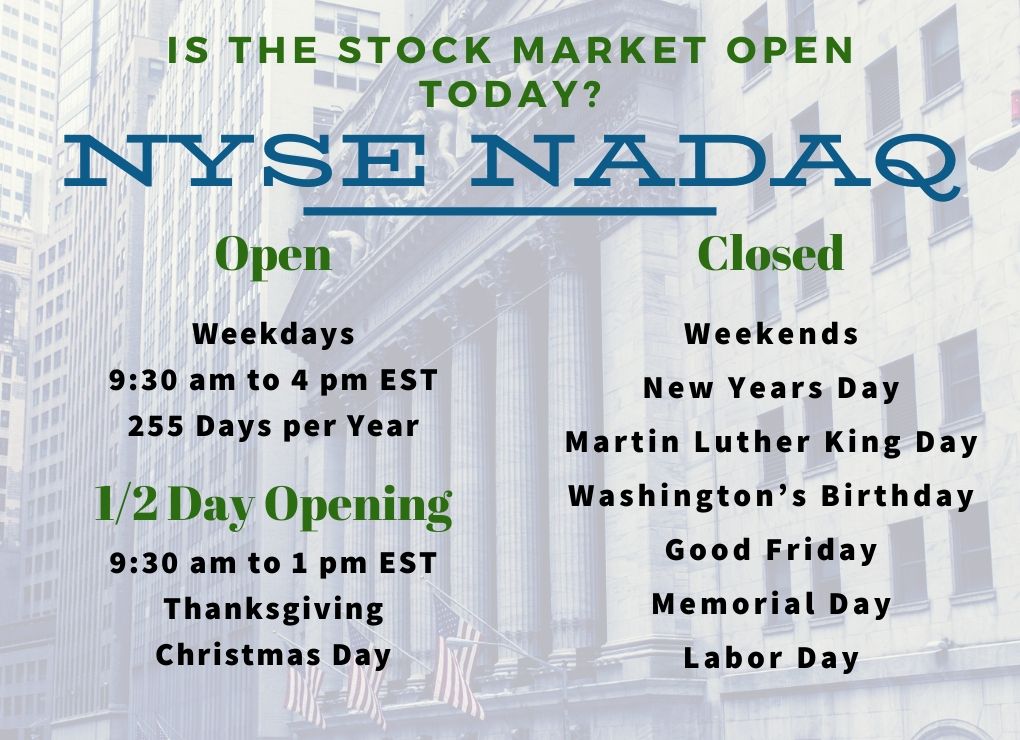
In the United States, the two most prominent stock exchanges, the New York Stock Exchange (NYSE) and the NASDAQ Stock Market, adhere to a remarkably consistent schedule. For regular trading sessions, both exchanges operate from 9:30 AM Eastern Time (ET) to 4:00 PM ET on weekdays. This seven-and-a-half-hour window defines the primary period for buying and selling equities, with the closing bell at 4:00 PM ET marking the official end of regular trading for the day.
This standardized schedule is not arbitrary; it’s a product of decades of market evolution, balancing the needs for liquidity, price stability, and operational efficiency. The consistency provides a predictable framework for investors, allowing them to plan their trading activities and portfolio adjustments within clearly defined parameters. The “opening auction” at 9:30 AM and the “closing auction” at 4:00 PM are critical mechanisms designed to consolidate orders and determine fair opening and closing prices, respectively. These auctions are particularly important as they often handle a significant volume of trades and can influence the day’s sentiment and trajectory.
Equities, Options, and Futures: Variations in Schedule
While the 9:30 AM to 4:00 PM ET window is standard for most equity trading on NYSE and NASDAQ, it’s essential to recognize that not all financial instruments adhere to the exact same timetable. The world of derivatives, including options and futures, often operates on slightly different schedules, reflecting their unique market structures and participant bases.
For instance, equity options, which derive their value from underlying stocks, generally trade from 9:30 AM ET to 4:00 PM ET, mirroring their underlying assets. However, certain index options or options on exchange-traded funds (ETFs) might have slightly extended hours, often closing at 4:15 PM ET. This slight extension allows for adjustments based on the closing movements of broader market indices.
Futures markets, especially those tied to commodities, currencies, or broader market indices, exhibit even greater variability. The CME Group, a leading futures exchange, offers products that trade nearly 24 hours a day, five days a week, with brief daily pauses. For example, E-mini S&P 500 futures can trade from Sunday evening through Friday afternoon, with a daily break between 4:15 PM ET and 4:30 PM ET, and another longer break from 5:00 PM ET to 6:00 PM ET. This extended trading allows for continuous price discovery in response to global events and economic data releases that occur outside standard U.S. equity hours. Understanding these differences is paramount for traders engaged in multi-asset strategies, as a miscalculation of closing times can lead to unexpected exposure or missed opportunities.
Beyond the Bell: Factors Influencing Market Closure
While the regular 9:30 AM to 4:00 PM ET schedule provides a foundational understanding, market closing times are not immutable. Several factors can alter these hours, ranging from pre-planned holidays to unforeseen market events, each carrying significant implications for investors.
Holiday Schedules and Early Closures
Financial markets, like many other sectors, observe national holidays, leading to full-day closures. In the U.S., these typically include New Year’s Day, Martin Luther King, Jr. Day, Presidents’ Day, Good Friday, Memorial Day, Juneteenth National Independence Day, Independence Day, Labor Day, Thanksgiving Day, and Christmas Day. On these days, the markets remain entirely shut, meaning no trading occurs.
More subtly, markets often have “early closures” around certain holidays or significant events. For example, the day after Thanksgiving (Black Friday) often sees U.S. equity markets close early at 1:00 PM ET. Similarly, early closures might occur on the day before Independence Day or Christmas Eve. These shortened trading days reduce liquidity and can amplify volatility, as fewer participants are active in the market. Investors must diligently consult the official exchange calendars, typically published well in advance, to avoid being caught off guard by these schedule alterations. Failing to account for early closures can disrupt trading strategies, impact order execution, and necessitate adjustments to risk management protocols.
Unforeseen Circumstances and Market Halts
Beyond planned holidays, markets can also experience temporary halts or even full closures due to unforeseen circumstances. These events, while rare, are designed to protect investors and maintain market integrity during periods of extreme volatility or operational disruption.
Circuit breakers, for instance, are pre-defined mechanisms designed to temporarily halt trading across an entire exchange (or for specific securities) when prices fall or rise by a certain percentage within a given timeframe. These halts provide a “cooling-off” period, allowing market participants to reassess conditions and prevent panic selling or irrational exuberance from spiraling out of control. In severe cases, such as a major national emergency, natural disaster, or a cybersecurity incident, exchanges may declare full-day closures or even multi-day suspensions to ensure the safety of personnel, maintain system integrity, or coordinate with regulatory authorities. The September 11, 2001, terrorist attacks, for example, led to a multi-day closure of U.S. financial markets. While these events are infrequent, they underscore the dynamic and sometimes fragile nature of market operations, reminding investors that the “closing time” can sometimes be dictated by forces beyond regular schedules.
The Significance of Market Close for Investors
The moment the closing bell rings at 4:00 PM ET is more than just a chronological marker; it’s a pivotal point in the investment day with profound implications for valuation, strategy, and data analysis.
Price Discovery and Valuation at Day’s End
The official closing price of a security is a critical data point. It represents the last traded price at or immediately before the 4:00 PM ET closing auction, and it serves as the benchmark for that day’s performance. This price is used by asset managers to calculate daily Net Asset Values (NAVs) for mutual funds and ETFs, which in turn determines the value of investor holdings. For individual investors, the closing price is fundamental for tracking portfolio performance, assessing daily gains or losses, and making informed decisions about future allocations.
Moreover, the closing price plays a crucial role in technical analysis. Chartists and algorithmic traders use closing prices to identify patterns, calculate indicators (like moving averages or Bollinger Bands), and project future price movements. A strong close, for example, might signal bullish momentum, while a weak close could indicate selling pressure, influencing trading decisions for the following day. The integrity of these closing prices is paramount for maintaining confidence in market fairness and efficiency.
Impact on Portfolio Management and Trading Strategies
For active traders, the closing bell marks a critical decision point. Positions held overnight are exposed to “gap risk,” where significant news or events occurring after hours can cause a stock’s opening price the next day to be drastically different from its previous close. Traders must decide whether to close out positions before the bell to eliminate this risk or to hold on, hoping for a favorable overnight development. Portfolio managers, on the other hand, might use the closing hours to rebalance portfolios, execute large block trades, or adjust hedges, knowing that these actions will be reflected in the day’s official closing prices.
Furthermore, many institutional trading strategies are designed specifically around the closing auction. Large orders that cannot be filled throughout the day without significant price impact are often routed to the close, where aggregated liquidity can absorb them more efficiently. Understanding these dynamics allows investors to anticipate potential price movements and adjust their own strategies accordingly, whether they are looking to enter or exit positions.
Understanding End-of-Day Data
The data generated at market close forms the bedrock of financial reporting and analysis. Daily trading volumes, high and low prices, and, crucially, the closing price, are all consolidated at this point. This end-of-day data is used by financial news outlets, data providers, and analytical platforms to furnish investors with a comprehensive summary of market activity.
Investors rely on this information to perform historical analysis, backtest trading strategies, and monitor the performance of their investments against benchmarks. For long-term investors, the daily closing data contributes to a broader understanding of market trends and the performance of individual securities over weeks, months, and years. Without a clearly defined closing time and the resultant end-of-day data, the ability to accurately track, analyze, and report on market performance would be significantly hampered, undermining the transparency and efficiency of capital markets.
After-Hours Trading: Extending the Investment Day
While the 4:00 PM ET closing bell signals the end of regular trading, the markets don’t entirely go dark. The advent of electronic communication networks (ECNs) and alternative trading systems (ATSs) has ushered in an era of “after-hours” or “extended-hours” trading, allowing certain transactions to occur outside the conventional 9:30 AM to 4:00 PM window.
Mechanics and Platforms for Extended Trading
After-hours trading typically encompasses both “pre-market” sessions (before 9:30 AM ET) and “post-market” sessions (after 4:00 PM ET). For U.S. equities, these sessions can extend from as early as 4:00 AM ET for pre-market to as late as 8:00 PM ET for post-market, though specific times can vary by broker and trading venue.
These trades are executed on ECNs, which electronically match buy and sell orders without the need for a traditional trading floor. Many major brokerage firms offer their clients access to after-hours trading, usually through their online platforms. The mechanics are similar to regular trading, but the environment is distinctly different. Orders placed during extended hours are typically “limit orders,” meaning they will only execute at a specified price or better. This is crucial because market liquidity is significantly thinner during these periods.
Opportunities and Risks in Off-Hours
After-hours trading presents both opportunities and heightened risks. The primary opportunity lies in the ability to react instantaneously to breaking news that occurs outside regular market hours. A company announcing earnings after the bell, or a significant geopolitical event unfolding overnight, can trigger immediate price movements in extended sessions. Savvy investors can potentially capitalize on these early reactions, positioning themselves ahead of the next day’s regular trading session.
However, the risks are substantial. The most significant concern is reduced liquidity. With fewer participants, spreads between bid and ask prices tend to be wider, and it can be challenging to execute large orders without moving the market significantly. This lower liquidity also means that prices can be more volatile and subject to larger swings on relatively small trading volumes. Furthermore, institutional investors and market makers, who provide much of the liquidity during regular hours, are often less active. This creates a less efficient market where individual investors might find themselves at a disadvantage. Understanding these dynamics is crucial for anyone considering trading outside regular hours.
Global Perspectives: When One Market Closes, Another Opens
The concept of “market close today” takes on a new dimension when viewed through a global lens. The world’s financial markets operate in a continuous, overlapping cycle, ensuring that the wheels of global finance never truly stop turning.
Major International Stock Exchanges and Their Hours
As U.S. markets wind down, financial centers across Asia and Europe are already active or preparing to open. When the NYSE and NASDAQ close at 4:00 PM ET, it’s already 9:00 PM in London, 10:00 PM in Central Europe, and the Asian markets are preparing for their next trading day.
Major exchanges like the Tokyo Stock Exchange (TSE), Hong Kong Stock Exchange (HKEX), and Shanghai Stock Exchange (SSE) typically open in the evening U.S. time (e.g., TSE’s morning session might begin around 8:00 PM ET the previous day, running until 2:00 AM ET, with an afternoon session from 3:30 AM ET to 5:00 AM ET). European exchanges, such as the London Stock Exchange (LSE), Euronext (covering Paris, Amsterdam, Brussels, Lisbon), and the Frankfurt Stock Exchange (Xetra), generally open around 3:00 AM ET and close around 11:30 AM ET, overlapping significantly with the first half of the U.S. trading day. This staggered schedule creates a 24-hour global trading environment, where events in one region can quickly ripple across others, influencing prices before local markets even open.
The 24/7 Nature of Forex and Crypto Markets
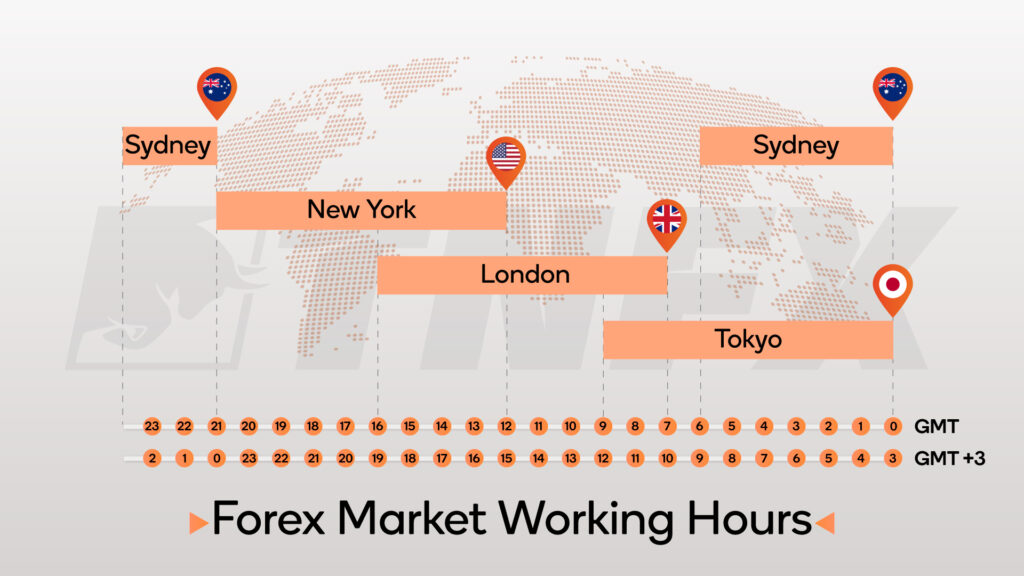
Beyond traditional stock exchanges, some financial markets operate almost continuously, blurring the lines of what “market close” truly means. The foreign exchange (Forex) market, where currencies are traded, is the largest and most liquid financial market globally. It operates 24 hours a day, five days a week, starting on Sunday evening ET with the opening of markets in Sydney and Tokyo, and closing Friday afternoon ET with the closure of New York. The decentralized nature of Forex, relying on a global network of banks rather than a single exchange, facilitates this constant activity.
Similarly, the cryptocurrency markets operate 24 hours a day, seven days a week, with no official closing times, even on weekends or holidays. The underlying blockchain technology and decentralized exchanges allow for continuous trading across time zones, responding instantly to global supply and demand. For investors in these markets, the concept of a “closing price” is largely irrelevant in the traditional sense; instead, they focus on real-time prices and time-weighted averages. This continuous trading environment offers unparalleled flexibility but also demands constant vigilance, as price movements can occur at any hour without the pause offered by traditional market closures.
Conclusion
The question “what time did markets close today?” is far more than a simple inquiry; it’s an entry point into understanding the intricate mechanisms and global interconnectedness of the financial world. For the majority of U.S. equities, the answer remains a steadfast 4:00 PM ET, a crucial moment that finalizes daily valuations, frames trading strategies, and feeds the analytical engines of the investment community.
However, the modern financial landscape is a tapestry woven with planned holiday closures, the rare but impactful unforeseen halts, the extending reach of after-hours trading, and the ever-present rhythm of international markets. Whether navigating the distinct closing times of futures and options, reacting to early holiday closures, or embracing the 24/7 nature of Forex and crypto, a nuanced understanding of market hours is indispensable. It empowers investors to manage risk effectively, seize opportunities, and make informed decisions, ensuring they are always in sync with the relentless, yet organized, pulse of global finance. Knowing when the markets close isn’t just about the clock; it’s about mastering the ebb and flow of capital.
aViewFromTheCave is a participant in the Amazon Services LLC Associates Program, an affiliate advertising program designed to provide a means for sites to earn advertising fees by advertising and linking to Amazon.com. Amazon, the Amazon logo, AmazonSupply, and the AmazonSupply logo are trademarks of Amazon.com, Inc. or its affiliates. As an Amazon Associate we earn affiliate commissions from qualifying purchases.