
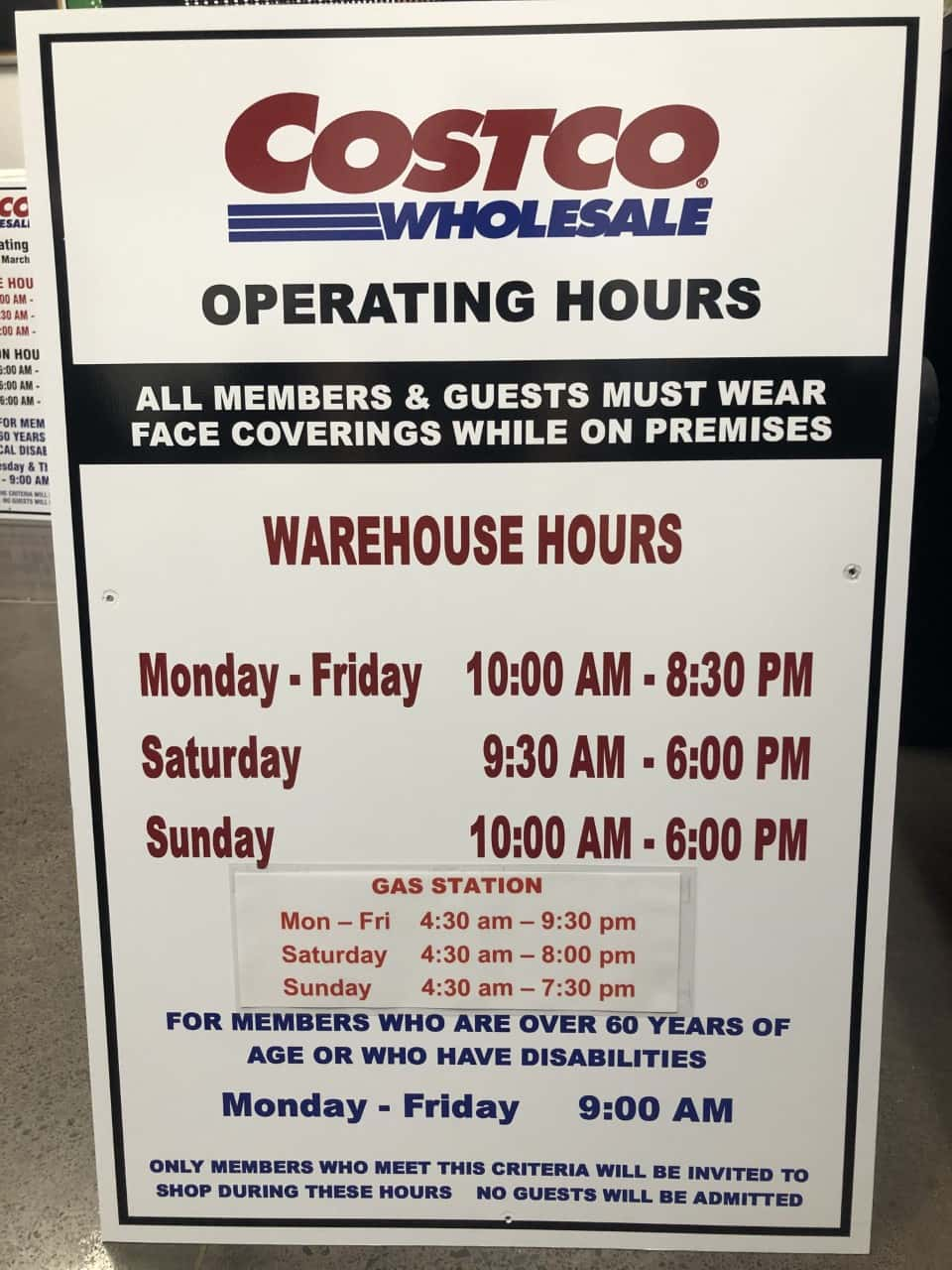
In the rhythm of daily life, a simple question like “What time does Costco open today?” might seem mundane. Yet, for the financially savvy consumer, this seemingly trivial inquiry unlocks a deeper understanding of personal finance, strategic shopping, and the very economics of modern retail. Beyond merely planning a trip, knowing Costco’s operating hours is a cornerstone for optimizing expenditure, managing time as a valuable financial asset, and leveraging the unique value proposition of wholesale membership. This article delves into how a proactive approach to retail access can profoundly impact your financial well-being, both individually and within the broader economic landscape.
The Financial Imperative of Planned Shopping: Beyond Just Knowing the Hours
For many, a trip to Costco is more than just grocery shopping; it’s a strategic mission to stock up, save money on bulk purchases, and access exclusive member-only deals. Understanding the precise opening hours transforms this mission from a reactive errand into a proactive financial strategy.
Optimizing Your Time and Budget: The Hidden Costs of Unplanned Trips
Time is money, a cliché that holds particular truth in personal finance. An unplanned trip to Costco, marked by arriving before opening or during peak hours, incurs hidden costs. Waiting outside translates to lost productivity or leisure time. Navigating crowded aisles leads to slower shopping, potential frustration, and a higher likelihood of impulse purchases driven by stress or exposure to enticing displays.
By contrast, knowing the exact opening time allows for a streamlined experience. Arriving precisely when doors open, or timing your visit for less busy periods (often just after opening or late afternoon on weekdays), minimizes time spent waiting and maximizes efficient navigation. This efficiency directly translates into savings: less time in the store means less exposure to tempting but unnecessary items, helping to stick to a pre-planned budget. It also frees up valuable time that can be reallocated to income-generating activities, personal development, or simply reducing stress—all contributing to overall financial health. For instance, an extra hour saved from a chaotic shopping trip could be spent on a side hustle, financial planning, or even preparing meals at home, further enhancing savings.
Bulk Buying and Membership Value: When Timing is Everything for Savings
Costco’s core value proposition rests on bulk purchasing power, offering lower unit prices than conventional supermarkets. However, realizing the full financial benefit of a Costco membership hinges on strategic shopping. Knowing the opening times is crucial for accessing fresh inventory, popular items before they sell out, and special “while supplies last” deals.
For items with a limited shelf life, such as fresh produce or bakery goods, an early visit ensures maximum freshness and longevity, reducing food waste—a significant drain on household budgets. Similarly, highly sought-after seasonal items, electronics, or limited-time promotional goods often disappear quickly. Being among the first through the doors can be the difference between securing a deeply discounted item and missing out entirely, impacting your potential savings. The annual membership fee, a direct financial commitment, is justified by the cumulative savings throughout the year. Maximizing these savings through timely and efficient shopping amplifies the return on this initial investment, transforming the membership from a fee into a genuine financial tool.
Avoiding Peak Times: Maximizing Efficiency and Minimizing Impulse Buys
The psychology of shopping is intricately linked to financial outcomes. Crowded environments and long checkout lines can heighten stress, leading to poor decision-making. Shoppers under pressure are more susceptible to impulse buys, abandoning their carefully constructed lists in favor of immediate gratification. These unplanned purchases erode budgets and undermine financial discipline.
Strategic timing, guided by knowledge of opening hours and typical foot traffic patterns, allows shoppers to avoid these pitfalls. Visiting during off-peak hours provides a calmer, more focused shopping environment. This enables careful price comparisons, deliberate selection of items, and a greater adherence to a pre-established shopping list. Furthermore, less crowded aisles often lead to faster checkouts, reducing the “friction cost” of shopping and reinforcing a positive association with disciplined financial behavior. This intentional approach transforms a potentially draining chore into an empowering financial activity.
Costco’s Business Model: How Operating Hours Reflect Financial Strategy
From a corporate perspective, Costco’s operating hours are not arbitrary; they are a calculated component of its sophisticated business finance strategy, balancing revenue generation, operational efficiency, and member satisfaction.
Revenue Generation and Operational Costs: The Delicate Balance
For any retail business, operating hours directly impact revenue potential. More hours mean more opportunities for sales. However, extended hours also bring increased operational costs: staffing, utilities (lighting, heating/cooling), security, and inventory management. Costco, with its focus on high volume and lower margins, carefully calibrates its opening times to optimize this balance. The relatively conservative operating hours compared to some 24/7 retail models suggest a strategy aimed at concentrating sales volume within peak periods, thereby maximizing staff efficiency and minimizing ‘dead time’ costs.
Their chosen hours aim to capture the largest possible segment of their target demographic—members who value bulk savings—without incurring disproportionate overheads. This financial calculus is paramount for maintaining competitive pricing and profitability in a challenging retail landscape. The decision to open at a specific time is a financial one, reflecting a deep understanding of customer traffic patterns and the marginal cost versus marginal revenue of each operating hour.
Supply Chain and Inventory Management: Synchronizing with Store Hours
The efficiency of Costco’s supply chain and inventory management is legendary, a crucial factor in its ability to offer low prices. Opening hours play a vital role in synchronizing these operations. Deliveries, stocking, and shelf replenishment often occur during off-hours, ensuring that when the doors open, shelves are fully stocked and ready for members. This “just-in-time” (or strategically timed) inventory model reduces warehousing costs and minimizes spoilage, particularly for fresh goods.
The timing of store opening dictates the window available for these critical logistical operations. Any disruption to opening times can cascade through the supply chain, impacting product availability and potentially increasing operational expenses. Therefore, maintaining consistent and predictable hours is a financial imperative, enabling efficient resource allocation and inventory turnover—both direct contributors to Costco’s robust financial health.
Member Loyalty and Lifetime Value: The Financial Return on Convenience
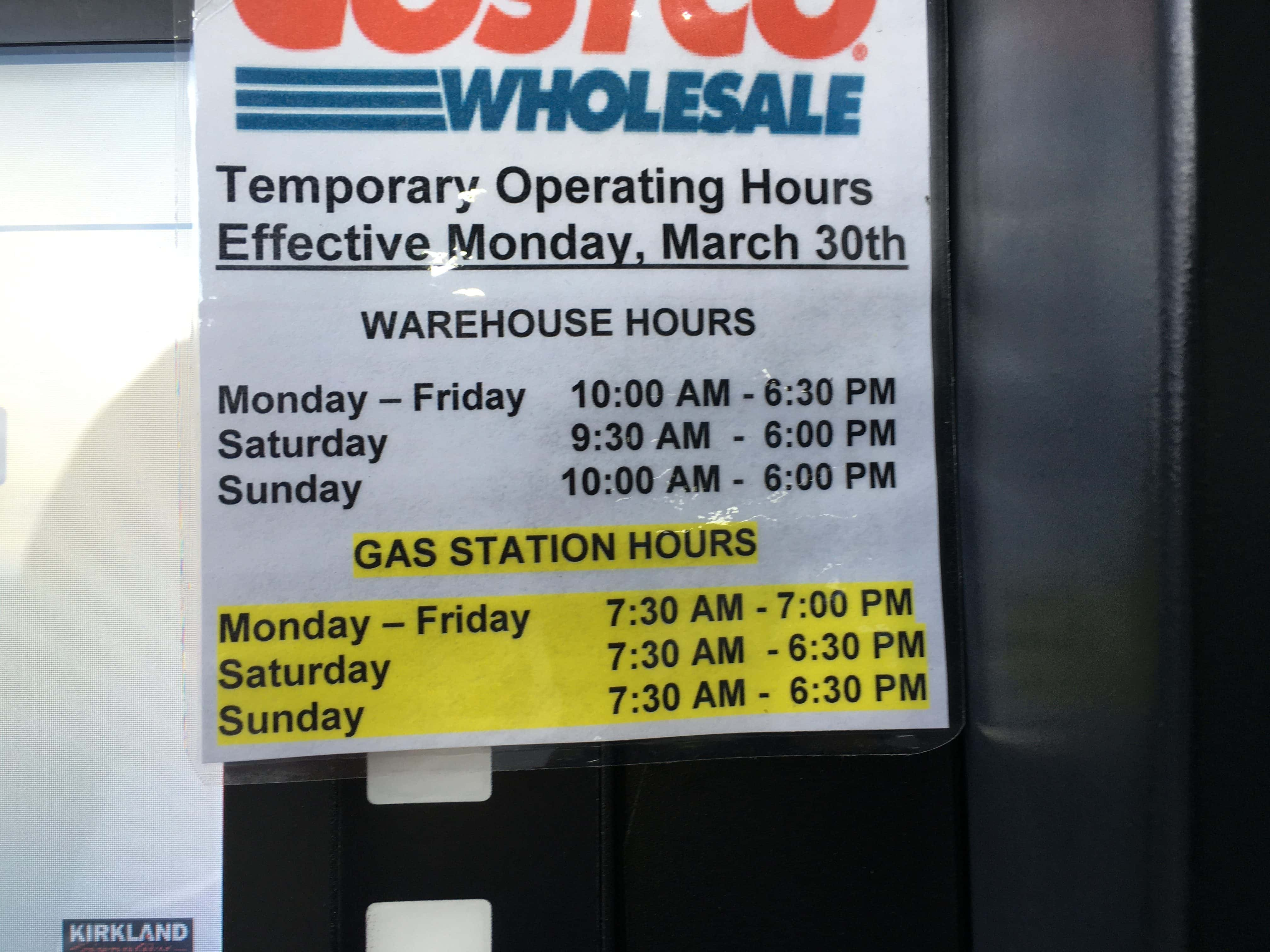
Costco’s business model thrives on member loyalty and the long-term financial value each member brings. Providing predictable, convenient access to their warehouses is a key driver of this loyalty. While not offering 24/7 access, their consistent opening hours across locations foster a sense of reliability and trust. Members know exactly when they can shop, simplifying their financial planning and scheduling.
This convenience contributes significantly to member retention and encourages repeat visits, thereby increasing the “lifetime value” of each membership. A member who finds shopping at Costco consistently convenient and predictable is more likely to renew their annual fee, spend more over time, and recommend the club to others—all of which are crucial financial metrics for the company. The consistency in operating hours is thus an investment in customer experience that yields tangible financial returns in member loyalty and sustained revenue.
Leveraging Technology for Financial Preparedness: Smart Shopping in the Digital Age
In today’s digital world, answering “what time does Costco open today?” is easier than ever, thanks to technology. More importantly, these digital tools empower consumers to integrate this information into a broader framework of financial preparedness.
Apps and Websites: Your Toolkit for Informed Financial Decisions
Costco’s official app and website, along with popular mapping services, provide instantaneous access to up-to-date operating hours, location-specific inventory, and even gas prices. For the financially astute shopper, these aren’t just convenient features; they are essential financial tools. Before leaving home, a quick check can confirm hours, identify potential delays, or even reveal if a high-demand item is in stock, preventing wasted trips and the associated costs (fuel, time).
These digital platforms facilitate better budgeting by allowing users to browse sales flyers, compare prices, and plan purchases in advance. They can even provide digital access to membership cards and payment options, streamlining the checkout process and reducing friction that might lead to impulsive, financially detrimental decisions. Embracing these technological aids transforms casual shopping into a data-driven, financially optimized endeavor.
Integrating Shopping into Your Personal Financial Plan
The information provided by digital tools enables seamless integration of shopping into a comprehensive personal financial plan. Knowing opening hours helps in scheduling shopping trips around work, family commitments, and other financial tasks like bill payments or investment checks. This organized approach minimizes stress and ensures that shopping remains a controlled expenditure within the larger financial strategy, rather than a disruptive element.
By using digital resources to plan trips, create lists, and track spending, consumers can gain greater control over their finances. This proactive stance supports budgeting goals, helps avoid debt, and ultimately contributes to long-term financial security. The seemingly simple act of checking opening hours becomes a gateway to a more disciplined and effective approach to managing household finances.
The Broader Economic Impact: Costco’s Role in Consumer Spending and Local Economies
Beyond individual financial decisions, Costco’s operations, including its opening hours, exert a significant influence on broader economic dynamics, affecting consumer spending patterns and local economies.
Driving Retail Activity and Employment
As a major retailer, Costco’s daily opening generates substantial economic activity. Each store employs hundreds of individuals, from warehouse staff and cashiers to management and logistics personnel. The wages earned by these employees contribute to local consumer spending, creating a multiplier effect within the economy. Furthermore, Costco’s purchasing power supports a vast network of suppliers, ranging from local farmers to international manufacturers, injecting capital into diverse sectors.
The consistent operation, dictated by its opening hours, provides predictable employment and demand, fostering economic stability. When a Costco warehouse opens its doors, it’s not just a shopping opportunity; it’s an economic engine that fuels jobs, local commerce, and the overall financial health of the communities it serves.
Influencing Consumer Behavior and Spending Patterns
Costco’s model—requiring membership and encouraging bulk purchases—influences consumer spending patterns on a macroeconomic level. By offering competitive prices on a wide array of goods, it encourages consumers to allocate a larger portion of their household budget to its warehouses. This can shift spending away from smaller, independent retailers but also allows consumers to stretch their budgets further, potentially freeing up discretionary income for other expenditures or savings.
The consistent availability of goods during set hours enables consumers to plan their large purchases, leading to more predictable demand for suppliers and manufacturers. This predictability is a financial benefit for businesses across the supply chain, allowing for more efficient production planning and resource allocation, ultimately contributing to a more stable economic environment.
Beyond the Opening Bell: Cultivating a Mindset of Financial Prudence
Ultimately, the question of “what time Costco opens today” transcends a simple operational query. It serves as a reminder of the numerous financial considerations embedded in our daily lives and the power of proactive financial planning.
From Transactional Shopping to Strategic Financial Planning
The process of finding out Costco’s opening hours and planning a trip should ideally be viewed as an integral part of broader strategic financial planning. It encourages consumers to think beyond the immediate transaction and consider the long-term implications of their shopping habits. This involves assessing the true value of bulk purchases, understanding the impact of impulse buying, and valuing time as a non-renewable financial resource. Cultivating this mindset transforms shopping from a mere chore into a conscious, strategic act of wealth management.

The Long-Term Value of Informed Consumer Choices
Every decision, no matter how small, has a financial consequence. Knowing when a store opens today, when to shop for the best deals, or how to efficiently navigate a warehouse are all micro-decisions that, when compounded, contribute significantly to one’s financial health. Informed consumer choices lead to savings, reduced waste, and better allocation of resources. Over time, these habits build a foundation of financial prudence, leading to greater financial security and the achievement of personal economic goals. The simple act of checking opening hours is a small but powerful demonstration of this commitment to informed decision-making and long-term financial well-being.
aViewFromTheCave is a participant in the Amazon Services LLC Associates Program, an affiliate advertising program designed to provide a means for sites to earn advertising fees by advertising and linking to Amazon.com. Amazon, the Amazon logo, AmazonSupply, and the AmazonSupply logo are trademarks of Amazon.com, Inc. or its affiliates. As an Amazon Associate we earn affiliate commissions from qualifying purchases.