
In the modern financial landscape, timing is often as valuable as capital itself. Whether you are a small business owner managing daily cash flow, an investor looking to execute time-sensitive transfers, or an individual trying to clear a paycheck before the weekend, knowing the operational windows of your financial institution is critical. Wells Fargo, as one of the “Big Four” banks in the United States, serves millions of customers across a vast network of physical branches and digital platforms. However, the question of “what time does Wells Fargo close” is more complex than a simple clock-out time; it involves understanding the nuances of branch hours, processing cut-offs, and the 24/7 digital ecosystem that defines contemporary personal finance.

The Standard Operating Hours of Wells Fargo
For many, the physical bank branch remains the cornerstone of their financial life. Despite the surge in digital banking, certain high-value transactions—such as obtaining a cashier’s check, accessing a safe deposit box, or engaging in complex mortgage consultations—require a face-to-face interaction.
Weekday and Weekend Schedules
Generally, Wells Fargo branches follow a standardized schedule, though this can vary significantly based on your specific location (urban vs. rural) and local demand. Most branches open at 9:00 AM local time. On weekdays (Monday through Friday), closing times typically fall between 5:00 PM and 6:00 PM.
Saturdays represent a reduced window of opportunity. Many branches that offer Saturday service open at 9:00 AM and close earlier than their weekday counterparts, often between 1:00 PM and 2:00 PM. It is important to note that a significant number of branches remain closed on Saturdays entirely. Sundays are universally observed as a day of closure for physical branches, aligning with the Federal Reserve’s schedule.
Holiday Closures and Their Impact
Banking holidays are a critical consideration for anyone managing a budget or business payroll. Wells Fargo adheres to the standard Federal Reserve holiday schedule. This means that on days such as New Year’s Day, Martin Luther King Jr. Day, Presidents’ Day, Memorial Day, Juneteenth, Independence Day, Labor Day, Indigenous Peoples’ Day (Columbus Day), Veterans Day, Thanksgiving, and Christmas Day, physical branches will be closed.
The impact of these closures extends beyond the inability to walk into a lobby. Because the Federal Reserve’s interbank payment systems are also paused, transactions like ACH transfers and wire transfers initiated on a holiday will not begin processing until the following business day. Planning your liquidity around these dates is a fundamental aspect of proactive financial management.
Digital Alternatives for After-Hours Banking
In a world that never sleeps, the traditional 9-to-5 banking model can often feel restrictive. Wells Fargo has invested heavily in its digital infrastructure to ensure that “closing time” does not mean a cessation of financial utility. Understanding these tools allows you to manage your money on your own terms.
Leveraging the Wells Fargo Mobile App
The Wells Fargo Mobile app serves as a pocket-sized branch. One of its most potent features is Mobile Deposit. For many customers, the primary reason to visit a branch is to deposit a check. By utilizing the app, you bypass the need to worry about branch closing times entirely. Most mobile deposits made before 9:00 PM Eastern Time on a business day are considered received that day, providing a much wider window than the physical doors of a branch.
Furthermore, the app allows for real-time monitoring of account balances, credit card payments, and the locking/unlocking of debit cards. This 24/7 access is essential for digital security, allowing users to respond to suspicious activity the moment it occurs rather than waiting for the bank to open the next morning.
Online Banking and Real-Time Transfers
Beyond the mobile app, Wells Fargo’s online banking portal provides a robust platform for complex financial tasks. This includes setting up “Bill Pay” to automate recurring expenses, which ensures that payments are sent out regardless of whether you are near a physical branch.
Additionally, the integration of Zelle within the Wells Fargo ecosystem has revolutionized peer-to-peer (P2P) lending and payments. Unlike traditional transfers that may take several business days to clear, Zelle transactions are typically available within minutes. This service operates independently of branch hours, making it an invaluable tool for urgent financial obligations that arise after 5:00 PM or over the weekend.
Navigating In-Person Services and Appointments
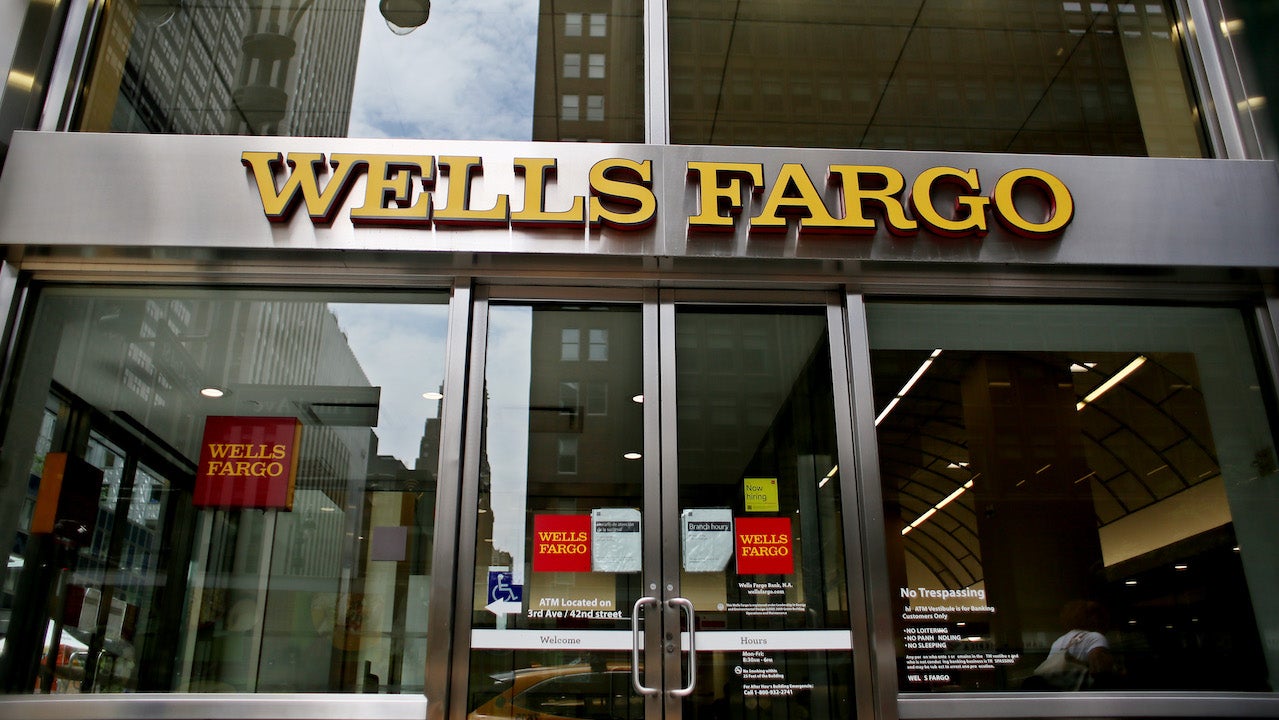
While digital tools are efficient, there are moments when the expertise of a financial professional is required. In these instances, simply knowing the closing time is not enough; you must know how to maximize your time within those hours.
When to Visit a Branch vs. Using an ATM
Efficiency in money management requires knowing which “lane” to choose. For simple cash withdrawals or deposits, the Wells Fargo ATM network is the superior choice. Most Wells Fargo ATMs are accessible 24/7, even if they are located within a branch vestibule that requires a card swipe for entry after hours.
You should reserve branch visits for “notary services,” “large currency exchanges,” or “resolving complex account discrepancies.” By using ATMs for routine tasks, you avoid the lobby lines that often swell during the lunch hour or right before the 5:00 PM closing rush, allowing you to manage your financial “errands” with minimal friction.
Scheduling Private Consultations for Financial Planning
For significant life events—such as applying for a small business loan, discussing retirement accounts, or navigating an estate—walking into a branch ten minutes before closing is counterproductive. Wells Fargo offers an online appointment scheduling tool that allows you to book time with a banker or financial advisor.
Scheduling an appointment ensures that a specialist is available to focus exclusively on your needs. It also allows the banker to prepare any necessary documentation in advance. From a wealth-management perspective, these consultations are the most valuable service a physical branch provides, transforming the bank from a mere utility into a strategic partner in your financial growth.
Strategies for Managing Time-Sensitive Financial Transactions
The difference between a successful transaction and a late fee often comes down to “cut-off times.” These are the specific times by which a transaction must be initiated to be processed within the current business day.
Understanding Cut-Off Times for Deposits and Transfers
A common misconception is that if you deposit a check at an ATM at 4:55 PM, it is processed immediately. While the funds may show as “pending,” the actual processing window (the “banking day”) usually ends around the time the branch closes or shortly thereafter.
For Wells Fargo, the general rule is that deposits made at a branch before it closes are considered received on that business day. For ATM and Mobile deposits, the cut-off is typically 9:00 PM ET. Understanding these windows is vital for “just-in-time” money management, where you might be counting on a deposit to cover an automated mortgage payment or a credit card bill that is due at midnight.
Managing Business Accounts and Payroll Deadlines
For business owners, the stakes of the banking clock are even higher. Payroll processing, for instance, often requires a lead time of two to three business days. If you miss the wire transfer cut-off (often earlier in the afternoon than the branch closing time), your employees might not receive their pay until after the weekend.
Strategic business finance involves setting internal deadlines that are at least 24 hours ahead of the bank’s actual cut-off times. This “buffer” accounts for potential technical glitches, additional verification steps, or human error, ensuring that your corporate reputation and financial obligations remain intact.
The Future of Banking Accessibility
As we look toward the future of the financial industry, the concept of “closing times” is becoming increasingly obsolete. The trend is moving toward a hybrid model that prioritizes constant access and automated intelligence.

Hybrid Models and Automated Services
Wells Fargo and its competitors are moving toward “smart branches” and enhanced AI support. We are seeing the rise of interactive teller machines (ITMs), which offer more functionality than a standard ATM, sometimes including a live video link to a teller who can assist with more complex transactions outside of standard lobby hours.
Furthermore, AI-driven chatbots and 24/7 telephone banking ensure that even at 3:00 AM on a Sunday, a customer can dispute a charge or check a balance. In the context of “Money” and “Personal Finance,” this shift means that the individual consumer now has more power and responsibility than ever before. You are no longer tethered to the banker’s clock; instead, you are the manager of your own 24-hour financial institution.
In conclusion, while the physical doors of Wells Fargo may close at 5:00 PM or 6:00 PM, your ability to grow, move, and protect your money never has to stop. By mastering the schedule of the branch, the power of the mobile app, and the critical nature of processing cut-offs, you can ensure that your financial engine continues to run smoothly, regardless of the time of day. Professional financial management is not just about how much you earn, but how effectively you navigate the systems that house your wealth.
aViewFromTheCave is a participant in the Amazon Services LLC Associates Program, an affiliate advertising program designed to provide a means for sites to earn advertising fees by advertising and linking to Amazon.com. Amazon, the Amazon logo, AmazonSupply, and the AmazonSupply logo are trademarks of Amazon.com, Inc. or its affiliates. As an Amazon Associate we earn affiliate commissions from qualifying purchases.