
In the landscape of modern personal finance, the question “what time does the bank close” is often more complex than a simple glance at a Google Maps listing. While the digital age has ushered in an era of 24/7 access to account balances and mobile deposits, the physical and operational constraints of traditional banking hours continue to play a pivotal role in the movement of capital. For the savvy investor, the small business owner, and the disciplined budgeter, understanding the nuances of banking hours is not merely a matter of convenience; it is a critical component of liquidity management and financial strategy.
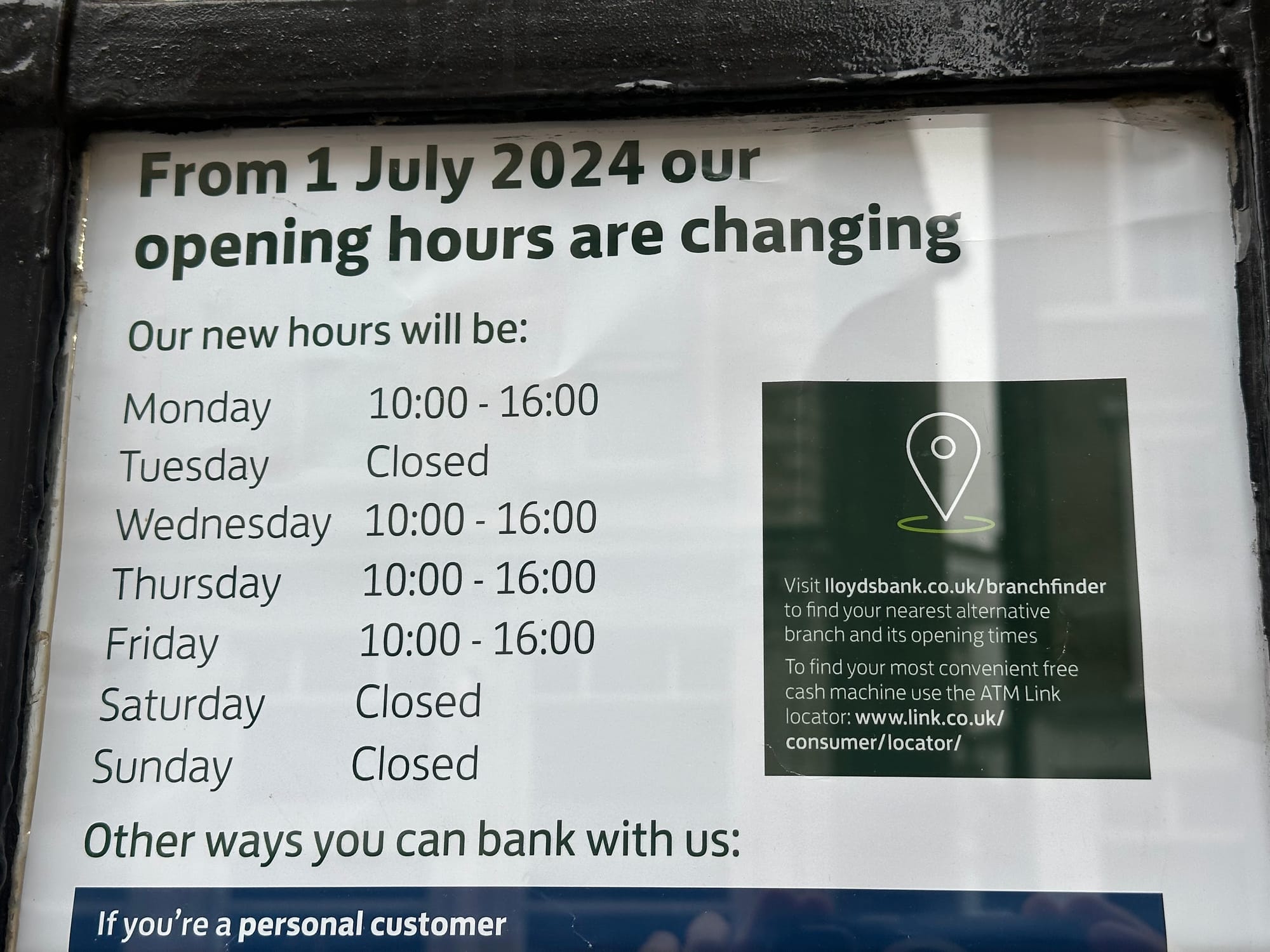
The constraints of the “banking day” influence everything from the timing of payroll to the execution of high-value wire transfers and the avoidance of predatory overdraft fees. To master one’s money, one must first master the clock that governs the institutions holding it.
The Anatomy of Banking Hours: Why Modern Institutions Still Keep Traditional Schedules
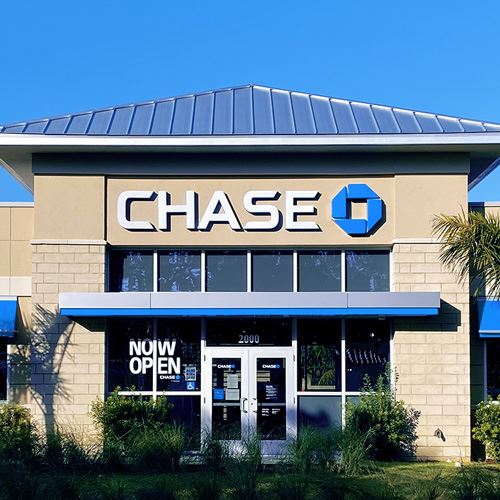
Despite the prevalence of high-speed internet and algorithmic trading, physical bank branches still adhere to schedules that seem remarkably tethered to the 20th century. Most major commercial banks in the United States, such as JPMorgan Chase, Bank of America, and Wells Fargo, typically operate from 9:00 AM to 5:00 PM or 6:00 PM on weekdays.
The History of “Banker’s Hours”
The term “banker’s hours” historically referred to a shorter-than-average workday, often 10:00 AM to 3:00 PM. This was not due to a lack of productivity, but rather the manual nature of accounting. Before the advent of automated ledgers, bank employees required several hours after the doors closed to reconcile the day’s books, physically count cash, and prepare ledgers for the next day. While computers now handle these tasks in milliseconds, the legacy of these hours remains, partially due to consumer habits and partially due to the structural requirements of the central banking system.
The Federal Reserve and the Clearing Cycle
The primary reason banks “close” in an operational sense is the Federal Reserve’s clearing cycle. Banks are nodes in a massive network that settles trillions of dollars daily. This settlement process happens in batches. When a bank closes its “business day,” it is essentially drawing a line in the sand to aggregate all transactions for that period to be sent to the Federal Reserve or private clearinghouses for settlement. If you visit a branch after this cut-off time, your transaction might be physically accepted, but it is technically processed on the following business day.
Regional and Local Variations in Branch Timing
Banking hours are not a monolith. In metropolitan hubs, you may find “flagship” branches with extended evening hours or even limited Sunday service to accommodate commuters. Conversely, in rural areas, banks may close earlier or observe “half-days” on Wednesdays or Saturdays. Furthermore, credit unions—which are member-owned—often provide more flexible hours than their corporate counterparts as a way to compete for local market share. Understanding your local branch’s specific schedule is the first step in avoiding the “closed door” frustration.
Beyond the Physical Door: Processing Deadlines and Digital Cut-Off Times
The most significant distinction for modern money management is the difference between when a branch closes its doors and when the bank’s internal systems close the ledger for the day. This is known as the “cut-off time,” and it is the invisible deadline that dictates when your money actually moves.
Understanding the “Business Day” vs. the “Calendar Day”
In the world of personal finance, a “business day” is typically defined as any day that is not a Saturday, Sunday, or a legal holiday. However, a bank’s business day may end at 2:00 PM, 5:00 PM, or even 11:59 PM for certain digital activities. If you make a mobile deposit at 8:00 PM on a Friday, that transaction is often categorized as occurring on the following Monday. This distinction is vital for those managing tight cash flows or trying to meet credit card payment deadlines to avoid interest charges.
Transaction-Specific Deadlines: ACH, Wires, and Checks
Different financial instruments have different “closing times”:
-
Wire Transfers: These are often the most time-sensitive. For a domestic wire to be sent and received on the same day, many banks require the request to be submitted by 2:00 PM or 3:00 PM EST. Missing this window by even five minutes can delay the movement of large sums of money—such as a down payment for a home—by an entire day or more.
-
ACH Transfers: Automated Clearing House transfers (like direct deposits or bill pays) are processed in batches. While the “Same-Day ACH” initiative has improved speeds, most banks still require these to be initiated by late afternoon to be processed within the current cycle.
-
Check Deposits: Under Regulation CC of the Expedited Funds Availability Act, banks must make funds available within certain timeframes. However, depositing a check at an ATM or via a mobile app after the bank’s daily cut-off time (often 6:00 PM to 9:00 PM) will delay the availability of those funds by an extra 24 hours.
The Impact of Time Zones on Global Financial Transactions
For those involved in international business or investing, the closing time of a local bank is only one piece of the puzzle. If you are on the West Coast of the United States and need to transfer money to a partner in London, you must contend with the fact that London’s banks close just as your workday is beginning. This “time zone arbitrage” requires strategic planning to ensure that liquidity is available when global markets are active.
Strategic Financial Management: Navigating Closures and Holidays

Knowledge of banking hours is a tool for optimizing cash flow. When you know exactly when the “gate” closes, you can better time your income and expenses.
The “Friday Afternoon” Dilemma and Liquidity Risks
A common financial pitfall occurs on Friday afternoons. Many individuals and businesses attempt to move funds late in the week, only to realize that the “closing time” has passed, effectively locking their capital until Monday morning. This creates a liquidity gap. If an unexpected expense arises over the weekend, and your funds are “pending” or “in transit” due to a missed Friday cut-off, you may be forced to rely on high-interest credit or face overdrafts. To mitigate this, savvy financial planners treat Thursday as their “functional Friday” for all major transfers.
Navigating the Federal Holiday Calendar
Banks in the United States follow the Federal Reserve holiday schedule. This includes days like Columbus Day (Indigenous Peoples’ Day) and Veterans Day, which are often regular workdays for other sectors of the economy. On these “Bank Holidays,” the clearing systems are offline. If your payroll is set to land on a Monday that happens to be a federal holiday, and you haven’t accounted for the bank’s closure, your employees (or you) may not see those funds until Tuesday.
Business Cash Flow and Payroll Timing
For entrepreneurs, “what time the bank closes” is a operational vital sign. Managing payroll requires a deep understanding of lead times. Most payroll providers require funds to be cleared at least 48 to 72 hours before the pay date. If a business owner misses the bank’s wire or ACH cut-off on a Tuesday, the entire staff’s Friday paycheck could be delayed. Professional financial management involves setting internal deadlines that are at least four hours ahead of the bank’s official cut-off times to allow for clerical errors or technical glitches.
The Rise of 24/7 Finance: How Digital Banking Redefines “Closing Time”
The traditional concept of a bank “closing” is being aggressively challenged by the rise of fintech and “neo-banks.” Institutions like Ally, Varo, and Chime operate without physical branches, leading many to believe that the constraints of banking hours have vanished.
The Competitive Edge of Neo-Banks and Online-Only Institutions
Online banks offer a significant advantage: they are always “open” for interaction. You can open an account, move money between sub-accounts, and freeze a lost debit card at 3:00 AM on a Sunday. This 24/7 accessibility is a major draw for the younger demographic and those with non-traditional work schedules. However, even these digital giants are still beholden to the Federal Reserve’s settlement schedules for external transfers.
Maximizing High-Yield Savings Through Continuous Access
For those focused on investing and wealth accumulation, the 24/7 nature of digital banking allows for more aggressive “interest-hacking.” By keeping funds in a high-yield savings account until the very moment a bill is due, and then using instant transfer features to move money to a checking account, investors can maximize their daily interest accrual. This strategy relies on knowing that the digital “closing time” for internal transfers is non-existent.
Security Considerations in a 24/7 Financial Ecosystem
While 24/7 banking offers convenience, it also necessitates 24/7 vigilance. When the bank never “closes,” the window for potential fraud never closes either. Digital-first banks invest heavily in AI-driven security tools that monitor transactions in real-time, but the responsibility also falls on the consumer to utilize features like real-time push notifications and two-factor authentication (2FA) to protect their assets outside of traditional business hours.
Practical Tips for Optimizing Your Banking Experience
To navigate the constraints of banking hours effectively, one should adopt a proactive stance toward financial logistics.
Utilizing Real-Time Payments (RTP) and FedNow
The financial landscape is currently undergoing a massive shift with the introduction of Real-Time Payments (RTP) and the Federal Reserve’s “FedNow” service. These systems are designed to allow for instant settlement of funds, 24/7/365. As more banks adopt these technologies, the traditional “closing time” will become less relevant for domestic transfers. When selecting a financial institution, inquire about their participation in FedNow or RTP, as this can significantly enhance your capital mobility.
Planning for Large Physical Cash Requirements
Despite the digital shift, there are still times when physical cash is required—such as purchasing a vehicle from a private seller or preparing for an event. ATMs have daily withdrawal limits (typically between $500 and $3,000). If you need a larger sum, you must visit a branch during their operating hours. Strategic financial management involves planning these withdrawals several days in advance, especially if the bank needs to order specific denominations or large quantities of cash, which can take 24 to 48 hours.
The Role of Relationship Banking
Finally, the value of knowing “what time the bank closes” is often found in the relationship you build with the staff. For business owners and high-net-worth individuals, having the direct line of a branch manager can be a lifesaver. There are instances where a manager can “pull” a transaction through or provide a temporary credit for a deposit that was made just minutes after the official cut-off. In an increasingly automated world, the human element of the 9-to-5 bank branch still offers a level of flexibility that an app cannot replicate.
By understanding the historical, technical, and strategic reasons behind banking hours, you can transform a potential logistical hurdle into a streamlined component of your financial life. Whether it is beating the 2:00 PM wire cut-off or leveraging the 24/7 nature of neo-banks, timing is quite literally money.
aViewFromTheCave is a participant in the Amazon Services LLC Associates Program, an affiliate advertising program designed to provide a means for sites to earn advertising fees by advertising and linking to Amazon.com. Amazon, the Amazon logo, AmazonSupply, and the AmazonSupply logo are trademarks of Amazon.com, Inc. or its affiliates. As an Amazon Associate we earn affiliate commissions from qualifying purchases.