
The reliable rhythm of postal services, though increasingly intertwined with digital communication, still underpins much of our personal and business lives. From sending important documents to receiving packages, understanding the operational hours of post offices is a fundamental piece of practical knowledge. However, the simple question of “what time are post offices open?” belies a more complex reality shaped by geography, service type, and evolving consumer needs. In this exploration, we’ll delve into the factors that influence post office operating hours, the digital tools available to help you find the information you need, and the evolving landscape of postal services in an increasingly connected world.
The Shifting Landscape of Postal Operations
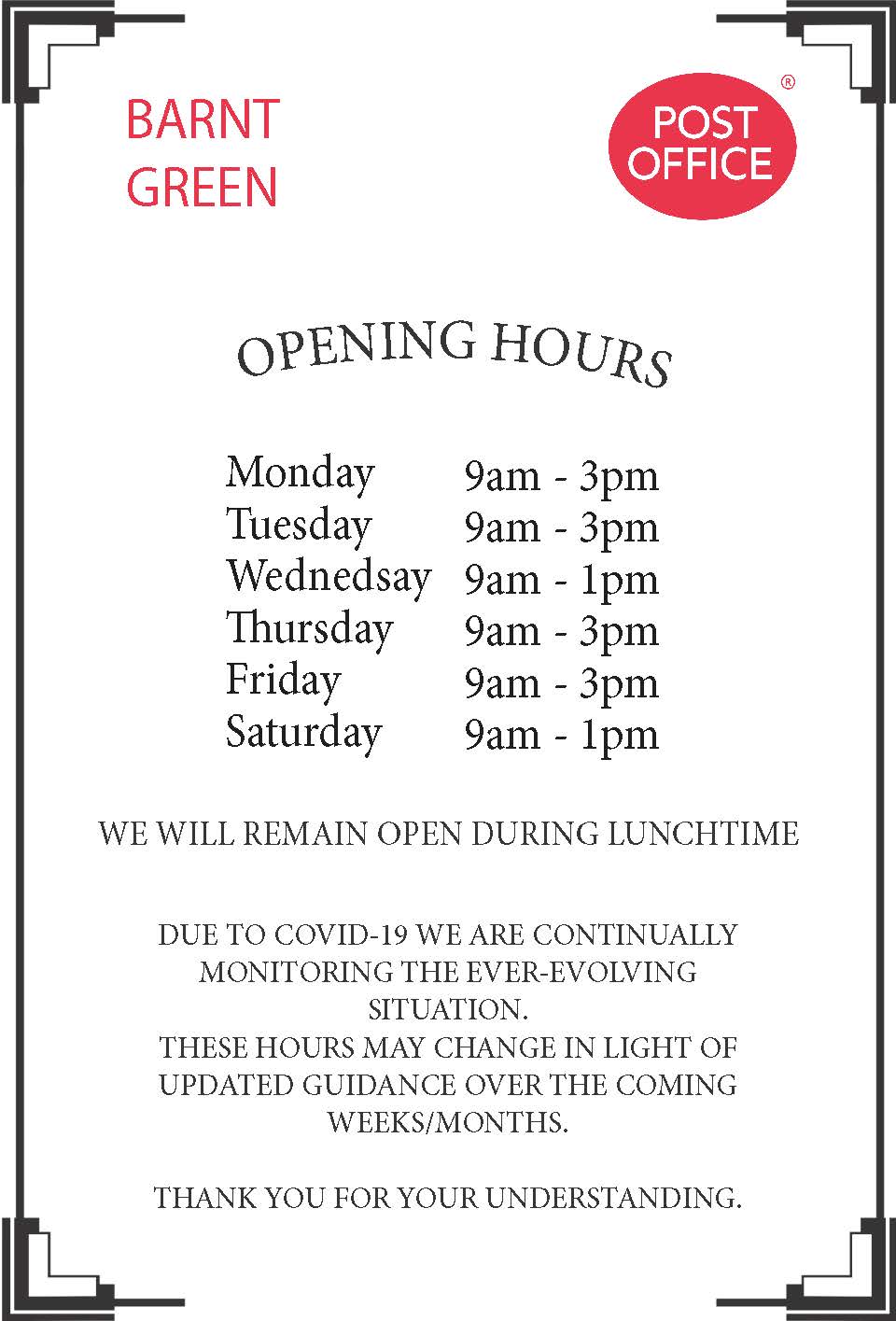
Historically, post office hours were a predictable fixture in most communities, often mirroring standard business hours. However, a confluence of factors – from declining mail volumes for certain services to the rise of e-commerce and the need for extended delivery and pick-up options – has led to a more varied and sometimes complex schedule. This evolution necessitates a proactive approach to information gathering, moving beyond assumptions to leverage available resources.
Factors Influencing Post Office Hours
Several key elements contribute to the variability in post office opening and closing times:
- Location and Local Demand: Post offices in bustling urban centers with high foot traffic and business activity often have extended hours compared to those in smaller towns or rural areas. The volume of mail handled, the number of services offered, and the demographic needs of the surrounding community all play a role. A post office serving a large business district might open earlier and close later than one catering primarily to residential mail delivery.
- Service Type: Not all post office locations offer the full spectrum of services. Larger branches might house dedicated international shipping counters, passport processing, or specialized business services, which could influence their operating hours. Smaller, more localized post offices might focus on core services like stamp sales, package drop-off, and mail collection, leading to simpler, shorter schedules.
- Day of the Week: Weekends are a significant variable. Many post offices operate with reduced hours on Saturdays, and a substantial number remain closed on Sundays altogether. This is largely due to decreased mail volume on these days and operational efficiencies. However, some urban or high-traffic locations might offer limited Saturday services, such as package processing or essential retail.
- Holidays and Special Events: National holidays are the most obvious disruptors to standard operating hours. Post offices observe federal holidays, meaning they will be closed. Additionally, local events, severe weather, or unforeseen circumstances can sometimes lead to temporary closures or adjusted hours. Staying informed about these exceptions is crucial to avoid a wasted trip.
- Specific Postal Provider Policies: While we often think of “post office” as a generic term, the operational policies can vary slightly between national postal providers. For instance, the United States Postal Service (USPS) has its own set of guidelines, while national postal services in other countries will have their own distinct structures. Understanding the specific provider in your region is the first step in pinpointing accurate hours.
Leveraging Digital Tools for Accurate Information
In today’s digitally connected world, the days of solely relying on a physical sign on the door are largely over. Modern postal services, like most businesses, have embraced digital platforms to provide customers with real-time, accurate information about their operating hours. This shift empowers individuals and businesses to plan their visits efficiently and avoid unnecessary travel.
Official Postal Service Websites and Apps
The most reliable source of information for post office hours is invariably the official website or mobile application of the national postal service. These platforms are designed to be comprehensive and up-to-date.
- Online Branch Locators: Nearly every major postal service offers an online “branch locator” or “find a post office” tool. These tools typically require you to input your zip code, city, or a specific address. Upon entering your location, the system will display a list of nearby post offices, along with their detailed operating hours for each day of the week, information on services offered, and often contact details. Some advanced locators may even indicate current wait times or offer appointment scheduling for certain services.
- Mobile Applications: Many postal services have developed dedicated mobile apps that replicate the functionality of their websites. These apps often provide even greater convenience, allowing users to search for nearby locations, view hours, and even track packages on the go. Push notifications can sometimes alert users to changes in hours or service disruptions.
- Customer Service Hotlines: For those who prefer direct interaction or encounter issues with online tools, customer service hotlines remain a valuable resource. While not as instantaneous as digital tools, trained representatives can provide accurate information and assist with specific inquiries. It’s advisable to check the postal service’s website for the correct hotline number and operating hours for their customer service.

Third-Party Directories and Mapping Services
Beyond official channels, a plethora of third-party applications and websites aggregate business information, including post office hours. While generally reliable, it’s always a good practice to cross-reference information with the official postal service channels, especially for critical appointments or urgent mailings.
- Google Maps and Apple Maps: These ubiquitous mapping services are excellent for quickly finding the nearest post office and often display their operating hours directly on the map listing. They are usually updated frequently, but occasional discrepancies can occur. The benefit is their integration with navigation, making it easy to get directions once you’ve confirmed the hours.
- Yelp and Other Business Review Sites: Platforms like Yelp, Yellow Pages, and similar directories often list post office locations and their hours. These sites can be particularly useful for reading customer reviews and gaining insights into the services and customer experience at a particular branch. However, the accuracy of hours on these platforms can be more variable as they rely on user input or less frequent automated updates.
- Dedicated Business Hours Aggregators: Several websites specialize in aggregating business opening hours. These can be useful for comparative purposes but should still be treated as secondary sources for confirmation.
Optimizing Your Postal Visits in the Digital Age
Knowing when post offices are open is only part of the equation. In an era where efficiency is paramount, leveraging technology to optimize your postal visits can save time and reduce frustration. This involves not just finding the right hours but also understanding how to best utilize the services available to you.
Pre-Visit Preparations
Before heading to the post office, a few simple steps can make your visit smoother:
- Confirm Hours: As emphasized, always confirm the specific hours for the branch you intend to visit using official channels. Check for any holiday closures or special advisories.
- Gather Necessary Documents: If you’re sending a package, have your shipping label ready, either printed or with the necessary details for your chosen carrier. For services like passport applications or money orders, ensure you have all required identification and payment methods.
- Pre-Pay Postage Online: For many common shipping needs, you can purchase and print postage labels online through the postal service’s website or third-party shipping platforms. This allows you to simply drop off your pre-paid package, often bypassing longer queues for postage purchase.
- Consider Appointment Services: For specific, time-intensive services like passport photos or complex business mailings, investigate if your local post office offers appointment scheduling. This can guarantee you a dedicated time slot and significantly reduce your wait.
Exploring Alternative Postal Solutions
The traditional post office isn’t the only option for sending and receiving mail and packages. A growing network of alternative solutions caters to varying needs and offers greater flexibility.
- Package Drop-off Locations: Many retailers, convenience stores, and shipping centers act as authorized drop-off points for major shipping carriers. These locations often have more extended hours than traditional post offices and can be a convenient option for quick package returns or shipments.
- Automated Postal Centers (APCs): Some larger post office branches or high-traffic areas are equipped with APCs. These self-service kiosks allow customers to weigh packages, purchase postage, print labels, and mail items without interacting with a clerk. APCs often operate 24/7 or with extended hours.
- Private Shipping Companies: Companies like FedEx and UPS offer their own network of retail locations and drop-off points, often with hours that complement or extend beyond those of the national postal service. Their services can be particularly useful for expedited shipping or for businesses with frequent shipping needs.
- Virtual Mailboxes and Mail Forwarding Services: For individuals who travel frequently or prefer a digital approach to their mail, virtual mailbox services offer a convenient solution. They scan your mail, allowing you to view it online, and offer options for shredding, forwarding, or discarding.
The Future of Postal Access
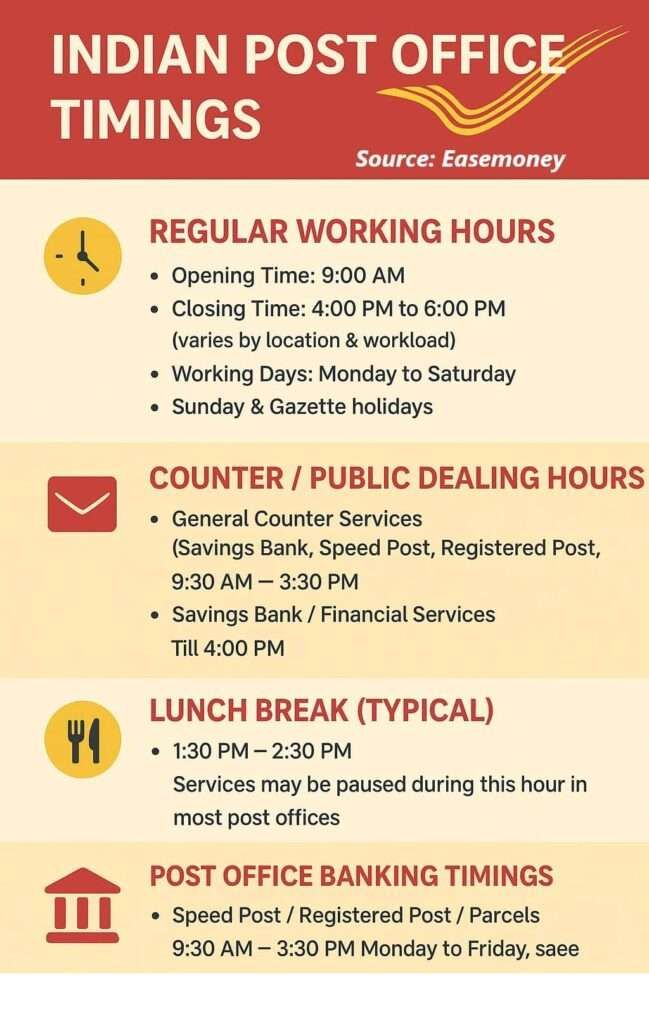
As technology continues to advance and consumer habits evolve, the landscape of postal services will undoubtedly continue to transform. While the question of “what time are post offices open?” may seem straightforward, understanding the nuances and leveraging the available digital tools is key to navigating these essential services efficiently in the modern era. The ongoing integration of technology, from automated services to enhanced online platforms, promises to make accessing postal services more convenient and personalized than ever before, ensuring that even in a digital world, the fundamental need for physical mail and package delivery remains a vital part of our interconnected lives.
aViewFromTheCave is a participant in the Amazon Services LLC Associates Program, an affiliate advertising program designed to provide a means for sites to earn advertising fees by advertising and linking to Amazon.com. Amazon, the Amazon logo, AmazonSupply, and the AmazonSupply logo are trademarks of Amazon.com, Inc. or its affiliates. As an Amazon Associate we earn affiliate commissions from qualifying purchases.