
For investors, analysts, and market watchers globally, the release of a company’s earnings report is always a pivotal moment. When that company is Nvidia, a titan of the technology sector whose innovations ripple through industries from gaming to artificial intelligence, the anticipation intensifies dramatically. Understanding not just what the earnings entail, but when they are released, is crucial for timely analysis, strategic investment decisions, and navigating the often-volatile currents of the market. This article will delve into the critical aspects surrounding Nvidia’s earnings announcements, offering insights into their significance and what investors should track.
The Critical Juncture for Investors: Understanding Nvidia’s Earnings Release
The earnings release is far more than a mere financial disclosure; it’s a quarterly report card that provides a comprehensive look into a company’s health, growth trajectory, and future prospects. For a company like Nvidia, whose market capitalization frequently places it among the world’s most valuable entities, these reports can send shockwaves or reassurance across global financial markets.
Pinpointing the Exact Time: Your Investor’s Schedule
Nvidia typically announces its quarterly earnings after the close of the regular trading session on Wall Street, usually around 4:00 PM Eastern Time (ET). The exact date and time can vary slightly from quarter to quarter but are consistently disclosed well in advance through their investor relations website, SEC filings, and financial news outlets. For instance, if earnings are scheduled for a Wednesday, investors would expect the official press release to hit the wires shortly after 4:00 PM ET, followed by a conference call with analysts and investors, often commencing around 5:00 PM ET. This timing allows for the dissemination of information without disrupting active trading, giving investors an opportunity to digest the news before markets reopen the following day. Tracking these specific dates and times is paramount for anyone looking to react promptly or participate in the earnings call. Setting calendar reminders and subscribing to Nvidia’s investor alerts are common practices for seasoned market participants.
Why Earnings Announcements Are More Than Just Numbers
While the headline figures like revenue and earnings per share (EPS) grab immediate attention, the true value of an earnings report lies in its ability to paint a holistic picture of the company’s performance and outlook. These reports dictate market sentiment, influence stock price movements, and inform critical investment decisions. For Nvidia, given its central role in the burgeoning AI revolution and its dominance in high-performance computing, earnings reports are scrutinized not just for past performance but for forward-looking guidance on future growth, capital expenditures, and strategic priorities. Any deviation from analyst expectations, positive or negative, can lead to significant stock price volatility, underscoring the importance of understanding the full context of the report.
Decoding Nvidia’s Financial Narrative: What to Look For
Nvidia’s business is highly diversified, spanning several critical and rapidly evolving markets. When the earnings report arrives, investors need to look beyond the top-line figures to understand the nuances of its performance across these segments.
Key Metrics Beyond Revenue and EPS
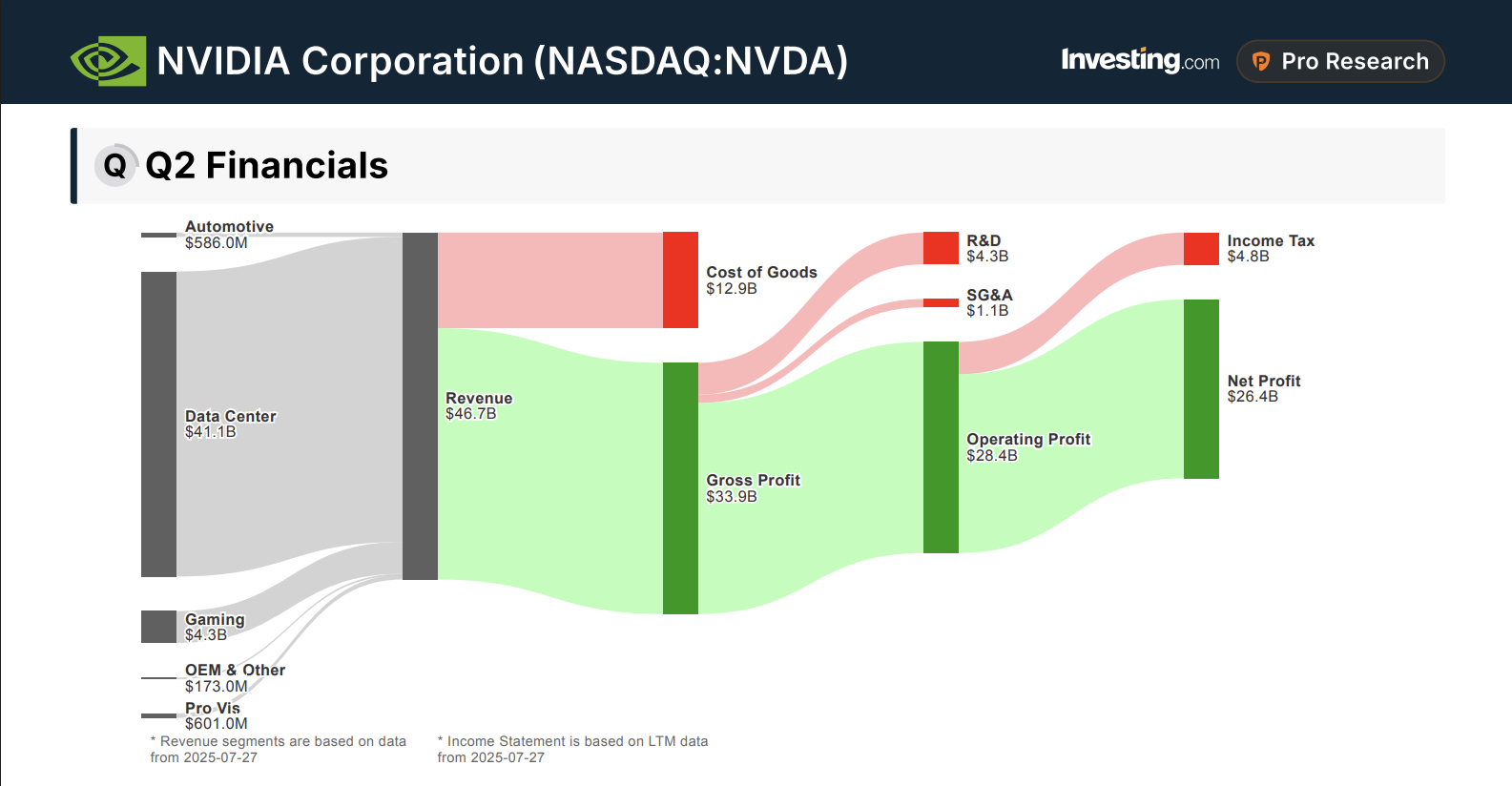
While revenue and EPS are crucial, savvy investors also track other vital metrics. Gross margin, for example, reveals the profitability of Nvidia’s products after accounting for the cost of goods sold. Operating expenses provide insight into the company’s investment in R&D, sales, and administration—critical for a tech company focused on innovation. Cash flow from operations indicates the company’s ability to generate cash from its core business, a sign of financial health. Furthermore, details on inventory levels can signal future demand or supply chain issues. For Nvidia, specific metrics related to chip volumes, average selling prices (ASPs) across different product lines, and capacity utilization are also closely watched, offering a deeper understanding of market dynamics and competitive positioning.
Segmental Deep Dive: Gaming, Data Center, Professional Visualization, and Automotive
Nvidia’s operations are segmented, and each segment tells a unique story.
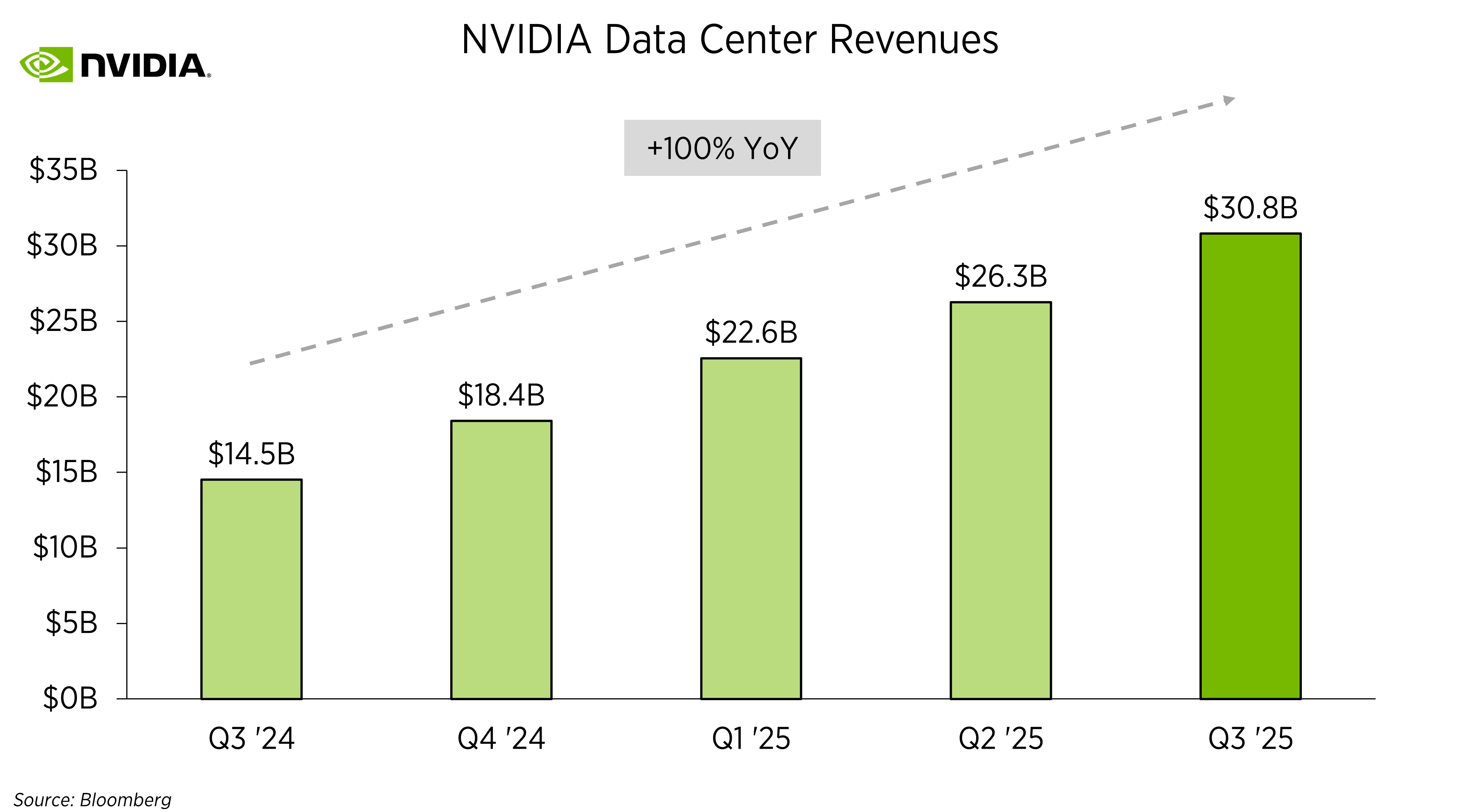
- Data Center: This has become Nvidia’s most critical and rapidly growing segment, driven by demand for GPUs powering AI, cloud computing, and high-performance computing (HPC). Investors look for growth rates, new customer acquisitions, and the adoption of its full-stack AI platform (hardware and software). Guidance related to Hopper, Grace, and Blackwell architectures, along with CUDA software ecosystem advancements, is paramount.
- Gaming: Historically Nvidia’s bread and butter, this segment remains significant. Metrics here include sales of GeForce GPUs, average selling prices, and market share against competitors. Trends in PC gaming, console cycles, and the potential impact of new GPU architectures are key.
- Professional Visualization: This segment caters to workstations for tasks like design, engineering, and content creation. Stable growth and adoption of RTX technologies in professional applications are monitored.
- Automotive: While smaller, this segment represents significant future potential with Nvidia’s DRIVE platform for autonomous vehicles and AI cockpit solutions. Investors look for design wins, partnerships, and revenue acceleration as autonomous driving technology matures.
Understanding the performance of each segment helps investors identify growth drivers, areas of weakness, and the company’s overall strategic direction.
The AI Revolution: Nvidia’s Strategic Positioning and Future Guidance
Nvidia stands at the epicenter of the artificial intelligence revolution. Its GPUs are the foundational hardware for training and deploying AI models, from large language models to self-driving cars. Therefore, any commentary on AI adoption, market share in AI accelerators, strategic partnerships, and new product roadmaps related to AI is of utmost importance. Forward-looking guidance provided by management, particularly concerning the Data Center segment and AI-related revenues, often carries more weight than historical figures. This guidance shapes analyst models and investor expectations for the quarters and years ahead, directly impacting the stock’s valuation. Investors look for signs that Nvidia is maintaining its technological leadership and effectively capitalizing on the explosive growth in AI infrastructure.
Navigating the Volatility: Strategies for Earnings Season
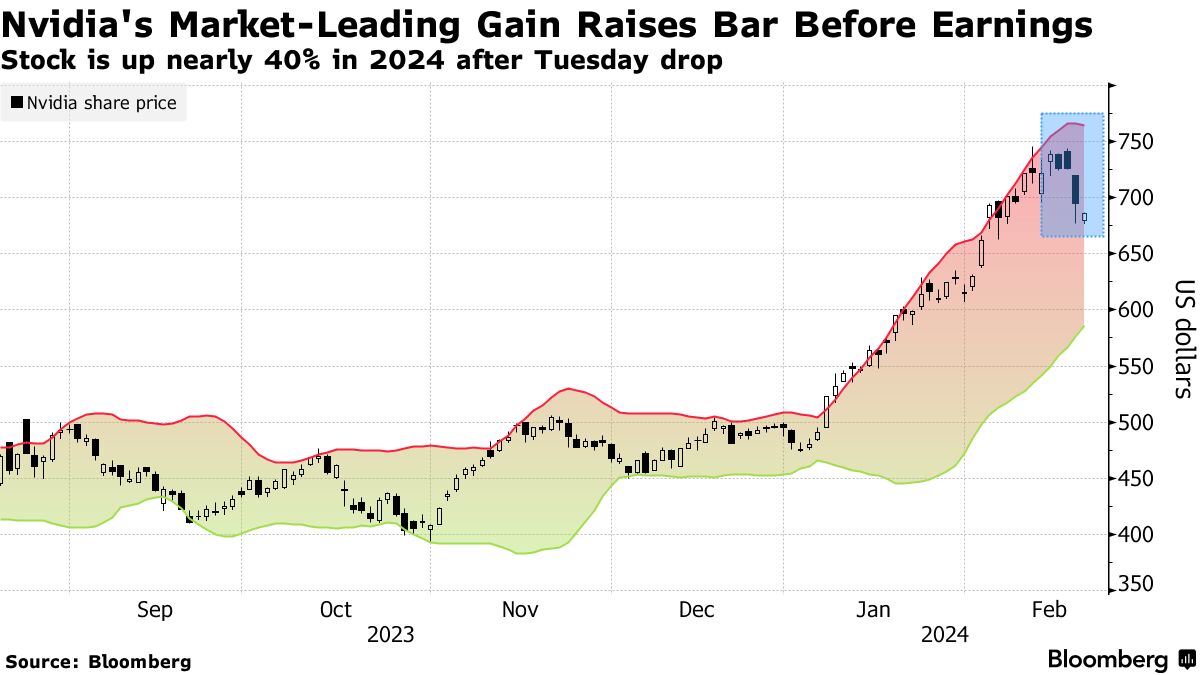
Earnings season is synonymous with increased market volatility. For a high-growth, high-valuation stock like Nvidia, the swings can be dramatic. Investors need a clear strategy to navigate these periods.
Pre-Earnings Analysis: Setting Expectations
Before the earnings report drops, diligent investors engage in thorough pre-earnings analysis. This involves reviewing analyst consensus estimates for revenue and EPS, understanding the “whisper numbers” (unofficial market expectations), and scrutinizing previous quarter’s results and management guidance. Examining recent news flow regarding industry trends, competitor performance, and macroeconomic factors can also provide context. The goal is not to predict the exact numbers but to form an informed opinion on what constitutes a “good” or “bad” report relative to prevailing expectations. Understanding the sentiment and positioning of institutional investors can also offer clues regarding potential post-earnings movements.
Post-Earnings Reaction: Interpreting Market Movements
Once the earnings are released, the market’s initial reaction can be swift and sometimes irrational. It’s crucial to differentiate between an immediate, knee-jerk price movement and a sustained trend. A stock might drop even on seemingly good news if the guidance is cautious, or it might rally on a “less bad than feared” report. Investors should look beyond the initial price action and dive into the details of the report, the earnings call transcript, and management’s commentary to understand why the market reacted as it did. Pay attention to the clarity of guidance, any surprises in segmental performance, and changes in the competitive landscape. Avoid making impulsive decisions based solely on the after-hours or pre-market price action.
Long-Term Vision vs. Short-Term Speculation
For long-term investors, earnings reports are a check-in on the company’s fundamental health and strategic execution. While short-term volatility is inevitable, their focus remains on Nvidia’s ability to innovate, grow market share, and generate sustainable profits over several years. They view price dips as potential buying opportunities if the long-term thesis remains intact. In contrast, short-term traders might use earnings releases for speculative plays, betting on immediate price swings. Both approaches require different risk management strategies. Long-term investors typically avoid making drastic portfolio changes based on a single quarter’s results, instead preferring to see how the company performs over multiple cycles.
Accessing and Analyzing the Earnings Report
Knowing where to find the information and how to interpret it is key to leveraging earnings season effectively.
Where to Find the Official Documents and Webcast
Nvidia’s investor relations website is the primary official source for all earnings-related materials. Here, investors can find the official press release, the full financial statements (income statement, balance sheet, cash flow statement), and sometimes a supplemental earnings presentation. The website also provides details on how to access the live earnings conference call webcast and, typically, a replay of the call afterward. For official regulatory filings, the U.S. Securities and Exchange Commission (SEC) EDGAR database is where investors can find Form 10-Q (quarterly report) and Form 10-K (annual report), which offer the most comprehensive and legally mandated disclosures.
The Q&A Session: Unpacking Management’s Insights
The earnings conference call, particularly the question-and-answer (Q&A) session with analysts, offers invaluable qualitative insights that numbers alone cannot convey. During the Q&A, management addresses specific concerns, elaborates on guidance, discusses market conditions, and provides color on strategic initiatives. This direct dialogue can often reveal more about the company’s confidence (or lack thereof), competitive pressures, and future opportunities than the prepared remarks. Listening closely to the tone, emphasis, and directness of answers can provide additional context for interpreting the financial data.
The Broader Implications: Nvidia’s Role in the Global Economy
Nvidia’s performance extends beyond its balance sheet; it offers a barometer for significant trends in technology and the global economy.
Supply Chains, Geopolitics, and Market Dominance
As a critical supplier of advanced semiconductors, Nvidia is deeply intertwined with global supply chains. Its earnings reports often contain insights into the health of the semiconductor industry, manufacturing capacities, and potential bottlenecks. Furthermore, given the strategic importance of AI and high-performance computing, Nvidia’s operations and export policies are increasingly subject to geopolitical considerations. Any comments from management on geopolitical risks, trade restrictions, or government policies related to technology can have far-reaching implications for investors and the industry at large. Nvidia’s continued market dominance in specific niches also makes its reports a bellwether for the competitive landscape and the pace of technological innovation.
The Future of High-Performance Computing and AI Infrastructure
Ultimately, Nvidia’s earnings provide a quarterly glimpse into the future of high-performance computing and AI infrastructure. Its investments in R&D, strategic acquisitions, and product roadmaps dictate the pace of innovation in these fields. For investors with a long-term horizon, these reports are not just about the next quarter but about how Nvidia is positioning itself to capitalize on the secular growth trends that are reshaping industries worldwide. Understanding the time of Nvidia’s earnings release and dissecting the report with a keen financial eye is, therefore, an indispensable practice for anyone invested in the future of technology and the broader economy.
aViewFromTheCave is a participant in the Amazon Services LLC Associates Program, an affiliate advertising program designed to provide a means for sites to earn advertising fees by advertising and linking to Amazon.com. Amazon, the Amazon logo, AmazonSupply, and the AmazonSupply logo are trademarks of Amazon.com, Inc. or its affiliates. As an Amazon Associate we earn affiliate commissions from qualifying purchases.