
In the intricate world of finance, timing is often as crucial as the investment itself. For both seasoned investors and curious newcomers, understanding when financial markets open and close is not merely a matter of trivia; it’s a foundational element of effective strategy, risk management, and opportunity identification. The rhythm of market hours dictates everything from when orders can be executed to periods of peak volatility and liquidity, directly influencing an investor’s ability to react to news, manage positions, and capitalize on global economic shifts. This comprehensive guide delves into the specifics of market operating hours across various asset classes and geographies, offering insights that are indispensable for navigating the modern financial landscape.
The Rationale Behind Market Hours: Structure and Significance
The concept of defined trading hours stems from a blend of historical tradition, operational necessity, and regulatory oversight. While the advent of electronic trading has blurred some lines, the core structure remains vital for maintaining orderly markets, allowing for settlement processes, and providing periods of rest for market participants and systems. Understanding this underlying rationale helps investors appreciate the strategic implications of market schedules.
Understanding Standard Trading Sessions
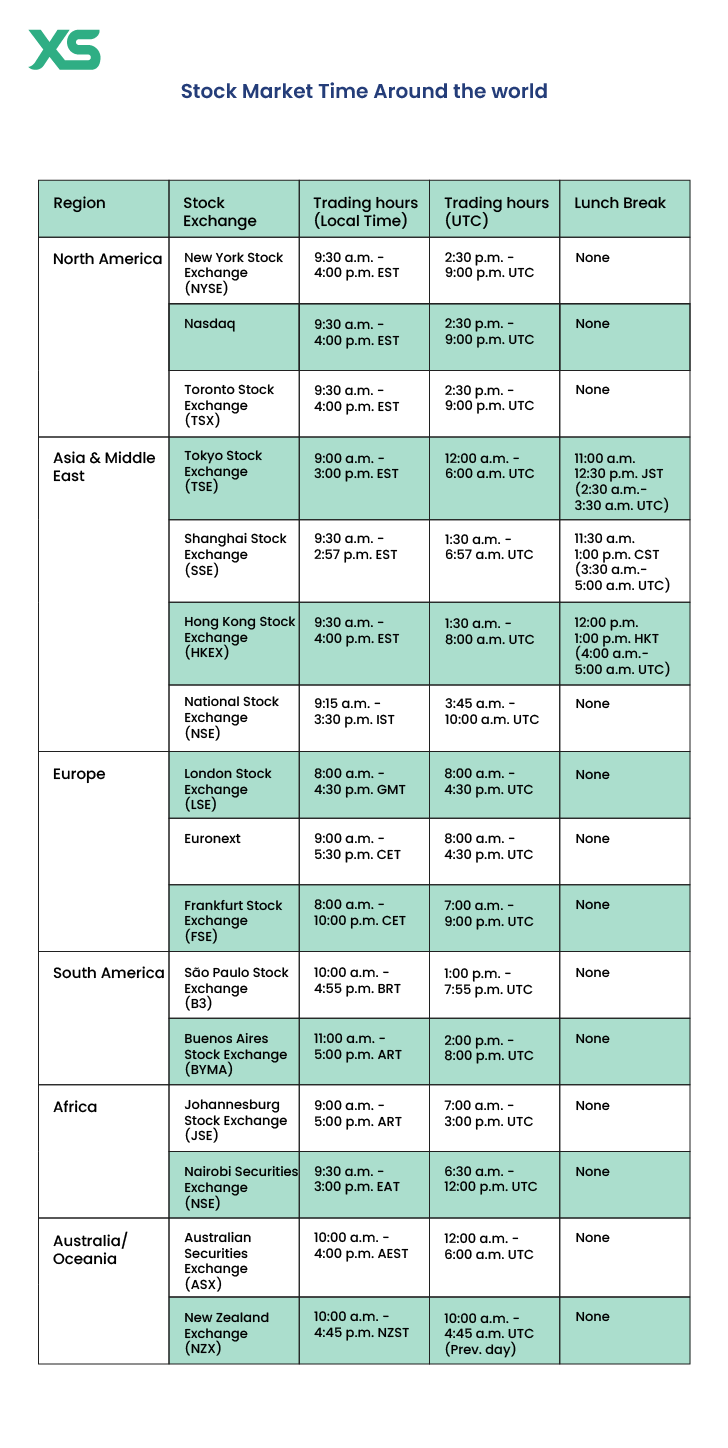
For most traditional financial markets, “standard trading hours” refer to the core window when the primary exchange is fully operational, with the highest volume and liquidity. During these periods, market makers are actively quoting prices, bid-ask spreads are typically tighter, and most participants are engaged. These hours are typically set to align with local business days, avoiding weekends and public holidays, which ensures a common schedule for all market participants within a specific region. For example, the New York Stock Exchange (NYSE) and NASDAQ operate from 9:30 AM to 4:00 PM Eastern Time (ET) on weekdays, establishing a clear framework for daily trading activity in the United States.
The Role of Pre-Market and After-Hours Trading
Beyond the standard session, many markets offer extended trading opportunities through pre-market and after-hours sessions. These periods, facilitated primarily by electronic communication networks (ECNs), allow investors to react to news released outside of regular hours, such as earnings reports or macroeconomic data. While these sessions offer flexibility, they come with caveats. Generally, liquidity is lower, leading to wider bid-ask spreads and potentially higher volatility. This means that executing large orders can be more challenging, and prices may move more dramatically on smaller volumes. Savvy investors often use these periods for small adjustments or to respond to significant overnight developments, but typically avoid them for major strategic plays due to the reduced market depth.
How Holidays and Special Events Influence Market Schedules
Market calendars are punctuated by numerous public holidays and special events, which can lead to early closures, delayed openings, or complete shutdowns. These breaks are critical for operational reasons, but they also introduce periods of market inactivity that can affect trading strategies. For instance, a long weekend might mean that investors cannot react to geopolitical news until the next trading day, potentially leading to significant “gap” openings or closures. Furthermore, certain days might see reduced trading hours leading into a holiday, which can thin out liquidity even during what would normally be standard hours. Investors must meticulously track market calendars specific to the exchanges and countries they trade in to avoid being caught off guard by unexpected closures or modified schedules.
Diving into Major Global Stock Market Hours
The global equity landscape operates on a staggered schedule, creating a continuous flow of trading activity across different time zones. Understanding these regional differences is paramount for international investors and those tracking global economic indicators.
North American Powerhouses: NYSE and NASDAQ
The United States is home to two of the world’s largest stock exchanges: the New York Stock Exchange (NYSE) and NASDAQ. Both operate from 9:30 AM to 4:00 PM Eastern Time (ET), Monday through Friday, excluding holidays. These hours represent the heartbeat of global equity trading, influencing markets worldwide. Pre-market trading typically begins around 4:00 AM ET, and after-hours trading can extend until 8:00 PM ET. The close of the U.S. markets often signals a shift in focus to Asian trading, completing a near 24-hour cycle of equity market activity across the globe.
European Financial Hubs: London, Frankfurt, and Beyond
As the U.S. market winds down, European markets are typically concluding their day, while some might overlap. Key European exchanges include:
- London Stock Exchange (LSE): 8:00 AM to 4:30 PM Greenwich Mean Time (GMT).
- Deutsche Börse (Frankfurt): 9:00 AM to 5:30 PM Central European Time (CET).
- Euronext (Paris, Amsterdam, Brussels, Lisbon): 9:00 AM to 5:30 PM CET.
These markets are crucial for investors tracking European economic health, corporate earnings, and geopolitical developments. Their trading hours provide an intermediate bridge between the Asian and North American sessions.
Asian Market Dynamics: Tokyo, Shanghai, and Sydney
The trading day typically begins in Asia, with key exchanges setting the initial tone for global market sentiment.
- Tokyo Stock Exchange (TSE): 9:00 AM to 11:30 AM and 12:30 PM to 3:00 PM Japan Standard Time (JST). The lunch break is a distinct feature of the TSE.
- Shanghai Stock Exchange (SSE) & Shenzhen Stock Exchange (SZSE): 9:30 AM to 11:30 AM and 1:00 PM to 3:00 PM China Standard Time (CST). Similar to Tokyo, Chinese markets have a lunch break.
- Australian Securities Exchange (ASX): 10:00 AM to 4:00 PM Australian Eastern Standard Time (AEST) or Australian Eastern Daylight Time (AEDT), depending on the season.
These markets are vital for understanding commodity demand, technological innovation, and the economic pulse of some of the world’s fastest-growing economies.
Navigating Time Zones and Overlapping Sessions
The continuous nature of global trading is made possible by the sequential opening and closing of exchanges across different time zones. This creates periods of “overlap,” where two or more major financial centers are simultaneously active. For instance, there’s a significant overlap between the European and North American trading sessions, which is often characterized by heightened liquidity and volatility due to the combined participation of major institutional investors. Understanding these overlaps allows investors to strategically place trades during periods of maximum market depth or to react quickly to news that might affect multiple regions. Currency traders, in particular, pay close attention to these overlaps as they often correlate with increased activity in major currency pairs.
Beyond Equities: Exploring Other Financial Markets
While equities garner significant attention, the financial world encompasses a diverse array of markets, each with its own operational hours and unique characteristics.
The 24/5 Nature of the Foreign Exchange (Forex) Market
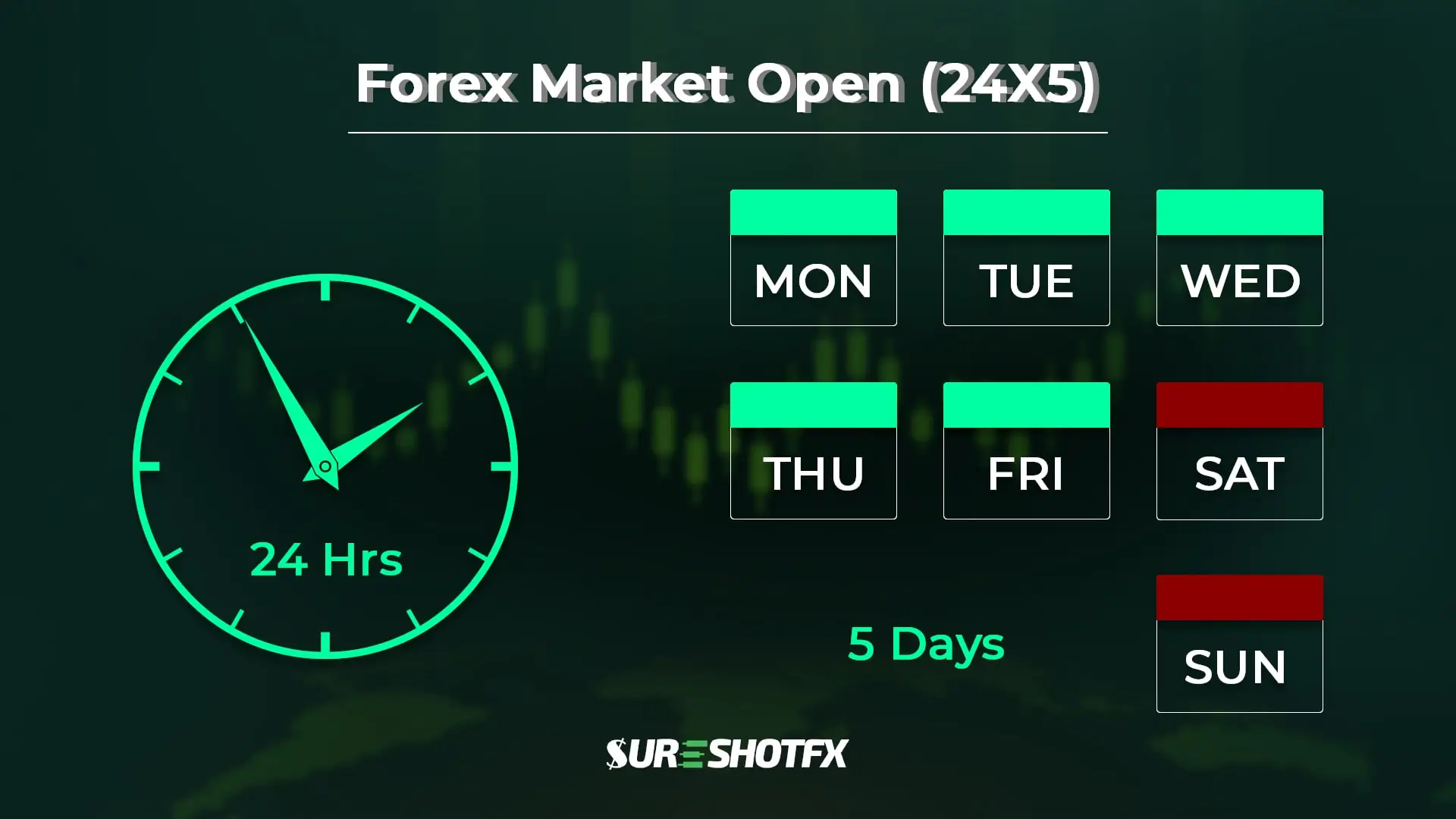
The foreign exchange (Forex or FX) market stands apart due to its nearly continuous operation. Unlike stock exchanges, which are centralized entities, Forex trading occurs over-the-counter (OTC) through a global network of banks, brokers, and financial institutions. This decentralized structure allows the market to operate 24 hours a day, five days a week, starting from Sunday evening (ET) in Sydney and closing on Friday afternoon (ET) in New York. The market effectively shifts from one major financial center to another – Sydney, Tokyo, London, and New York – ensuring that traders can react to news and execute trades around the clock during the workweek. This constant availability makes the Forex market highly liquid but also demands disciplined risk management from traders, who might face significant overnight movements.

Understanding Commodity and Futures Market Schedules
Commodity markets, which trade raw materials like oil, gold, silver, agricultural products, and natural gas, often operate on their own distinct schedules, largely influenced by the underlying asset and its primary trading location. Futures contracts, which are agreements to buy or sell an asset at a predetermined price on a future date, trade on specific exchanges (e.g., CME Group, ICE). Many commodity futures trade nearly 23 hours a day, five days a week, with a short break, to accommodate global demand and production cycles. For example, crude oil futures can be traded almost continuously from Sunday evening through Friday afternoon, reflecting the global nature of energy markets. Precious metals futures also follow extended hours, allowing participants from various time zones to engage.
The Always-On World of Cryptocurrency Trading
The newest entrant to the financial market, cryptocurrencies like Bitcoin and Ethereum, truly embody the “always-on” market concept. Operating on decentralized blockchain networks, cryptocurrency exchanges run 24 hours a day, seven days a week, 365 days a year, with no holidays or official closing times. This continuous operation is a defining feature that distinguishes crypto from traditional asset classes. While this offers unparalleled flexibility for traders, it also means that price movements can occur at any time, requiring investors to either maintain constant vigilance or employ automated trading strategies. The lack of market closures also eliminates “gap risk” from overnight news, but introduces the challenge of sustained market exposure.
Bond Market Conventions
The bond market, particularly for government bonds, typically follows a schedule that is closely aligned with the local stock market hours but can sometimes exhibit slightly different patterns. For example, in the U.S., the bond market usually operates from 8:00 AM to 5:00 PM ET, with some specific trading sessions for different types of bonds. Corporate bonds often trade OTC, with hours that align with typical business hours. The bond market can also be influenced by central bank announcements and economic data releases, which often occur during standard business hours.
Strategic Implications of Market Hours for Investors
Understanding market hours is not just about knowing when to trade; it’s about optimizing trading strategies, managing risk, and making informed decisions.
Volatility and Liquidity Across Different Sessions
Different trading sessions exhibit varying levels of volatility and liquidity. Overlapping sessions, especially between major financial centers, typically see increased liquidity and tighter spreads, making them ideal for executing larger trades with less market impact. Conversely, pre-market, after-hours, or early Asian sessions might experience lower liquidity, leading to wider spreads and higher volatility, which can be advantageous for experienced day traders seeking sharp movements but riskier for others. Investors need to tailor their trading approach based on the characteristics of the session they are participating in.
Capitalizing on Global Overlaps for Strategic Advantage
The strategic utilization of market overlaps is a sophisticated technique. For instance, the overlap between the London and New York sessions (roughly 8:00 AM to 12:00 PM ET) is often the busiest period for currency and equity markets, characterized by high liquidity and significant price action. Traders tracking global news can use these overlaps to confirm trends across regions or to enter/exit positions when market depth is highest. For an investor in Asia, reacting to overnight news from the U.S. or Europe might be best executed during their local market hours, allowing them to benefit from fresh global sentiment.
The Impact of Technology on Market Access and Trading Strategies
Technological advancements have revolutionized market access. Electronic trading platforms, mobile apps, and high-speed internet allow investors to monitor markets and execute trades from virtually anywhere at any time. This pervasive access, however, requires greater discipline. Automated trading algorithms and high-frequency trading (HFT) systems can operate 24/7, reacting to market events faster than human traders. This technology empowers individual investors with tools previously reserved for institutions but also necessitates a keen understanding of how these tools can be used effectively and responsibly. Remote access to diverse global markets opens up arbitrage opportunities and allows for continuous portfolio management, but also introduces complexities in managing time zones and data feeds.
Risk Management and Planning Around Market Closures
Market closures, whether for holidays or the end of a trading day, present unique risk management challenges. News released during these periods can lead to “gap” openings, where a stock or asset opens significantly higher or lower than its previous close. This can erode profits or exacerbate losses for investors who hold positions overnight or over a long weekend. Effective risk management involves carefully assessing positions before market close, setting appropriate stop-loss orders, or even reducing exposure when significant news is anticipated during off-hours. Planning around these closures is a critical component of a robust investment strategy, helping to mitigate unforeseen volatility.
Tools and Best Practices for Monitoring Market Times
Staying informed about market hours and related events is essential for proactive investing. Thankfully, a variety of tools and best practices can help investors keep track.
Utilizing Market Calendars and Financial News Services
Reliable market calendars are invaluable resources. Major financial news outlets (e.g., Bloomberg, Reuters, Wall Street Journal, Financial Times) and reputable financial websites (e.g., Investopedia, TradingView, major brokerage sites) provide detailed calendars that list market holidays, trading hour adjustments, economic data release schedules, and corporate earnings announcements. Subscribing to these services or regularly checking their calendars ensures that investors are always aware of upcoming market closures or significant events that could impact trading. Many calendars also offer time zone conversions, simplifying cross-market planning.
Leveraging Brokerage Platforms and Advanced Tools
Most modern brokerage platforms integrate market hour information directly into their interfaces, often displaying whether a market is open, closed, or in an extended session. Some advanced platforms offer customizable alerts for market openings and closings, as well as for significant news events. Additionally, many platforms provide real-time data feeds and charting tools that visually represent trading sessions, helping investors identify periods of high activity or illiquidity. Familiarizing oneself with these platform features can significantly streamline the process of monitoring market times and planning trades.
Developing a Personalized Trading Schedule
Ultimately, the most effective approach is to develop a personalized trading schedule that aligns with an individual’s investment strategy, risk tolerance, and lifestyle. This might involve focusing on specific market overlaps, dedicating time to research during off-market hours, or setting specific trading windows. For instance, a long-term investor might only need to check their portfolio periodically during standard market hours, while a day trader would need a more rigorous, real-time schedule. Understanding one’s own capabilities and preferences, combined with a comprehensive knowledge of market hours, allows for the creation of a disciplined and effective approach to navigating the global financial markets. By mastering the rhythm of market openings and closures, investors can better position themselves to seize opportunities and manage risks in the dynamic world of finance.
aViewFromTheCave is a participant in the Amazon Services LLC Associates Program, an affiliate advertising program designed to provide a means for sites to earn advertising fees by advertising and linking to Amazon.com. Amazon, the Amazon logo, AmazonSupply, and the AmazonSupply logo are trademarks of Amazon.com, Inc. or its affiliates. As an Amazon Associate we earn affiliate commissions from qualifying purchases.