
For decades, the quest for firmer, more youthful skin was a marathon, not a sprint. Consumers relied on topical retinoids and slow-acting serums that took months to show marginal improvements. However, the intersection of dermatology and advanced engineering has shifted the paradigm. Today, when we ask what tightens skin quickly, the answer is no longer found in a jar of cream, but in the sophisticated hardware and software of medical-grade aesthetic technology.
The rapid evolution of non-invasive tech has bridged the gap between basic skincare and surgical intervention. By leveraging radiofrequency, ultrasound, and light-based energy, modern devices can trigger biological responses that tighten skin in a fraction of the time required by traditional methods. This article explores the high-tech innovations currently dominating the aesthetic industry and the digital precision behind their results.
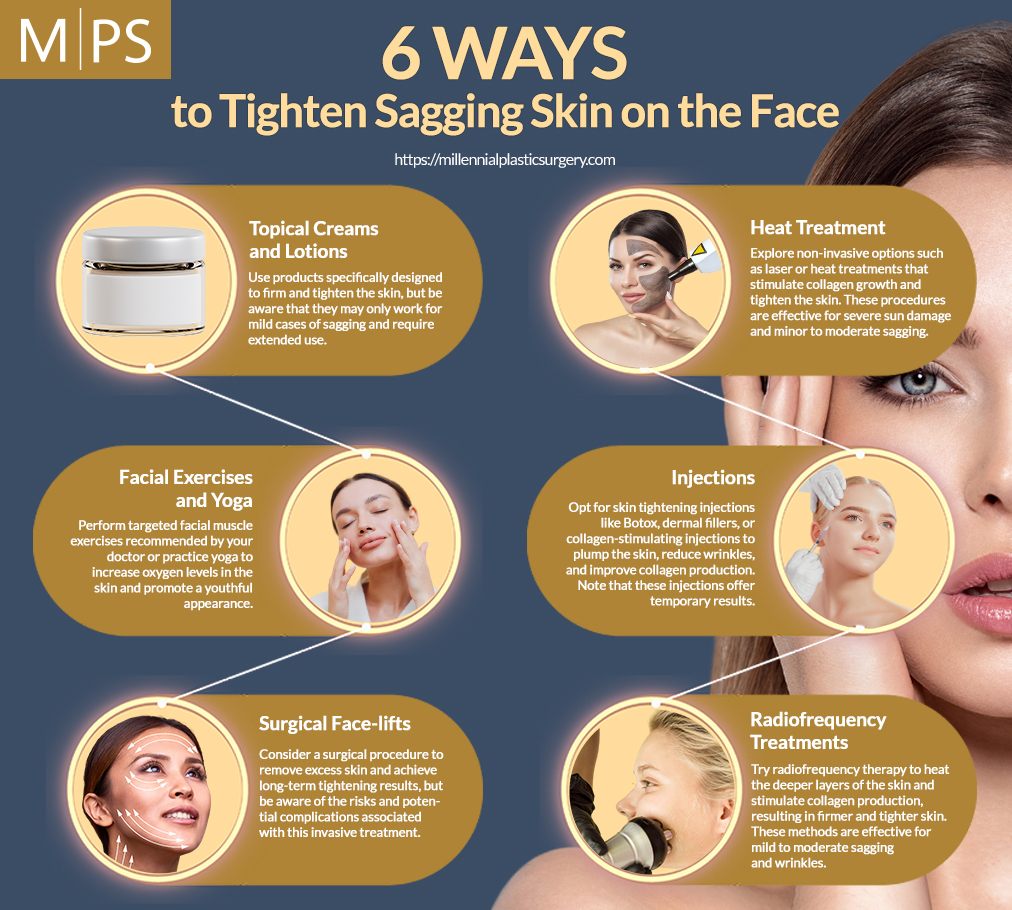
1. Energy-Based Micro-Invasives: The Power of Radiofrequency
Radiofrequency (RF) technology has become the gold standard for rapid skin tightening. Unlike topical treatments that struggle to penetrate the basement membrane of the skin, RF energy bypasses the surface to deliver heat directly to the dermis. This controlled thermal injury triggers a “wound healing response,” causing immediate collagen contraction and long-term neocollagenesis.
The Mechanics of Monopolar and Bipolar RF
The “speed” of RF tightening is largely due to how the energy is delivered. Monopolar RF, such as the technology found in Thermage, uses a single electrode to send energy deep into the tissue. This creates a uniform heating profile that can tighten large areas, like the jawline or abdomen, in a single session. Bipolar RF, conversely, uses two electrodes to control the path of the current, allowing for more localized, superficial tightening. The tech is governed by sophisticated impedance-monitoring software that adjusts the power output in real-time based on the skin’s resistance, ensuring maximum safety and efficiency.
RF Microneedling: A Digital Fusion
Perhaps the most significant advancement in this niche is the marriage of mechanical needling and radiofrequency energy. Devices like Morpheus8 or Potenza use a matrix of gold-plated needles that act as conductors. Once the needles reach a pre-programmed depth—controlled by precision motors—they release a burst of RF energy. This dual-action approach creates a much faster tightening effect than either treatment could achieve alone. The digital interface allows practitioners to customize the depth (from 0.5mm to 4mm) and energy intensity, making it a highly programmable solution for rapid skin remodeling.
2. High-Intensity Focused Ultrasound (HIFU) and Visualization Tech
While RF focuses on the dermis, High-Intensity Focused Ultrasound (HIFU) targets the Structural Muscular Aponeurotic System (SMAS)—the same layer of tissue that surgeons manipulate during a traditional facelift. This technology represents a massive leap in “quick” results because it addresses the foundational cause of sagging skin without a single incision.
Deep Tissue Targeting via Micro-Focused Energy
HIFU devices, such as Ultherapy, use transducers to deliver micro-focused ultrasound waves to specific depths. These waves converge at a single point, generating intense heat that creates “thermal coagulation points.” This heat causes the SMAS layer to contract instantly. Because the energy is so focused, the surrounding tissue remains unaffected, which minimizes downtime. The technology is essentially “smart” lifting; it uses the body’s own regenerative capacity but accelerates the timeline through high-energy precision.
The Role of Real-Time Ultrasound Imaging
What differentiates professional-grade HIFU from lower-tier gadgets is the integration of real-time ultrasound imaging. This allows the technician to see the layers of skin and muscle they are treating on a high-definition monitor. In the world of aesthetic tech, visualization is key to speed. By ensuring the energy is delivered exactly where the collagen-producing cells are most dense, the treatment avoids “wasted” pulses, leading to more dramatic tightening in fewer sessions. This level of digital oversight ensures that the “quick” result does not come at the expense of safety or accuracy.

3. Laser Synthesis and Photomodulation
Light-based technology has transitioned from simple hair removal to complex skin architecture. When users seek rapid tightening, fractional lasers and high-output Light Emitting Diodes (LEDs) provide a tech-heavy solution that works on both the surface texture and deep-seated elasticity.
Fractional CO2 and Erbium Lasers
Traditional lasers were “ablative,” meaning they removed the top layer of skin entirely, requiring weeks of healing. Modern “fractional” technology changed this. By using a computer-generated pattern to create thousands of microscopic “columns” of thermal damage, the laser leaves surrounding tissue intact. This “bridge” of healthy skin allows for rapid re-epithelialization. The result is a tightening effect that becomes visible within days as the skin’s surface “shrinks” to close the micro-channels, followed by a surge in collagen production.
Cold Laser and Low-Level Light Therapy (LLLT)
On the non-thermal side of the spectrum, cold lasers and medical-grade LED arrays utilize photobiomodulation. This tech uses specific wavelengths (typically 633nm red and 830nm near-infrared) to “overclock” the mitochondria within skin cells. By increasing Adenosine Triphosphate (ATP) production, the cells gain the energy required to repair fibers and tighten the extracellular matrix faster. While less dramatic than a CO2 laser, the lack of downtime makes it a popular “tech-fix” for those needing a quick boost in skin tone before an event.
4. The Integration of AI and Personalization in Aesthetic Tech
The future of fast skin tightening is increasingly data-driven. We are moving away from “one-size-fits-all” settings toward AI-augmented procedures that analyze skin density and moisture levels before a single pulse of energy is delivered.
AI-Driven Skin Analysis Tools
Before a tightening procedure even begins, advanced diagnostic tools like the VISIA Skin Analysis system use multi-spectral imaging to map the face. AI algorithms identify areas of low elasticity and subsurface structural weakness. By quantifying these metrics, the software can suggest the exact energy parameters needed for a specific patient. This level of personalization ensures that the treatment is optimized for “quickness”—eliminating the trial-and-error phase that often plagues traditional skincare routines.
IoT and Smart Maintenance Devices
The technology doesn’t stop at the clinic. The rise of “Beauty-Tech” at home, featuring IoT-connected microcurrent devices, allows patients to maintain their professional results. These devices sync with smartphone apps to guide the user through protocols that mimic the lifting effects of professional machines. By using low-grade electrical currents to “re-train” facial muscles, these gadgets provide an immediate, albeit temporary, “flash” tightening effect that complements the deeper biological changes triggered by clinical machines.

5. The Synthesis: Why Technology Wins the Race for Firmness
When evaluating what tightens skin quickly, it is clear that the answer lies in the controlled application of physics. Biology is inherently slow; collagen takes weeks to mature. However, technology provides the “short circuit” to this biological timeline. By using precise wavelengths, calibrated thermal energy, and AI-assisted diagnostics, we can force a physiological response that nature would never initiate on its own.
The shift toward these high-tech modalities reflects a broader trend in the “Longevity Tech” sector. Consumers are increasingly viewing their skin as a biological asset that can be managed through regular technical “upgrades” rather than just a surface to be painted with creams. As software continues to improve the accuracy of energy delivery and hardware becomes more powerful, the window for achieving visible skin tightening will likely continue to shrink.
In conclusion, the intersection of software precision and hardware power has redefined our expectations of aesthetic recovery. Whether it is through the molecular vibration of radiofrequency, the deep structural targeting of ultrasound, or the regenerative light of fractional lasers, technology has provided the definitive answer to the demand for rapid skin tightening. In the modern era, the most effective “facelift” is the one powered by a microchip.
aViewFromTheCave is a participant in the Amazon Services LLC Associates Program, an affiliate advertising program designed to provide a means for sites to earn advertising fees by advertising and linking to Amazon.com. Amazon, the Amazon logo, AmazonSupply, and the AmazonSupply logo are trademarks of Amazon.com, Inc. or its affiliates. As an Amazon Associate we earn affiliate commissions from qualifying purchases.