
For millions of Americans managing chronic conditions, understanding the cost of their prescription medications is as critical as understanding their diagnosis. Among the myriad of drugs, Xarelto (rivaroxaban) stands out as a widely prescribed anticoagulant, vital for preventing blood clots in patients with conditions like atrial fibrillation, deep vein thrombosis, and pulmonary embolism. However, for many, the pivotal question isn’t just about its medical efficacy, but its financial accessibility: “What tier is Xarelto?” This seemingly simple question unlocks a complex landscape of insurance formularies, personal finance implications, and strategic choices for managing healthcare expenditures.

Understanding Prescription Drug Tiers: The Foundation of Healthcare Costs
To truly grasp Xarelto’s tier placement, one must first understand the fundamental structure of prescription drug tiers established by health insurance companies. These tiers are a classification system designed to determine how much you, the insured, will pay out-of-pocket for your medications. They are the backbone of your prescription benefits, directly influencing your co-payment, co-insurance, and overall financial burden.
How Insurance Formularies Work
Every health insurance plan maintains a “formulary,” which is a list of prescription drugs it covers. This list is not arbitrary; it’s meticulously constructed by a team of pharmacists and physicians, considering factors such as a drug’s efficacy, safety, cost, and availability of generic alternatives. Drugs are then assigned to different tiers within this formulary. Crucially, formularies can vary significantly between insurance providers and even between different plans offered by the same provider. What’s a Tier 2 drug on one plan might be a Tier 3 or even excluded on another.
Common Tier Structures and Their Impact
While the specific number and names of tiers can differ, most formularies follow a general pattern that dictates your cost-sharing:
- Tier 1: Generic Drugs. These are typically the lowest-cost medications. They are chemically identical to their brand-name counterparts, but because their patents have expired, multiple manufacturers can produce them, driving prices down. Your co-pay for a Tier 1 drug is usually the lowest, often a fixed, small amount.
- Tier 2: Preferred Brand-Name Drugs. These are brand-name medications that have been negotiated by the insurer for a favorable price. While more expensive than generics, they are preferred over other brand-name options in the same therapeutic class. Your co-pay for Tier 2 drugs will be higher than Tier 1 but still manageable.
- Tier 3: Non-Preferred Brand-Name Drugs. These are brand-name medications that the insurer covers but at a higher cost to you. This could be because there’s a preferred alternative in Tier 2, or the manufacturer’s price negotiations were less favorable. Expect significantly higher co-pays or co-insurance for Tier 3 drugs.
- Tier 4 (or Specialty Tier): Specialty Drugs. This tier is reserved for very high-cost, often complex medications used to treat serious, chronic conditions like cancer, multiple sclerosis, or certain autoimmune diseases. These drugs may require special handling or administration. Co-pays for specialty drugs can be very high, often a percentage (co-insurance) of the drug’s total cost, leading to thousands of dollars in annual out-of-pocket expenses.
The higher the tier, the more you pay. This tiered structure is a fundamental tool for insurers to manage costs and incentivize the use of more affordable, equally effective medications whenever possible.
Xarelto’s Position in the Pharmaceutical Landscape
Xarelto is a brand-name oral anticoagulant, part of a class of drugs known as direct oral anticoagulants (DOACs). It entered the market as an innovative alternative to older anticoagulants like warfarin, offering convenience (no regular blood tests required for dose adjustments) and a different safety profile. Its unique position as a relatively newer, high-impact drug significantly influences its typical tier placement.
Xarelto as a Brand-Name Anticoagulant
As a brand-name medication developed by Bayer and marketed by Johnson & Johnson’s Janssen Pharmaceuticals in the U.S., Xarelto benefited from patent protection for many years. This exclusivity allowed its manufacturers to set prices without direct generic competition. Brand-name drugs, especially those for chronic conditions that require long-term use, inherently carry a higher price tag than their generic equivalents. This foundational cost is the primary driver for its placement in higher insurance tiers.
Factors Influencing Its Tier Placement
Several elements determine where Xarelto lands on a formulary:
- Efficacy and Safety Profile: Its proven effectiveness and specific safety advantages over older drugs contribute to its continued use, despite cost.
- Patent Protection and Generic Availability: For many years, Xarelto had no generic competitors. The introduction of generic rivaroxaban by late 2023 in the U.S. marks a significant shift. Before generics, its brand-name status almost guaranteed a higher tier. Now, depending on the plan and negotiations, the brand-name Xarelto might be increasingly pushed into even higher, non-preferred tiers as generics become available in lower tiers.
- Market Competition: While it was a relatively new class, other DOACs like Eliquis (apixaban) and Pradaxa (dabigatran) offered alternatives. The competition among these brand-name drugs could influence how aggressively insurers negotiate prices and subsequently tier them.
- Insurer Negotiations: The pharmaceutical industry engages in complex negotiations with pharmacy benefit managers (PBMs) and insurance companies. These negotiations heavily influence which drugs are preferred and at what tier. Larger insurers or PBMs might secure better rebates, allowing them to place a drug like Xarelto in a slightly more favorable tier than smaller plans.
Decoding Xarelto’s Typical Tier Placement
Given these factors, where does Xarelto typically fall? For a long time, and still for the brand-name version, Xarelto usually resides in the higher tiers of most insurance formularies.
Generally a Higher-Tier Medication (Tier 3 or Specialty)
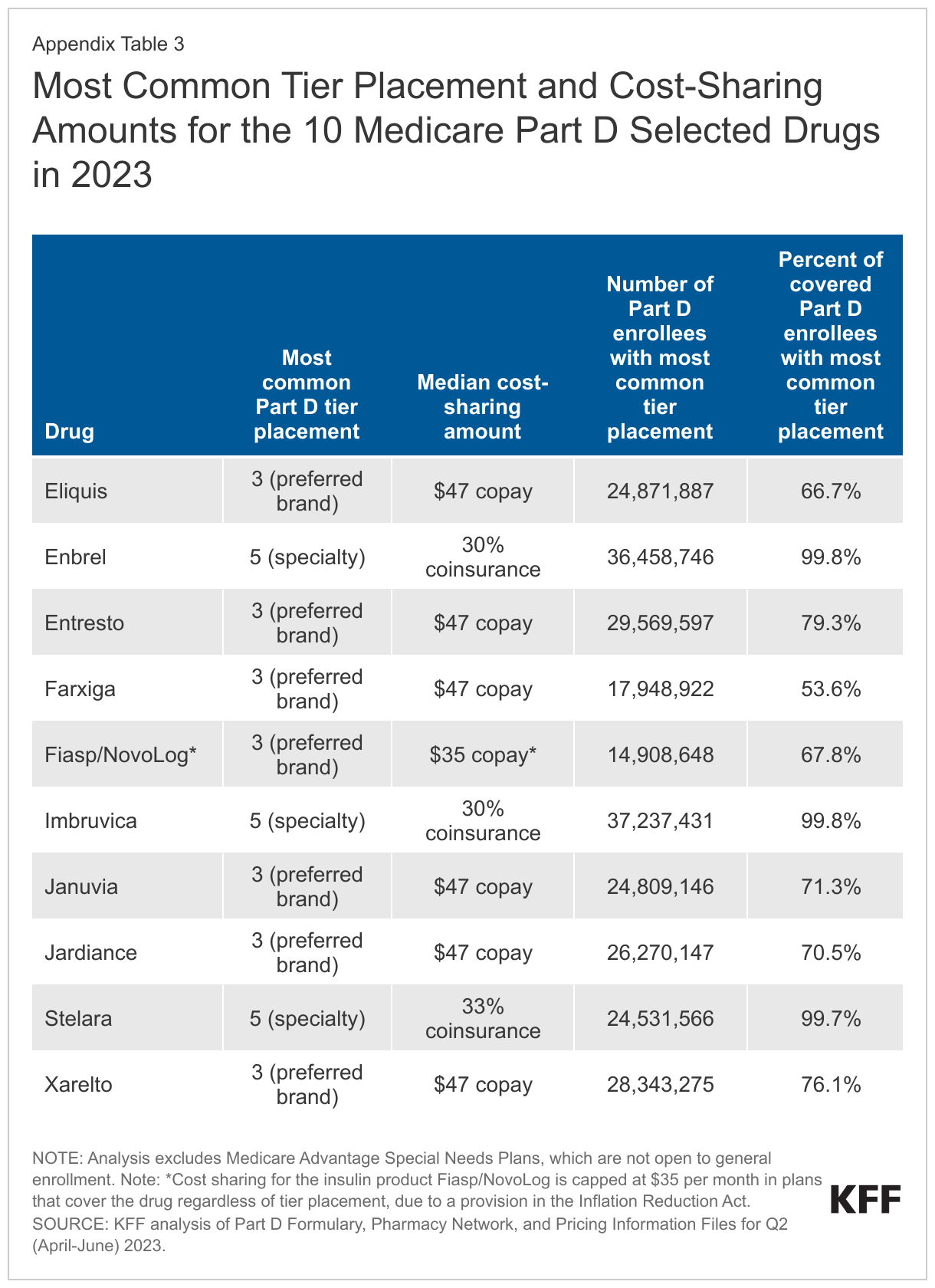
Prior to generic availability, brand-name Xarelto was almost universally found in Tier 3 (Non-Preferred Brand-Name) or, for some plans, even in the Specialty Tier (Tier 4). This placement reflected its high cost, its status as a brand-name drug with no generic equivalent, and its use in serious, chronic conditions.
Now, with generic rivaroxaban entering the market, the situation is evolving. Insurance plans will increasingly move the brand-name Xarelto to the highest non-preferred tiers or even to an “excluded” status if a generic is available and preferred. The generic rivaroxaban, conversely, will likely be placed in Tier 1 or Tier 2, significantly reducing out-of-pocket costs for those who can switch.
Variability Across Different Insurance Plans
It’s crucial to reiterate that there is no universal “Xarelto tier.” Its placement varies considerably based on your specific insurance plan:

- Commercial PPO/HMO Plans: Most commercial plans would have historically placed brand-name Xarelto in Tier 3, requiring a higher co-pay or co-insurance. As generics roll out, expect brand-name Xarelto to move to the least favorable tiers, with generic rivaroxaban becoming the preferred option in lower tiers.
- Medicare Part D Plans: For beneficiaries on Medicare Part D, Xarelto’s tier status depends entirely on the specific plan chosen. Part D plans have their own formularies, and some may cover Xarelto more favorably than others, though generally still in higher tiers due to its cost. Generic availability will also heavily impact Part D coverage moving forward.
- Employer-Sponsored vs. Individual Plans: Larger employer plans might have more negotiating power, potentially resulting in slightly better tiering for some brand-name drugs, but this is less common for very high-cost medications.
Why it Matters: High Co-pays and Deductibles
Being in Tier 3 or Specialty Tier means significantly higher out-of-pocket expenses. For a drug like brand-name Xarelto, this could translate to:
- High Co-pays: Fixed amounts ranging from $50 to $200 or more per prescription.
- Co-insurance: A percentage of the drug’s total cost, which, for an expensive medication, can easily amount to hundreds of dollars per month.
- Deductibles: You may need to pay the full cost of the drug until you meet your annual deductible, potentially thousands of dollars.
- Coverage Gaps (Donut Hole): For Medicare Part D, higher-tier drugs can quickly push beneficiaries into the “donut hole” (coverage gap), where they pay a larger percentage of drug costs until catastrophic coverage begins.
These costs can be a significant financial burden, influencing medication adherence and overall financial stability for individuals and families.
Strategies for Managing Xarelto’s Costs
Given Xarelto’s typical high-tier placement for its brand-name version, proactive financial management strategies are essential.
Reviewing Your Insurance Plan’s Formulary
The first and most critical step is to obtain your specific plan’s formulary. This document, usually available on your insurer’s website, will explicitly list Xarelto’s tier status and the associated cost-sharing. Reviewing this annually, especially during open enrollment, is vital. If your plan’s formulary places Xarelto (or its generic) in an unfavorable tier, exploring alternative plans that offer better coverage for your specific medications could yield substantial savings.
Exploring Patient Assistance Programs (PAPs)
Pharmaceutical manufacturers often offer Patient Assistance Programs (PAPs) to help eligible individuals afford their medications, especially high-cost brand-name drugs. Janssen CarePath, for Xarelto, is one such program that can provide co-pay assistance or even free medication for qualifying patients. Various non-profit organizations also offer financial aid for prescription drugs. Thorough research into these programs can significantly reduce your financial burden.
Discussing Alternatives with Your Doctor
It’s always worthwhile to have an open conversation with your healthcare provider about potential alternatives.
- Generic Rivaroxaban: With generic rivaroxaban now available, this is often the most impactful way to reduce costs. Discuss with your doctor if switching to the generic is medically appropriate for you.
- Other Anticoagulants: If generic rivaroxaban is not an option or still too costly, inquire about other DOACs or even older anticoagulants like warfarin. While warfarin requires more frequent monitoring, it is significantly cheaper and may be suitable for some patients.
- Step Therapy and Prior Authorization: Your insurer might require “step therapy” (trying a less expensive drug first) or “prior authorization” (your doctor needing to justify why Xarelto is medically necessary) before covering Xarelto. Understanding these requirements can prevent coverage delays or denials.
Utilizing Prescription Discount Cards and Coupons
Various services offer prescription discount cards and coupons that can significantly reduce the cash price of medications, sometimes even beating insurance co-pays for certain drugs. Websites like GoodRx, SingleCare, and others aggregate these discounts. While they typically don’t count towards your deductible, they can offer immediate relief, especially if you’re in a high-deductible phase or have limited insurance coverage. Manufacturer coupons for brand-name drugs are also common.
Considering High-Deductible Health Plans with HSAs for Tax Benefits
For those managing high-cost, chronic medications, a high-deductible health plan (HDHP) paired with a Health Savings Account (HSA) can be a powerful financial tool. While an HDHP means higher out-of-pocket costs initially, an HSA allows you to contribute pre-tax dollars (or tax-deductible if self-employed) that grow tax-free and can be used tax-free for qualified medical expenses, including prescriptions. This tax advantage can offset some of the higher costs associated with drugs like Xarelto, especially if you anticipate reaching your deductible annually.
The Financial Implications of Adherence and Non-Adherence
Beyond the immediate cost, there’s a broader financial perspective related to taking or not taking Xarelto as prescribed. The cost of non-adherence can far outweigh the cost of the medication itself.
The Cost of Untreated Conditions
Xarelto is prescribed to prevent life-threatening conditions like strokes and pulmonary embolisms. If cost barriers lead to non-adherence, the risk of these events dramatically increases. A stroke, for instance, can lead to extensive hospital stays, rehabilitation, long-term disability, loss of income, and immense personal suffering, with financial costs that can easily run into hundreds of thousands of dollars. From a purely financial standpoint, paying for Xarelto, even at a high tier, is often a far more economical choice than facing the consequences of the conditions it prevents.
Long-Term Financial Planning for Chronic Medications
For individuals requiring long-term medication like Xarelto (or its generic), integrating prescription costs into overall financial planning is crucial. This includes budgeting for annual deductibles, co-pays, and potential coverage gaps. Exploring options like HSAs, emergency funds dedicated to healthcare expenses, and understanding the nuances of your insurance coverage can ensure that financial constraints do not compromise your health outcomes.
In conclusion, while Xarelto as a brand-name drug has historically been a higher-tier medication (Tier 3 or Specialty), the landscape is rapidly changing with the advent of generic rivaroxaban. Understanding these tiers, actively reviewing your insurance options, and leveraging available financial assistance programs are indispensable steps for managing the costs associated with this vital medication and maintaining both your health and financial well-being.
aViewFromTheCave is a participant in the Amazon Services LLC Associates Program, an affiliate advertising program designed to provide a means for sites to earn advertising fees by advertising and linking to Amazon.com. Amazon, the Amazon logo, AmazonSupply, and the AmazonSupply logo are trademarks of Amazon.com, Inc. or its affiliates. As an Amazon Associate we earn affiliate commissions from qualifying purchases.