
In the landscape of modern marketing and storytelling, few figures occupy as much psychological real estate as the Grinch. While Dr. Seuss’s creation originated in a 1957 children’s book, the character has transcended literature to become a multi-billion-dollar franchise. From a branding perspective, the Grinch is not merely a holiday antagonist; he is a study in visual consistency, emotional resonance, and the power of the narrative pivot. When we strip away the festive trappings and look at the Grinch through the lens of brand strategy, we can distill his essence into three powerful words: Disruptive, Authentic, and Transformative.

These three descriptors do more than just characterize a fictional creature; they provide a blueprint for how brands can capture attention, maintain identity, and evolve without losing their core audience. In an era where consumer sentiment shifts overnight, the Grinch remains a masterclass in how to manage a legacy identity while remaining relevant across generations.
Word One: Disruptive – Challenging the Market Status Quo
To be “disruptive” in the world of branding is to break the existing patterns of consumer behavior and force a reconsideration of the status quo. The Grinch is the ultimate market disruptor. While the inhabitants of Whoville are fully invested in the “monopoly” of Christmas—a high-saturation, high-sentiment market—the Grinch operates as the outsider who identifies a fundamental flaw in their consumerist cycle.
Pattern Interruption as a Marketing Tool
The Grinch’s entire existence is defined by his opposition to the “Whoville Brand.” In marketing terms, he utilizes pattern interruption. While every other entity in his environment is leaning into warmth, light, and noise, the Grinch introduces silence, shadow, and cynicism. This contrast is what makes him so memorable.
For a brand to be successful, it must occupy a distinct space that is not currently being served. The Grinch owns the “Anti-Holiday” niche. By positioning himself as the antithesis of the prevailing culture, he ensures that he is always a part of the conversation. You cannot talk about the joy of Whoville without acknowledging the shadow on Mount Crumpit. This is a lesson for challenger brands: you do not always need to compete on the leader’s terms. Sometimes, the most effective strategy is to highlight what the market leader is missing.
Identifying the Emotional Pain Points
The Grinch’s disruption is not aimless; it is targeted. He identifies the “pain points” of the Christmas season—the noise, the gluttony, and the superficiality—and uses them to fuel his campaign. In business, disruption occurs when a brand recognizes that the current way of doing things is inefficient or unauthentic. The Grinch’s attempt to “stop” Christmas was a radical attempt to disrupt a supply chain of joy that he felt was unearned. While his methods were extreme, his brand positioning was crystal clear: he stood for the quiet, the isolated, and the overlooked.
Word Two: Authentic – The Value of a Niche Persona
In the modern marketplace, “authenticity” is often cited as the most important factor in consumer loyalty. People do not just buy products; they buy into the “why” behind the brand. The Grinch is arguably one of the most authentic characters in the literary canon because his motivations, however misguided initially, are deeply rooted and consistently expressed.
Owning the Anti-Hero Archetype
The Grinch does not suffer from a brand identity crisis. He knows exactly who he is: a loner who dislikes the communal excess of his neighbors. This consistency is his greatest brand asset. Consumers—and readers—trust the Grinch because he is predictable. You know exactly what his reaction will be to a “Who-toast” or a “Cink-carter.”
For a brand, being authentic means staying true to your core values even when they aren’t “popular.” There is a significant market segment that finds traditional holiday cheer overwhelming or performative. By leaning into his “grumpiness,” the Grinch becomes the standard-bearer for that segment. He is the original “Relatable Villain.” Brands like Liquid Death or dbrand have found massive success by adopting this “Grinch-like” persona—using honesty, sarcasm, and a refusal to play by the rules of polite marketing to build a cult-like following.
Building Brand Equity Through Emotional Resonances
Authenticity creates equity. The Grinch’s brand is so strong that his visual markers—the specific shade of “Grinch Green,” the iconic sneer, and the tuft of hair—are instantly recognizable even without a logo. This level of brand equity is only possible when a character is allowed to be fully realized.
The Grinch’s authenticity is also found in his vulnerability. His “heart being two sizes too small” isn’t just a physical descriptor; it’s a brand origin story. It gives his cynicism a root cause. Modern branding requires this level of depth. A brand that is “all sunshine and rainbows” often feels hollow to the savvy consumer. By acknowledging the “small heart”—the flaws and the struggles—the Grinch becomes more than a caricature; he becomes a brand that people can see themselves in.
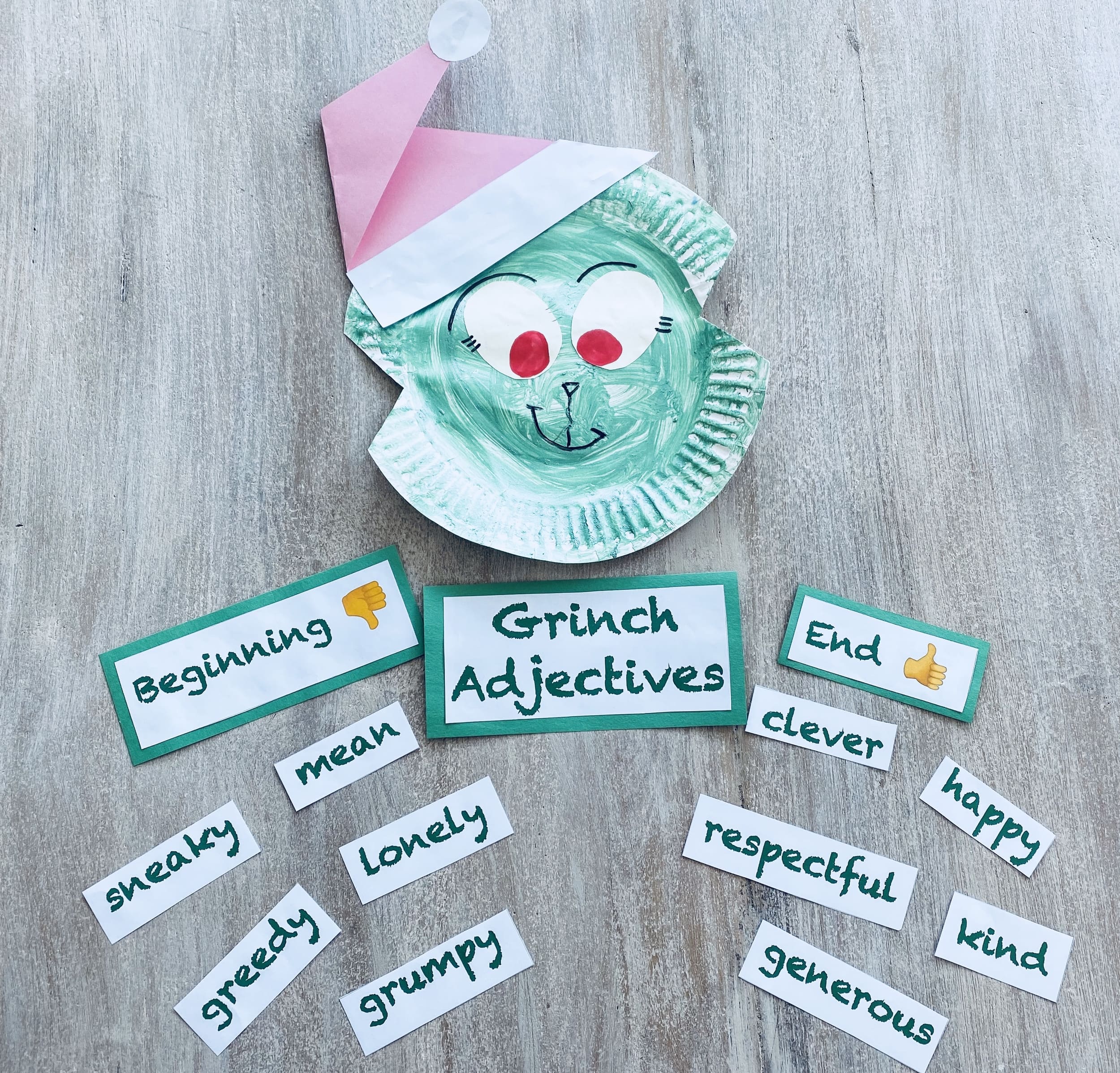
Word Three: Transformative – Navigating the Ultimate Brand Pivot
The most difficult challenge for any brand is the “pivot.” How do you change your core offering or your public image without alienating your existing base? The Grinch provides the gold standard for a successful brand transformation. His evolution from a thief to a participant in the Whoville feast is not a betrayal of his character, but a maturation of his brand.
The “Heart Growth” Strategy: Rebranding for Longevity
The Grinch’s transformation is a lesson in how to expand a brand’s reach. If he had remained purely a villain, his “market share” would have been limited to a narrow niche of antagonism. By experiencing a change of heart, he becomes a universal symbol of redemption.
In corporate terms, this is akin to a company like Netflix transitioning from a mail-order DVD service to a global streaming giant and content studio. The core mission (providing entertainment) remained the same, but the delivery and the public perception shifted. The Grinch’s core mission shifted from “stopping Christmas” to “understanding Christmas,” allowing him to integrate into the Whoville ecosystem while maintaining his unique identity. He didn’t become a Who; he became a Grinch who loves Christmas. This distinction is vital for brand longevity: evolve the message, but keep the DNA.
Lessons in Crisis Management and Public Relations
The climax of the Grinch’s story is essentially a masterclass in crisis management. After “stealing” the market (the toys and food), he realizes the error of his strategy. Instead of doubling down on a failing campaign, he executes a 180-degree turn. He returns the assets, apologizes through action, and re-engages with his stakeholders (the Whos).
The speed and sincerity of this pivot are why he is welcomed at the table. For modern brands, the lesson is clear: when a strategy fails or a brand reputation is damaged, the path to recovery lies in radical transparency and a demonstratable change in behavior. The Grinch’s transformation was not a PR stunt; it was an internal shift that manifested in external action.
Implementing “Grinch Logic” into Your Brand Strategy
The Grinch’s enduring popularity proves that a well-defined brand can survive for decades if it understands its core pillars. Whether you are a solo entrepreneur, a marketing executive, or a creative director, there are several “Grinch Logic” takeaways that can be applied to any brand strategy.
1. Emotional Storytelling as a Conversion Tool
The Grinch doesn’t sell a product; he sells a narrative arc. People connect with the struggle between isolation and community. When building a brand, focus on the narrative. What is the conflict your brand is solving? What is the transformation your customer will undergo when they engage with you? A brand that tells a story is always more memorable than one that simply lists features.
2. The Power of Visual Consistency
The Grinch’s visual identity is ironclad. From the 1966 animated special to the 2000 live-action film and the 2018 CGI version, the “Grinch Green” and his distinctive silhouette remain constant. This visual consistency ensures that the brand is recognizable across different mediums and eras. Ensure your brand has a “visual vernacular” that is so strong it can be recognized even when the logo is removed.
3. Lean Into the “Outer Rim”
Whoville is the center of the market, but the Grinch lives on the edge. Sometimes, the best brand strategy is to stop trying to compete in the crowded center and move to the “Outer Rim.” By serving the “misfits” or the “contrarians,” you can build a loyal base that the mainstream brands are ignoring.

The Lifecycle of a Legacy Brand
What three words describe the Grinch? Disruptive, Authentic, and Transformative. These words explain why he hasn’t faded into the background of holiday history. He represents the cyclical nature of branding: the initial disruption of the market, the establishment of an authentic (and often niche) identity, and the eventual transformation into a broader, more inclusive legacy.
The Grinch reminds us that even the most “unlikable” brand can find its way to the head of the table if it is willing to grow. In the world of business, being a “Grinch” isn’t a bad thing—it means you have the courage to be different, the integrity to be yourself, and the capacity to change when the time is right. As we look at the evolution of brands in the digital age, those that embrace these three qualities are the ones that will continue to grow their “hearts” (and their market share) for years to come.
aViewFromTheCave is a participant in the Amazon Services LLC Associates Program, an affiliate advertising program designed to provide a means for sites to earn advertising fees by advertising and linking to Amazon.com. Amazon, the Amazon logo, AmazonSupply, and the AmazonSupply logo are trademarks of Amazon.com, Inc. or its affiliates. As an Amazon Associate we earn affiliate commissions from qualifying purchases.