
The evolution of Universal Destinations & Experiences—formerly Universal Parks & Resorts—represents one of the most sophisticated masterclasses in brand architecture and intellectual property (IP) management in the modern era. What was once a singular studio tour in Hollywood has transformed into a global powerhouse of immersive storytelling, strategically positioned to compete at the highest levels of the experience economy. To understand what theme parks are within the Universal Studios umbrella is to understand a deliberate corporate strategy of brand expansion, market segmentation, and the aggressive acquisition and deployment of cultural equity.
By examining the specific parks across the globe, we can see how the Universal brand has shifted from “the place where you see how movies are made” to “the place where you live the movies.” This transition from a passive, educational brand identity to an active, participatory one has allowed the company to redefine its market position and create a multi-dimensional ecosystem of entertainment.
The Domestic Pillars: Anchoring the Brand in North America
The North American market serves as the foundation of the Universal brand identity, split between the historical legacy of the West Coast and the massive, multi-gate resort destination on the East Coast. Each location serves a distinct strategic purpose in the brand’s broader portfolio.
Universal Studios Hollywood: The Legacy Asset
Universal Studios Hollywood is the birthplace of the brand. Strategically, this location maintains a unique identity as both a working film studio and a world-class theme park. The “Studio Tour” remains the central pillar of its brand promise, offering a level of authenticity that competitors cannot replicate. In Hollywood, the brand identity is rooted in heritage and the “magic of filmmaking.” Recent expansions, such as the addition of Super Nintendo World, demonstrate a shift toward modernizing the brand, ensuring it appeals to a younger, digitally native demographic while maintaining its cinematic roots.
Universal Orlando Resort: The Multi-Gate Ecosystem
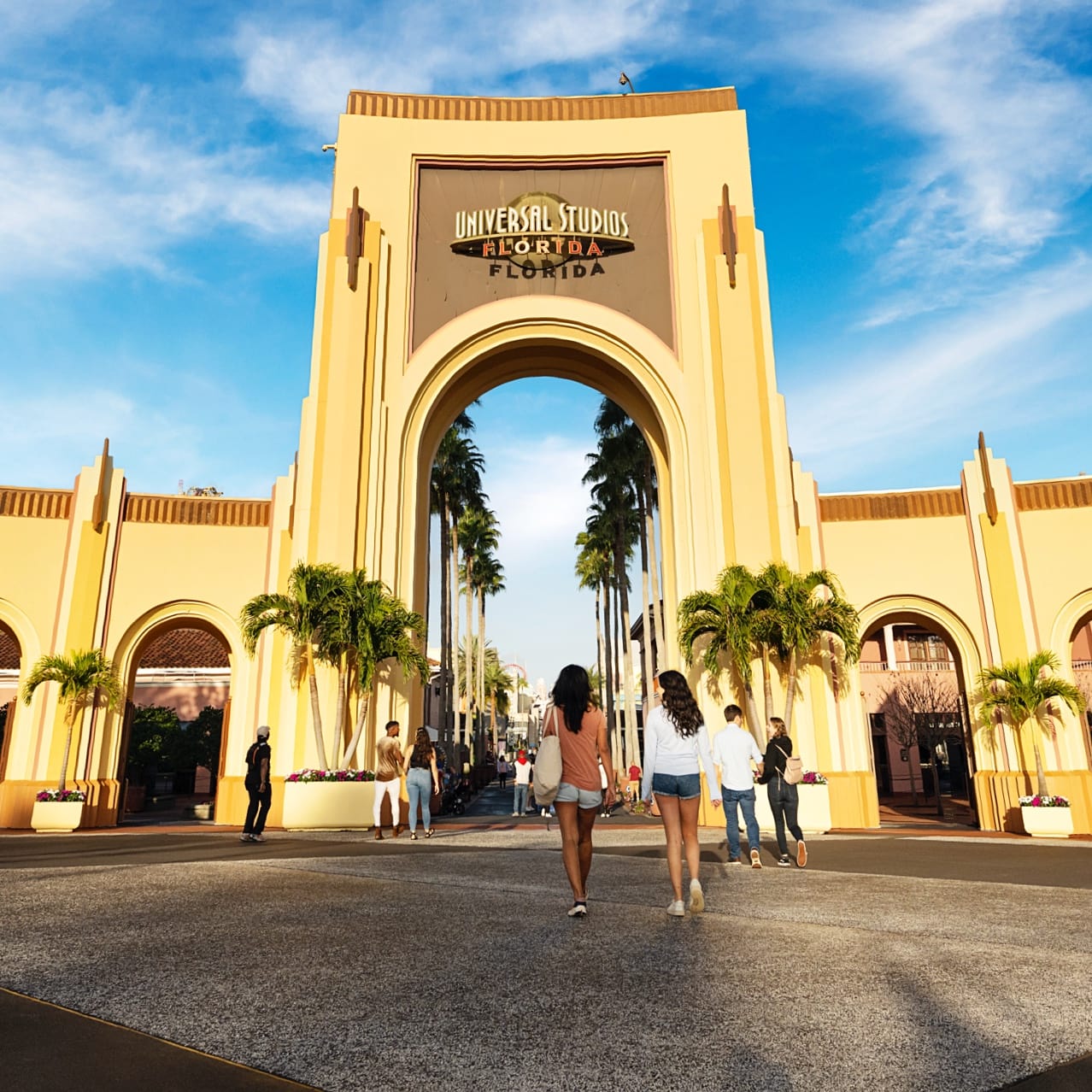
Universal Orlando Resort is the brand’s most complex asset, consisting of two distinct theme parks and a water theme park. This resort represents the peak of Universal’s brand strategy: creating a “destination” rather than a “stopover.”
- Universal Studios Florida: This park focuses on the “ride the movies” brand promise. Its identity is built around high-octane immersion and studio-themed environments.
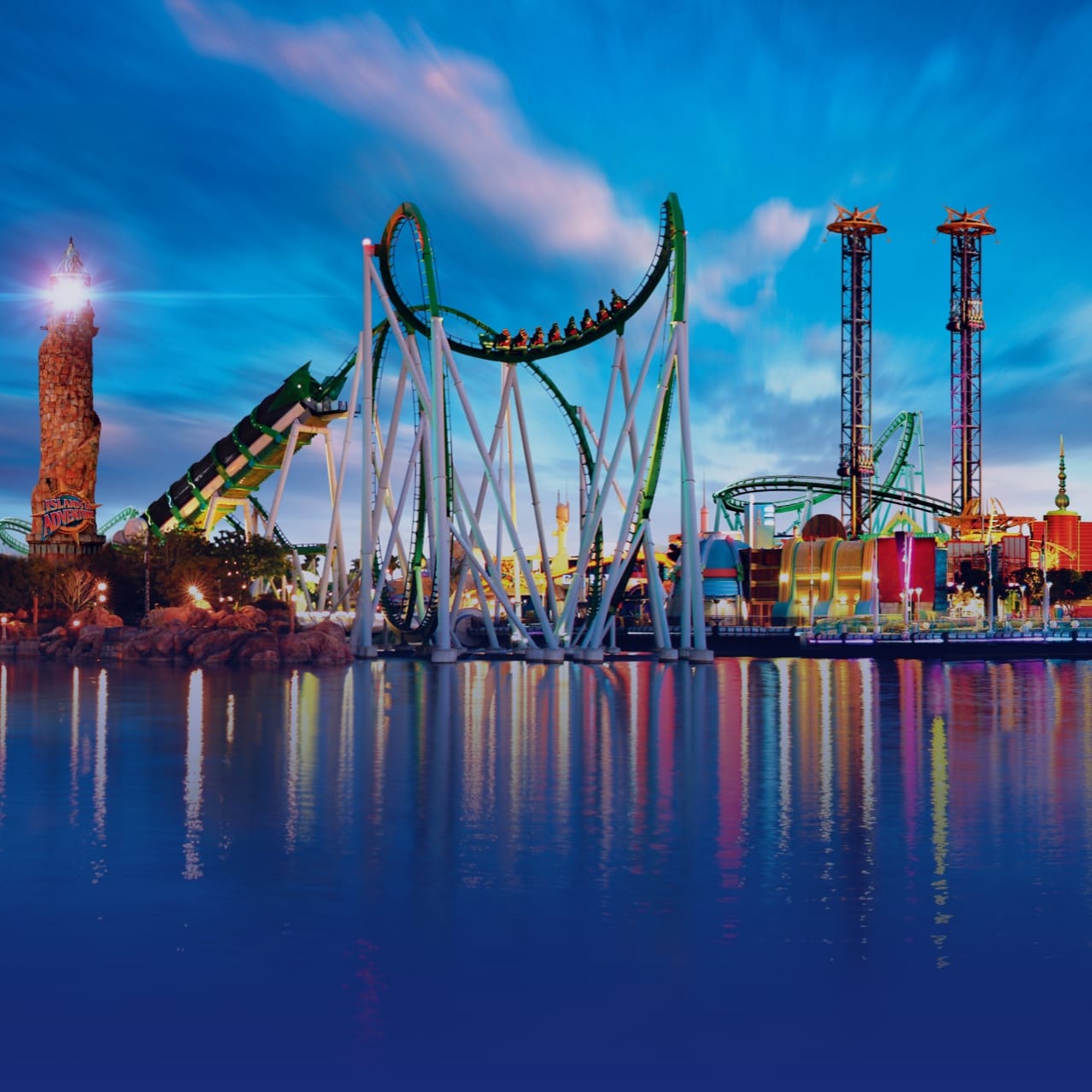
- Universal Islands of Adventure: This park represents a pivot in the brand strategy. By focusing on timeless myths and literature—ranging from Marvel superheroes to Jurassic Park—Islands of Adventure allowed Universal to move beyond its own film library, positioning the brand as a curator of the world’s most powerful stories.
- Universal Volcano Bay: Branded as a “Water Theme Park” rather than a traditional water park, Volcano Bay is a study in premium brand positioning. By utilizing “TapuTapu” technology to eliminate physical lines, Universal branded the experience around relaxation and “island life,” differentiating itself from the chaotic identity often associated with water-based attractions.
International Expansion: Global Consistency vs. Local Relevance
Universal’s international portfolio is a lesson in scaling a brand across diverse cultural landscapes. The strategy involves maintaining a consistent core brand identity—high-quality, IP-driven immersion—while adapting the specific content to resonate with local consumer preferences and partnerships.
Universal Studios Japan (USJ)
Located in Osaka, USJ is perhaps the most commercially successful example of Universal’s brand flexibility. While it features classic Universal IP, it has successfully integrated “Cool Japan” branding, incorporating popular anime, manga, and video game properties. This localization strategy has made USJ a cultural icon in Asia, proving that the Universal brand is not strictly tied to Hollywood cinema but can serve as a vessel for any high-value IP.
Universal Studios Singapore
As part of Resorts World Sentosa, Universal Studios Singapore represents a partnership model of brand management. The park is smaller in physical footprint, requiring a hyper-focused brand strategy that emphasizes efficiency and the most popular global IPs (such as Transformers and Battlestar Galactica). This location serves as a critical brand outpost in Southeast Asia, maintaining brand standards through a licensing and management model.

Universal Beijing Resort
The newest addition to the portfolio, Universal Beijing Resort, is a monumental execution of modern brand strategy. It integrates traditional Chinese cultural elements with massive IP lands like “Kung Fu Panda Land of Awesomeness.” This resort represents the brand’s commitment to the Chinese market, utilizing a “state-of-the-art” identity to position itself as the premier high-tech entertainment destination in the region.
The Evolution of Epic Universe and Future Brand Extensions
Universal is currently undergoing its most significant brand evolution since the opening of Islands of Adventure. The development of “Universal Epic Universe” in Orlando and new regional concepts signal a shift toward a more diversified and accessible brand portfolio.
Universal Epic Universe: The Hub-and-Spoke Revolution
Opening in 2025, Epic Universe is not just a new park; it is a new brand philosophy. The “Celestial Park” hub-and-spoke design is intended to make the theme park experience more integrated with hospitality and dining. By creating distinct “portals” to worlds like Dark Universe (Universal Monsters) and Super Nintendo World, the brand is emphasizing the “world-building” aspect of its identity. This allows for total immersion, where the brand of the “land” is just as powerful as the brand of the “park.”
Segmenting the Market: Universal Kids Resort and Horror Unleashed
The Universal brand is also diversifying horizontally. Universal Kids Resort, currently under development in Frisco, Texas, represents a strategic move into the regional, family-focused market. By creating a smaller-scale, more accessible product, Universal is targeting a demographic that may not be ready for the intense thrills of its flagship parks.
Conversely, Universal Horror Unleashed—a permanent horror experience coming to Las Vegas—leverages the company’s “Halloween Horror Nights” equity. This move signals a transition from seasonal branding to a year-round “master of horror” identity, capitalizing on a niche but highly loyal fan base.
Brand Synergy and the Role of Licensed Intellectual Property
A defining characteristic of the Universal Studios brand is its “open-platform” approach to IP. Unlike competitors who primarily utilize in-house characters, Universal has mastered the art of brand synergy through strategic partnerships. This approach has transformed Universal into the “Switzerland of Theme Parks,” where the strongest brands in the world come to be brought to life.
The Harry Potter Effect
The integration of The Wizarding World of Harry Potter was a watershed moment in brand history. Universal proved that by dedicating immense resources to a single, high-fidelity IP, they could drive unprecedented growth in park attendance and per-capita spending. This move forced a shift in the entire industry toward “highly themed lands” rather than “attractions.” From a brand perspective, Harry Potter gave Universal the “prestige” identity it needed to compete for the top spot in the global market.
Nintendo and the Future of Interactive Branding
The partnership with Nintendo represents the next phase of Universal’s brand identity: interactivity. By moving away from screen-based media and toward gamified physical environments, Universal is rebranding the theme park experience as an active sport. This aligns the brand with the trends of the gaming industry, ensuring relevance in an era where consumers demand agency and participation in their entertainment.
Corporate Identity and Comcast Synergy
Universal’s brand is inextricably linked to the broader Comcast/NBCUniversal ecosystem. The parks serve as physical touchpoints for the company’s film and television output (Illumination’s Minions, DreamWorks animation, etc.). This vertical integration ensures that every dollar spent on a film also serves as marketing for the parks, and every visit to a park reinforces the consumer’s connection to the film franchise. It is a closed-loop brand strategy that maximizes the lifecycle value of every piece of intellectual property the company touches.
In conclusion, Universal Studios is no longer just a collection of rides; it is a sophisticated, global portfolio of destination brands. From the historical prestige of Hollywood to the immersive world-building of the upcoming Epic Universe, the brand has successfully positioned itself as the premier provider of high-stakes, IP-driven entertainment. By balancing its own internal library with the world’s most popular licensed stories, Universal has created a resilient and expansive brand architecture that continues to redefine the boundaries of the physical and digital entertainment world.
aViewFromTheCave is a participant in the Amazon Services LLC Associates Program, an affiliate advertising program designed to provide a means for sites to earn advertising fees by advertising and linking to Amazon.com. Amazon, the Amazon logo, AmazonSupply, and the AmazonSupply logo are trademarks of Amazon.com, Inc. or its affiliates. As an Amazon Associate we earn affiliate commissions from qualifying purchases.