
In the landscape of global entertainment, few brand identities are as recognizable or as deeply woven into the fabric of popular culture as AMC Theatres. When a consumer asks, “What theaters are AMC?” they are rarely asking for a simple list of locations. Instead, they are often seeking to understand the distinction between the various sub-brands, technological partnerships, and experience tiers that the company has meticulously curated over the last decade. As the largest movie theater chain in the world, AMC Entertainment Holdings, Inc. has moved far beyond a singular brand identity, developing a sophisticated brand architecture that categorizes the movie-going experience into specific niches designed to capture diverse market segments.

To understand the AMC brand is to understand the evolution of the modern cinema experience. The company does not merely operate screens; it manages a portfolio of experiential brands—AMC, AMC CLASSIC, and AMC DINE-IN—each with a distinct value proposition, visual identity, and target demographic.
The Triad of the AMC Brand Experience
The core of AMC’s market strategy lies in its three-tiered theater branding. This segmentation allows the corporation to manage expectations and provide specialized services across thousands of screens globally, ensuring that the brand remains relevant whether it is located in a high-end urban shopping district or a suburban community hub.
The Flagship AMC Brand: The Standard of Modern Cinema
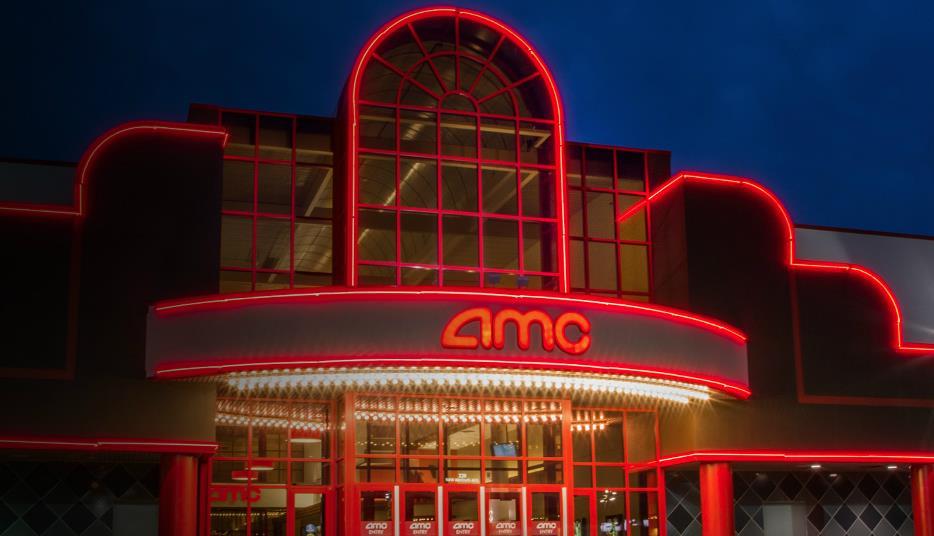
The standard “AMC” branded theaters represent the core identity of the company. These locations are the middle ground of the portfolio, focusing on high-quality presentation, comfortable seating (often featuring the signature red power recliners), and a robust selection of concessions. From a branding perspective, these theaters are designed to be the “reliable choice.” They offer a consistent, professional environment where the technology is modern and the atmosphere is welcoming. The branding here is built on the promise of the “Magic of the Movies,” a concept the company has leaned into heavily in its recent marketing campaigns.
AMC CLASSIC: The Value Proposition
The AMC CLASSIC brand was born largely out of the acquisition of Carmike Cinemas. Rather than rebranding every location to the flagship standard—which would have required massive capital expenditure—AMC strategically launched the CLASSIC sub-brand. These theaters are primarily located in smaller markets and focus on a “fun, friendly, and affordable” identity.
The visual identity of AMC CLASSIC is distinct, often featuring a different logo and a focus on value-driven offerings like the annual popcorn bucket. By segmenting these theaters, AMC protects its premium brand image while maintaining a strong presence in regions where a lower price point is the primary driver of consumer behavior. It is a masterclass in brand protection; it allows the company to operate older facilities without diluting the “premium” expectations associated with their primary brand.
AMC DINE-IN: The Luxury Lifestyle Brand
At the top of the experiential pyramid is AMC DINE-IN. This brand targets the luxury and “date night” demographic, blurring the lines between a traditional cinema and a full-service restaurant. The brand strategy here revolves around convenience and elevated service. By offering a full menu and seat-side service, AMC DINE-IN positions itself as a lifestyle destination. This sub-brand is crucial for competing against “stay-at-home” trends, offering an experience that cannot be replicated in a domestic setting.
Technology as a Brand Asset: The Power of Co-Branding
A significant portion of AMC’s brand equity is derived from its strategic partnerships with third-party technology providers. When a customer looks for an AMC theater, they are often looking for specific technological certifications that have become synonymous with the AMC brand through high-level co-branding efforts.
IMAX at AMC: The Giant Screen Identity
The partnership between AMC and IMAX is one of the most successful co-branding exercises in the entertainment industry. AMC has leveraged the IMAX brand to signal “premium quality” to its audience. By integrating IMAX screens into its theaters, AMC adopts the prestige associated with IMAX’s proprietary projection and sound technology. This isn’t just about the equipment; it’s a branding shortcut that tells the consumer, “This is the best way to see a blockbuster.”
Dolby Cinema at AMC: The Audiophile’s Choice
While IMAX focuses on scale, Dolby Cinema at AMC focuses on sensory precision. This co-branded experience is exclusive to AMC in many markets, creating a powerful competitive advantage. The branding emphasizes “total immersion” through Dolby Vision (visuals) and Dolby Atmos (sound). By putting the Dolby name alongside its own, AMC positions itself as a tech-forward leader that prioritizes the artistic integrity of the filmmaker’s vision.
PRIME at AMC: The Internal Premium Brand
Recognizing the need for a premium experience that didn’t require third-party licensing fees for every screen, the company developed “PRIME at AMC.” This is an internal premium large-format (PLF) brand. It offers many of the features of Dolby or IMAX—such as enhanced sound and reclining seats with haptic feedback—but remains entirely under the AMC branding umbrella. This allows the company to build its own brand equity in theater technology, giving them more control over the guest experience and profit margins.

The AMC Stubs Ecosystem: Marketing Loyalty
In the modern digital economy, a brand is only as strong as its relationship with its recurring customers. AMC has revolutionized its corporate identity through the “AMC Stubs” loyalty program. This is not just a rewards card; it is a multi-tiered membership brand that creates a sense of community and exclusivity among moviegoers.
A-List: The Subscription Revolution
The launch of “AMC Stubs A-List” was a pivotal moment in the brand’s history. By moving to a subscription model, AMC changed the consumer’s relationship with the brand from occasional visitor to “member.” The branding of A-List emphasizes freedom and frequency. It successfully repositioned cinema-going from an expensive luxury to a lifestyle habit. From a brand strategy perspective, A-List provides AMC with a wealth of consumer data, allowing for highly personalized marketing that keeps the brand top-of-mind for its most valuable customers.
Insider and Premiere: Tiered Engagement
The “Insider” (free) and “Premiere” (paid annual fee) tiers serve as entry points into the AMC brand ecosystem. These tiers allow the company to market to different levels of commitment. The “Premiere” tier, in particular, focuses on the “VIP” experience—offering line-skipping privileges and points-earning accelerators. This hierarchy reinforces the brand’s focus on service and rewards, ensuring that every interaction with the theater feels like an investment in future entertainment.
The Nicole Kidman Effect: Humanizing the Corporate Identity
One of the most fascinating developments in AMC’s branding history is its “We Make Movies Better” advertising campaign featuring Academy Award winner Nicole Kidman. In an era where corporate brands often struggle to find an authentic voice, AMC leaned into a high-glamour, emotionally resonant cinematic aesthetic.
Branding Cinema as an Emotional Experience
The Kidman ad does not focus on ticket prices or popcorn flavors. Instead, it focuses on the feeling of sitting in a darkened theater. The tagline—”Heartbreak feels good in a place like this”—became a viral sensation, but more importantly, it redefined the AMC brand. It positioned AMC theaters as “sacred spaces” for storytelling. This campaign was a strategic move to differentiate the brand from streaming services by highlighting the communal and emotional gravity of the theatrical experience.
Turning a Meme into Brand Equity
When the Kidman campaign became a meme, AMC leaned into it. This showed a level of brand self-awareness that is rare for a century-old corporation. By embracing the cultural conversation, AMC modernized its image, making the brand feel relevant to Gen Z and millennial audiences who value authenticity and humor. The campaign successfully associated the AMC brand with the very concept of “The Movies,” effectively claiming ownership of the theatrical experience in the public consciousness.
Brand Diversification: Moving Beyond the Box Office
As the entertainment landscape shifts, the AMC brand is expanding into new territories, proving that its identity is flexible enough to exist outside the four walls of a theater.
The Retail Popcorn Strategy
One of the most notable recent brand extensions is the launch of AMC Perfectly Popcorn in retail stores. By bringing its signature concession product to grocery store shelves, AMC is leveraging its brand equity in a completely different market. The brand message is clear: “You can have the AMC experience at home.” This not only creates a new revenue stream but also serves as a constant brand reminder in the daily lives of consumers.
Content Distribution and Branding
AMC has also begun to act as a distributor, most notably with high-profile concert films like “Taylor Swift: The Eras Tour.” By bypassing traditional studios and branding these releases as “AMC Theatres Distribution” projects, the company has elevated its brand from a simple venue provider to a content powerhouse. This move positions AMC as a partner to artists and a disruptor in the film industry, significantly enhancing its corporate brand prestige.
Conclusion: The Enduring Power of the AMC Identity
“What theaters are AMC?” The answer is a complex tapestry of sub-brands, technological partnerships, and emotional storytelling. From the value-oriented AMC CLASSIC to the luxurious AMC DINE-IN, and from the technological marvel of Dolby Cinema to the retail shelves of local supermarkets, the AMC brand has successfully navigated a century of change.
By focusing on a multi-tiered architecture, the company ensures that it has a touchpoint for every type of consumer. Whether through the prestige of an IMAX screen or the convenience of a Stubs A-List membership, AMC has built a brand that is synonymous with the magic of the silver screen. In a world where content is increasingly fragmented, the AMC brand remains a unifying force, reminding audiences that some stories are simply too big to be told anywhere else. The brand’s ability to evolve while staying true to its core mission of “making movies better” is what ensures its continued dominance in the global entertainment marketplace.
aViewFromTheCave is a participant in the Amazon Services LLC Associates Program, an affiliate advertising program designed to provide a means for sites to earn advertising fees by advertising and linking to Amazon.com. Amazon, the Amazon logo, AmazonSupply, and the AmazonSupply logo are trademarks of Amazon.com, Inc. or its affiliates. As an Amazon Associate we earn affiliate commissions from qualifying purchases.