
The concept of “salary” transcends a mere number on a pay stub; it represents a complex interplay of market dynamics, personal value, and financial strategy. Understanding what determines a salary, how to maximize it, and its profound impact on one’s financial health is fundamental for anyone navigating their career and personal finances. For many, salary is the primary engine of their economic life, fueling daily expenses, long-term savings, and investment goals. Delving into “what the salary” truly means requires an exploration of its constituent factors, its broader compensation context, the art of negotiation, and its far-reaching implications for financial planning.
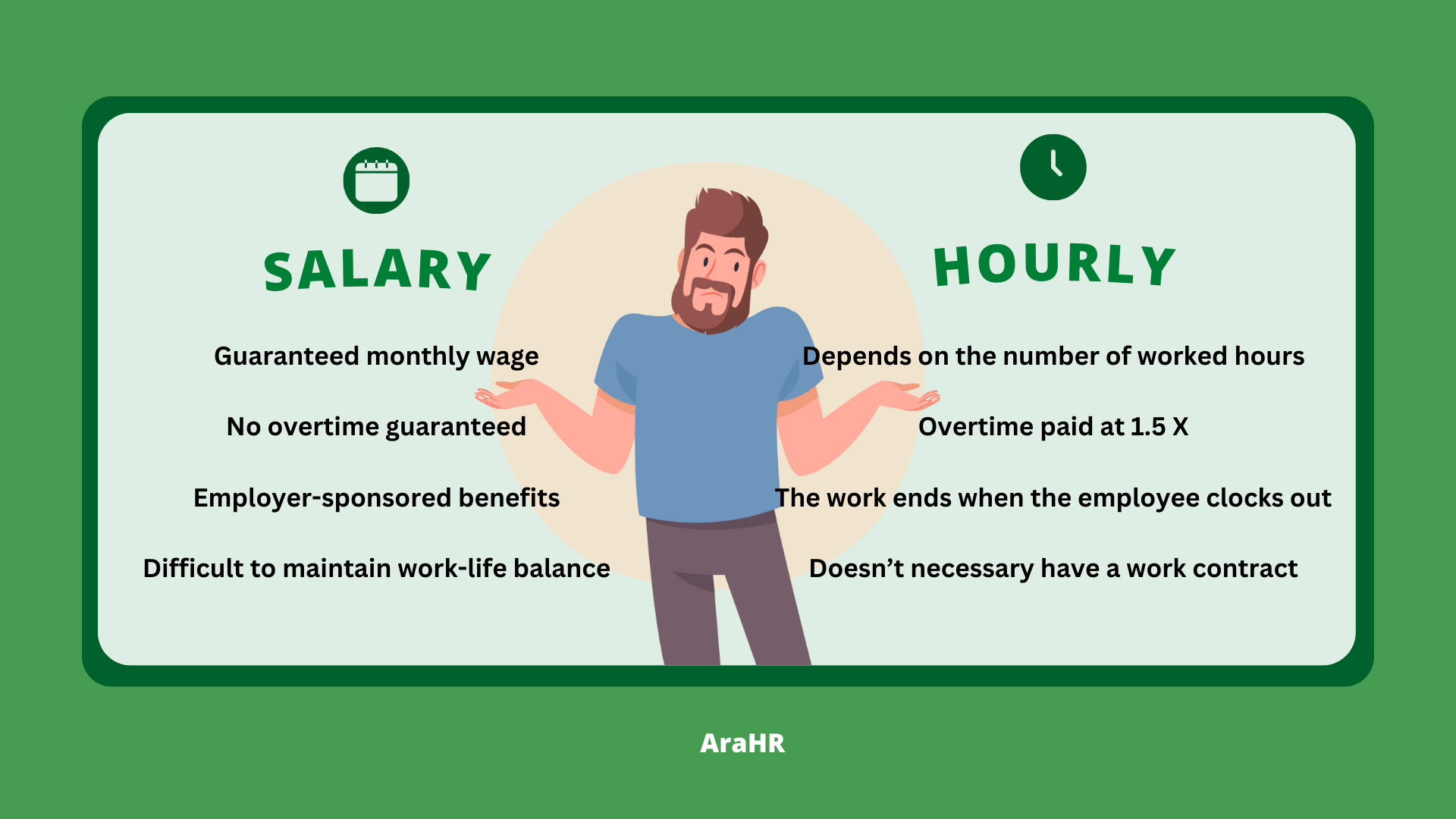
Decoding Your Worth: Factors Shaping Compensation
The figure attached to your role is rarely arbitrary. It’s the culmination of several influential factors, each playing a critical role in establishing a competitive and fair compensation package. Understanding these drivers empowers individuals to better assess their market value and employers to construct attractive offers.
Industry and Market Demand
Different industries operate on varying economic scales and possess distinct talent requirements. High-growth sectors, particularly those with specialized technical demands or significant revenue potential, often command higher salaries due to intense competition for skilled professionals. Conversely, mature industries might offer more stable but less rapidly escalating compensation. Market demand, or the scarcity of a particular skill set within an industry, directly correlates with higher earning potential. When a skill is rare and highly sought after, its market price naturally increases.
Experience and Expertise
The journey from an entry-level position to a senior leadership role is typically marked by significant salary growth. Experience brings not just tenure but also refined skills, problem-solving abilities, and a deeper understanding of an organization’s operations. Expertise, particularly in niche or critical areas, commands a premium. Professionals who have cultivated specialized knowledge, whether in complex software development, intricate financial modeling, or advanced marketing strategies, often find their unique capabilities reflected in higher compensation. Certifications and continuous learning further solidify this expertise, proving a commitment to growth and advanced capability.
Geographic Location
The cost of living and prevailing economic conditions in a specific region profoundly influence salary benchmarks. A role paying $70,000 in a rural area might offer a comparable standard of living to a $120,000 role in a major metropolitan hub like New York City or San Francisco. Employers typically adjust salary ranges to account for local economic realities, including housing costs, transportation, and consumer prices. Understanding regional salary data is crucial, especially for those considering relocation or remote work arrangements where compensation might be tied to the employee’s location rather than the company’s headquarters.
Education and Qualifications
While practical experience is invaluable, formal education and specific qualifications often serve as gatekeepers to higher-paying roles. Degrees from reputable institutions, particularly in specialized fields like engineering, medicine, law, or advanced business, frequently correlate with higher starting salaries and accelerated career progression. Professional certifications, such as a CPA for accountants, PMP for project managers, or various industry-specific technical certifications, demonstrate a validated skill set that can significantly enhance an individual’s marketability and, consequently, their salary potential.
Beyond the Base: Understanding Total Compensation
Focusing solely on the base salary can lead to a myopic view of an employment offer. A comprehensive understanding of total compensation reveals the full financial picture, encompassing not only direct cash payments but also a myriad of benefits and incentives that hold substantial monetary value. This holistic perspective is crucial for evaluating offers and managing personal finances effectively.
Performance Bonuses and Incentives
Many roles, particularly in sales, executive management, or project-based environments, include variable pay components. Performance bonuses are often tied to individual metrics, team achievements, or overall company profitability. These can significantly augment an annual salary, providing a direct financial incentive to exceed expectations. Understanding the structure and potential magnitude of these bonuses is vital, as they can sometimes account for a substantial portion of total earnings, albeit with inherent variability.
Equity and Stock Options
For employees in startups, tech companies, or publicly traded corporations, equity compensation in the form of stock options, restricted stock units (RSUs), or other forms of ownership can represent significant long-term wealth creation. Stock options grant the right to buy company stock at a predetermined price, while RSUs are actual shares awarded upon vesting. The value of these assets is directly tied to the company’s performance and market valuation, offering the potential for substantial returns if the company thrives. However, they also carry risks, as their value can fluctuate or even become worthless if the company underperforms.
Comprehensive Benefits Packages
Often overlooked but incredibly valuable, benefits packages can significantly enhance the real value of a job. Health insurance (medical, dental, vision), retirement plans (401(k) matching, pension plans), paid time off (PTO), sick leave, and parental leave all represent substantial financial contributions from an employer. The cost of equivalent private insurance or retirement contributions can be prohibitive, making robust employer-sponsored benefits a critical component of total compensation. Calculating the monetary equivalent of these benefits can reveal a far higher total value than the base salary alone suggests.

Perks and Professional Development
Beyond standard benefits, many companies offer additional perks designed to attract and retain talent. These might include tuition reimbursement, professional development courses, gym memberships, wellness programs, commuter benefits, subsidized meals, or even flexible work arrangements. While not always directly convertible to cash, these perks reduce personal expenses, enhance quality of life, and contribute to career growth, all of which hold tangible value in the broader compensation equation.
Strategic Salary Negotiation: Maximizing Your Earning Potential
Negotiating your salary is not just about getting more money; it’s about advocating for your worth based on market value, skills, and contributions. Approaching negotiation strategically can significantly impact your financial trajectory.
Researching Market Rates
Knowledge is power in salary negotiation. Before entering discussions, thoroughly research salary benchmarks for similar roles in your industry, location, and experience level. Utilize resources like Glassdoor, LinkedIn Salary, Salary.com, and industry-specific surveys. This data provides a solid foundation for your expectations and equips you with objective evidence to support your requests. Understanding the typical salary range allows you to anchor your request within a credible and defensible zone.
Articulating Your Value Proposition
During negotiations, focus on demonstrating the tangible value you bring to the organization. Quantify your past achievements, highlighting how your skills and efforts have positively impacted previous employers in terms of revenue growth, cost savings, efficiency improvements, or project successes. Frame your contributions in terms of solutions to their problems. Instead of simply stating you’re a “hard worker,” articulate how your “meticulous project management skills led to a 15% reduction in project delays and a 10% saving on budgeted costs.” This approach shifts the conversation from generic requests to concrete contributions.
The Art of the Counter-Offer
When an offer is extended, it’s rarely the final word. A well-reasoned counter-offer demonstrates confidence and a clear understanding of your value. Express enthusiasm for the role and the company, but respectfully state your expectations, backed by your research and value proposition. Be prepared to discuss specific figures, and remember to consider the entire compensation package, not just the base salary. You might counter for a higher base, more equity, additional vacation days, or professional development funding. The key is to be polite, professional, and firm in your conviction.
When to Walk Away
While maximizing an offer is the goal, recognizing when an offer is genuinely non-viable is equally important. If an employer’s offer consistently falls significantly below market rates, shows no willingness to negotiate, or lacks the benefits crucial to your financial well-being, it might be time to respectfully decline. Accepting a significantly underpaid role can lead to resentment, de-motivation, and long-term financial disadvantage. Knowing your bottom line and being prepared to walk away empowers you and prevents you from settling for less than you deserve.
Salary’s Ripple Effect: Financial Planning and Growth
Your salary isn’t just a payment; it’s the cornerstone of your financial life. How you manage and leverage this income dictates your financial stability, wealth accumulation, and ability to achieve long-term goals. Understanding its ripple effect on various aspects of personal finance is paramount.
Budgeting and Cash Flow Management
Your salary directly defines your income, which in turn sets the parameters for your budget. Effective budgeting involves allocating your salary to cover essential expenses (housing, food, transportation), discretionary spending, debt payments, and savings. Understanding your net income (after taxes and deductions) is crucial for accurate cash flow management. A well-structured budget ensures that your spending aligns with your income, preventing overspending and enabling conscious financial decisions. Without a clear picture of your salary’s contribution to your overall cash flow, financial planning becomes guesswork.
Savings and Emergency Funds
A consistent salary provides the foundation for building robust savings and an emergency fund. An emergency fund, typically three to six months’ worth of living expenses, acts as a critical buffer against unforeseen financial shocks like job loss, medical emergencies, or significant home repairs. Regular contributions from your salary to this fund create financial resilience. Beyond emergencies, your salary enables you to save for short-term goals like a down payment on a car or a vacation, and longer-term aspirations such as a home purchase or a child’s education.
Investing for the Future
Leveraging a steady salary for investment is the primary pathway to long-term wealth accumulation. A portion of your income, consistently invested over time, can grow significantly through the power of compounding. This includes contributing to retirement accounts like 401(k)s, IRAs, or Roth IRAs, as well as taxable brokerage accounts for other financial objectives. Your salary dictates how much you can comfortably allocate to investments, influencing the speed at which you can reach financial independence or other substantial wealth targets. Strategic investing, fueled by your regular income, transforms current earnings into future prosperity.

Debt Management
Salary plays a critical role in both incurring and eradicating debt. While a higher salary might tempt some to take on larger loans (e.g., for a more expensive home or car), it also provides the means to manage and reduce existing liabilities effectively. Allocating a portion of your salary to aggressively pay down high-interest debts, such as credit card balances or personal loans, can free up cash flow and save substantial amounts on interest over time. A disciplined approach to using your salary for debt reduction is a fundamental aspect of maintaining a healthy financial profile.
In conclusion, “what the salary” entails far more than a simple numerical value. It is a dynamic element shaped by market forces, individual expertise, and geographic realities. Understanding its complete scope, from direct payments to comprehensive benefits, is essential for informed career decisions. Furthermore, strategically negotiating for fair compensation and diligently integrating that income into a robust financial plan are critical steps toward achieving financial stability and long-term prosperity. Your salary is not merely earned; it is a powerful tool to be understood, maximized, and managed thoughtfully.
aViewFromTheCave is a participant in the Amazon Services LLC Associates Program, an affiliate advertising program designed to provide a means for sites to earn advertising fees by advertising and linking to Amazon.com. Amazon, the Amazon logo, AmazonSupply, and the AmazonSupply logo are trademarks of Amazon.com, Inc. or its affiliates. As an Amazon Associate we earn affiliate commissions from qualifying purchases.