
The mortgage interest rate stands as one of the most critical figures in personal finance, directly influencing the cost of homeownership for millions worldwide. Far from being a static number, it is a dynamic indicator, constantly fluctuating in response to a complex interplay of economic forces, central bank policies, and market sentiment. For anyone considering buying a home, refinancing an existing mortgage, or simply understanding the broader economy, a deep dive into “what the mortgage interest rate is” and “what drives its movements” is not just beneficial, but essential.
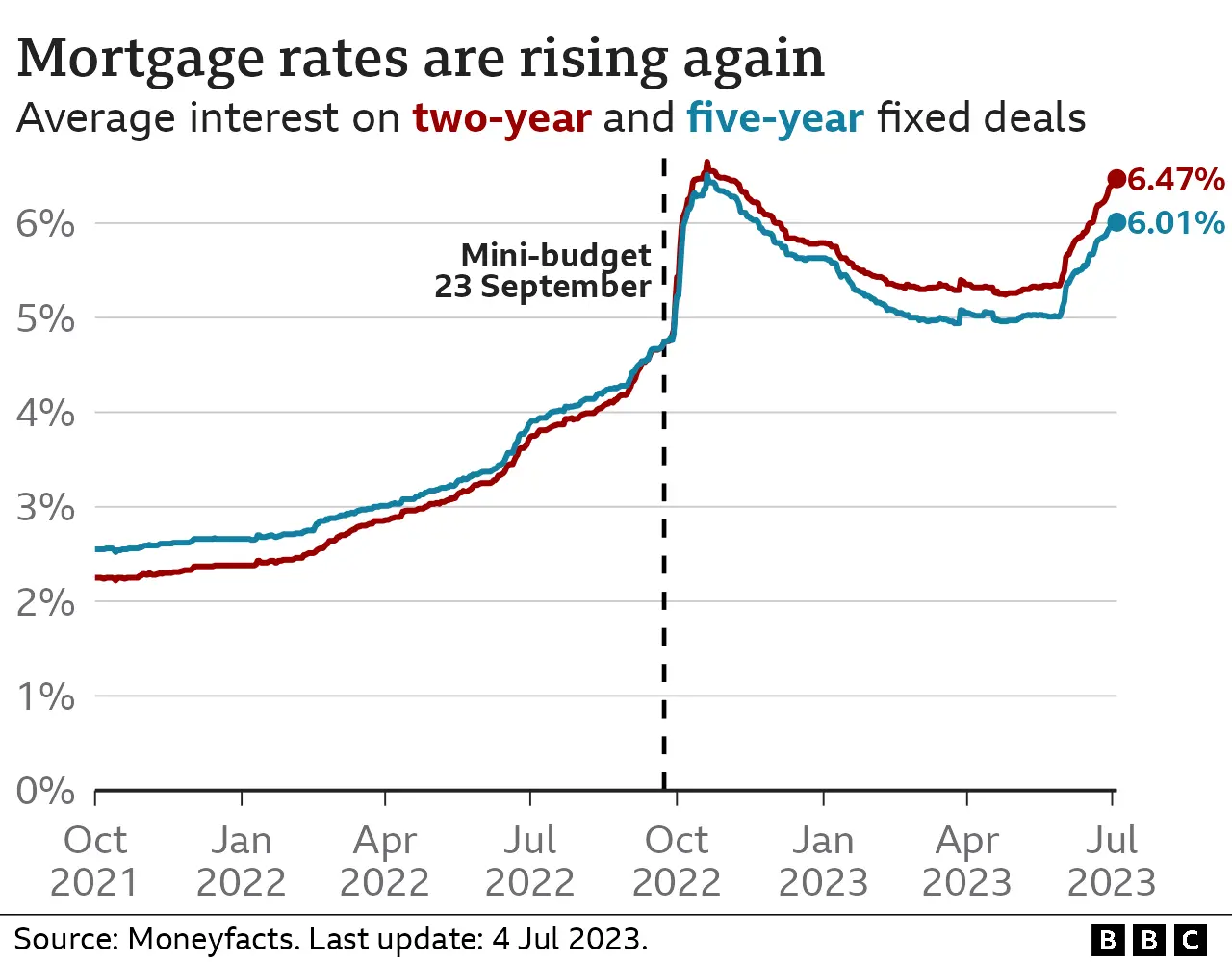
At its core, a mortgage interest rate is the cost of borrowing money to purchase a home, expressed as a percentage of the loan amount. It’s the compensation lenders receive for providing funds, covering their risks, and generating profit. This rate dictates the bulk of a borrower’s monthly mortgage payment, especially in the early years of a loan, and ultimately determines the total amount of interest paid over the life of the mortgage. Understanding this percentage is the first step toward making informed financial decisions in the housing market, unlocking opportunities for significant savings, or avoiding costly missteps. This article will demystify mortgage interest rates, exploring their fundamentals, the forces that shape them, and how prospective and current homeowners can navigate their complexities.
Understanding the Fundamentals of Mortgage Interest Rates
To effectively navigate the housing market, one must first grasp the foundational elements of mortgage interest rates. This includes defining what they are, how lenders arrive at a specific rate for an individual, and the primary types of rates available.
What is a Mortgage Interest Rate?
A mortgage interest rate represents the annual cost of a loan, expressed as a percentage. When you borrow money to buy a home, the lender charges you interest on the principal loan amount. This interest, along with the principal, constitutes your monthly mortgage payment. For example, a 30-year fixed-rate mortgage at 5% means that over the course of a year, you are effectively paying 5% of the outstanding loan balance in interest. This rate can significantly impact affordability; even a seemingly small percentage difference can translate into tens of thousands of dollars over the lifetime of a mortgage. It’s crucial to distinguish between the interest rate and the Annual Percentage Rate (APR). While the interest rate reflects the cost of borrowing the principal, the APR includes the interest rate plus other costs like origination fees, discount points, and some closing costs, offering a more comprehensive picture of the true annual cost of your loan.
How Do Lenders Determine Your Rate?
Lenders assess a variety of factors to determine the specific mortgage interest rate they offer an individual borrower. This assessment is essentially a risk analysis. The lower the perceived risk, the better the rate a borrower is likely to receive. Key factors include:
- Credit Score: A higher credit score (typically FICO scores above 740-760) indicates a strong history of responsible borrowing and repayment, signaling lower risk to lenders.
- Debt-to-Income (DTI) Ratio: This ratio compares your total monthly debt payments to your gross monthly income. A lower DTI (generally below 43%) demonstrates that you have ample income to manage additional mortgage payments.
- Loan-to-Value (LTV) Ratio and Down Payment: The LTV ratio compares the loan amount to the home’s appraised value. A larger down payment results in a lower LTV, signifying less risk for the lender. For instance, a 20% down payment means an 80% LTV, which typically secures a more favorable rate and avoids Private Mortgage Insurance (PMI).
- Loan Type and Term: Different loan products (e.g., FHA, VA, conventional) and loan terms (e.g., 15-year, 30-year fixed) carry different risk profiles and, consequently, different rates. Shorter-term loans generally have lower interest rates because they carry less interest rate risk for the lender over time.
- Property Type and Location: The type of property (e.g., single-family home, condo, multi-family) and its location can also subtly influence rates due to varying market liquidity and risk perceptions.
Fixed vs. Adjustable-Rate Mortgages (ARMs)
The choice between a fixed-rate mortgage and an adjustable-rate mortgage (ARM) is one of the most significant decisions a borrower faces, each with distinct implications for monthly payments and overall cost.
- Fixed-Rate Mortgages: As the name suggests, the interest rate remains constant for the entire duration of the loan, typically 15 or 30 years. This offers predictable monthly principal and interest payments, simplifying budgeting and shielding borrowers from potential rate increases. Fixed rates are ideal for those who plan to stay in their home for an extended period and prioritize stability. While initial rates might be slightly higher than ARMs, the long-term security often outweighs this.
- Adjustable-Rate Mortgages (ARMs): ARMs feature an interest rate that is fixed for an initial period (e.g., 3, 5, 7, or 10 years) and then adjusts periodically based on a predetermined index (like SOFR or a Treasury rate) plus a margin set by the lender. While ARMs often offer lower initial interest rates, providing a more affordable entry point, the risk is that rates could increase significantly after the fixed period, leading to higher monthly payments. ARMs can be suitable for borrowers who anticipate selling or refinancing before the adjustment period, or those expecting their income to increase substantially to offset potential rate hikes. Most ARMs have caps that limit how much the interest rate can change in an adjustment period and over the life of the loan.
Key Factors Influencing Mortgage Interest Rates
Mortgage interest rates are not determined in isolation; they are a direct reflection of broader economic conditions and financial market dynamics. Understanding these influential factors is crucial for anticipating rate movements and making timely decisions.
Federal Reserve Policy and Interest Rate Hikes/Cuts
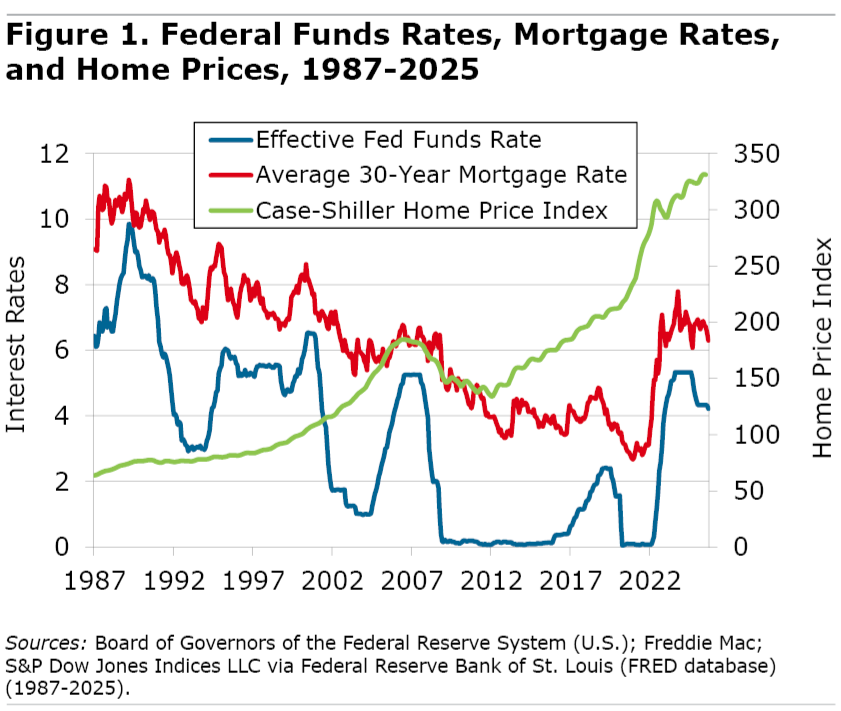
Perhaps the most significant influencer of mortgage rates is the monetary policy set by the Federal Reserve (the Fed) in the United States, or central banks globally. While the Fed does not directly set mortgage rates, its actions profoundly impact them. The Fed influences the federal funds rate, which is the target rate for overnight borrowing between banks. When the Fed raises the federal funds rate, it generally makes borrowing more expensive across the economy, pushing up rates on consumer loans, including mortgages. Conversely, a cut in the federal funds rate aims to stimulate economic activity by making borrowing cheaper. Mortgage rates tend to track the yield on the 10-year Treasury note, which reacts sensitively to the Fed’s signals about inflation and economic growth. Higher federal funds rates make mortgage-backed securities (MBS) less attractive compared to other investments, forcing MBS yields (and thus mortgage rates) higher to compensate investors.
Inflation
Inflation, the rate at which the general level of prices for goods and services is rising, is a powerful driver of interest rates. Lenders need to ensure that the return on their loans outpaces inflation to maintain the real value of their money. If inflation is high or expected to rise, lenders will demand higher interest rates to compensate for the eroded purchasing power of future repayment dollars. Conversely, low inflation typically allows for lower interest rates. The Fed’s primary mandate includes maintaining price stability, meaning it will often raise interest rates to combat persistent inflation, which then ripples through to mortgage rates.
Economic Growth and Stability
The overall health and trajectory of the economy play a critical role. A robust economy, characterized by strong job growth, rising wages, and increased consumer spending, often leads to higher inflation expectations and, consequently, higher interest rates. Lenders perceive less risk in a thriving economy, but the demand for capital also increases, which can push rates up. Conversely, during periods of economic slowdown or recession, central banks often lower rates to stimulate borrowing and investment. Furthermore, global economic stability, geopolitical events, and even natural disasters can create uncertainty, prompting investors to move towards safer assets like U.S. Treasury bonds, which can indirectly influence mortgage rates. A flight to safety often pushes Treasury yields down, which can sometimes provide temporary relief for mortgage rates.
The Bond Market
The bond market, particularly the market for Mortgage-Backed Securities (MBS), has a direct and immediate impact on mortgage rates. Most residential mortgages are packaged into MBS and sold to investors. The yield (return) investors demand on these MBS heavily influences what lenders charge borrowers. When the demand for MBS is high, and investors are willing to accept lower yields, mortgage rates tend to fall. Conversely, when demand is low, or investors require higher yields, mortgage rates rise. The performance of MBS is often benchmarked against U.S. Treasury bonds, especially the 10-year Treasury note. A rise in Treasury yields typically translates to a rise in mortgage rates because investors will demand a similar or higher return on MBS to compensate for their slightly greater risk compared to “risk-free” Treasuries.
Navigating the Mortgage Market: Strategies for Borrowers
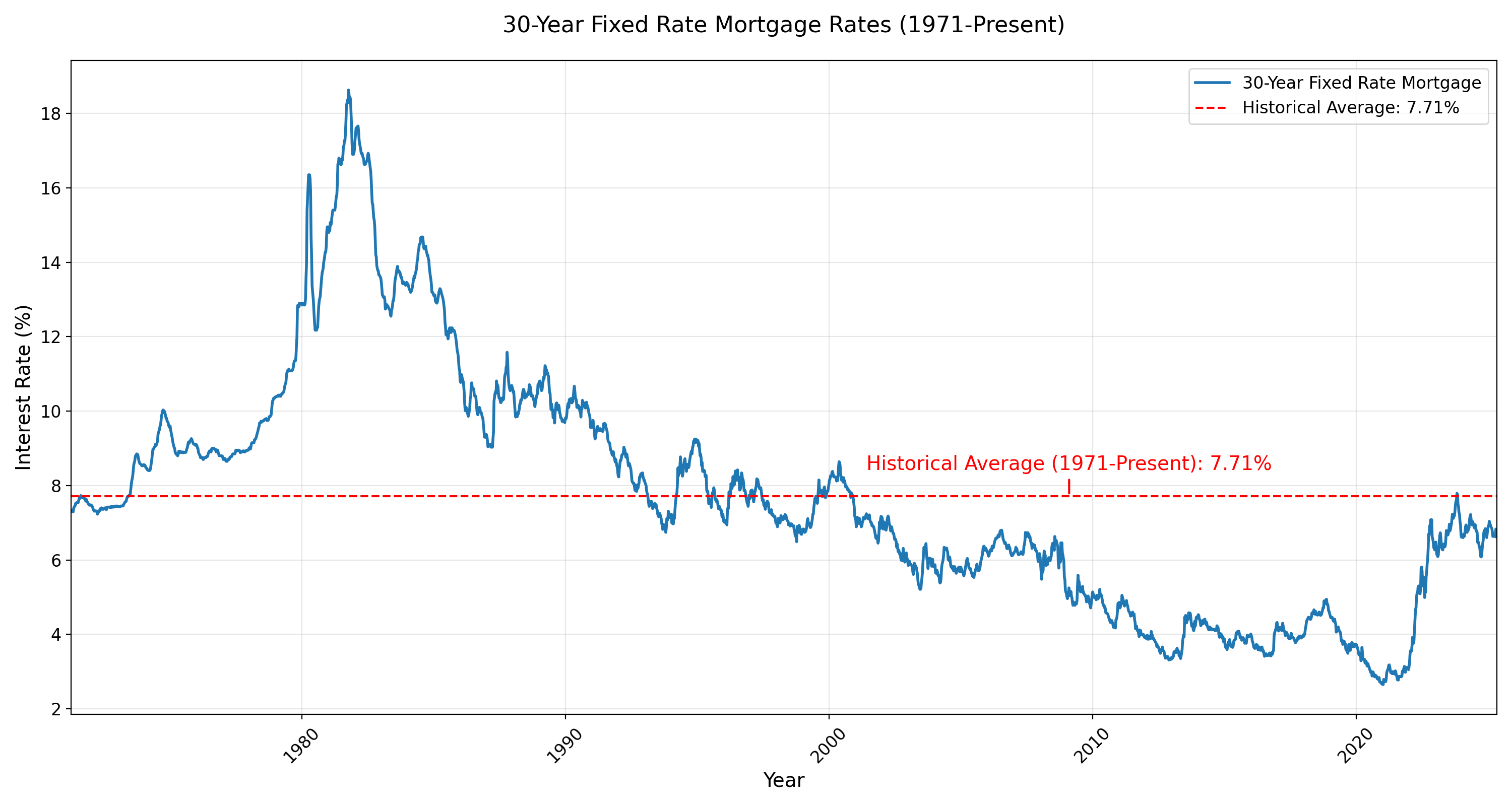
Understanding the forces behind mortgage rates is only half the battle. Strategic planning and informed action are crucial for securing the best possible rate and managing your homeownership costs.
Improving Your Financial Profile
Before even applying for a mortgage, proactively enhancing your financial standing can lead to substantial savings. Lenders reward borrowers who present lower risk.
- Boost Your Credit Score: Pay bills on time, reduce credit card balances, and avoid opening new credit accounts prior to applying for a mortgage. A higher FICO score demonstrates reliability and can qualify you for the most competitive rates.
- Reduce Your Debt-to-Income Ratio: Paying down existing debts, especially high-interest consumer debt, lowers your DTI. This shows lenders you have more disposable income to allocate to mortgage payments.
- Save for a Larger Down Payment: A substantial down payment (ideally 20% or more) reduces your loan-to-value (LTV) ratio, signaling less risk to lenders. It can also help you avoid private mortgage insurance (PMI), saving you further.
Shopping Around for Lenders
Many borrowers make the mistake of going with the first lender they speak to. Just as you would compare prices for a car or major appliance, you should compare mortgage offers.
- Get Pre-Approved by Multiple Lenders: Within a short window (typically 14-45 days, depending on the credit scoring model), multiple credit inquiries for a mortgage count as a single inquiry, minimizing impact on your credit score. This allows you to compare interest rates, fees, and loan terms from various banks, credit unions, and mortgage brokers.
- Compare Loan Estimates: Lenders are required to provide a standardized Loan Estimate form, which makes it easier to compare offers side-by-side. Pay close attention not only to the interest rate but also to the APR, closing costs, and any lender fees.
- Negotiate: Don’t be afraid to use a better offer from one lender to negotiate with another. Lenders want your business and may be willing to match or beat a competitor’s rate or fees.
Refinancing Opportunities
For existing homeowners, refinancing can be a powerful tool to take advantage of lower interest rates or change loan terms.
- When to Refinance: Consider refinancing when current market rates are significantly lower than your existing mortgage rate (e.g., a drop of 0.75% to 1% or more) or if your financial situation has improved, allowing you to qualify for better terms.
- Types of Refinance:
- Rate-and-Term Refinance: Lowers your interest rate and/or changes the loan term (e.g., from 30 to 15 years) to reduce total interest paid or lower monthly payments.
- Cash-Out Refinance: Allows you to borrow more than you owe on your current mortgage and take the difference in cash, typically used for home improvements, debt consolidation, or other large expenses.
- Cost vs. Benefit: Always weigh the closing costs associated with refinancing against the potential savings over the life of the loan. Use a break-even analysis to determine how long it will take for your savings to recoup the refinancing costs.
Understanding Rate Locks
A rate lock protects you from rising interest rates during the period between your loan application and closing.
- How it Works: Once you’ve chosen a lender and a specific loan product, you can typically “lock in” your interest rate for a certain period, usually 30, 45, or 60 days. This guarantees that your rate won’t increase even if market rates go up.
- Timing is Key: Locking too early might mean you miss out if rates fall further, while locking too late could expose you to increases. Your loan officer can guide you on the optimal time to lock based on market conditions and your closing timeline.
- Floating vs. Locking: Some borrowers choose to “float” their rate, hoping rates will drop before closing. This carries risk but also potential reward. Most prefer the certainty of a rate lock.
The Long-Term Impact of Mortgage Rates on Homeownership
The interest rate secured on a mortgage reverberates throughout the entire homeownership journey, influencing everything from monthly budgets to long-term wealth accumulation and broader market trends.
Affordability and Monthly Payments
The most immediate and tangible impact of mortgage rates is on a homeowner’s monthly budget. A higher interest rate directly translates to a larger portion of each payment going towards interest, resulting in higher overall monthly installments for the same principal loan amount. This directly affects affordability, determining how much house a borrower can comfortably afford or even if homeownership is feasible. For example, a difference of just one percentage point on a $300,000, 30-year fixed mortgage can mean a difference of over $150 per month, totaling tens of thousands of dollars over the loan’s lifetime. Lower rates unlock greater purchasing power, making homeownership accessible to a wider demographic and allowing existing homeowners to manage their finances more comfortably.
Equity Building and Wealth Accumulation
Mortgage rates also play a crucial role in how quickly homeowners build equity – the portion of the home they truly own. In the early years of a fixed-rate mortgage, a significant portion of the monthly payment goes towards interest, with only a small amount chipping away at the principal. Lower interest rates mean that a larger portion of each payment can be allocated to reducing the principal balance from day one. This accelerates equity building, which is a key component of wealth accumulation for many families. Over time, as equity grows, homeowners gain financial flexibility, whether it’s for tapping into home equity lines of credit (HELOCs), taking out a cash-out refinance, or simply having a more substantial asset for retirement or other financial goals.
Market Dynamics and Home Values
Beyond individual finances, the prevailing mortgage interest rates significantly influence the broader housing market. When rates are low, borrowing becomes cheaper, stimulating demand for homes. This increased demand, coupled with potentially limited supply, often leads to rising home prices and a more competitive seller’s market. Conversely, when mortgage rates rise significantly, the cost of homeownership increases, cooling buyer demand. This can lead to a slowdown in home sales, longer market times, and potentially a moderation or even decrease in home values, as fewer buyers are able or willing to pay higher prices. Real estate investors and developers closely watch interest rate trends, as they directly impact project feasibility, rental yields, and property valuations. The cyclical nature of interest rates often dictates the ebb and flow of real estate booms and slowdowns.
Conclusion
The mortgage interest rate is far more than just a number; it’s a dynamic financial lever that profoundly influences personal wealth, housing affordability, and the broader economic landscape. From the intricate dance between Federal Reserve policy and inflation to the nuances of individual creditworthiness and the competitive bond market, a multitude of factors converge to determine the cost of borrowing for a home.
For current and prospective homeowners, understanding these mechanisms is paramount. It empowers them to make strategic decisions, whether it’s improving their financial profile to secure a better rate, diligently shopping for lenders, or recognizing opportune moments to refinance. The choice between a fixed-rate and adjustable-rate mortgage, the impact of a down payment, and the strategic use of rate locks are all critical components of navigating this complex terrain.
Ultimately, the mortgage interest rate dictates not only monthly payments but also the pace of equity building and the long-term trajectory of wealth accumulation through real estate. In an ever-evolving economic environment, staying informed, proactive, and discerning will remain the most valuable tools for anyone engaging with the mortgage market, ensuring that the dream of homeownership remains a financially sound and achievable reality.
aViewFromTheCave is a participant in the Amazon Services LLC Associates Program, an affiliate advertising program designed to provide a means for sites to earn advertising fees by advertising and linking to Amazon.com. Amazon, the Amazon logo, AmazonSupply, and the AmazonSupply logo are trademarks of Amazon.com, Inc. or its affiliates. As an Amazon Associate we earn affiliate commissions from qualifying purchases.