
Navigating the financial landscape of automotive lending can often feel more complex than selecting the vehicle itself. When prospective buyers ask, “What is the interest rate for used cars?” the answer is rarely a single, static figure. Instead, it is a dynamic intersection of macroeconomic trends, individual creditworthiness, and the specific characteristics of the asset being financed. In the current economic climate, used car interest rates have seen significant volatility, making it essential for consumers to understand the mechanisms behind these numbers before stepping onto a dealership lot or clicking “apply” on a digital loan application.
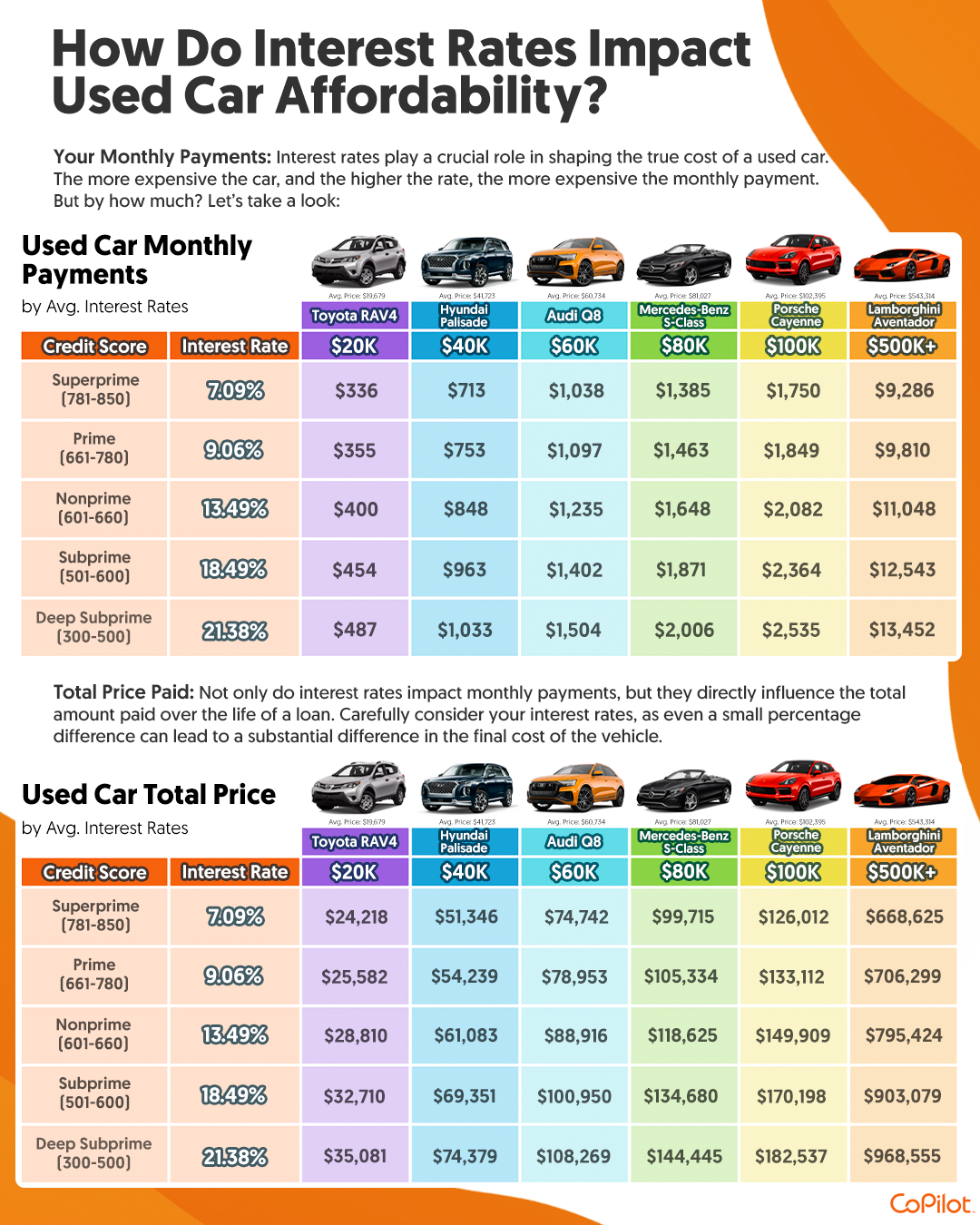
Financing a used vehicle is fundamentally different from financing a new one. While new car loans often benefit from manufacturer-subsidized “incentive rates” (sometimes as low as 0% or 1.9% to move inventory), used car loans are priced based on market risk. Because used vehicles carry a higher risk of mechanical failure and have less predictable resale values, lenders typically charge a premium on the interest rate compared to their factory-fresh counterparts.
The Current Landscape of Used Car Interest Rates
To understand where used car rates stand today, one must first look at the broader fiscal environment. The Federal Reserve plays a pivotal role in setting the baseline for all consumer lending. When the federal funds rate rises, the cost of borrowing for banks increases, a cost that is invariably passed down to the consumer in the form of higher Annual Percentage Rates (APRs).
Currently, used car interest rates are significantly higher than they were just a few years ago. While a buyer with excellent credit might have secured a 3% or 4% rate in 2020, that same buyer is now looking at averages closer to 7% or 8%. For those with fair or poor credit, rates can easily climb into the mid-to-high teens, and in some “buy-here-pay-here” scenarios, they can even exceed 20%.
Why Used Car Rates Are Historically Higher
Lenders view used cars as riskier collateral. If a borrower defaults on a loan for a ten-year-old vehicle with 100,000 miles, the bank’s ability to recoup its investment through a repossession sale is much lower than with a newer model. Additionally, the used car market is subject to wider price fluctuations. This inherent volatility means that the “spread”—the difference between the bank’s cost of funds and the rate they charge you—must be wider to protect the lender’s bottom line.
The Impact of Inflation and Inventory
Beyond the Federal Reserve, the supply and demand of the used car market itself impact interest rates. When used car prices skyrocketed due to supply chain disruptions in previous years, the loan-to-value (LTV) ratios became stretched. Lenders became more cautious, tightening their lending standards and raising rates to offset the risk of “upside-down” loans—where the borrower owes more than the car is worth. As inventory levels stabilize, we see a slight cooling in rates, but they remain tethered to the overarching interest rate environment.
Key Factors That Determine Your Specific Rate
While market averages provide a baseline, your individual interest rate is tailored to your financial profile. Lenders utilize complex algorithms to determine the likelihood of repayment, and several key variables carry the most weight.
Credit Score Tiers and Their Influence
Your credit score is the single most influential factor in determining your APR. Most lenders categorize borrowers into tiers:
-
Super Prime (780-850): These borrowers receive the lowest possible rates, often several percentage points below the national average.
-
Prime (661-780): Borrowers in this range still receive competitive rates and have a wide choice of lenders.
-
Nonprime (601-660): Rates begin to climb significantly here, as lenders perceive a moderate risk of default.
-
Subprime (501-600): Financing becomes more expensive and difficult to secure. Borrowers may need to look toward specialized subprime lenders.
-
Deep Subprime (300-500): Interest rates in this tier are the highest, often reaching the legal maximums allowed by state usury laws.
Small movements in your credit score can result in thousands of dollars in interest savings over the life of a 60-month loan. This is why financial advisors often recommend checking and cleaning up credit reports months before applying for a vehicle loan.
Loan Duration and Monthly Payments
The “term” or length of the loan also dictates the interest rate. Generally, shorter loan terms (36 to 48 months) carry lower interest rates than longer terms (72 to 84 months). While a longer term reduces the monthly payment, it increases the lender’s risk over time. Consequently, they charge a higher APR for the extended exposure. From a personal finance perspective, a long-term loan on an aging used car is often a recipe for financial strain, as the car may reach the end of its useful life before the debt is retired.
Vehicle Age and Mileage
A used car’s age is a direct pricing factor. Many lenders have “tiered” pricing based on the model year. For instance, a “nearly new” used car (1–2 years old) might qualify for rates very close to new car rates. However, once a vehicle passes the five-year or seven-year mark, the interest rate often jumps. Similarly, high-mileage vehicles (typically over 100,000 miles) are considered higher risk and may carry higher rates or require shorter repayment windows.
Where to Find the Most Competitive Rates
Not all lenders are created equal. Where you choose to secure your financing can be just as important as the car you choose to drive.
Credit Unions: The Local Advantage
Credit unions are member-owned, non-profit institutions. Because they do not have to answer to shareholders, they often return profits to members in the form of lower interest rates and lower fees. Historically, credit unions offer the most competitive used car rates in the industry. For a used car purchase, a credit union is often the first place a savvy buyer should look, as their rates can be 1% to 2% lower than traditional commercial banks.
Direct Lenders and Online Banks
The digital revolution has brought a wave of online-only banks and dedicated auto lenders. These institutions often have lower overhead costs than brick-and-mortar banks and can pass those savings on to consumers. Many online lenders offer “soft pull” pre-qualification, allowing you to see your potential rate without impacting your credit score. This transparency allows for easy comparison shopping.
Dealership Financing: Convenience vs. Cost
Dealerships offer “indirect” financing. They act as intermediaries, sending your application to a network of banks. While convenient, dealership financing often includes a “dealer markup.” The bank may approve you for a 6% rate, but the dealership may present it to you as 8%, pocketing the difference as profit. However, for those with credit challenges, dealerships often have access to specialized lenders that individual consumers cannot reach on their own.
Strategies to Secure a Lower Interest Rate
Securing a favorable interest rate is not a passive process; it requires strategy and preparation.
The Power of a Substantial Down Payment
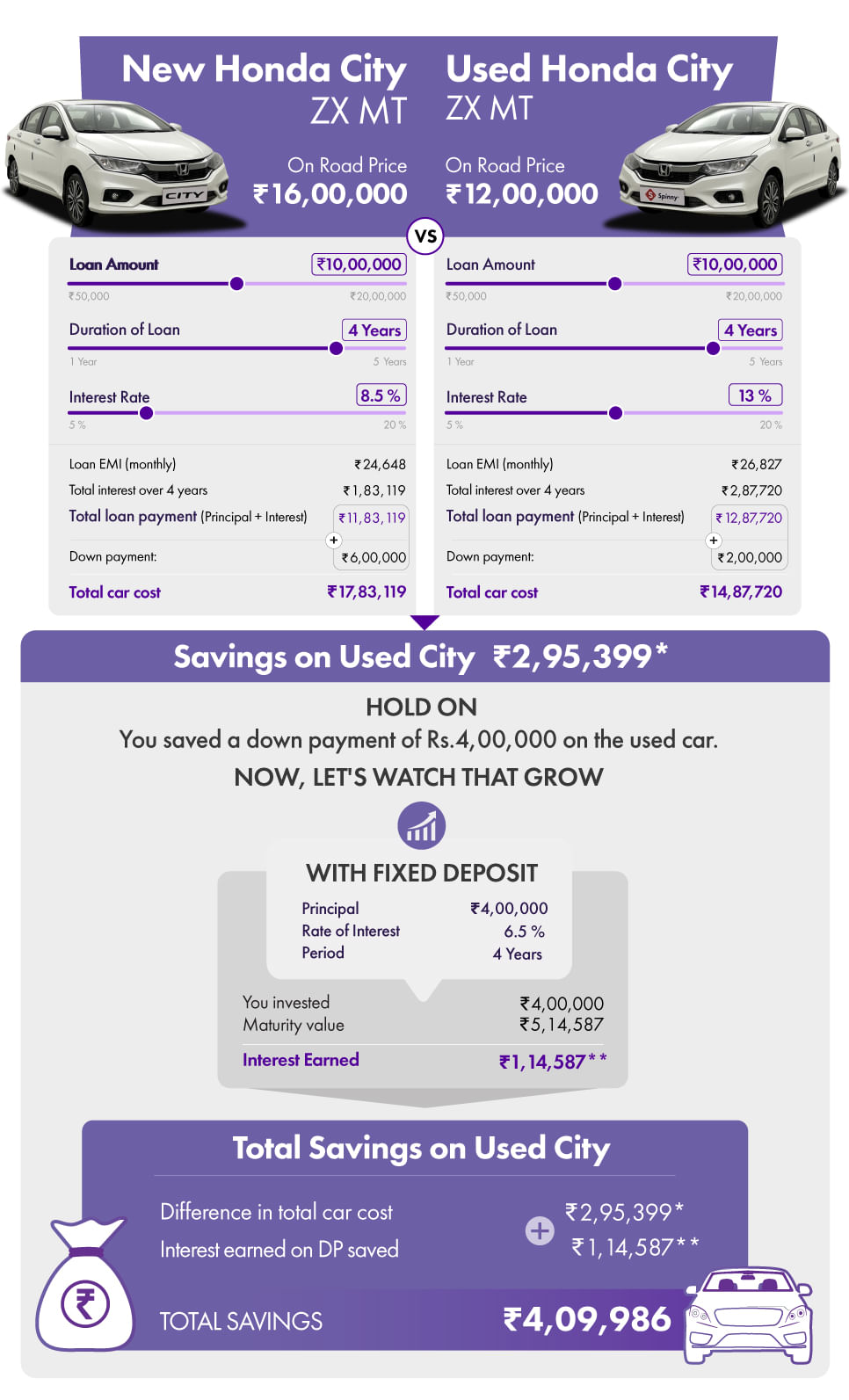
Lowering the Loan-to-Value (LTV) ratio is one of the most effective ways to lower your rate. If you are buying a $20,000 car and put $5,000 down, the lender is only risking $15,000 on an asset worth $20,000. This “equity cushion” makes the loan much safer for the bank, which can lead to a lower APR. A down payment of at least 20% is a standard recommendation to stay ahead of depreciation and secure better terms.
Pre-approval and Negotiation
Never walk into a dealership without a pre-approval in hand. A pre-approval from a bank or credit union gives you a benchmark. If the dealer wants to provide the financing, they must beat the rate you already have. This shifts the power dynamic from the seller to the buyer, turning the interest rate into a negotiable item rather than a fixed cost.
Improving Your Debt-to-Income Ratio
Lenders don’t just look at your credit score; they look at your capacity to pay. If your monthly debt obligations (rent, credit cards, student loans) consume a large portion of your income, you are seen as a higher risk. Paying down small credit card balances before applying for a car loan can improve your debt-to-income (DTI) ratio, potentially moving you into a better pricing bracket.
The Long-Term Financial Impact of Your Interest Rate
It is easy to focus on the monthly payment, but the interest rate determines the total cost of ownership. On a $25,000 used car loan over 60 months, the difference between a 5% rate and a 10% rate is over $3,500 in additional interest.
Amortization and Total Interest Paid
Auto loans use simple interest, but they are amortized, meaning the interest is front-loaded. In the early months of your loan, a larger portion of your payment goes toward interest rather than the principal balance. This is why a high interest rate on a used car can be so damaging; it prevents you from building equity in the vehicle, making it harder to trade the car in or sell it later without having to pay out of pocket to clear the title.

When Refinancing Makes Sense
If you were forced to accept a high interest rate due to poor credit or a high-rate market environment, you are not necessarily stuck with that rate for the duration of the loan. If your credit score improves significantly after 6 to 12 months of on-time payments, or if market rates drop, refinancing your used car loan can be a brilliant financial move. By moving from a 12% loan to a 7% loan, you can either reduce your monthly payment or, more effectively, keep your payment the same and shorten the term of the loan, saving thousands in the process.
Ultimately, the interest rate for a used car is a reflection of your financial health and your ability to navigate the lending market. By understanding the factors that drive these rates—from the Federal Reserve to your own credit habits—you can move from being a passive borrower to a strategic consumer, ensuring that your next vehicle purchase supports your long-term financial goals rather than hindering them.
aViewFromTheCave is a participant in the Amazon Services LLC Associates Program, an affiliate advertising program designed to provide a means for sites to earn advertising fees by advertising and linking to Amazon.com. Amazon, the Amazon logo, AmazonSupply, and the AmazonSupply logo are trademarks of Amazon.com, Inc. or its affiliates. As an Amazon Associate we earn affiliate commissions from qualifying purchases.