
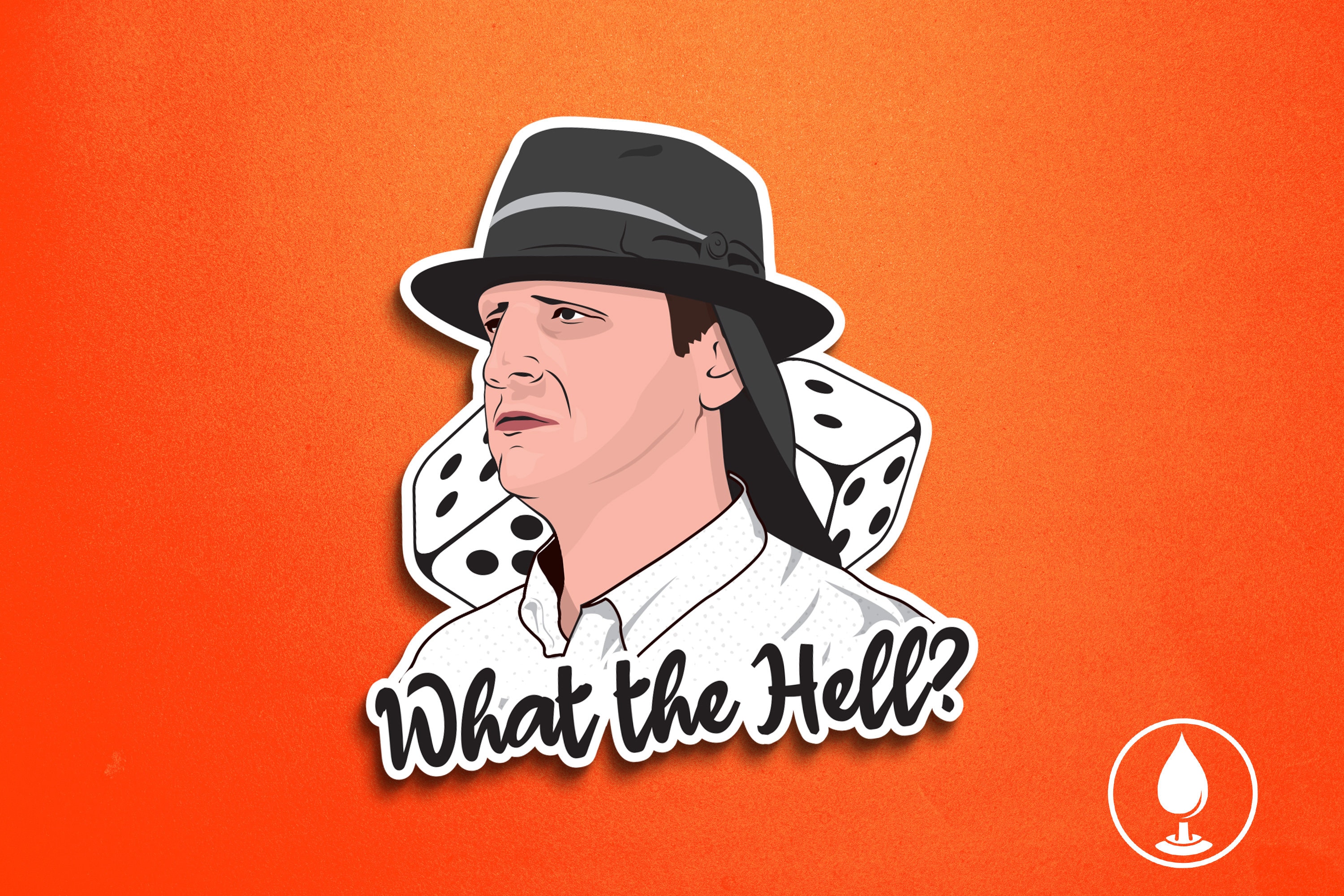
In the modern media landscape, the phrase “What the hell?” is usually a sign of a marketing failure—a symptom of a brand message that missed its mark or a product that confused its audience. However, for Tim Robinson, the creator and star of the hit Netflix sketch series I Think You Should Leave, this exact reaction is the cornerstone of a multimillion-dollar personal brand. Robinson has managed to turn social discomfort, erratic behavior, and surrealist absurdity into a masterclass in brand differentiation.
While most public figures strive for polish, accessibility, and broad appeal, Robinson has leaned into the “fringe,” creating a brand identity so specific that it has birthed its own vernacular. In the world of marketing and brand strategy, the “Robinson Effect” provides a fascinating case study on how to build a loyal, high-engagement audience by breaking every traditional rule of corporate identity.
The Anatomy of an Unconventional Brand
To understand why Tim Robinson’s brand works, one must first analyze its structure. Branding is, at its core, the management of expectations. When a consumer engages with a brand like Apple or Nike, they expect a specific feeling—innovation or athletic excellence. When a viewer engages with Tim Robinson, they expect a disruption of social norms.
Defining the Aesthetic of Discomfort
Robinson’s brand is built on the concept of “the social faux pas.” His characters are almost always individuals who have made a minor mistake but refuse to admit it, instead escalating the situation until the social fabric of the room disintegrates. From a branding perspective, this is a “Blue Ocean” strategy. While other comedians were competing for the “relatable observer” space (the Jerry Seinfeld model), Robinson claimed the “uncomfortably defensive” space.
By owning a specific emotional state—social anxiety pushed to its breaking point—Robinson created a brand “moat.” No one else can operate in this space without being compared to him. This is the ultimate goal of personal branding: to become the definitive representative of a specific niche.
The Power of Niche Saturation
A common mistake in brand strategy is trying to appeal to everyone. Robinson did the opposite. His humor is polarizing; it is designed to be “too much” for a general audience. However, by saturating a specific niche, he created a “cult brand” following. These followers aren’t just viewers; they are brand evangelists. In a digital economy where attention is the primary currency, having 1 million obsessed fans is significantly more valuable than having 10 million casual observers. Robinson’s brand proves that by narrowing your focus, you deepen your impact.
Virality as a Brand Strategy
One of the most impressive feats of the Tim Robinson brand is its organic integration into digital culture. In an era where brands spend millions trying to “go viral,” Robinson has achieved a state of permanent virality. If you spend any time on social media, you have likely seen a Robinson meme, even if you have never watched his show.
Meme-ability by Design
Modern branding requires “remixability.” A brand’s assets—logos, slogans, or in this case, video clips—must be easy for the audience to repurpose. Robinson’s sketches are practically engineered for the social media era. They are high-energy, visually distinct, and contain “hook” phrases (“I’m joking! I’m joking!”, “You sure about that?”, “Tables!”).
This creates a feedback loop. Every time a Twitter user posts a GIF of Robinson in a hot dog suit to describe a political scandal, they are performing free brand labor. The brand isn’t just the content itself; it’s the way the content allows the audience to express their own identities. This is the pinnacle of brand engagement: when the audience uses your brand assets to communicate with each other.
Owning the Social Media Narrative
Unlike many celebrities who use social media for traditional PR, Robinson’s brand exists almost entirely through the lens of his work. There is very little “behind the scenes” content or curated lifestyle posting. This “scarcity” of his actual persona adds value to his brand characters. By remaining somewhat enigmatic, he allows the “Robinson Aesthetic” to take center stage. For brands, the lesson here is that you don’t always need to be loud on every platform; you just need to provide the tools for your audience to be loud on your behalf.
Brand Consistency in the Midst of Chaos

On the surface, Robinson’s work looks like chaotic improvisation. However, from a brand management perspective, it is remarkably consistent. Whether he is appearing in a sketch, a commercial, or an interview, the “Robinson Brand” remains intact.
Authenticity vs. Absurdity
The word “authenticity” is overused in branding, but in Robinson’s case, it refers to an unwavering commitment to his vision. He spent years in the traditional comedy circuit (including a stint as a writer for Saturday Night Live) where his “weirdness” was often diluted for a mass audience. His breakthrough came when he stopped trying to fit the “traditional” brand mold and leaned entirely into his own absurdity.
For a corporate brand, this translates to “Brand Integrity.” Customers can sense when a brand is trying to be something it’s not. Robinson’s success is a testament to the fact that the most authentic version of a brand—even if it is “weird”—will always outperform a watered-down version of someone else’s success.
Creating a “Robinson-esque” Language
A strong brand creates its own world. Luxury brands like Hermès or technical brands like Adobe have their own terminologies that signify “insider” status. Robinson has done the same. Fans of his brand speak in a shorthand of quotes and references. When a brand can influence the way its audience speaks, it has achieved a level of “Brand Equity” that is nearly impossible to disrupt. The “What the hell” reaction has evolved into a “I know exactly what this is” recognition for his core demographic.
Lessons for Modern Corporate Branding
While Tim Robinson is an entertainer, the principles behind his rise are directly applicable to corporate identity and marketing strategy. In a saturated market, the “safe” choice is often the most dangerous one.
Embracing Emotional Friction
Most brands try to remove all “friction” from the customer experience. They want everything to be smooth, pleasant, and easy. Robinson’s brand is built entirely on friction. It is loud, it is awkward, and it is often frustrating. However, this friction makes the brand memorable.
In marketing, “The Von Restorff Effect” suggests that in a group of similar items, the one that differs most from the rest is the most likely to be remembered. If every brand in your industry is using minimalist logos and “friendly” corporate tones, the brand that chooses to be loud and abrasive—strategically—will capture the most mindshare. Robinson proves that being “liked” is less important than being “remembered.”
The Value of “The Weird”
In the age of AI-generated content and data-driven marketing, there is a tendency toward homogenization. Everything starts to look and feel the same because it’s all based on the same algorithms. Robinson’s brand is a reminder that human unpredictability is a massive competitive advantage. “The Weird” cannot be easily replicated by an algorithm. For brands, investing in unique, human-centric creativity—even if it seems “out there”—is the only way to stay relevant in a world of automated content.
The Future of the Robinson Empire
As Robinson’s brand continues to scale, he faces the classic “Brand Expansion” challenge: how do you grow without losing the “indie” credibility that made you successful in the first place?
Scaling a Niche Without Diluting It
Robinson has begun to move into larger productions and voice acting roles, yet he has managed to keep the “Robinson DNA” present in everything he touches. He isn’t changing himself to fit Hollywood; Hollywood is changing to fit him. This is the ultimate goal of brand positioning. You don’t want to be a vendor that adapts to the market; you want to be the market leader that the rest of the industry adapts to.

Longevity in a Fleeting Economy
The “What the hell” factor has a shelf life if it isn’t backed by substance. Robinson’s brand has longevity because, underneath the absurdity, there is a profound understanding of human psychology and social structures. His brand isn’t just about being “random”; it’s a commentary on the fragility of the human ego.
For any brand—whether it’s a person, a software tool, or a consumer good—longevity requires a “Brand Truth.” Robinson’s truth is that humans are deeply weird and desperately want to belong. By tapping into that universal truth, he has built a brand that is more than just a series of sketches; he has built a cultural landmark.
In conclusion, “What the hell, Tim Robinson” isn’t just a reaction to a comedian; it is the sound of a disruptive brand breaking through the noise of a crowded world. By embracing discomfort, mastering the art of the meme, and maintaining a singular, uncompromised vision, Robinson has redefined what it means to build a personal brand in the 21st century. Brands that are afraid to take risks would do well to study his chaos—there is a very profitable method to his madness.
aViewFromTheCave is a participant in the Amazon Services LLC Associates Program, an affiliate advertising program designed to provide a means for sites to earn advertising fees by advertising and linking to Amazon.com. Amazon, the Amazon logo, AmazonSupply, and the AmazonSupply logo are trademarks of Amazon.com, Inc. or its affiliates. As an Amazon Associate we earn affiliate commissions from qualifying purchases.