
The automotive industry, in its relentless pursuit of enhancing the driving experience, has introduced a myriad of features designed to elevate comfort, aesthetics, and the overall connection between the driver, passengers, and the outside world. Among these, the glass-paneled roof has become a staple in many vehicle models, offering a dramatic shift from traditional metal ceilings. However, the terminology surrounding these features can often lead to confusion. The terms “sunroof” and “moonroof” are frequently used interchangeably, leading many to believe they are synonymous. While they share a common ancestry and purpose – to let light and air into the cabin – a closer examination reveals distinct differences in their design, functionality, and historical context. Understanding these nuances can not only demystify automotive jargon but also inform purchasing decisions for those seeking a specific enhancement in their next vehicle.
The Evolution of the Glass Roof: From Sunroof to Moonroof
The concept of a transparent or openable roof in a vehicle is not a new one. Early iterations focused on practicality and ventilation, paving the way for the more sophisticated systems we see today. The evolution from a simple opening to a panoramic glass expanse is a testament to advancements in automotive engineering and design.
Early Inventions and the Dawn of the Sunroof
The origin of the sunroof can be traced back to the early days of automobile manufacturing. The primary goal was to offer a way to ventilate the vehicle’s cabin, especially before the widespread adoption of air conditioning. Initially, these were often simple, manually operated panels that could be opened to allow fresh air to circulate. The term “sunroof” emerged to describe this feature, emphasizing its ability to let in sunlight and fresh air. These early sunroofs were typically made of metal and could be tilted or slid open, offering a rudimentary yet effective solution to the stifling interiors of early cars. As technology progressed, materials like tinted glass became available, allowing for a more refined aesthetic and better protection from direct sun while still providing the desired openness.
The Emergence of the Moonroof: A Refined Approach
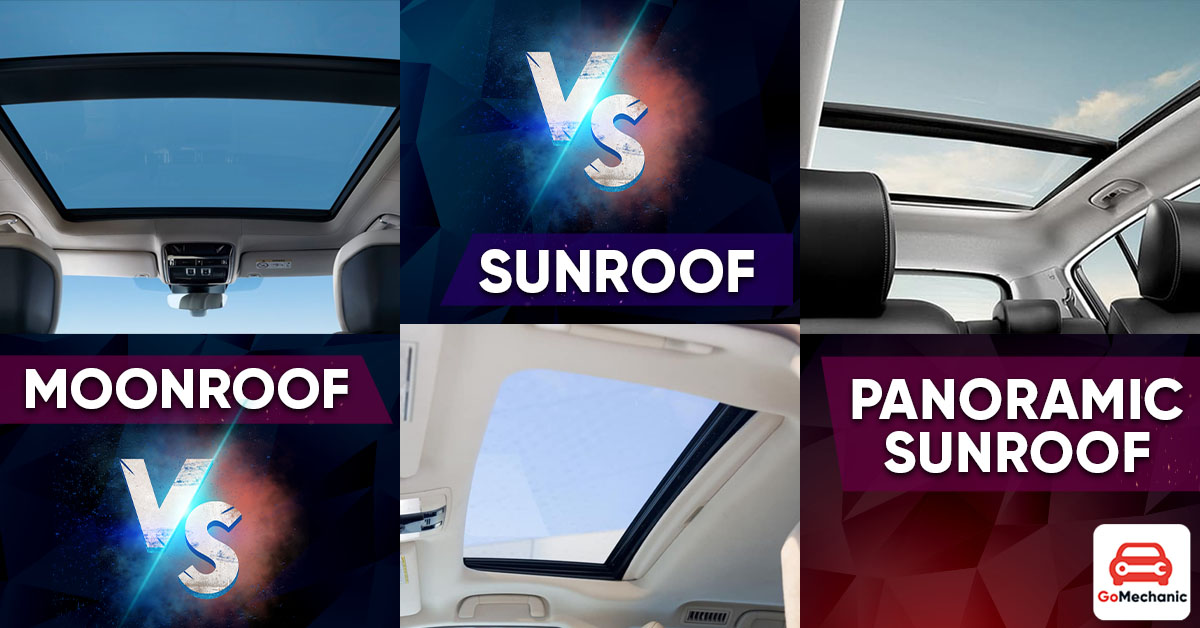
The moonroof, as a distinct concept, gained prominence in the 1970s and 1980s. The term “moonroof” is often attributed to the American Sunroof Company (ASC), which is credited with popularizing the term for a specific type of glass roof. Unlike the earlier, more utilitarian sunroofs, moonroofs were characterized by their all-glass construction. They were typically tinted, allowing light to filter into the cabin even when closed, hence the “moon” association, suggesting a softer, ambient light. Crucially, moonroofs were designed to tilt open for ventilation, but often did not slide or retract in the same way traditional sunroofs did. They were intended to provide an open and airy feel without the full exposure of a completely open sunroof. This design aimed to offer the benefits of natural light and a sense of spaciousness, while maintaining a more integrated and aesthetically pleasing look with the vehicle’s roofline.
Design and Functionality: The Key Distinctions
While both features aim to enhance the cabin experience with natural light, their physical design and operational capabilities set them apart. These differences impact everything from the amount of light and air that enters to the overall visual integration with the vehicle.
Material and Visibility: Glass vs. Opaque Panels
The most fundamental difference lies in the material. Traditional sunroofs, especially in their early forms, often featured opaque panels, typically made of metal or composite materials. These panels could be removed or tilted open to provide ventilation. In contrast, moonroofs are almost exclusively constructed from glass. This glass is usually tinted to control the amount of sunlight entering the cabin and to provide UV protection. The all-glass nature of a moonroof means that even when closed, it allows a significant amount of natural light to illuminate the interior, contributing to a brighter and more spacious feel. This distinction in material directly influences the cabin’s ambiance and the driver’s visual connection to the sky.
Operation and Integration: Sliding, Tilting, and Retracting

The way these panels operate further distinguishes them. A classic sunroof is designed to either slide open or tilt upwards, often retracting above the roofline or into a dedicated cavity within the car’s roof. This allows for a full opening, providing maximum airflow and a more open-air driving experience. Some sunroofs can even have their panels completely removed. Moonroofs, while they can also tilt open, are generally more limited in their sliding capabilities. Many moonroofs are fixed glass panels that only tilt for ventilation. When they do slide, they often retract only partially or slide above the interior headliner, rather than fully disappearing. The design of a moonroof also tends to be more integrated with the vehicle’s body, appearing as a seamless extension of the roof rather than a distinct, separate panel.
The Modern Interpretation: Panoramic Roofs and Blurring Lines
In contemporary automotive design, the distinction between sunroof and moonroof has become increasingly blurred, giving rise to new terminology and more complex implementations. The desire for expansive glass areas has led to the development of panoramic roofs, which often combine features of both traditional sunroofs and moonroofs.
Panoramic Glass Roofs: The Ultimate Open-Air Experience
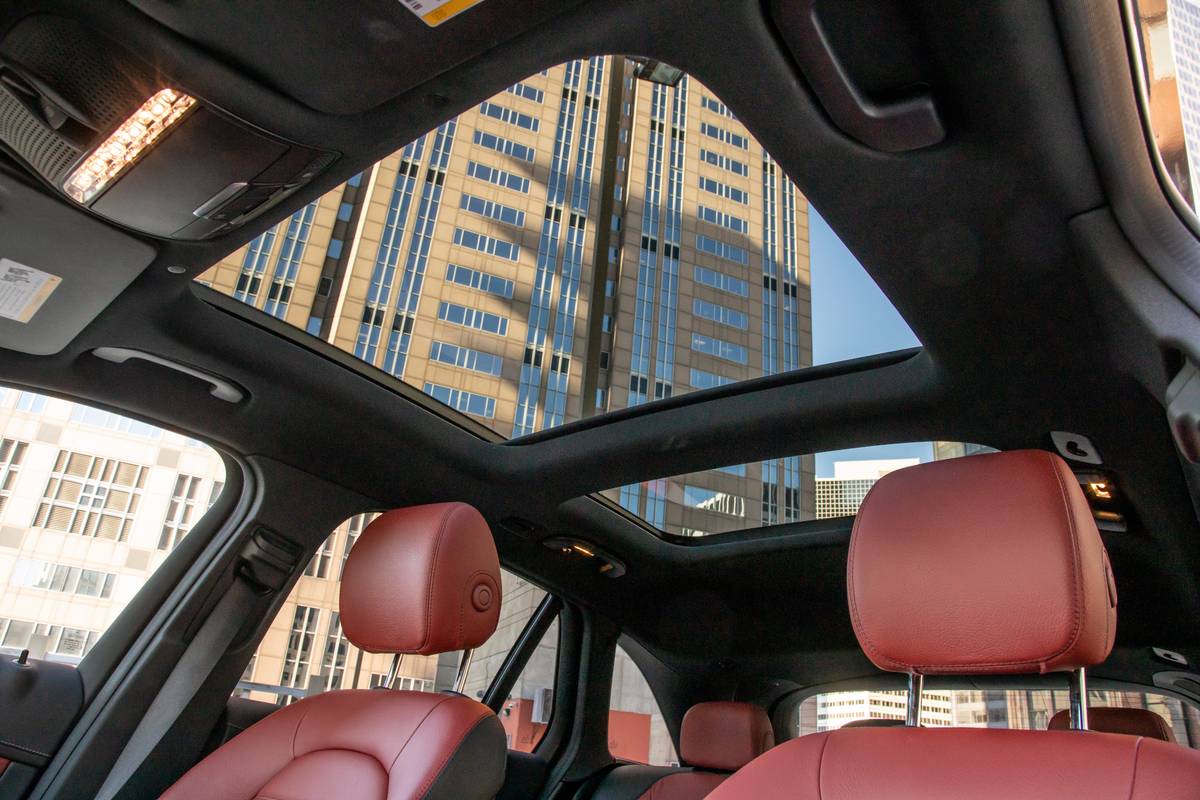
Panoramic glass roofs represent the evolution and culmination of the sunroof and moonroof concept. These are typically large glass panels that extend across a significant portion of the vehicle’s roof, often covering both the front and rear passenger areas. They offer an unparalleled sense of spaciousness and an expansive view of the sky. Many panoramic roofs are designed to be fully retractable, sliding open to create a vast, open-air experience akin to a convertible, while others are fixed glass panels that offer only ambient light. Some advanced panoramic roofs even incorporate power-retractable sunshades that can be deployed to reduce glare and heat when desired, offering the best of both worlds. The sheer size and visibility offered by panoramic roofs have made them a highly sought-after feature, particularly in luxury and family vehicles.
The Shifting Terminology and Consumer Perception
As vehicle manufacturers have introduced these more complex glass roof systems, the traditional terms “sunroof” and “moonroof” have begun to lose their clear-cut definitions. Many manufacturers now use the term “panoramic sunroof” or “panoramic moonroof” to describe these large glass installations, effectively merging the concepts. For consumers, the key distinction often boils down to whether the glass panel opens and to what extent, and the overall size and coverage of the glass. The term “moonroof” is still often associated with an all-glass panel that allows light in when closed, while “sunroof” might still imply a more traditional opening mechanism. However, in everyday language and marketing, the lines have undeniably blurred, and it’s the specific features and functionality of the glass roof system that truly matter, rather than the label applied.
Choosing the Right Glass Roof for Your Needs
When considering a vehicle with a glass roof, understanding the differences between the available options, even with the blurred terminology, can significantly impact your satisfaction. Your personal preferences for light, ventilation, and the overall cabin ambiance should guide your decision.
Assessing Your Priorities: Light, Airflow, and Aesthetics
The first step in choosing is to identify your primary motivations for wanting a glass roof. If your main goal is to maximize natural light and create a brighter, more airy cabin, a fixed panoramic glass roof or a moonroof might be ideal. These offer continuous illumination and a sense of openness without necessarily compromising structural integrity or requiring complex moving parts. On the other hand, if you prioritize the ability to enjoy fresh air and the sensation of an open-air drive, a sunroof with a robust sliding and tilting mechanism, or a panoramic roof with a fully retractable panel, would be more suitable. Consider the climate you live in and how frequently you anticipate using the ventilation features.
The Impact on Vehicle Design and Cost
The inclusion of any type of glass roof system can have implications for the vehicle’s overall design and cost. Glass roofs, especially large panoramic ones, can add weight to the vehicle, potentially affecting fuel efficiency. They can also alter the vehicle’s structural rigidity, although manufacturers employ advanced engineering to mitigate these concerns. Furthermore, glass roof systems, particularly those with sophisticated opening mechanisms and integrated features like sunshades, represent an additional cost. This cost is reflected in the vehicle’s sticker price and can vary significantly depending on the complexity and size of the glass panel. When comparing models, factor in the added expense and weigh it against the perceived benefits to ensure you are getting the best value for your investment. Ultimately, whether you opt for a sunroof, a moonroof, or a panoramic glass roof, it’s about enhancing your driving experience in a way that best suits your individual needs and preferences.
aViewFromTheCave is a participant in the Amazon Services LLC Associates Program, an affiliate advertising program designed to provide a means for sites to earn advertising fees by advertising and linking to Amazon.com. Amazon, the Amazon logo, AmazonSupply, and the AmazonSupply logo are trademarks of Amazon.com, Inc. or its affiliates. As an Amazon Associate we earn affiliate commissions from qualifying purchases.