
When posed with the question “what is the capital of Kenya?”, the immediate answer is Nairobi. However, to truly appreciate the significance of this city is to look far beyond its administrative designation. Nairobi is not merely the political and administrative heart of Kenya; it is the undisputed economic powerhouse of East Africa, a vibrant nexus of commerce, innovation, and finance that drives both national prosperity and regional development. For investors, entrepreneurs, and policymakers, understanding Nairobi’s multifaceted economic landscape is paramount to grasping the opportunities and dynamics within one of Africa’s most promising markets.
This article delves into the profound financial and economic importance of Nairobi, dissecting its role as a strategic hub, an innovation incubator, and a magnet for investment. We will explore the sectors that fuel its rapid growth, the financial mechanisms that underpin its dynamism, and the policies shaping its future, all viewed through the lens of its immense monetary impact.
Nairobi: The Undisputed Economic Engine of East Africa
Nairobi’s journey from a colonial railway camp to a sprawling, modern metropolis is a testament to its intrinsic economic magnetism. Its strategic location and burgeoning infrastructure have cemented its status as a critical player in the regional and continental economy.
A Strategic Hub for Regional Trade and Connectivity
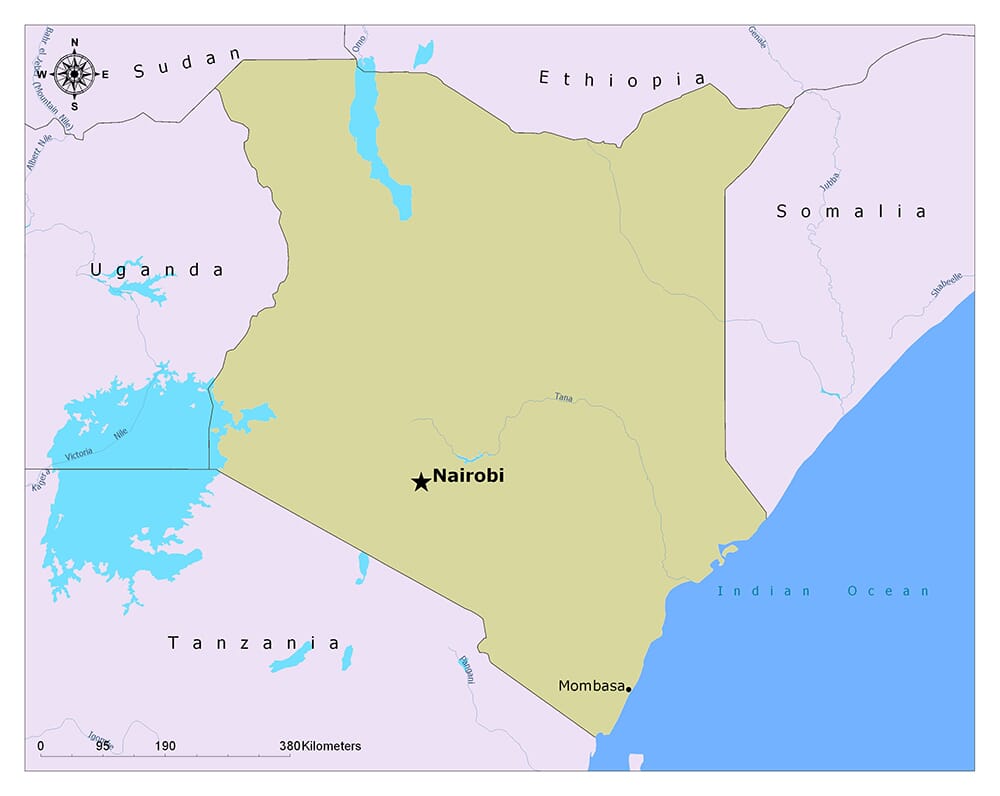
Nairobi’s geographical position is arguably its most significant economic asset. Situated centrally within East Africa, it serves as a natural gateway for goods, services, and capital flowing across the region. The Jomo Kenyatta International Airport (JKIA) is one of Africa’s busiest airports, serving as a crucial aviation hub connecting Kenya to global markets and facilitating significant cargo and passenger traffic. This connectivity is further bolstered by a developing road network that links Nairobi to neighboring Uganda, Tanzania, Ethiopia, and South Sudan, positioning it as a vital logistics and distribution center for the East African Community (EAC) bloc.
Moreover, its historical connection to the Mombasa port via the railway line (now modernized with the Standard Gauge Railway – SGR) provides an essential conduit for international trade, making Nairobi an indispensable node in the regional supply chain. This robust infrastructure and strategic location ensure that Nairobi remains at the heart of cross-border commerce, attracting businesses seeking to leverage its access to a market of over 170 million people.
Diversified Sectors Fueling Robust Growth
The economic vitality of Nairobi is not confined to a single sector but is rather the result of a diverse and dynamic array of industries. The city’s economy is a microcosm of Kenya’s national economic ambitions, contributing a disproportionately large share to the country’s Gross Domestic Product (GDP).
The financial services sector stands as a cornerstone of Nairobi’s economy, hosting the Nairobi Securities Exchange (NSE), numerous local and international banks, insurance firms, and asset management companies. This sector not only serves Kenya but also extends its reach to the wider East African region, offering sophisticated financial products and services.
The Information and Communication Technology (ICT) sector, famously dubbed “Silicon Savannah,” is another major growth driver. Nairobi has emerged as a continental leader in technological innovation, particularly in mobile money and digital solutions. This ecosystem includes a vibrant startup scene, tech incubators, and a rapidly expanding pool of skilled tech talent.
Furthermore, manufacturing, real estate, and services (including hospitality, healthcare, and education) contribute significantly. The city’s burgeoning middle class drives demand for consumer goods and services, while an active construction sector continually reshapes its skyline with commercial and residential developments. Nairobi also remains a crucial hub for tourism, serving as a primary entry point for international visitors exploring Kenya’s world-renowned wildlife parks and cultural attractions. This diversification provides resilience against economic shocks and ensures sustained growth across various segments.
Financial Innovation and Investment Opportunities in Kenya’s Capital
Nairobi’s economic prominence is underpinned by a sophisticated financial infrastructure and a pioneering spirit in digital finance, making it a compelling destination for both domestic and international investment.
A Robust and Evolving Financial Services Ecosystem
The Nairobi financial services landscape is one of the most developed in sub-Saharan Africa. The Nairobi Securities Exchange (NSE), established in 1954, is one of the continent’s oldest and largest stock exchanges, offering a platform for equities, bonds, and derivatives. It plays a crucial role in mobilizing capital for both private and public sector development, facilitating investment and wealth creation.
The banking sector is highly competitive, featuring major local players like Equity Bank and KCB Group, alongside a strong presence of international banks. These institutions provide a full spectrum of financial services, from corporate and investment banking to retail and microfinance, reaching a broad base of consumers and businesses. This robust banking system, coupled with an active insurance and asset management industry, creates a comprehensive financial ecosystem capable of supporting large-scale investment and complex financial transactions. The regulatory environment, overseen by the Central Bank of Kenya, generally adheres to international best practices, fostering confidence among investors.
Harnessing the Power of Fintech: The M-Pesa Legacy and Beyond
Nairobi stands at the forefront of financial innovation, largely due to its pioneering role in mobile money. The launch of M-Pesa in 2007 by Safaricom revolutionized financial inclusion, allowing millions of Kenyans without traditional bank accounts to send money, pay bills, and access various financial services via their mobile phones. This innovation has had a transformative impact on the national economy, dramatically increasing financial penetration and fostering a cashless economy.
The legacy of M-Pesa has spurred a vibrant fintech ecosystem in Nairobi, attracting significant venture capital and fostering a new generation of startups. Beyond mobile money transfers, this sector now encompasses digital lending platforms, challenger banks, insurtech, blockchain-based solutions, and agritech platforms, all leveraging technology to provide accessible and efficient financial services. Nairobi’s “Silicon Savannah” extends its influence deeply into financial technology, making it a hotbed for experimentation and growth in digital finance, attracting global attention and investment.
Key Investment Avenues and Attracting Foreign Direct Investment (FDI)

Nairobi’s dynamic economy presents numerous attractive investment avenues. Infrastructure development remains a high-priority area, with ongoing projects in transport (roads, railways, urban mass transit), energy (renewable energy projects like geothermal and wind power), and water infrastructure. These projects often benefit from public-private partnerships (PPPs) and offer significant returns for investors.
The burgeoning real estate sector continues to draw capital, driven by demand for commercial spaces, retail outlets, and residential housing (especially affordable housing solutions). The ICT sector, with its proven track record of innovation, offers opportunities in software development, e-commerce, and data analytics. Other promising sectors include healthcare (modernization of facilities, specialized services), education, and agribusiness value addition, which seeks to process raw agricultural products for higher market value.
The Kenyan government has actively pursued policies to attract Foreign Direct Investment (FDI), including establishing Special Economic Zones (SEZs) that offer tax incentives, streamlined regulations, and developed infrastructure. Nairobi’s position as a regional headquarters for many multinational corporations underscores its appeal as a stable and profitable investment destination in Africa.
Navigating the Business Environment: Policies, Challenges, and Future Outlook
While Nairobi offers significant economic promise, understanding its business environment requires an appreciation of both the enabling policies and the persistent challenges that shape its trajectory.
Government Reforms and an Increasingly Favorable Business Climate
The Kenyan government has made concerted efforts to improve the ease of doing business, recognizing that a conducive regulatory environment is crucial for attracting and retaining investment. Initiatives under the Vision 2030 long-term development blueprint and subsequent medium-term plans have focused on streamlining business registration processes, enhancing contract enforcement, improving access to credit, and strengthening property rights. Anti-corruption measures and efforts to improve governance also contribute to a more predictable and transparent investment climate.
Furthermore, specific policies aimed at nurturing local industries, promoting exports, and fostering innovation, particularly in the tech sector, have contributed to Nairobi’s growth. These reforms signal a commitment to creating an attractive environment for both local and international investors, aiming to solidify Nairobi’s status as a leading business hub in Africa.
Addressing Infrastructural Gaps and Urban Challenges
Rapid urbanization, while a sign of economic dynamism, also brings its own set of challenges. Nairobi, like many fast-growing African cities, grapples with issues such as traffic congestion, housing deficits, and strain on public services like water and sanitation. These challenges can impact business efficiency and the overall quality of life.
However, the government and private sector are actively working to address these gaps. Significant investments are being made in urban infrastructure, including the development of new bypasses, expansion of public transport systems (e.g., bus rapid transit), and plans for light rail. Smart city initiatives are also being explored to leverage technology in managing urban resources more effectively. While these challenges persist, the proactive approach to resolving them indicates a strong commitment to sustainable urban and economic development.
Cultivating Human Capital and Innovation
Nairobi benefits from a large, youthful, and increasingly educated workforce. The city is home to numerous universities, technical colleges, and vocational training centers, producing a steady stream of graduates across various disciplines, including engineering, IT, finance, and business. This human capital is a critical asset, fueling innovation and entrepreneurship.
The presence of numerous incubators, accelerators, and co-working spaces further nurtures a vibrant startup culture, particularly in the tech and fintech sectors. These hubs provide mentorship, funding, and networking opportunities, allowing young entrepreneurs to develop and scale their ventures. This ecosystem of talent and innovation is crucial for Nairobi’s continued economic evolution and its ability to adapt to global economic trends.
Nairobi’s Indispensable Role in Kenya’s National Economic Vision
Nairobi is not just a capital city; it is an embodiment of Kenya’s national aspirations and a key driver of its broader economic strategy.
The Nexus of Political and Economic Power
As the political capital, Nairobi is where national economic policies are formulated, legislation is passed, and major developmental decisions are made. This intrinsic link between political governance and economic strategy means that Nairobi is the central stage for all national development dialogues. Its economic health often mirrors the overall health of the Kenyan economy, and its infrastructure and services are prioritized to support national objectives. The concentration of government ministries, regulatory bodies, and diplomatic missions in Nairobi also facilitates a dynamic environment for policy advocacy and international economic partnerships.
A Catalyst for Regional Integration and Pan-African Growth
Beyond its national importance, Nairobi plays a crucial role in regional economic integration within the East African Community (EAC) and broader continental initiatives. Its status as a regional hub for multinational corporations, international organizations, and diplomatic missions positions it as a key influencer in regional trade agreements, investment policies, and cross-border collaborations. By fostering a vibrant economic environment, Nairobi not only serves Kenya’s interests but also acts as a catalyst for growth and stability across East Africa, contributing to the vision of a more integrated and prosperous African continent.

Conclusion
To answer “what is the capital of Kenya?” as simply “Nairobi” is to overlook a profound economic narrative. Nairobi is far more than a geographical or administrative point; it is a dynamic economic powerhouse, a hub of financial innovation, and a magnet for investment that stands as a beacon of potential in East Africa. Its diversified economy, robust financial sector, pioneering spirit in fintech, and strategic regional connectivity paint a picture of a city poised for continued growth. While challenges exist, the concerted efforts towards infrastructural development, policy reform, and human capital cultivation underscore a deep commitment to its future. For anyone looking to understand the economic pulse of Kenya, and indeed a significant portion of East Africa, Nairobi remains the essential starting point – a testament to urban dynamism and economic ambition on the African continent.
aViewFromTheCave is a participant in the Amazon Services LLC Associates Program, an affiliate advertising program designed to provide a means for sites to earn advertising fees by advertising and linking to Amazon.com. Amazon, the Amazon logo, AmazonSupply, and the AmazonSupply logo are trademarks of Amazon.com, Inc. or its affiliates. As an Amazon Associate we earn affiliate commissions from qualifying purchases.