
In an era saturated with choices, where every street corner, digital feed, and culinary trend seems to offer a new take on an old classic, the simple burger stands as an enduring icon. But to ask “what the burger” today is to pose a profound question not just about a food item, but about the very essence of modern branding. It’s a rhetorical gasp of surprise, a nod to innovation, and a challenge to conventional thinking that applies squarely to how brands, particularly within the competitive quick-service restaurant (QSR) sector, forge their identity, connect with consumers, and carve out a memorable niche.
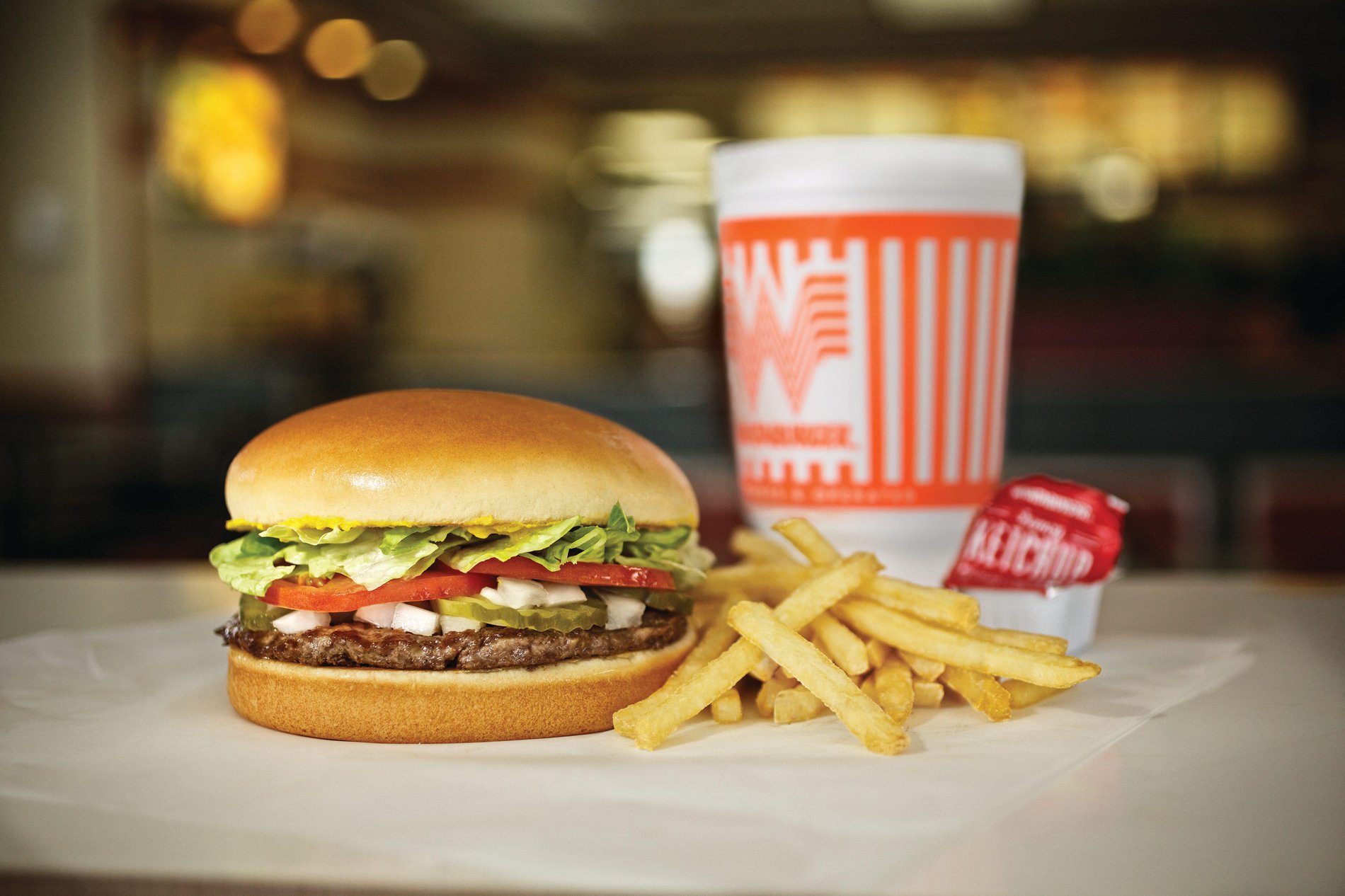
The burger, in its myriad forms, is more than just meat and bread; it’s a canvas for cultural expression, a symbol of convenience, and increasingly, a battleground for brand distinction. From gourmet patties served with artisanal cheeses to plant-based marvels challenging traditional palates, the evolution of the burger reflects deeper shifts in consumer values, technological adoption, and marketing sophistication. This article delves into the intricate world of burger branding, exploring how companies move beyond mere ingredients to create unforgettable experiences and resonant identities in a market brimming with competitors.
The Evolving Anatomy of a Burger Brand: Beyond Buns and Patties
At its core, a brand is a promise—a set of expectations, experiences, and emotions associated with a product or service. For burger brands, this promise has undergone a radical transformation, moving far beyond the simple satisfaction of hunger. Today, the brand narrative is as crucial as the patty itself, dictating how a business is perceived and whether it can foster lasting loyalty.
From Commodity to Cult: Shifting Perceptions
For decades, the burger was largely a commodity, a uniform product offered by a few dominant players. Brands like McDonald’s and Burger King built empires on consistency, speed, and affordability. Their branding focused on universal appeal, family values, and a reliable, albeit generic, experience. However, the 21st century ushered in a new era of culinary discernment and consumer expectation. The rise of “fast-casual” and gourmet burger joints demonstrated a yearning for quality ingredients, unique flavor profiles, and a more personalized experience.
This shift challenged established brands and opened the door for newcomers to build cult followings. Think of In-N-Out Burger’s regional mystique, Shake Shack’s urban sophistication, or Five Guys’ emphasis on fresh ingredients and customization. These brands weren’t just selling burgers; they were selling a lifestyle, a commitment to quality, or an exclusive experience. Their branding strategy moved from generic utility to specific, desirable identity, transforming a commodity into a coveted experience, often celebrated by fervent brand advocates. This transition underscores that in today’s market, perception and emotional connection can outweigh price point or even pure convenience.
The Digital Plate: Branding in the Age of Social Media
The advent of social media irrevocably altered the landscape of brand building. For burger brands, this meant a transition from static advertising to dynamic, interactive engagement. A brand’s online presence is now an extension of its physical restaurant, a digital storefront where stories are shared, feedback is given, and communities are built.
Visual platforms like Instagram and TikTok have become crucial for showcasing food aesthetics, behind-the-scenes glimpses, and user-generated content. A beautifully plated burger, an enticing video of sizzling patties, or a customer review accompanied by mouth-watering photography can significantly amplify a brand’s reach and appeal. Moreover, social media provides a direct channel for brands to develop a distinct voice and personality. Wendy’s, for instance, gained significant traction through its witty, often sarcastic Twitter persona, engaging directly with competitors and customers in a way that felt authentic and highly entertaining. This digital engagement transforms consumers from passive recipients of marketing messages into active participants in the brand narrative, fostering a sense of ownership and loyalty.
Crafting the Core: Identity in a Saturated Market
In a market overflowing with options, clarity of identity is paramount. A burger brand must meticulously define its core values, target audience, and unique selling proposition (USP). Is it focused on premium ingredients, sustainable sourcing, innovative flavors, or unmatched value? Every element of the brand—from its name and logo to its menu and marketing—must align with this core identity.
For smaller, independent burger joints, identity often stems from local roots, artisanal craftsmanship, or a niche dietary focus (e.g., vegan, gluten-free). For larger chains, it involves continuous reinvention while retaining brand recognition. This might mean introducing limited-time offers (LTOs) that generate buzz, collaborating with celebrity chefs, or investing in community initiatives that resonate with their target demographic. The goal is to create an identity that is not only distinctive but also deeply meaningful to the intended consumer, ensuring that “what the burger” means to them is a clear and compelling story.
Marketing’s Secret Sauce: Capturing Attention in a Crowded Fryer
Effective marketing for burger brands is less about shouting the loudest and more about crafting a narrative that resonates, surprises, and even provokes. It’s about creating a “secret sauce” that makes people stop, look, and ultimately, bite.
The Power of Provocation: Edgy Campaigns and Brand Voice
In a sea of similar offerings, some burger brands have mastered the art of provocation to cut through the noise. Burger King, historically known for its “Have It Your Way” mantra, has more recently leaned into bolder, often humorous, and sometimes controversial campaigns. From “The Whopper Detour” which leveraged geolocation technology to lure McDonald’s customers, to campaigns openly acknowledging the downsides of their products (like the moldy Whopper), Burger King has consistently pushed boundaries.
This strategy, while risky, can generate immense media attention and solidify a distinct brand voice—one that is confident, unapologetic, and unafraid to challenge conventions. It creates conversations, sparks debate, and positions the brand as a thought leader or, at the very least, an entertaining provocateur in the fast-food space. Such campaigns are not just about selling burgers; they’re about building a brand persona that audiences remember and, importantly, talk about. The “what the burger” moment these campaigns create is precisely their objective: to elicit a strong, memorable reaction.
Authenticity vs. Aspiration: Telling Your Brand Story
Consumers are increasingly wary of inauthentic messaging. They seek transparency and a genuine connection with the brands they support. For burger brands, this means moving beyond generic claims of “quality” to demonstrating it through their sourcing practices, cooking methods, and company culture. Brands that tell a compelling story—about their origins, their commitment to local farmers, or their passion for culinary innovation—are more likely to forge deeper connections.
Conversely, aspiration also plays a significant role. Brands like Shake Shack, while built on a foundation of quality ingredients, also project an aspirational lifestyle—an urban, foodie-approved experience. Their branding extends beyond the food to the entire ambiance, packaging, and digital presence, creating a cohesive narrative of elevated fast-casual dining. The balance lies in being authentic to what the brand is while inspiring consumers with what it could be for them.
Experiential Dining: Beyond the Drive-Thru
While convenience remains a cornerstone, many burger brands are investing in creating memorable in-store experiences. This can range from the retro-chic diner aesthetic of a classic American burger joint to the minimalist, modern design of a gourmet burger bar. The physical environment plays a crucial role in brand perception, influencing how customers feel about their meal and the brand itself.
Beyond decor, experiential elements like open kitchens (showcasing fresh ingredients and preparation), interactive ordering kiosks, or even curated music playlists contribute to a holistic brand experience. For many, dining out is as much about the social occasion and the atmosphere as it is about the food. Brands that recognize this and design their spaces to enhance the overall customer journey cultivate a stronger emotional connection and encourage repeat visits and positive word-of-mouth.
Design DNA: The Visual Feast and Functional Form
Brand design encompasses everything from the logo and color palette to packaging and interior decor. It’s the visual language that communicates a brand’s identity and promise without uttering a single word. For burger brands, this visual feast is critical in a category where appetite appeal is paramount.
Packaging as a Persona: First Impressions and Sustainability
The packaging of a burger is often the first tangible interaction a customer has with the product, especially in the age of takeout and delivery. It’s not just about containment; it’s about conveying brand identity, enhancing the eating experience, and increasingly, reflecting values like sustainability. High-quality, thoughtfully designed packaging can elevate a simple burger into a premium offering, using vibrant colors, engaging graphics, and tactile materials that reinforce the brand’s aesthetic.

Furthermore, with growing environmental consciousness, sustainable packaging solutions—biodegradable materials, recycled content, or minimalist designs that reduce waste—are becoming crucial brand differentiators. Brands that commit to eco-friendly packaging aren’t just being responsible; they’re communicating a core value that resonates with a significant segment of consumers, demonstrating that “what the burger” encompasses a broader commitment to the planet.
Interior Alchemy: Crafting the In-Store Experience
The physical restaurant space is a three-dimensional manifestation of a burger brand’s identity. Every detail, from the lighting and furniture to the menu boards and artwork, contributes to the overall ambiance and brand message. A minimalist, industrial design might signal modernity and efficiency, while a warm, rustic aesthetic could evoke comfort and tradition.
Successful interior design creates an environment that not only reflects the brand’s personality but also enhances the dining experience. It encourages customers to linger, socialize, and connect with the brand on a deeper level. This attention to detail transforms a transactional meal into a memorable occasion, reinforcing the brand’s promise and fostering a sense of community.
Logo Evolution: Balancing Heritage and Modernity
A brand’s logo is its most condensed visual identifier. For established burger chains, the challenge lies in evolving their logo to remain contemporary and relevant without losing the heritage and recognition they’ve built over decades. Brands like McDonald’s, with its iconic golden arches, or Burger King, with its bun-inspired emblem, have undergone subtle yet significant redesigns over the years, often simplifying their aesthetics to align with modern design principles while preserving their core visual elements.
Newer brands, on the other hand, have the opportunity to create fresh, bold logos that immediately communicate their unique positioning. Whether it’s a whimsical illustration, a sleek typographic mark, or an abstract symbol, the logo must be instantly recognizable, adaptable across various platforms, and evocative of the brand’s promise. It’s the visual shorthand for “what the burger” represents.
The Future Feast: Innovation and Adaptation in Burger Branding
The burger market is dynamic, constantly influenced by dietary trends, technological advancements, and evolving consumer ethics. Brands that thrive are those that anticipate these shifts and adapt their offerings and branding strategies accordingly.
Plant-Based Pundits and Sustainable Sourcing: Aligning Values
Perhaps no trend has impacted the burger industry more significantly than the rise of plant-based alternatives. Brands like Impossible Foods and Beyond Meat have not only created compelling meat substitutes but have also built strong brands around their mission of sustainability and ethical consumption. Traditional burger chains have responded by integrating these options into their menus, often creating distinct branding around their plant-based offerings to appeal to a wider, more conscious consumer base.
Beyond plant-based, sustainable sourcing for beef, poultry, and even vegetables has become a key brand differentiator. Brands that transparently communicate their commitment to ethically raised animals, locally sourced produce, or eco-friendly farming practices resonate strongly with consumers who prioritize values alongside taste and price. This alignment of brand with consumer values is no longer a niche concern but a mainstream expectation.
Hyper-Personalization: The Bespoke Burger Experience
The future of burger branding will increasingly lean towards hyper-personalization, leveraging data and technology to offer tailored experiences. This goes beyond simple customization (e.g., adding toppings) to offering personalized recommendations, loyalty programs that anticipate preferences, and even AI-powered ordering systems that learn from past choices.
Apps that remember favorite orders, exclusive deals based on purchasing history, and digital interfaces that allow for intricate modifications all contribute to a feeling of being understood and valued. This bespoke approach transforms the generic QSR experience into a highly individualized interaction, strengthening customer loyalty and providing a premium feel even at scale.
The Ghost Kitchen Phenomenon: Branding Without Bricks
The rise of ghost kitchens and virtual brands presents a unique branding challenge and opportunity. These delivery-only operations often exist without a physical storefront, relying entirely on digital presence, packaging, and marketing to build brand recognition and trust. For burger brands operating in this space, the digital experience—from the app interface to the social media feed—becomes the primary brand touchpoint.
This necessitates an even greater focus on compelling visual branding, a strong and consistent brand voice, and seamless customer service through digital channels. Without the physical restaurant to reinforce identity, packaging, online reviews, and influencer collaborations become paramount in establishing what “what the burger” means for these disembodied brands.
The True Taste Test: Measuring Brand Impact and Loyalty
Ultimately, the effectiveness of a burger brand’s strategy is measured by its impact on consumer behavior and its ability to cultivate lasting loyalty. It’s about translating buzz into sustained business.
From Buzz to Business: ROI on Brand Investment
Brand building is not just an artistic endeavor; it’s a strategic investment with measurable returns. Tracking metrics like brand awareness, customer acquisition costs, repeat purchase rates, and customer lifetime value are crucial for understanding the ROI on marketing campaigns, design updates, and brand repositioning efforts. A successful “what the burger” moment translates into increased foot traffic (or digital orders), higher sales, and improved market share.
Furthermore, a strong brand can command premium pricing, attract better talent, and even make a company more resilient during economic downturns. The emotional connection forged through effective branding creates a barrier to entry for competitors and ensures that consumers consistently choose one brand over another, even when alternatives are readily available.
Cultivating Community: The Heart of Repeat Business
Beyond individual transactions, successful burger brands foster a sense of community. This can manifest through loyalty programs that reward frequent customers, events that bring people together, or simply by creating a welcoming atmosphere where customers feel a sense of belonging. Social media engagement, responding to feedback, and creating opportunities for user-generated content are all ways to nurture this community.
When customers feel part of a brand’s story, they become its most powerful advocates, sharing their positive experiences with friends and family. This organic word-of-mouth marketing is invaluable, driving authentic growth and solidifying the brand’s place in the cultural consciousness.
Navigating Crises: Brand Resilience in a Volatile World
No brand is immune to challenges, whether they are supply chain disruptions, public relations crises, or shifts in consumer preferences. A strong brand, built on trust, transparency, and a clear identity, is far more resilient in the face of adversity. Brands that have consistently communicated their values and delivered on their promises are better positioned to weather storms, as their loyal customers are more likely to extend grace and understanding.
In a crisis, a brand’s voice and actions speak volumes. How it responds to criticism, addresses concerns, and demonstrates its commitment to its values can either erode or strengthen its reputation. Ultimately, the question of “what the burger” becomes one of enduring integrity, demonstrating that even a seemingly simple product can be the cornerstone of a complex, resilient, and beloved brand. The journey from a mere food item to a cultural touchstone is a testament to the power of strategic branding in an ever-evolving world.
aViewFromTheCave is a participant in the Amazon Services LLC Associates Program, an affiliate advertising program designed to provide a means for sites to earn advertising fees by advertising and linking to Amazon.com. Amazon, the Amazon logo, AmazonSupply, and the AmazonSupply logo are trademarks of Amazon.com, Inc. or its affiliates. As an Amazon Associate we earn affiliate commissions from qualifying purchases.