
In an era defined by information overload and a relentless stream of digital noise, the question “What the blog?” has shifted from a casual inquiry into a profound strategic dilemma. For modern organizations and entrepreneurs, a blog is no longer just a chronological collection of posts or a secondary marketing channel. It is the central nervous system of a brand’s identity. When executed with precision, a blog serves as the definitive voice of a brand, a repository of its values, and a primary engine for building authority in a crowded marketplace. However, without a cohesive brand strategy, a blog becomes a liability—a disjointed mess of content that leaves readers questioning the brand’s purpose rather than connecting with its message.
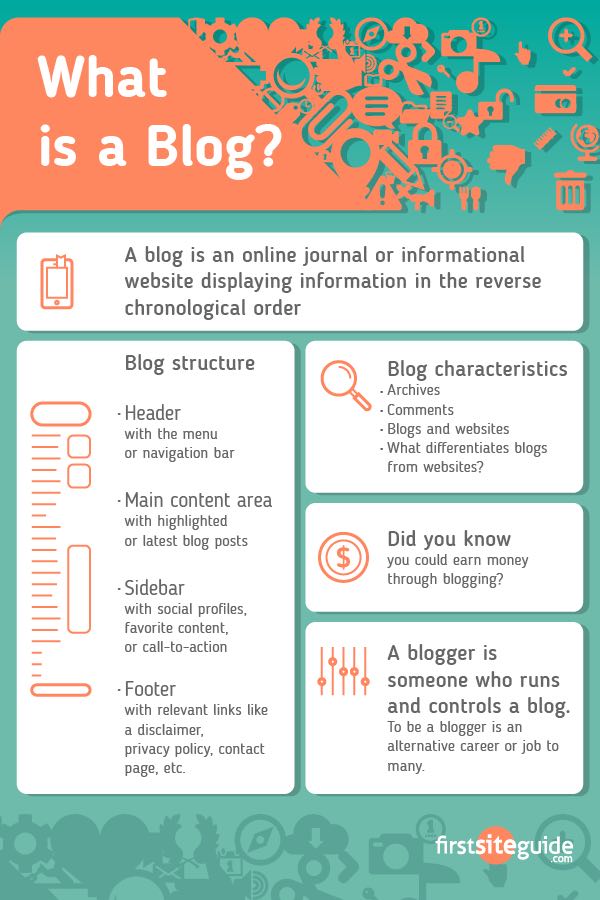
To master the art of the brand-centric blog, one must move beyond the superficial metrics of clicks and views. Instead, the focus must shift toward how every sentence, image, and insight contributes to a singular, recognizable corporate or personal identity. This article explores the evolution of blogging as a brand tool, providing a blueprint for transforming digital content into a powerful strategic asset.
The Identity Crisis: Why Most Blogs Fail the Brand Test
The most common mistake in digital marketing is the separation of “content creation” from “brand building.” Many businesses approach their blog as a technical requirement for SEO or a repository for company news. This results in the “What the blog?” reaction—where a visitor arrives at a page and cannot discern the personality, the mission, or the unique value proposition of the entity behind the screen.
Finding Your Authentic Voice
Brand identity is anchored in voice. Is your brand a “provocative disruptor,” a “trusted advisor,” or a “creative visionary”? Too often, blogs adopt a sanitized, corporate tone that is indistinguishable from their competitors. This lack of character creates a vacuum where brand loyalty should be. To solve this, creators must audit their content for authentic traits. An authentic voice is consistent across all platforms; it uses specific vocabulary, maintains a particular rhythm, and isn’t afraid to take a stand on industry issues. When your blog reflects a genuine personality, it moves from being a commodity to being a companion for your audience.
Consistency vs. Chaos
Consistency is the bedrock of brand recognition. This extends far beyond a posting schedule. It encompasses the “visual-verbal” alignment of every piece of content. If your brand strategy emphasizes luxury and precision, a blog post filled with low-quality stock images and typos creates a cognitive dissonance that erodes trust. Brand-led blogging requires a strict adherence to style guides—ensuring that every headline, meta-description, and pull-quote feels like it belongs to the same universe. When your audience knows what to expect, they begin to rely on your brand as a stable source of truth.
Strategic Content Pillars: Building the Brand Foundation
A successful brand blog does not try to be everything to everyone. It is built upon 3–5 core content pillars that represent the intersection of what the brand knows and what the audience needs. These pillars act as the structural integrity of the brand’s digital presence, ensuring that the narrative remains focused and impactful.
Defining Your Value Proposition
Before writing a single word, a brand must answer: “What unique value does this blog provide that cannot be found elsewhere?” In branding, this is known as the Unique Value Proposition (UVP). If you are a design agency, your blog shouldn’t just talk about design; it should offer a specific philosophy on design—perhaps “Minimalism as a Tool for Scalability.” By narrowing the focus, you position your brand as a specialized authority. This clarity helps filter out irrelevant traffic and attracts a high-value audience that aligns with your brand’s commercial goals.
Mapping Content to the Customer Journey
A brand blog is a strategic funnel. It should address the various stages of the customer’s relationship with the brand, from initial awareness to long-term advocacy.
- Awareness Pillars: High-level thought leadership that challenges industry norms.
- Consideration Pillars: Case studies and deep dives that demonstrate the brand’s methodology.
- Decision Pillars: Practical guides and transparency reports that build the final layer of trust.
By mapping content to these stages, the blog becomes more than a collection of articles; it becomes a guided experience that introduces the reader to the brand’s world and eventually converts them into a brand ambassador.
Visual and Verbal Cohesion: The Aesthetics of Trust
In the digital space, “Brand” is often a synonym for “Trust.” Research consistently shows that users judge the credibility of a website based on its visual design and the quality of its communication within milliseconds. For a blog to be a successful branding tool, it must marry high-level aesthetics with high-quality prose.

The Design Language of Digital Presence
The “What the blog” reaction often stems from a poor user interface (UI) or user experience (UX). If the blog is cluttered with intrusive ads, mismatched fonts, or a layout that ignores mobile responsiveness, the brand’s perceived value drops. Strategic branding requires a “design language”—a set of rules regarding color palettes, white space, and typography that mirror the brand’s core identity. A tech brand might use sleek, dark-mode interfaces with neon accents to signal innovation, while a sustainable lifestyle brand might opt for earthy tones and organic textures. The blog is the digital storefront; it must look the part.
Tone of Voice and Messaging Alignment
Beyond the visual, the verbal identity must be ironclad. Every blog post should undergo a “brand filter” test. This involves asking: “Does this sound like us?” and “Does this support our long-term brand narrative?” If your brand is built on being “approachable and human,” your blog should avoid overly technical jargon that alienates the reader. Conversely, if you are positioning your brand as a “high-level strategic partner,” your language should be sophisticated and analytical. Messaging alignment ensures that the blog reinforces the brand’s position in the marketplace with every word published.
From Content to Community: The Human Side of Branding
One of the most powerful aspects of modern branding is the shift from “Company” to “Community.” A blog should not be a monologue; it should be the catalyst for a conversation. In the era of social media, the blog remains the “home base”—the only piece of digital real estate that the brand truly owns and controls.
Leveraging Personal Branding for Corporate Success
There is a growing trend of “face-led” corporate blogs. Audiences find it easier to connect with people than with faceless logos. By integrating personal branding—featuring insights from the CEO, lead designers, or frontline experts—a brand becomes relatable. This “human-centric” approach to blogging allows a company to show its culture, its struggles, and its triumphs. When readers see the people behind the brand, they develop an emotional connection that transcends the transactional.
Measuring Brand Impact Beyond the Metrics
While SEO and traffic are important, the true success of a brand-led blog is measured in “Brand Equity.” This is the intangible value that comes from being the first name a customer thinks of when they have a problem. Metrics like “time on page,” “return visitor rate,” and “branded search volume” are better indicators of brand health than simple page views. If people are searching for your blog by name, you have moved past being a content creator and have become a brand destination.
The Future of Brand Publishing
As we look toward the future, the “What the blog?” question will continue to evolve alongside technology. With the rise of AI-generated content, the value of a brand’s unique perspective and high-quality storytelling has never been higher.
AI and the Search for Human Originality
Artificial intelligence can generate thousands of words in seconds, but it cannot create a brand’s soul. The future of blogging lies in “Human Originality.” Brands that use their blog to share proprietary data, unique case studies, and contrarian opinions will thrive. The goal is to provide the “human touch” that AI lacks—the nuance, the empathy, and the lived experience that defines a world-class brand.
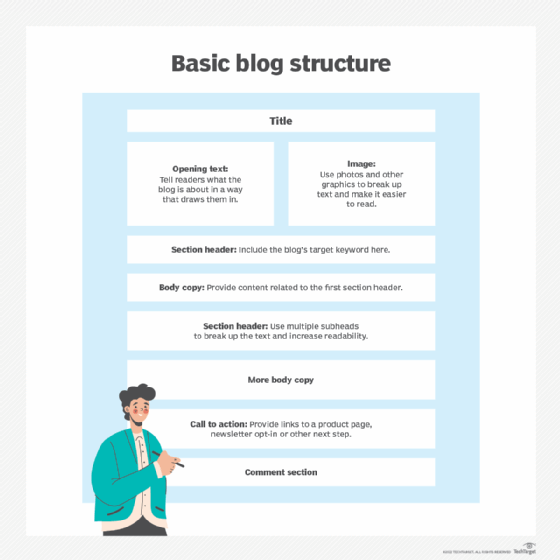
Long-form Content as a Trust Signal
In a world of short-form video and ephemeral content, long-form blog posts have become a significant trust signal. A 2,000-word deep dive into a complex topic tells the audience that your brand is a serious, dedicated expert. It shows a commitment to providing value without expecting an immediate sale. This “slow marketing” builds a foundation of authority that is difficult for competitors to replicate.
In conclusion, “What the blog” is not just a title; it is a challenge to every brand to reconsider its digital narrative. By focusing on authentic voice, strategic pillars, visual cohesion, and community building, a blog ceases to be a mere marketing tactic. It becomes the heart of the brand—a living, breathing representation of identity that informs, inspires, and endures.
aViewFromTheCave is a participant in the Amazon Services LLC Associates Program, an affiliate advertising program designed to provide a means for sites to earn advertising fees by advertising and linking to Amazon.com. Amazon, the Amazon logo, AmazonSupply, and the AmazonSupply logo are trademarks of Amazon.com, Inc. or its affiliates. As an Amazon Associate we earn affiliate commissions from qualifying purchases.