
The Bible, a collection of ancient texts revered by billions, has profoundly influenced human history, culture, and societal norms. Its narratives, laws, and wisdom have been interpreted and reinterpreted across millennia, shaping ethical frameworks, legal systems, and, crucially for our understanding, the very perception of women. While often discussed within theological or historical contexts, the biblical portrayal of women has also had a significant, albeit often implicit, impact on the evolution of branding, marketing, and the construction of both personal and corporate identities. This exploration delves into how these deeply ingrained narratives have informed, and continue to inform, the way women are positioned, perceived, and marketed across diverse sectors.

The Bible presents a complex and often paradoxical tapestry of female characters and roles. From the foundational figures of Eve and Sarah to influential prophetesses like Miriam and Deborah, and the pivotal presence of Mary, mother of Jesus, these women are depicted with a spectrum of human qualities: obedience and rebellion, strength and vulnerability, wisdom and folly, faith and doubt. Understanding these archetypes, and the interpretations they have spawned, is essential to grasping how they have indirectly, yet powerfully, shaped the “brand” of womanhood throughout history and continue to do so in our modern, commercialized world.
Biblical Archetypes and Their Brand Manifestations
The enduring narratives within the Bible have, over centuries, solidified into identifiable archetypes. These archetypes, laden with cultural significance, have served as implicit blueprints for understanding and portraying women. In the context of branding, these archetypes can manifest in marketing campaigns, product design, and the very positioning of brands that target or feature women.
The Matriarchal Foundation: Eve and the Origin Story
The Genesis account of Eve’s creation and her role in the Fall has been one of the most enduring and debated narratives concerning women. Eve is often presented as the origin of humanity and, in many interpretations, the instigator of sin. This narrative has, historically, contributed to perceptions of women as inherently susceptible to temptation, requiring guidance, and possessing a nature that can lead to disruption.
Brand Implications: In early marketing, this archetype might have translated into portraying women primarily in domestic roles, emphasizing their nurturing and home-making capabilities. Advertisements for household products, food, and child-rearing items often leaned into this “Eve” archetype, positioning women as the custodians of the home and family, a core element of their societal “brand.” Even in contemporary marketing, the emphasis on domesticity, while evolving, still subtly draws from these foundational perceptions. Brands that successfully tap into these deeply ingrained cultural understandings of femininity often achieve resonance by aligning with, or consciously challenging, these archetypal representations. The “perfect homemaker” brand, for instance, is a direct descendant of these early narratives.
The Virtuous and the Fallen: Proverbial Women and Moral Framing
The Book of Proverbs, particularly chapter 31, offers a detailed portrait of the “virtuous woman.” She is depicted as diligent, resourceful, wise in her dealings, compassionate, and a capable manager of her household and business affairs. This idealized figure has been a powerful benchmark for female virtue and success. Conversely, other biblical narratives present cautionary tales of women whose actions lead to negative consequences, contributing to a broader societal framing of female morality.
Brand Implications: The “virtuous woman” archetype provides a rich source for aspirational branding. Companies targeting professional women or those seeking to empower them often draw upon this image of competence, strength, and moral integrity. The emphasis on ethical business practices, community involvement, and personal achievement in modern brand messaging can be seen as echoes of this ancient ideal. Conversely, brands that have historically focused on “sinful” or “temptress” archetypes, though often implicitly, have also played on the duality presented in biblical narratives. The subtle use of allure and desirability in fashion and beauty marketing, while not exclusively biblical, taps into an ancient understanding of feminine power and its potential for both attraction and danger, a duality present in biblical portrayals. The successful branding of certain luxury goods, for example, often relies on an aspirational, yet subtly alluring, portrayal of women.
The Prophets and Leaders: Miriam, Deborah, and Huldah
Beyond domesticity and moral instruction, the Bible also highlights women who exercised significant leadership and spiritual authority. Miriam, the prophetess and sister of Moses, played a crucial role in the Exodus. Deborah served as a judge and military leader in ancient Israel. Huldah was a respected prophetess consulted by King Josiah. These figures demonstrate that biblical narratives are not solely confined to a patriarchal framework, but also acknowledge and celebrate women’s agency and influence.
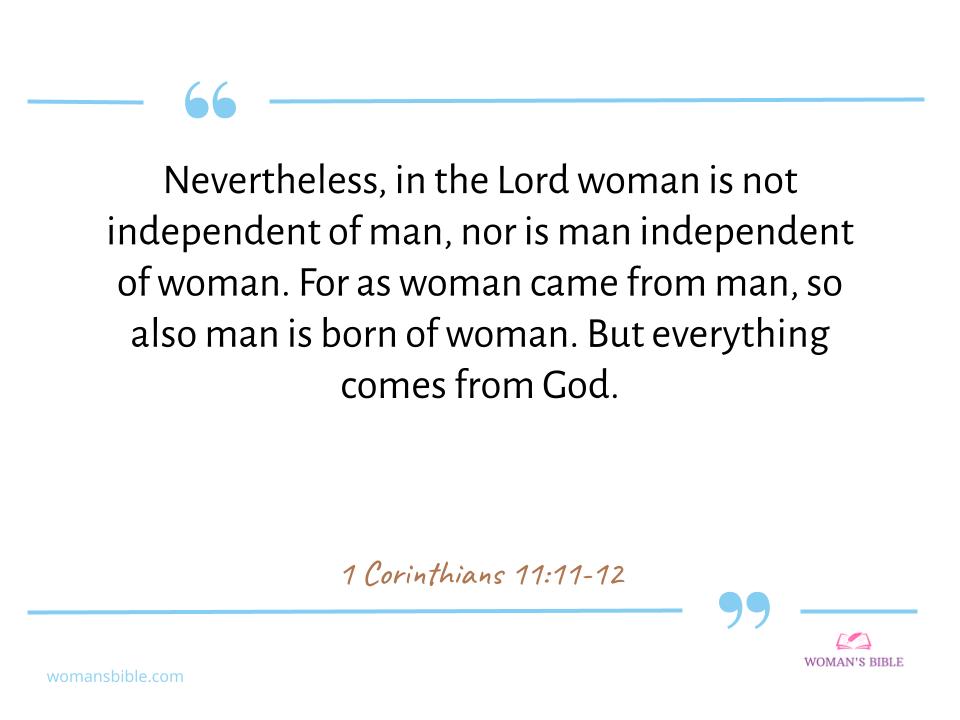
Brand Implications: These narratives offer powerful counterpoints to more restrictive interpretations and provide a basis for brands seeking to champion female leadership and empowerment. In an era where diversity and inclusion are paramount, brands that highlight stories of female leadership, resilience, and innovation can resonate deeply with audiences. Marketing campaigns that feature women in positions of power – as CEOs, scientists, or political leaders – are directly drawing from the legacy of these biblical figures. The “girl boss” phenomenon, while a modern construct, finds its roots in these ancient examples of female authority. Brands that successfully position themselves as advocates for women’s advancement can leverage this historical precedent to build a strong and authentic brand identity. The emphasis on authenticity and social responsibility in modern branding often involves showcasing women breaking barriers, a narrative that finds historical precedent in these biblical accounts.
Interpretation, Evolution, and Contemporary Brand Messaging
The “Bible’s message about women” is not monolithic. Centuries of interpretation, cultural context, and theological discourse have created a spectrum of understandings. This evolution of interpretation is critical when considering its impact on contemporary brand messaging. What was once a rigid decree can now be viewed through lenses of liberation, equality, and nuanced understanding.
Traditional Interpretations and Their Lingering Influence
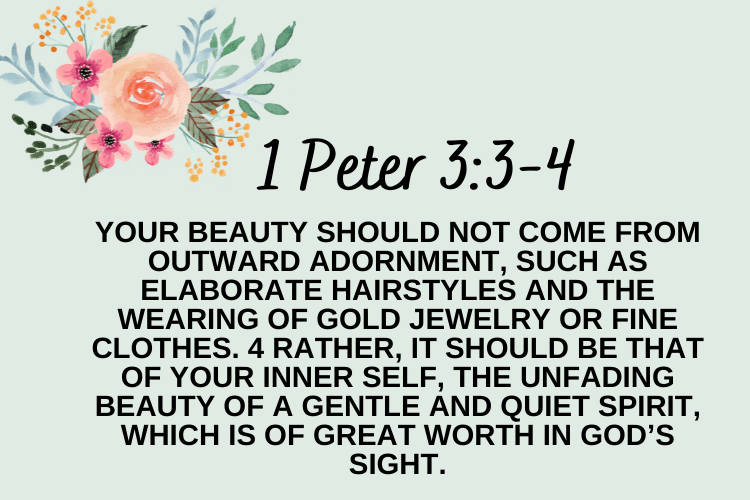
Historically, certain interpretations of biblical passages, particularly those related to submission and roles within the family and church, have shaped societal expectations of women. These interpretations have, in turn, seeped into cultural norms and, consequently, influenced how women have been portrayed and marketed to.
Brand Implications: For a long time, marketing largely reflected these traditional interpretations. Advertisements for beauty products often emphasized enhancing physical attractiveness for male attention. Women were predominantly depicted as homemakers, caregivers, or secondary figures in professional settings. While these portrayals have become increasingly outdated and are often challenged, their lingering influence can still be seen in subtle biases within advertising and media. Brands that continue to rely on these outdated stereotypes risk alienating modern consumers. However, understanding the historical prevalence of these interpretations helps explain the genesis of certain marketing approaches and the slow but steady shift towards more progressive representations. The evolution of the “ideal woman” in advertising mirrors the broader societal re-evaluation of traditional gender roles.
The Shift Towards Empowerment and Agency
In recent decades, there has been a significant re-examination and re-interpretation of biblical texts, emphasizing themes of equality, dignity, and the inherent worth of all individuals, regardless of gender. This shift in understanding has profoundly impacted how women are perceived and has, in turn, influenced branding strategies.
Brand Implications: Contemporary brands are increasingly embracing narratives of female empowerment, independence, and agency. Marketing campaigns now frequently showcase women as decision-makers, innovators, and leaders. The focus has moved from passive recipients of male attention to active agents in their own lives and careers. Brands that champion these values, such as those promoting women in STEM, encouraging entrepreneurship, or advocating for equal pay, are tapping into this evolving cultural understanding. The “strong, independent woman” archetype, while distinct from specific biblical figures, draws from a broader cultural consciousness that acknowledges female strength and capability, a consciousness influenced by both the challenges to restrictive interpretations and the enduring examples of female leadership found within religious texts. The success of brands that authentically embody these empowering messages is a testament to the power of aligning with contemporary values.
Challenging Archetypes and Redefining Narratives
The most dynamic aspect of the Bible’s influence on branding regarding women lies in the ongoing process of challenging and redefining traditional archetypes. This is not about discarding the past but about critically engaging with it and constructing new, more inclusive, and empowering narratives.
Brand Implications: Brands that actively seek to challenge limiting stereotypes and promote diverse representations of womanhood are often at the forefront of cultural change. This can involve showcasing women in non-traditional roles, portraying a wider range of body types and ethnicities, and highlighting the complexities and multifaceted nature of female experience. The “she-economy” and the growing market for products and services tailored to women’s specific needs and aspirations have further fueled this evolution. Brands that understand and respect this nuanced portrayal of women are more likely to build lasting relationships with their audience. This involves moving beyond simplistic, often religiously-influenced archetypes, and embracing a more authentic and empowering vision of female identity. The ongoing conversation about gender roles, both within religious communities and in secular society, directly informs how brands can effectively and ethically engage with their female consumers, ensuring their messaging is both relevant and respectful.
In conclusion, the Bible’s portrayals of women, through their archetypes, narratives, and the subsequent evolution of their interpretation, have played a silent yet significant role in shaping perceptions of womanhood. These perceptions, in turn, have profoundly influenced the landscape of branding, marketing, and corporate identity. By understanding this historical and cultural lineage, brands can more effectively navigate the complexities of female representation, create resonant messaging, and contribute to a more empowering and equitable narrative in the marketplace. The enduring power of these ancient stories continues to echo in the brands we encounter daily, shaping how we see ourselves and how we are seen.
aViewFromTheCave is a participant in the Amazon Services LLC Associates Program, an affiliate advertising program designed to provide a means for sites to earn advertising fees by advertising and linking to Amazon.com. Amazon, the Amazon logo, AmazonSupply, and the AmazonSupply logo are trademarks of Amazon.com, Inc. or its affiliates. As an Amazon Associate we earn affiliate commissions from qualifying purchases.