
In the high-velocity world of modern finance, the concept of “rest” is often viewed as a liability. We live in an era defined by the 24/7 hustle, where global markets never truly sleep and the digital economy demands constant uptime. However, when we examine the biblical foundational texts regarding the Sabbath, we discover that this ancient practice is not merely a religious ritual; it is a sophisticated economic framework. For the entrepreneur, the investor, and the professional, the Sabbath provides a blueprint for sustainable productivity and long-term wealth accumulation that contradicts the frantic logic of the modern marketplace.

By analyzing what the Bible says about the Sabbath through the lens of personal finance and business strategy, we find that rest is a capital asset. It is the mechanism by which we preserve our most valuable resource: human capital.
The Economic Architecture of Rest: Why the Sabbath is a Capital Asset
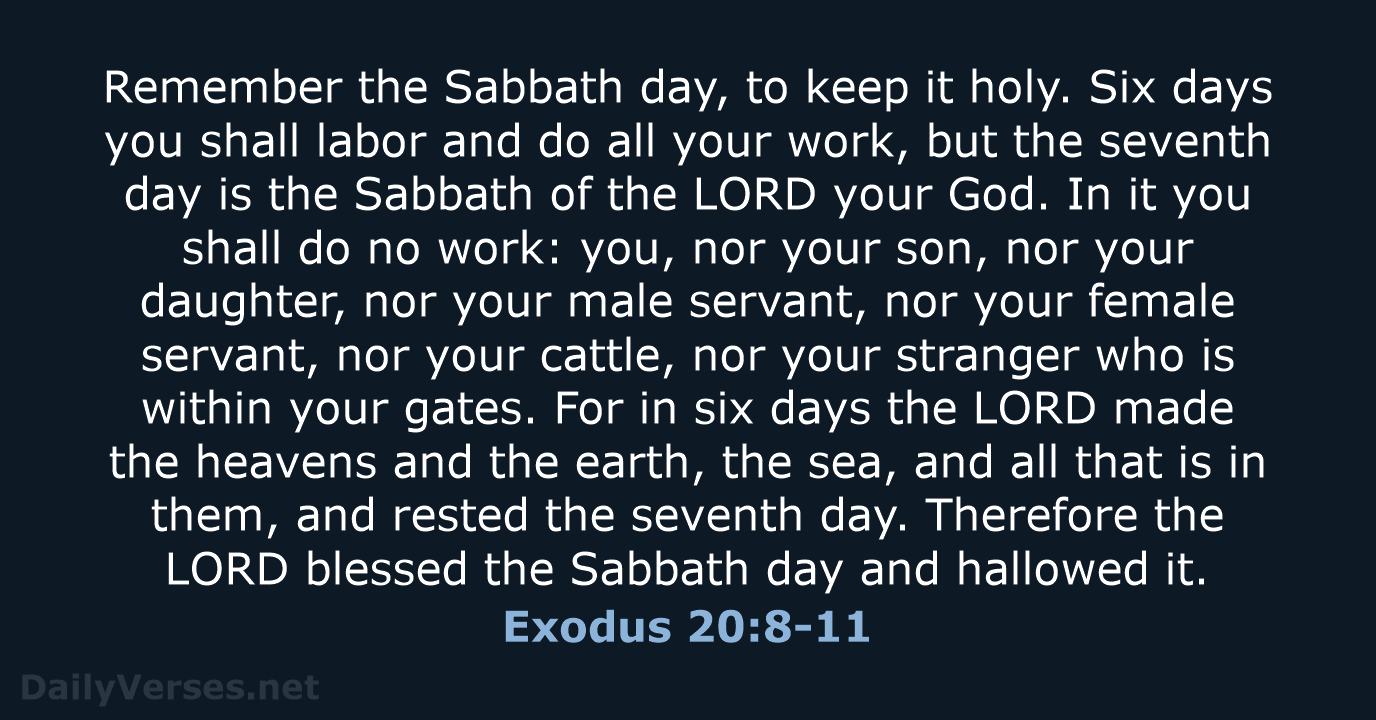
The biblical introduction of the Sabbath in the Book of Genesis establishes a rhythm that is fundamentally at odds with the “grind” culture. When the text describes God resting on the seventh day, it isn’t suggesting exhaustion; rather, it identifies a “completion” phase. In economic terms, the Sabbath represents the transition from production to evaluation and enjoyment. Without this phase, wealth loses its utility.
Challenging the 24/7 Hustle Narrative
Modern “hustle culture” suggests that wealth is a linear function of time spent working. If you work 80 hours, the logic goes, you will be twice as successful as the person working 40. However, the biblical Sabbath introduces the concept of the “blessing” of the seventh day, suggesting that a six-day output synchronized with a day of cessation can outperform a seven-day output driven by desperation.
From a financial perspective, this is a lesson in efficiency. The Sabbath forces an individual to maximize their output within a set boundary. When you know the “market” of your own labor closes every Friday evening or Saturday morning, you are forced to prioritize high-leverage tasks. This prevents the “busy work” that often plagues corporate environments and redirects focus toward activities that actually move the needle on net worth and business growth.
The Productivity Paradox: How Less Work Yields More Value
Economists have long studied the law of diminishing returns. In labor, this law states that after a certain point, each additional hour worked yields less output than the previous one, eventually leading to negative returns due to errors, burnout, and health costs. The Bible’s mandate for the Sabbath is a preemptive strike against these diminishing returns.
By stepping away from the spreadsheet, the trading terminal, or the storefront, you allow for “mental compounding.” Much like a field that must lie fallow to regain its nutrients, the human mind requires a period of non-production to foster innovation. The most profitable ideas rarely come during the fourteenth hour of a workday; they emerge during the stillness of the Sabbath, when the brain is free to synthesize information and identify market gaps that were invisible during the heat of production.
The Sabbatical Principle: Navigating Debt, Risk, and Market Cycles
Beyond the weekly rest, the Bible expands the Sabbath concept into the “Sabbatical Year” (Shmita) and the “Jubilee.” These concepts offer profound insights into debt management and the cyclical nature of the economy. In Leviticus 25, the instruction is clear: every seven years, the land must rest, and debts are to be released. This is a masterclass in risk management and economic sustainability.
Shmita and the Macroeconomics of Release
In a modern financial context, the principle of the Sabbatical Year warns against the dangers of over-leveraging. The biblical model recognizes that infinite growth on a finite planet—or within a finite human life—is a fallacy. By mandating a year of rest for the land and a release of debts, the Bible suggests a “reset” button that prevents the accumulation of systemic risk.
For the modern investor, this translates to the importance of de-leveraging and taking profits. It encourages a financial rhythm where one does not stay “all-in” indefinitely. Just as the land needed to recover its minerals, a portfolio needs periods where it is not being aggressively pushed for growth. This biblical wisdom mirrors the necessity of market corrections, suggesting that we should build “Sabbatical” periods into our financial planning to survive the inevitable downturns.
Diversifying Your Time Portfolio
The Sabbath also teaches us about the diversification of our “identity assets.” If your entire sense of value is tied to your daily income or the performance of your stock portfolio, a market crash becomes a personal catastrophe. The Bible’s insistence on a Sabbath—a day where you are not defined by what you produce or what you own—forces a diversification of self.
This psychological resilience is a significant financial advantage. Investors who can detach their emotional well-being from their brokerage accounts are far less likely to make impulsive, fear-driven decisions during a market panic. The Sabbath trains the “investor mind” to remain calm, recognizing that wealth is a tool, not a master.
Leadership and the Sabbath: Building Sustainable Business Models
For business owners and corporate leaders, the biblical Sabbath is a template for organizational health. A company that demands 24/7 availability from its employees is a company building on a foundation of “human depreciation.” High turnover, medical leave, and low morale are all “hidden taxes” that erode the bottom line.
Preventing Executive Burnout and Decision Fatigue
Decision fatigue is a well-documented phenomenon in behavioral economics. The quality of a leader’s decisions deteriorates after a long series of choices. By adhering to a Sabbath principle, executives give their cognitive faculties the “reboot” necessary for high-stakes decision-making.
What the Bible says about the Sabbath is essentially a directive for quality control. A leader who rests is a leader who can see the “long game.” In the history of corporate failures, many can be traced back to exhausted leaders making short-sighted decisions to satisfy immediate pressures. The Sabbath provides the distance necessary to maintain a strategic, rather than a reactive, posture.
Attracting Top Talent Through a Culture of Rest
In the current “war for talent,” a brand’s strategy must include a value proposition that goes beyond salary. Progressive companies are increasingly rediscovering the “Sabbath” under different names: four-day work weeks, mandatory unplugging, and sabbatical leaves.
By implementing a biblically-inspired rhythm of rest, a business differentiates itself as a sustainable and ethical brand. This reduces recruitment costs and increases employee retention. When workers know that their “rest” is respected, their “work” becomes more intense and focused. The Sabbath creates a high-trust environment where the focus is on results rather than mere presence.
Implementing a Financial Sabbath: Practical Steps for Modern Entrepreneurs
Transitioning from a 24/7 mindset to a Sabbath-informed financial strategy requires deliberate planning. It is not about doing nothing; it is about doing “different.” It is a shift from active labor to reflective stewardship.
Creating “Margin” in Your Budget and Calendar
The first step in applying what the Bible says about the Sabbath to your finances is the creation of “margin.” Margin is the space between your expenses and your income, and between your tasks and your time. A Sabbath is impossible if you are living paycheck to paycheck or if your business is so fragile that 24 hours of absence would cause a collapse.
True financial freedom is the ability to walk away from the marketplace for a day without fear. To achieve this, one must automate their finances. Use technology to handle bill payments, investment contributions, and business processes. This “digital Sabbath” allows your capital to work for you while you are resting, which is the ultimate goal of wealth building.

The Long-Term ROI of Spiritual and Mental Solvency
Ultimately, the biblical Sabbath reminds us that the purpose of wealth is to facilitate a life of meaning, not just a life of consumption. In the final analysis, the Return on Investment (ROI) of a Sabbath-keeping life is measured in “solvency”—not just in a bank account, but in the spirit and the mind.
When we look at what the Bible says about the Sabbath, we see a call to trust. For the businessperson, it is a radical act of trust to stop working. It is a statement that the world will continue to turn, and the markets will continue to function, even if we are not at the helm for one day. This humility is the hallmark of the most successful investors. They know they don’t control the market; they only control their response to it. By embracing the Sabbath, you master your time, your ego, and ultimately, your financial destiny. In a world obsessed with more, the Sabbath is the ultimate “wealth hack”: knowing when you have enough.
aViewFromTheCave is a participant in the Amazon Services LLC Associates Program, an affiliate advertising program designed to provide a means for sites to earn advertising fees by advertising and linking to Amazon.com. Amazon, the Amazon logo, AmazonSupply, and the AmazonSupply logo are trademarks of Amazon.com, Inc. or its affiliates. As an Amazon Associate we earn affiliate commissions from qualifying purchases.