
The concept of “luck” often permeates discussions about financial success, investment outcomes, and even daily earnings. People attribute unexpected windfalls or unfortunate losses to good or bad luck, suggesting a random, uncontrollable element at play in their monetary affairs. However, when examining biblical texts, the notion of luck as a capricious force dictating financial destiny is largely absent. Instead, scripture presents a nuanced view rooted in divine sovereignty, human responsibility, wisdom, diligence, and stewardship, profoundly shaping how one should approach personal finance, investing, and wealth creation.
The Concept of “Chance” vs. Divine Providence in Financial Matters
From a biblical perspective, the world is not governed by random chance or an impersonal force of luck. Instead, it posits an active, sovereign God who oversees all things, including the material circumstances of individuals. This fundamental theological stance has significant implications for understanding financial outcomes. It challenges the secular idea that wealth or poverty is merely a roll of the dice.

Dispelling the Notion of Random Fortune
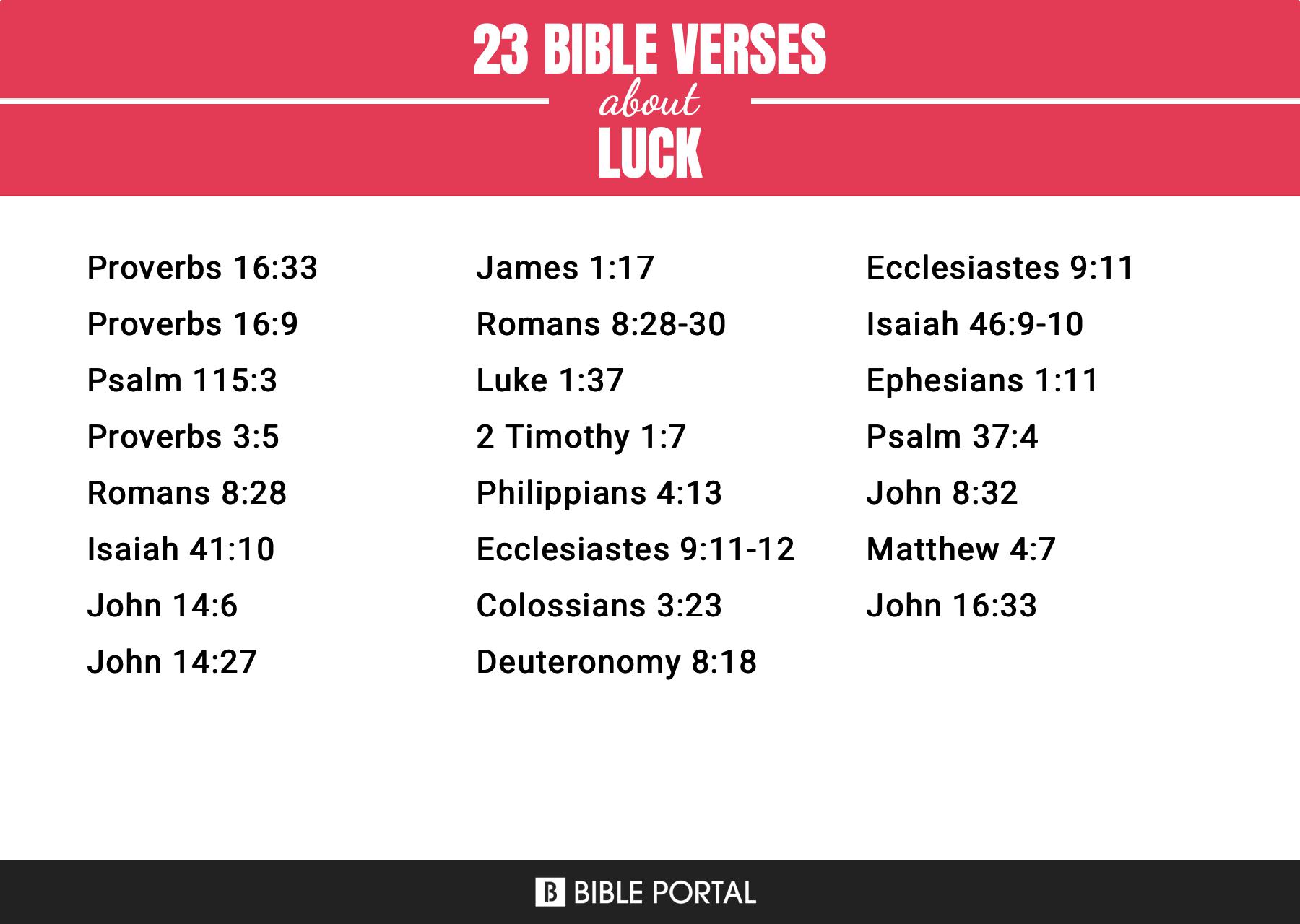
While biblical passages might occasionally mention casting lots (a form of random selection, like in Proverbs 16:33, “The lot is cast into the lap, but its every decision is from the Lord”), these instances are usually depicted within the context of divine direction, not as an affirmation of independent luck. The Bible consistently portrays God as the ultimate source of provision, blessing, and even adversity. Therefore, attributing financial success solely to “good luck” or failure to “bad luck” can undermine the understanding of either divine intervention or personal accountability. Instead, outcomes are often presented as consequences of actions, expressions of God’s will, or the natural order established by Him. This framework encourages individuals to look beyond superficial randomness and consider underlying principles.
Diligence, Wisdom, and Stewardship
Rather than relying on luck, the Bible strongly emphasizes diligence and wisdom as pathways to financial well-being. Proverbs, in particular, is replete with verses extolling the virtues of hard work and prudent decision-making. Proverbs 10:4 states, “Lazy hands make for poverty, but diligent hands bring wealth.” This verse directly links effort and industry to financial prosperity, negating the idea that wealth appears by chance. Similarly, wisdom in managing resources, making sound investments, and avoiding reckless ventures is consistently promoted. Stewardship, the biblical concept of managing resources entrusted to an individual by God, further removes the element of luck. It implies intentional, responsible handling of assets, time, and talents, with an accountability that transcends mere random fortune. For an investor, this means thorough research and calculated risk, rather than gambling on a “lucky” stock tip. For a business owner, it means ethical practices and strategic planning, rather than hoping for market “luck.”
Wealth, Poverty, and God’s Blessing
The Bible offers extensive teachings on wealth and poverty, often linking them to specific behaviors, attitudes, and God’s overarching plan, rather than sheer luck. It presents a divine economy where certain principles lead to prosperity and others to scarcity, all under the umbrella of God’s blessing or discipline.
Prosperity as a Result of Obedience and Hard Work
Throughout scripture, particularly in the Old Testament, material prosperity is often depicted as a blessing from God, contingent upon obedience to His commands and diligent effort. Deuteronomy 28, for instance, details blessings (including financial abundance) that follow obedience and curses (including poverty) that result from disobedience. While not a direct one-to-one transactional relationship in all cases, the overarching theme is that those who honor God, work hard, and manage their resources wisely are often blessed with financial stability and growth. This perspective encourages a proactive approach to earning and managing money, rather than passively waiting for luck. It suggests that financial security is built on consistent effort, integrity, and adherence to moral and ethical guidelines, which are often rewarded in the marketplace.
The Dangers of Loving Money
While not inherently evil, the love of money is frequently cautioned against. 1 Timothy 6:10 famously states, “For the love of money is a root of all kinds of evil.” This isn’t a condemnation of wealth itself but of an idolatrous attachment to it, which can lead to greed, corruption, and a deviation from spiritual values. Chasing “luck” in financial ventures often stems from this inordinate desire for quick riches, bypassing ethical considerations, sound financial principles, and the patience required for sustainable growth. The biblical warning against covetousness indirectly challenges the pursuit of financial gains based on chance, as it often fuels an insatiable desire for more, rather than contentment with what one has acquired through legitimate means.
Generosity and Investment in the Eternal
The Bible encourages generosity, tithing, and charitable giving, portraying them not as a loss, but as an “investment” with eternal returns and often practical blessings. Proverbs 11:24-25 illustrates this: “One gives freely, yet grows all the richer; another withholds what he should give, and only suffers want. Whoever brings blessing will be enriched, and one who waters will himself be watered.” This principle contrasts sharply with a luck-based mindset, which typically focuses on accumulation for self. Biblical giving is an act of faith and stewardship, acknowledging God as the ultimate provider. It shifts the focus from hoping for a lucky break to intentionally using resources for good, trusting in divine provision and a different kind of “return” on investment—one that isn’t solely monetary but also spiritual and community-focused.
Risk, Responsibility, and Prudent Financial Planning
In the realm of personal finance and business, managing risk is paramount. The Bible, while not using modern financial terminology, offers principles that advocate for careful planning, foresight, and responsible decision-making over impulsive, luck-driven gambles.
Foresight and Preparation

Scripture consistently promotes foresight and preparation as wise practices. Proverbs 21:20 notes, “Precious treasure and oil are in a wise man’s dwelling, but a foolish man devours it.” This highlights the importance of saving, planning for the future, and building reserves, rather than squandering resources or relying on an unforeseen stroke of luck. The parable of the wise and foolish builders (Matthew 7:24-27) emphasizes building on a solid foundation, which can be interpreted financially as establishing a strong economic base through careful planning and sound investments. This proactive approach to financial stability stands in stark contrast to hoping for fortuitous circumstances to resolve financial predicaments.
Avoiding Reckless Guarantees
The Bible also cautions against reckless financial commitments and guaranteeing the debts of others without due consideration. Proverbs 6:1-5 warns against becoming surety for a neighbor, indicating a need for prudence and caution in financial dealings that extend beyond one’s immediate capacity. This principle underscores personal responsibility and risk assessment. Gambling, which is fundamentally an act of hoping for luck against unfavorable odds, can be seen as contrary to this biblical emphasis on careful stewardship and avoiding unnecessary financial exposure. While the Bible doesn’t explicitly forbid gambling, its principles of diligence, responsible management, and avoiding the love of money, combined with warnings against hasty financial commitments, strongly suggest caution or abstinence from activities where chance is the primary determinant of outcome, and potential loss is significant.
The Role of Debt
The biblical perspective on debt also ties into responsibility and risk. While not outright forbidden, debt is often portrayed cautiously, with Proverbs 22:7 stating, “The rich rule over the poor, and the borrower is slave to the lender.” This highlights the inherent risk and loss of freedom associated with debt, encouraging individuals to live within their means and avoid financial entanglements that could lead to servitude or hardship. A reliance on “luck” to pay off excessive debt is fundamentally at odds with the biblical call for financial discipline and careful management.
Contentment and Perspective on Material Possessions
Ultimately, the biblical view on finance extends beyond mere accumulation to encompass contentment and a proper perspective on material wealth. This outlook significantly de-emphasizes the role of “luck” in achieving true well-being.
The True Source of Security
Rather than finding security in the size of one’s bank account or the outcome of a lucky venture, the Bible points to God as the ultimate source of security. Philippians 4:19 reassures believers, “And my God will supply every need of yours according to his riches in glory in Christ Jesus.” This perspective shifts focus from anxieties about financial luck to trust in divine provision, encouraging contentment with what one has and a realistic view of material possessions. It mitigates the relentless pursuit of more, often fueled by a belief in luck, and fosters an appreciation for present blessings.
Beyond Earthly Riches
The Bible frequently reminds individuals of the transient nature of earthly riches. Matthew 6:19-21 instructs, “Do not lay up for yourselves treasures on earth, where moth and rust destroy and where thieves break in and steal, but lay up for yourselves treasures in heaven…” This passage underscores the temporary nature of all material possessions, regardless of how they were acquired—be it through hard work, inheritance, or perceived luck. This eternal perspective fundamentally redefines financial success, moving it beyond mere accumulation to a focus on spiritual growth, generosity, and investing in things that have lasting value, rather than chasing fleeting fortunes based on chance.
An Ethic for Earning and Managing Wealth
The cumulative biblical teachings on “luck” culminate in a comprehensive ethic for earning, managing, and utilizing financial resources that prioritizes integrity, responsibility, and purpose. This ethic stands in stark contrast to a passive or speculative reliance on chance.
Honesty and Integrity in Business
The Bible repeatedly emphasizes the importance of honesty and integrity in all business dealings. Proverbs 11:1 states, “A false balance is an abomination to the Lord, but a just weight is his delight.” This principle advocates for fair practices, honest weights and measures, and ethical conduct, directly countering any notion that financial gain can be justified by “luck” if it involves deceit or manipulation. For a business owner, this means building a reputation for trustworthiness, fostering fair trade, and refusing to cut corners or engage in fraudulent activities, even if a “lucky break” seems to promise easy riches through questionable means.
Providing for One’s Household
A core biblical responsibility is to provide for one’s family. 1 Timothy 5:8 declares, “But if anyone does not provide for his relatives, and especially for members of his household, he has denied the faith and is worse than an unbeliever.” This command implicitly requires diligent work, wise financial planning, and responsible earning, not a reliance on random chance to meet family needs. It underpins the importance of stable employment, saving, and investing prudently to ensure the well-being of dependents, rather than engaging in high-risk, “lucky” endeavors that could jeopardize their security.
The Ultimate Purpose of Resources
Ultimately, the Bible teaches that all resources belong to God, and individuals are merely stewards. This understanding shifts the purpose of wealth from personal gratification (which luck-driven pursuits often feed) to serving God and others. Financial resources, whether earned through diligence or unexpectedly acquired (though not “luck” in the random sense), are to be used for good—supporting family, helping the poor, advancing ethical enterprises, and spreading spiritual teachings. This holistic view of wealth management completely reconfigures the role of “luck,” replacing it with purpose, responsibility, and an awareness of divine accountability.
aViewFromTheCave is a participant in the Amazon Services LLC Associates Program, an affiliate advertising program designed to provide a means for sites to earn advertising fees by advertising and linking to Amazon.com. Amazon, the Amazon logo, AmazonSupply, and the AmazonSupply logo are trademarks of Amazon.com, Inc. or its affiliates. As an Amazon Associate we earn affiliate commissions from qualifying purchases.