
The ancient texts of the Bible offer more than spiritual guidance; they contain profound wisdom on nearly every aspect of human existence, including our relationship with food. While often interpreted through a lens of health, ethics, or spirituality, a careful examination reveals that biblical principles concerning food are deeply intertwined with financial prudence, resource management, and even entrepreneurial spirit. Understanding these connections can provide invaluable insights for modern personal finance, investment strategies, and business development in the food sector.
Stewardship and Prudent Resource Management
At its core, much of biblical teaching regarding food emphasizes stewardship – the responsible management of resources entrusted to us. This concept translates directly into practical financial habits that resonate today.
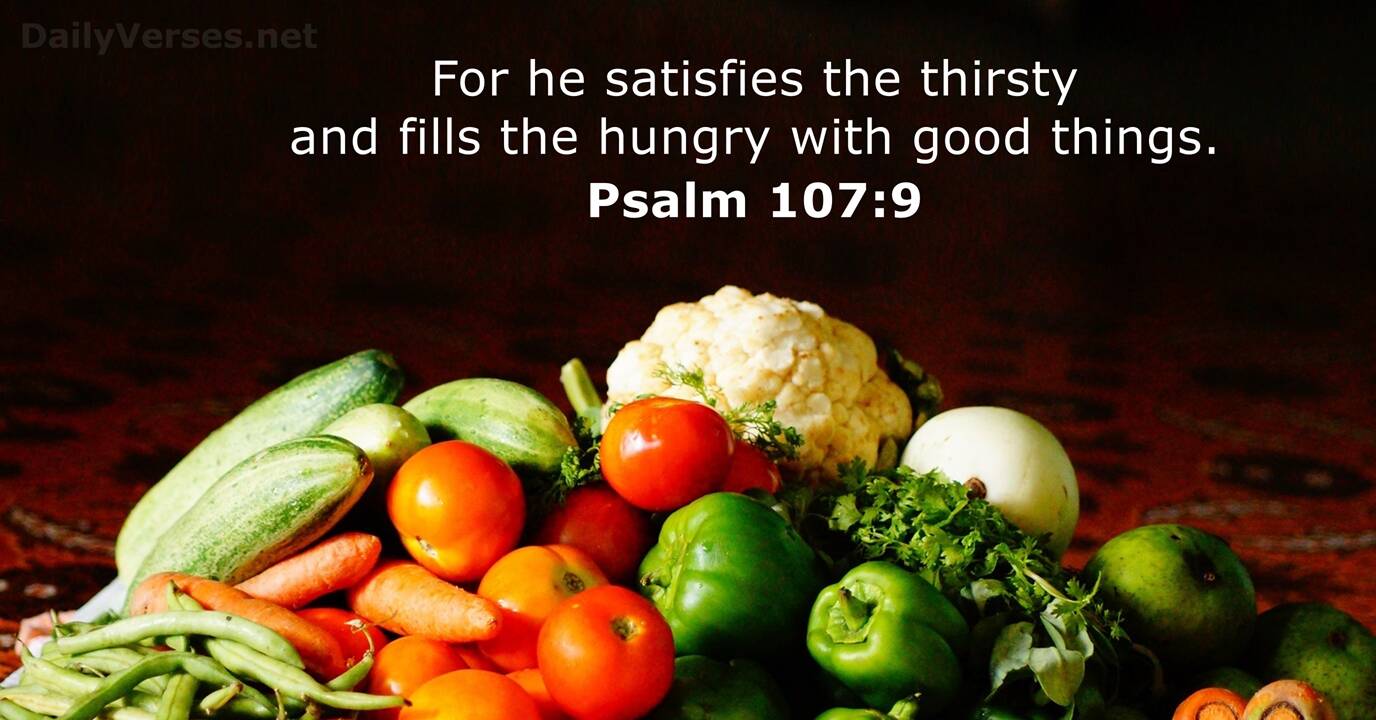
Biblical Principles of Frugality and Waste Reduction
The Bible frequently highlights the importance of gratitude for provisions and the avoidance of waste. In John 6:12, after miraculously feeding the multitude, Jesus instructs His disciples to “gather up the fragments that remain, that nothing be lost.” This instruction, though simple, is a powerful directive against waste. Similarly, Old Testament laws concerning gleaning (leaving portions of the harvest for the poor, Leviticus 19:9-10) implicitly encourage careful utilization of every resource, ensuring no edible product goes to waste.
For modern individuals, this translates into tangible financial savings. Mindful meal planning, using leftovers creatively, understanding portion control, and smart grocery shopping (buying in bulk when truly economical and storable) directly impact household budgets. Preventing food spoilage through proper storage and timely consumption reduces unnecessary expenditure, channeling those savings towards investments, debt reduction, or other financial goals. The discipline learned from such practices extends beyond the kitchen, fostering a broader mindset of financial frugality and responsible spending across all areas of life.
The Tithe and Offering: Financial Allocation for Sustenance
The concept of tithing, particularly “firstfruits” and a portion of harvests (Deuteronomy 14:22-29), formed a foundational element of the ancient Israelite economy. While primarily a religious obligation, it represented a structured system of resource allocation and communal support. It ensured that a portion of agricultural wealth—the primary form of sustenance and income—was systematically set aside, not just for religious purposes, but also for the care of the Levites (who had no land inheritance) and the poor, fostering a robust social safety net.
From a financial perspective, this highlights the principle of systematic saving and giving. Dedicating a portion of one’s income (derived from labor, which historically was often food-related) establishes a discipline of prioritizing future needs, community support, and acknowledging the source of one’s abundance. This early form of wealth distribution and social investment has parallels in modern financial planning, such as allocating funds for charitable giving, emergency savings, or retirement accounts, underscoring the long-term benefits of consistent financial discipline.
Avoiding Debt and Living Within Means Through Dietary Choices
Biblical wisdom frequently warns against gluttony, laziness, and overconsumption, often linking them to financial ruin. Proverbs 21:17 states, “Whoever loves pleasure will be a poor man; he who loves wine and oil will not be rich.” Proverbs 23:20-21 adds, “Do not join those who drink too much wine or gorge themselves on meat, for drunkards and gluttons become poor, and drowsiness clothes them in rags.”
These passages underscore a timeless financial truth: excessive indulgence, particularly in expensive foods and drinks, can deplete resources and lead to poverty. In an era of readily available convenience foods, lavish restaurant dining, and constant consumption temptations, these warnings are acutely relevant. Making conscious, modest dietary choices—prioritizing home-cooked meals, seasonal produce, and simple ingredients—can significantly reduce monthly food expenditures. This deliberate shift away from conspicuous consumption in food directly contributes to living within one’s means, avoiding consumer debt, and building a stronger financial foundation.
Entrepreneurial Insights and Sustaining Livelihoods
Beyond personal finance, biblical narratives demonstrate how food production and trade were central to economic stability and provided significant entrepreneurial opportunities.
Agriculture as the Foundation of Wealth
For much of biblical history, wealth was inextricably linked to land and its produce. Agriculture was not merely a means of survival but the primary engine of economic prosperity. Genesis 26:12 tells of Isaac, who “sowed in that land and reaped in the same year a hundredfold. The Lord blessed him, and the man became rich.” This illustrates how productive assets, particularly those yielding food, were the bedrock of generational wealth.
This principle emphasizes the enduring value of foundational industries and the potential for long-term financial stability derived from productive assets. While modern economies are diverse, the underlying lesson remains: identifying and investing in essential, tangible sectors can be a powerful strategy for wealth creation. For entrepreneurs, this could mean looking at sustainable agriculture, food technology, or efficient food distribution systems as viable ventures with long-term potential.
Strategic Resource Planning and Contingency
Joseph’s management of Egypt’s food supply (Genesis 41) stands as a monumental case study in strategic financial planning and crisis management. By interpreting Pharaoh’s dream, Joseph advised storing a fifth of the produce during seven years of abundance to prepare for seven years of famine. His implementation of this plan not only saved Egypt from starvation but also made it a powerful economic hub, accumulating vast wealth and resources.
This biblical account offers profound financial lessons: the importance of foresight, the necessity of accumulating reserves during prosperous times, and the strategic distribution of resources during scarcity. For individuals, this translates to building robust emergency funds, diversifying investments, and planning for economic downturns. For businesses, it means maintaining healthy cash reserves, managing inventory efficiently, and developing contingency plans to navigate market volatility and unforeseen challenges.

Trade and Commerce in Foodstuffs
The Bible frequently documents the buying and selling of food, wine, oil, and grain, illustrating that trade in sustenance was a vital part of ancient economies. From Abraham purchasing land (Genesis 23) to Solomon trading for luxury goods using agricultural produce (1 Kings 5), commerce was a significant driver of wealth. The marketplaces described in biblical times were vibrant centers where agricultural surplus was exchanged, creating livelihoods for merchants, farmers, and artisans.
This highlights the perpetual viability of businesses centered on food production, distribution, and preparation. From ancient grain merchants to modern grocery chains, restaurants, and food delivery services, the human need for food has consistently fueled economic activity and innovation. Entrepreneurs today can draw inspiration from these historical models, identifying new ways to efficiently produce, package, and deliver food, addressing contemporary needs and generating significant financial returns.
The Financial Calculus of Dietary Choices
The food choices we make have profound, often underestimated, financial implications beyond the immediate cost of groceries.
Health as Wealth: Avoiding Costly Illnesses
While Old Testament dietary laws (Leviticus 11, Deuteronomy 14) are often seen through a spiritual lens, they also had practical benefits, promoting hygiene and public health in ancient societies. Many of these laws encouraged consumption of clean animals and discouraged certain practices, which likely mitigated the spread of disease.
In a modern context, poor dietary choices—high in processed foods, sugar, and unhealthy fats—are directly linked to chronic diseases such as diabetes, heart disease, and obesity. These conditions incur massive healthcare costs, including medical bills, medication, and lost income due to illness and disability. Adopting principles of moderation, choosing whole, unprocessed foods, and cultivating healthy eating habits aligns with a sound long-term financial strategy. Investing in one’s health through mindful eating is a powerful way to reduce future medical expenses and maintain productivity, preserving financial wealth and quality of life.
Simplicity vs. Excess: Budgeting Through Food
Biblical narratives often praise simple living and warn against the excesses of gluttony. While not explicit financial advice, this stance directly impacts personal budgets. The average household spends a significant portion of its income on food, with dining out and convenience foods often being major culprits.
Embracing a simpler approach to food, prioritizing home-cooked meals using basic, nutritious ingredients, can lead to substantial financial savings. These savings can then be redirected towards debt repayment, investment, or building financial security. The discipline of “fasting,” common in biblical traditions, also indirectly reinforces periods of reduced expenditure on food, offering a historical parallel to modern budgeting strategies like “no-spend challenges.”
Ethical Consumption and Sustainable Spending
Biblical principles of justice, care for the vulnerable, and responsible stewardship of creation (e.g., Leviticus 25:23-24 on land ownership) can be applied to modern food consumption. Choosing ethically sourced, sustainable, and locally produced foods often aligns with these values. While sometimes perceived as more expensive in the short term, these choices can represent a long-term investment in community economic health, environmental sustainability, and ethical supply chains. Supporting local farmers, for instance, keeps money within the local economy, potentially reducing future economic liabilities associated with distant, environmentally intensive food systems. This conscious spending supports values that could yield broader societal and economic benefits.
Modern Financial Opportunities from Biblical Food Wisdom
The enduring interest in biblical principles, combined with a growing focus on health and wellness, creates unique financial opportunities in the modern marketplace.
Content Creation and Online Income
The desire for guidance on “biblical eating,” “ancient diets,” or “faith-based wellness” is a growing niche. This trend presents significant online income opportunities for content creators. Authors can write cookbooks, meal plans, or guides that interpret biblical food principles for contemporary lifestyles. Bloggers and YouTubers can build audiences by sharing recipes, insights, and practical advice, monetizing through advertising, affiliate marketing, and direct product sales. Online courses teaching “biblical nutrition” or “stewardship of health” can also be lucrative, leveraging knowledge and passion into digital assets that generate passive income.
Entrepreneurship in “Biblically Inspired” Products
Businesses can tap into this niche by developing and marketing food products, supplements, or meal kits that align with perceived biblical dietary guidelines. This could include organic, whole-grain products, specific spices and herbs mentioned in scripture, or “clean” eating brands that emphasize natural, unprocessed ingredients in line with principles of purity and wholesome eating. There’s a growing market for products that offer authenticity, health benefits, and align with a faith-based lifestyle. Such ventures require careful market research, robust business finance planning, and effective brand storytelling but can yield substantial returns by catering to this specific demographic.

Consulting and Coaching in Faith-Based Wellness
As individuals increasingly seek holistic well-being, integrating spiritual, physical, and financial health, there is a burgeoning market for consultants and coaches. Professionals specializing in “faith-based wellness” can guide clients on how to budget for healthy eating, manage personal finances according to stewardship principles, or even launch small food-related businesses inspired by biblical wisdom. These services, offered through one-on-one coaching, group programs, or workshops, represent a valuable and profitable way to merge biblical teachings with practical financial and health outcomes, providing a comprehensive approach to thriving.
In conclusion, “what the Bible says about food” extends far beyond simple dietary rules. It provides a rich tapestry of financial wisdom, emphasizing stewardship, entrepreneurial spirit, prudent decision-making, and long-term planning. By adopting these ancient principles, individuals and businesses can cultivate greater financial health, optimize resource utilization, and even forge new pathways for wealth creation in the modern economy.
aViewFromTheCave is a participant in the Amazon Services LLC Associates Program, an affiliate advertising program designed to provide a means for sites to earn advertising fees by advertising and linking to Amazon.com. Amazon, the Amazon logo, AmazonSupply, and the AmazonSupply logo are trademarks of Amazon.com, Inc. or its affiliates. As an Amazon Associate we earn affiliate commissions from qualifying purchases.