
The intersection of deeply held faith, personal family decisions, and the practicalities of financial management presents a complex landscape for many individuals and couples. For those seeking guidance on family planning, particularly concerning contraception, the Bible is a primary source of ethical and spiritual direction. While the sacred text does not explicitly mention “contraception” as we understand it today, various passages and overarching principles are often interpreted to inform views on procreation, family size, and marital intimacy. Critically, these faith-based interpretations carry significant, often overlooked, financial implications that profoundly shape a family’s economic future and capacity for stewardship. Understanding these connections is crucial for integrating spiritual values with sound financial planning.

The Intersection of Faith, Family Size, and Fiscal Responsibility
Navigating biblical principles related to family involves a delicate balance between spiritual mandates and the practical realities of managing household finances. The decisions made regarding family size and timing, often influenced by interpretations of biblical texts on procreation, directly translate into distinct financial commitments and opportunities.
Interpreting Procreation: Mandate vs. Prudence
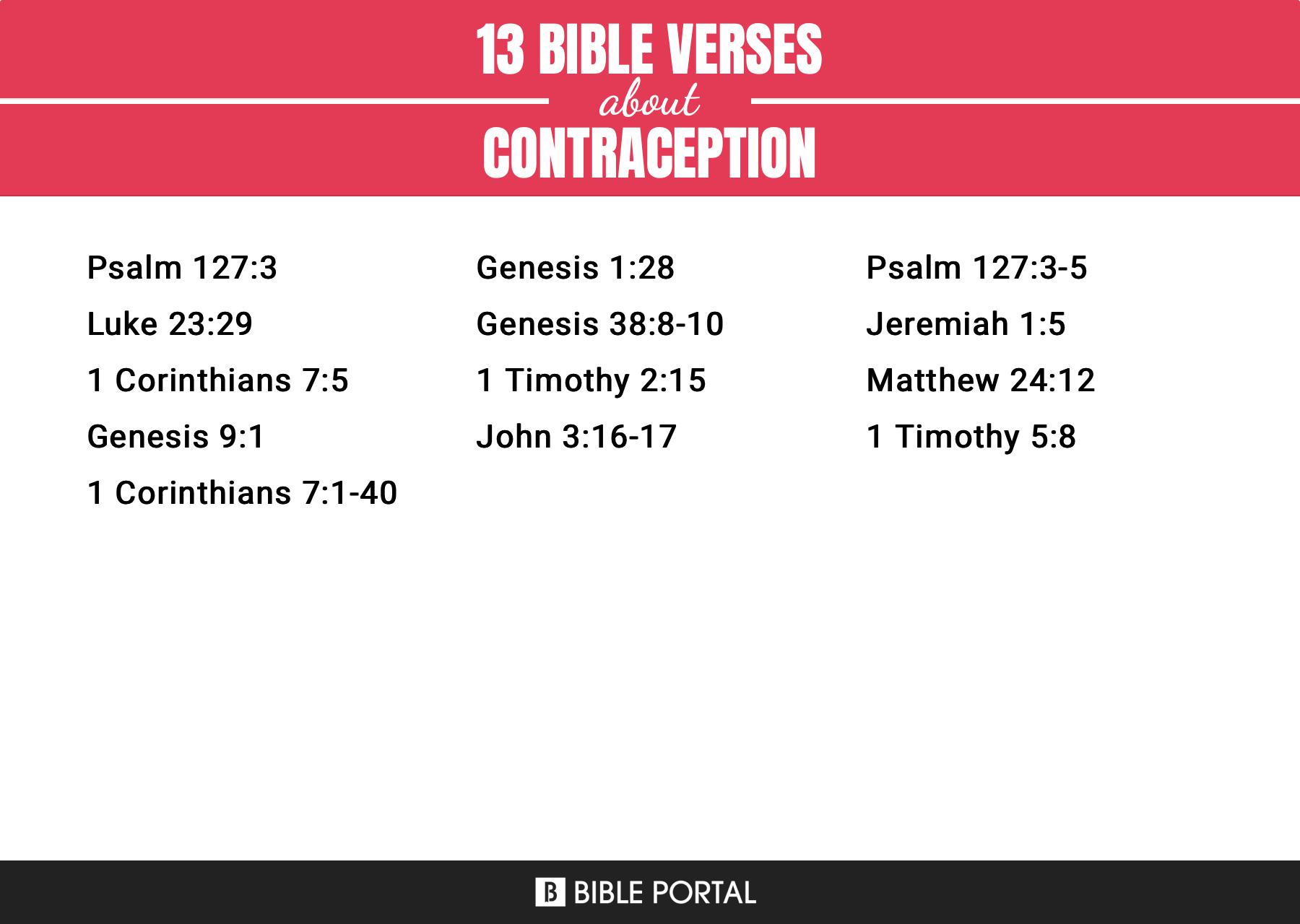
The most frequently cited biblical instruction relevant to family planning is found in Genesis 1:28: “Be fruitful and multiply and fill the earth.” This “procreation mandate” is central to many discussions about family size. Some interpretations view this as a divine command to have as many children as possible, seeing large families as a direct blessing and a testament to faith. Others interpret it more broadly, emphasizing responsible stewardship over God’s creation, including the careful planning and raising of children within one’s means.
Financially, these interpretations lead to vastly different trajectories. A family committed to maximizing offspring based on a literal interpretation of the procreation mandate will face substantial and growing financial demands. This necessitates an aggressive approach to income generation, budgeting, and potentially a re-evaluation of discretionary spending. Conversely, a family emphasizing prudence and responsible stewardship might opt for fewer children, or spaced births, to ensure they can adequately provide for each child’s needs, education, and future, while also maintaining other financial goals like saving for retirement or giving charitably. The choice here directly impacts cash flow, long-term savings potential, and the ability to build wealth.
The Cost of Raising Children: A Sobering Reality
Regardless of the theological stance, the financial cost of raising children is a tangible and significant factor in family planning. Studies consistently show that raising a child from birth to age 18 involves hundreds of thousands of dollars, excluding college expenses. This includes direct costs such as food, housing, clothing, healthcare, education, and childcare, as well as indirect costs like lost parental income or career progression.
When faith informs decisions about contraception and family size, families must consciously integrate these costs into their financial strategy. A larger family, while spiritually fulfilling for some, inherently requires a greater financial outlay. This might mean adjusting lifestyle expectations, delaying major purchases, or prioritizing income growth. For families choosing contraception to space or limit children, the financial flexibility gained can be substantial, allowing for increased savings, investment in higher education funds, or accelerated debt repayment. Acknowledging this financial reality, rather than ignoring it, is a vital component of responsible stewardship, ensuring that the blessing of children does not inadvertently lead to financial strain or instability.
Contraception Choices and Personal Financial Strategy
The decisions surrounding contraception, guided by personal faith and biblical interpretation, have direct and indirect consequences for a household’s financial strategy, impacting both short-term cash flow and long-term wealth accumulation.
Budgeting and Savings: Short-Term Impacts
The timing and frequency of children directly influence a family’s immediate financial landscape. If a family, based on their biblical interpretation, chooses to forgo contraception and experiences rapid family growth, their monthly budget will be swiftly impacted by increased expenditures on necessities for infants and young children. Diapers, formula, childcare, and medical expenses can consume a significant portion of disposable income, potentially eroding the ability to build emergency savings, pay down consumer debt, or save for short-term goals like a down payment on a home.
Conversely, families who utilize contraception to space out births or limit family size, perhaps to align with their financial capacity, often find more room in their budget. This flexibility allows for consistent contributions to savings accounts, investment in professional development to increase earning potential, or a more aggressive approach to debt reduction. These short-term financial choices, born from family planning decisions, lay the groundwork for a family’s future economic resilience and financial freedom.
Investment and Retirement Planning: Long-Term Repercussions

Beyond immediate budgeting, family planning choices profoundly affect a couple’s long-term financial goals, particularly retirement and investment planning. A larger family size, influenced by faith-based decisions against contraception, often means a substantial portion of income is allocated to current consumption related to child-rearing. This can reduce the capital available for long-term investments like 401(k)s, IRAs, or brokerage accounts, potentially delaying retirement or necessitating a lower standard of living in later years. The compounding effect of investments means that even small reductions in early contributions can have significant negative impacts on wealth accumulation over decades.
Conversely, families who, based on their interpretations, choose contraception to manage family size or spacing may have greater discretionary income to allocate towards aggressive investment strategies. This can accelerate their journey towards financial independence, allowing for earlier retirement, greater flexibility in career choices, or the ability to pursue philanthropic endeavors sooner. Understanding this direct link between family planning decisions and long-term investment capacity is vital for creating a holistic financial plan that honors both spiritual values and future financial security.
Faith-Based Financial Management: Beyond the Immediate Family
Financial stewardship, from a faith perspective, often extends beyond merely providing for one’s immediate family. It encompasses a broader responsibility to community, church, and future generations. Family planning decisions, influenced by biblical views on contraception, inherently impact a family’s capacity for these wider acts of stewardship.
Resource Allocation: Tithes, Offerings, and Charitable Giving
Many faith traditions emphasize tithing (giving 10% of income) and charitable giving as fundamental acts of worship and obedience. Family size and associated expenses directly influence a family’s ability to consistently uphold these commitments. A larger family, while potentially seen as a blessing, will naturally consume a greater share of income, making it challenging to maintain significant charitable contributions without careful, disciplined financial planning. This might require a family to be exceptionally intentional about budgeting and seeking ways to increase income to cover both family needs and their giving commitments.
Families who manage family size through contraception, perhaps to ensure resources are available for wider ministry and charitable giving, might find themselves with greater financial capacity for these acts of faith. The choice reflects a resource allocation decision, where the management of family growth frees up funds for supporting broader faith-based initiatives, missions, or community outreach, thereby aligning their financial choices with their spiritual values beyond their immediate household.
Legacy and Generational Wealth: A Spiritual and Financial View
From a biblical perspective, leaving a legacy often involves more than just passing down material wealth; it includes a legacy of faith, values, and wisdom. However, financial legacy plays a crucial role in enabling future generations to flourish. Decisions about contraception and family size impact a family’s ability to accumulate and transfer intergenerational wealth. A larger number of heirs, while desirable from some faith perspectives, can dilute the financial resources available for each child, potentially making it harder for them to achieve financial stability or pursue higher education without debt.
Families who strategically manage family size, informed by a holistic view of biblical stewardship, might focus on building a more substantial financial foundation. This could involve investing in robust education funds for fewer children, establishing trusts, or building significant assets that can provide a safety net or a springboard for future generations. This approach allows for a more robust financial legacy, empowering descendants not just materially, but also by instilling principles of responsible financial management that can extend for generations, creating a cycle of stewardship and blessing.
Navigating Ethical and Economic Complexities
The decision of how to approach contraception, influenced by biblical insights, is deeply personal and often fraught with both ethical and economic considerations. Integrating faith-based values with sound financial planning is not merely advisable but essential for long-term well-being and effective stewardship.
Seeking Financial Counsel Within a Faith Framework
Given the intricate relationship between faith, family planning, and finance, seeking professional financial counsel is paramount. It is particularly beneficial to work with financial advisors who understand and respect faith-based motivations. Such advisors can help families model different scenarios based on their decisions regarding family size and contraception. They can illustrate the financial impact of having more or fewer children on retirement goals, college savings, charitable giving capacity, and overall wealth accumulation. They can also help develop budgets and investment strategies that align with a family’s chosen path, ensuring that spiritual convictions are supported by practical financial wisdom. This collaborative approach allows for the creation of a financial plan that is not only robust but also spiritually integrated.
The Role of Foresight and Adaptability in Financial Stewardship
Ultimately, regardless of one’s specific interpretation of what the Bible says about contraception, the overarching principle of good stewardship requires foresight, planning, and adaptability. Biblical wisdom consistently encourages prudence and planning (e.g., Proverbs 21:5). Families who approach family planning with an awareness of its financial ramifications are better equipped to navigate life’s uncertainties. They can adapt their financial strategies as circumstances change, whether it’s an unexpected job loss, a market downturn, or the unforeseen needs of a child. By integrating their faith values with careful financial foresight, families can ensure they are not only “fruitful and multiplying” but also financially resilient, capable of honoring their commitments, supporting their families, and contributing meaningfully to their communities and causes. This holistic approach to stewardship ensures that their financial journey reflects their deepest spiritual convictions.
aViewFromTheCave is a participant in the Amazon Services LLC Associates Program, an affiliate advertising program designed to provide a means for sites to earn advertising fees by advertising and linking to Amazon.com. Amazon, the Amazon logo, AmazonSupply, and the AmazonSupply logo are trademarks of Amazon.com, Inc. or its affiliates. As an Amazon Associate we earn affiliate commissions from qualifying purchases.