
In the modern financial landscape, anxiety and stress are often treated as inevitable byproducts of the pursuit of wealth. Whether it is the volatility of the stock market, the looming threat of inflation, or the crushing weight of consumer debt, the psychological toll of money management is a significant barrier to both personal well-being and professional success. While contemporary financial tools provide the data necessary to track assets, they often fail to address the underlying emotional and spiritual turbulence that accompanies fiscal responsibility. To find a sustainable path through this volatility, many are returning to ancient frameworks—specifically biblical principles—to redefine their relationship with money, reduce stress, and establish a foundation of lasting peace.
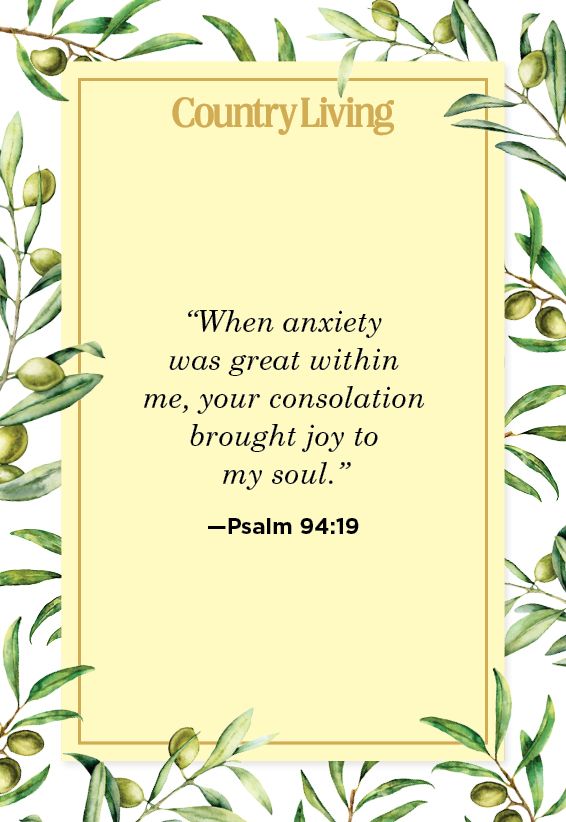
The Root of Financial Anxiety: Understanding the Theology of Provision
The primary driver of financial stress is the perception of scarcity and the burden of ultimate responsibility. When an individual views themselves as the sole architect of their financial destiny, every market downturn or unexpected expense becomes an existential threat. The Bible addresses this directly by shifting the paradigm from ownership to stewardship.
Stewardship vs. Ownership: Shifting the Mental Burden
From a biblical perspective, the concept of stewardship suggests that individuals do not “own” their assets but are rather “managers” of resources entrusted to them. In the realm of personal finance, this shift is revolutionary for stress management. When you view your portfolio, business, or income as a trust rather than a personal possession, the ego-driven anxiety of “losing it all” begins to dissipate.
Stewardship implies that the ultimate responsibility for provision lies with the owner, not the manager. By internalizing the principle that “the earth is the Lord’s and everything in it,” a professional can approach high-stakes decision-making with a sense of delegated authority rather than desperate self-reliance. This does not absolve the individual of the need for diligence, but it removes the crushing weight of being the final guarantor of one’s own security.
The Psychology of Contentment in a Consumerist Economy
Much of today’s financial stress is rooted in “lifestyle creep” and the constant comparison facilitated by digital media. The Bible identifies “covetousness” as a primary source of internal unrest. From a financial planning standpoint, contentment is the ultimate hedge against inflation and market volatility.
When a person’s sense of well-being is detached from their net worth, they gain a “margin of peace” that allows for better long-term decision-making. Stress often leads to impulsive financial moves—selling at the bottom of a market cycle or taking on high-interest debt to maintain an image. Contentment, as advocated in biblical wisdom, provides the emotional stability needed to stick to a disciplined financial plan even when the surrounding economy is in turmoil.
Biblical Strategies for Managing Economic Stress
Beyond mindset shifts, the Bible offers practical, actionable strategies for managing wealth that align with modern financial best practices. These strategies are designed to mitigate the risks that lead to anxiety.
The Debt Trap: Finding Freedom Through Ancient Wisdom
One of the most cited sources of stress in the 21st century is personal and corporate debt. The biblical proverb stating “the borrower is slave to the lender” remains a profound psychological and financial truth. Debt creates a fixed obligation against an uncertain future, which is the perfect recipe for chronic stress.
To reduce financial anxiety, the biblical model emphasizes aggressive debt reduction and the avoidance of “surety” or high-risk guarantees. By prioritizing a debt-free lifestyle, individuals increase their cash flow flexibility and reduce their vulnerability to interest rate hikes or job loss. The peace that comes from “owing no man anything” is not just a spiritual platitude; it is a measurable state of financial health that lowers cortisol levels and increases overall life satisfaction.
Diversification and Planning: The Proverbs Approach to Risk
Anxiety is often a result of uncertainty. The Bible encourages meticulous planning and diversification as a means of mitigating the fear of the unknown. The book of Proverbs is replete with exhortations to the “diligent” who plan for the future, contrasting them with the “sluggard” or the “hasty” who experience want.

Furthermore, Ecclesiastes provides a foundational principle for modern portfolio theory: “Divide your portion to seven, or even to eight, for you do not know what misfortune may occur on the earth.” This ancient advice on diversification is a direct antidote to the stress of having “all your eggs in one basket.” By spreading risk across different asset classes and ventures, the investor can face local economic downturns with the confidence that their entire livelihood is not at risk.
Practical Tools for Modern Financial Peace
Translating biblical principles into a modern financial context requires the use of contemporary tools fueled by ancient wisdom. Financial peace is rarely accidental; it is the result of intentional systems.
Budgeting as a Spiritual Discipline
In many circles, a budget is seen as a restrictive tool that limits freedom. However, from a perspective of reducing stress, a budget is actually a tool for liberation. It is the practice of “counting the cost” before building, a principle highlighted in the New Testament to avoid the public shame and internal stress of unfinished projects.
A well-constructed budget serves as a roadmap that eliminates the “mystery” of where money goes. When every dollar is assigned a purpose—whether for overhead, investment, or living expenses—the anxiety of the unknown is replaced by the clarity of data. This discipline allows for proactive rather than reactive financial management, which is the cornerstone of a low-stress lifestyle.
The Role of Generosity in Breaking the Cycle of Scarcity
Paradoxically, one of the most effective biblical ways to reduce financial stress is to give money away. The “scarcity mindset” tells us that we must hoard resources to be safe. This mindset, however, only increases anxiety, as it makes us more dependent on the very things we are afraid of losing.
Generosity—specifically the practice of tithing or systematic giving—breaks the psychological power that money holds over an individual. It serves as a recurring reminder that money is a tool, not a master. In business finance, corporate social responsibility and radical generosity can build brand loyalty and employee morale, but on a personal level, it functions as a “stress release valve.” By proving to yourself that you can live on less and still thrive, you diminish the fear of “not having enough.”
Building a Sustainable Financial Legacy Without the Burnout
The ultimate goal of applying biblical wisdom to finance is not just the accumulation of wealth, but the achievement of “Shalom”—a state of wholeness, prosperity, and peace. This requires a long-term view that transcends quarterly earnings or annual returns.
Work-Life Integration and the Principle of Sabbath
Much of the stress associated with money comes from the “hustle culture” that demands 24/7 productivity. The Bible introduces the concept of the Sabbath—a mandatory period of rest and cessation from economic labor. In a modern context, this is a vital tool for preventing burnout.
The Sabbath is an act of trust; it is a declaration that the world (and your business) will not collapse if you stop working for twenty-four hours. This practice forces a boundary between an individual’s identity and their economic output. For the entrepreneur or investor, this rhythmic rest provides the mental clarity needed to avoid the “fog of war” that often leads to poor, stress-induced financial choices.
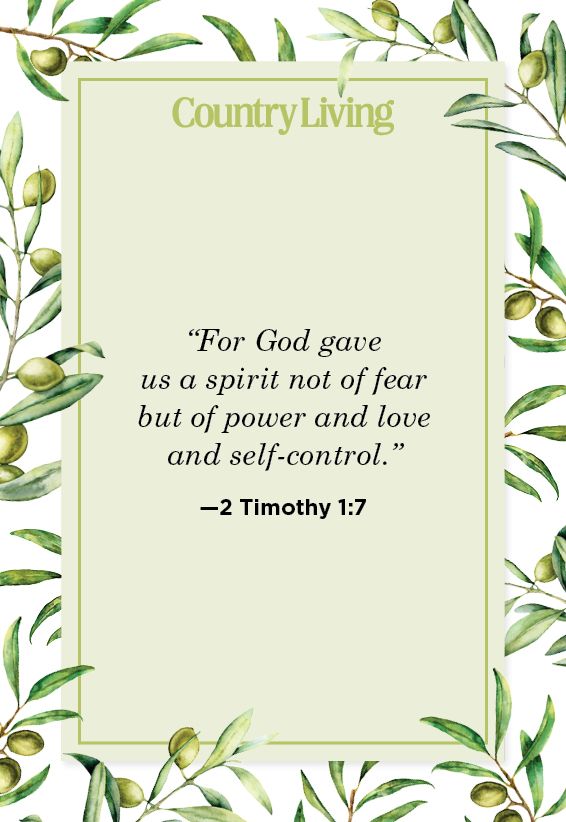
Long-term Vision: Investing with Eternal Perspectives
Finally, the Bible encourages a timeline that extends beyond a single lifetime. Investing in “treasures that moth and rust do not destroy” suggests that our financial goals should include legacy, charity, and the well-being of future generations.
When your financial plan is anchored in a multi-generational or eternal perspective, the day-to-day fluctuations of the NASDAQ or the S&P 500 lose their power to cause panic. You are no longer playing a short-term game of “beat the market,” but a long-term game of building a lasting impact. This shift in perspective provides a profound sense of calm, allowing the modern professional to navigate the complexities of the global economy with a steady hand and a quiet heart.
In conclusion, what the Bible says about anxiety and stress in the context of money is both timeless and highly practical. By adopting a mindset of stewardship, practicing disciplined planning, embracing generosity, and honoring the need for rest, individuals can transform their financial lives from a source of constant pressure into a foundation of enduring peace. The path to wealth does not have to be paved with stress; when guided by these ancient principles, it can be a journey of purpose, security, and tranquility.
aViewFromTheCave is a participant in the Amazon Services LLC Associates Program, an affiliate advertising program designed to provide a means for sites to earn advertising fees by advertising and linking to Amazon.com. Amazon, the Amazon logo, AmazonSupply, and the AmazonSupply logo are trademarks of Amazon.com, Inc. or its affiliates. As an Amazon Associate we earn affiliate commissions from qualifying purchases.