
The biblical narrative surrounding the Antichrist, particularly within prophetic texts, presents a complex figure whose rise and reign are intrinsically linked to a global system of control. While theological and political dimensions are often discussed, a critical, often overlooked aspect is the profound financial and economic implications described. The scriptures paint a picture where this figure’s influence extends deeply into the world’s commerce, monetary systems, and the very ability of individuals to conduct daily financial transactions. Understanding these economic prophecies is crucial for those seeking to comprehend the full scope of what the Bible asserts regarding this end-times antagonist.
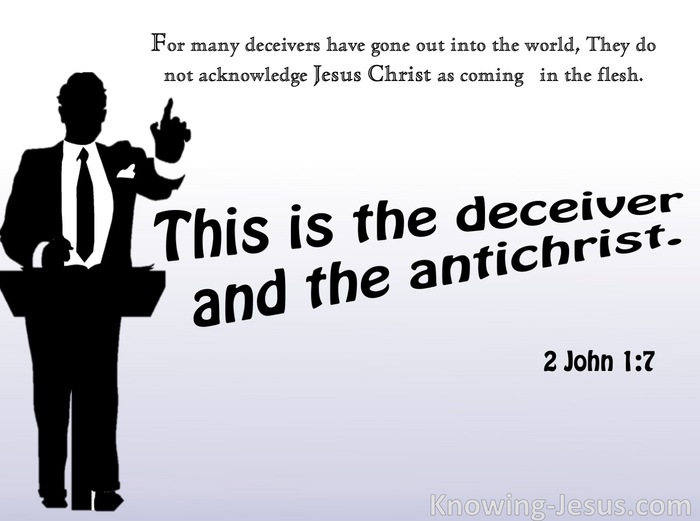
The Antichrist and Global Economic Control
Biblical prophecy, notably in the Book of Revelation, details a future period marked by unprecedented global unification and a centralized authority that impacts all facets of life, including the financial landscape. The Antichrist, often referred to as “the beast,” is depicted as the architect or primary enforcer of an economic system designed to consolidate power and allegiance. This is not merely a political or religious domination, but one that directly manipulates and controls global finance.
The Prophecy of Commercial Exclusion
One of the most striking prophecies regarding the Antichrist’s economic influence is found in Revelation 13:16-17, which states, “He also forced everyone, small and great, rich and poor, free and slave, to receive a mark on their right hand or on their forehead, so that they could not buy or sell unless they had the mark, which is the name of the beast or the number of its name.” This passage explicitly outlines a system of commercial exclusion. The ability to engage in fundamental economic activities—buying necessities, selling goods or services, participating in the market—becomes contingent upon adherence to this new authority.
This foretells an era where free commerce, as understood today, would cease to exist for those who do not comply. Such a system implies a complete overhaul of global economic infrastructure, enabling a single entity or power structure to monitor and regulate every transaction. The mere thought of a world where one cannot buy groceries, pay for services, or earn a living without a specific identifier underscores the depth of financial control envisioned. It suggests a complete integration of economic identity with political and ideological conformity.
A Centralized Financial Authority
The mechanism described in Revelation 13 points towards an incredibly centralized and pervasive financial authority. For such a system to function, monitoring every individual’s buying and selling capacity, it would necessitate a highly advanced and unified global economic network. This system would not just regulate high-level international trade but would permeate down to the most granular personal financial decisions.
Historically, empires have attempted various forms of economic control, but the scale and depth described in prophecy suggest something far beyond any previous historical model. It speaks to a future where national currencies might be subsumed into a single, digitally verifiable system, or at least where global interoperability is enforced to such an extent that dissenters can be instantly disbarred from economic participation. Such a structure would provide the Antichrist with immense leverage, effectively starving out any opposition and ensuring widespread compliance through financial coercion. The implications for national sovereignty over monetary policy and financial independence for citizens are profound, indicating a shift towards a single, dominant economic paradigm.
The Mark of the Beast: Financial Compliance and Transactions
The “mark of the beast” is perhaps the most iconic symbol of the Antichrist’s economic dominion. It is not merely an insignia but a functional requirement for economic engagement, transforming personal finance into a matter of ultimate allegiance.
Barring Free Commerce
The Bible’s explicit declaration that “they could not buy or sell unless they had the mark” (Revelation 13:17) directly targets the core of personal finance and economic survival. In modern terms, this could be interpreted as being locked out of all digital payment systems, credit facilities, banking, and even basic cash transactions if a digital verification is required. Imagine a world where your debit card, credit card, mobile payment apps, and bank accounts are all linked to a mandatory identification system. Refusal to comply would mean an inability to purchase food, pay rent, buy medicine, or even engage in a side hustle.
This prophetic scenario forces individuals to make an agonizing choice: economic survival versus adherence to one’s conscience. For those who refuse the mark, the implication is not just inconvenience but complete financial ostracization, leading to an inability to sustain life within the established economic order. This is a direct assault on financial autonomy and freedom, weaponizing the very tools of commerce against individuals.
Implications for Personal Finance and Livelihood
The imposition of the mark would have catastrophic implications for personal finance and livelihood. Entrepreneurs would be unable to conduct business, employees unable to receive wages, and consumers unable to acquire goods. Entire sectors of the economy would be inaccessible to those without the mark, effectively creating a two-tiered society: those integrated into the beast’s economic system and those completely outside it.

For families and individuals, this scenario presents an existential financial crisis. Planning for retirement, managing investments, saving for education, or even budgeting for daily expenses becomes impossible. The very concept of personal wealth management would be rendered obsolete for those who stand against the system, forcing them into a mode of existence completely outside conventional economic structures. This highlights a radical form of economic persecution, where financial well-being is directly tied to political and spiritual alignment.
Economic Power and Deception
The Antichrist’s rise to economic power is not solely based on coercion; it also involves an element of deception and the allure of a seemingly utopian, unified system that promises stability and prosperity. This financial allure contributes to widespread acceptance and integration.
The Allure of a Unified System
The biblical prophecies suggest that the Antichrist’s system, initially, may present itself as a solution to existing global financial problems—instability, inequality, and inefficiency. A unified global currency or a universally standardized digital identity linked to all transactions could be pitched as the ultimate solution for fraud prevention, seamless international trade, and equitable distribution. Such a promise of unparalleled economic stability and convenience could be incredibly attractive to a world grappling with complex financial crises.
This global financial system might promise an end to currency wars, simplified taxation, and efficient resource allocation, thereby gaining popular support. The Antichrist, through this economic facade, could be perceived as a brilliant financial strategist, capable of bringing order out of chaos. This would allow for a subtle integration of control mechanisms, making the eventual imposition of the mark seem like a logical, perhaps even necessary, progression for global economic health.
The Accumulation and Display of Wealth
Revelation also describes a period of immense material prosperity and accumulation of wealth associated with the “Beast” and its system, albeit a temporary one. Revelation 18, often interpreted in conjunction with the Antichrist’s reign, speaks of “Babylon the Great,” a global economic and political power whose merchants become rich through its lavish trade. This suggests that the Antichrist’s empire will be characterized by significant economic activity and the consolidation of vast riches, attracting many with the promise of participation in this wealth.
This display of opulence and economic might serves as both an enticement and a demonstration of power. It suggests that the Antichrist’s financial system will not be austere but will initially foster a period of perceived economic boom, drawing nations and individuals into its sphere of influence through the promise of shared prosperity. However, this prosperity is contingent on allegiance, and its ultimate collapse is also foretold, demonstrating its ephemeral nature.
Resilience and Financial Discipleship in Prophetic Context
For those who understand these prophecies, the economic implications of the Antichrist’s reign present a call to spiritual and financial resilience. The Bible does not just foretell a crisis but also outlines principles for navigating such an oppressive economic landscape.
Navigating an Oppressive Economic Landscape
The prophetic warnings serve as a guide for preparing for a future where conventional financial systems might become instruments of oppression. This preparation might involve re-evaluating dependence on traditional economic structures, exploring alternative means of sustenance and community support, and cultivating skills that operate outside the digital, globally monitored economy. It emphasizes self-sufficiency, local community networks, and a return to fundamental forms of commerce and exchange that are less susceptible to centralized control.
Moreover, the prophecies implicitly advocate for discernment regarding financial innovations and global economic proposals. They encourage a cautious approach to systems that promise universal convenience at the cost of personal freedom and ethical compromise.
Prioritizing Spiritual Capital Over Material Gain
Ultimately, the biblical portrayal of the Antichrist’s economic system places a stark choice before humanity: allegiance to a powerful, controlling financial apparatus or steadfast adherence to faith, even at the cost of material well-being. This scenario underscores the biblical principle of prioritizing spiritual capital over material gain. For those who refuse the mark, the sacrifice of financial comfort and even survival becomes a test of ultimate loyalty.
This perspective shifts the focus of personal finance from accumulation and security within worldly systems to cultivating spiritual resilience and eternal investments. It encourages a detachment from the temporary allure of global wealth and a reliance on divine provision, even in the face of unprecedented financial persecution. The warnings about the Antichrist’s economic control are not just grim predictions but also profound calls to re-evaluate our relationship with money and material possessions, urging a deeper commitment to principles that transcend any earthly financial system.
aViewFromTheCave is a participant in the Amazon Services LLC Associates Program, an affiliate advertising program designed to provide a means for sites to earn advertising fees by advertising and linking to Amazon.com. Amazon, the Amazon logo, AmazonSupply, and the AmazonSupply logo are trademarks of Amazon.com, Inc. or its affiliates. As an Amazon Associate we earn affiliate commissions from qualifying purchases.