
In the rapidly evolving landscape of mobile technology, few devices command as much attention and scrutiny as the iPhone. For over a decade, Apple has maintained a dominant position in the premium smartphone market by blending high-end hardware with a seamless software ecosystem. However, as the product lineup has expanded, the answer to the question “which is the best iPhone?” has become increasingly nuanced. It is no longer a matter of simply picking the newest model; rather, it is about aligning specific technical requirements, such as processing power, display technology, and camera capabilities, with the user’s personal or professional needs.

In 2024, the iPhone lineup is more diverse than ever, featuring cutting-edge 3-nanometer chips, revolutionary camera sensors, and shifts in physical design like the transition to USB-C. This guide provides a deep dive into the current technical landscape of the iPhone ecosystem to help you identify which device stands as the pinnacle of technology for your specific use case.
The Current Landscape of the iPhone Ecosystem
To understand which iPhone is the best, one must first understand the architectural shifts Apple has implemented over the last two years. The most significant of these is the divergence between the standard and “Pro” silicon. While Apple previously used the same chip across an entire generation, we now see a tiered approach to performance that impacts everything from gaming to artificial intelligence processing.
The Shift to USB-C and Universal Connectivity
Perhaps the most notable hardware change in recent years is the transition from the proprietary Lightning port to the industry-standard USB-C. This shift, mandated in part by European regulations but embraced by Apple to unify its product line, has profound implications for “Pro” users. The USB-C port on the latest Pro models supports USB 3 speeds (up to 10Gbps), allowing for the rapid transfer of massive video files—a necessity for those shooting in ProRes. For the average user, it simply means one cable can now charge a MacBook, an iPad, and an iPhone, streamlining the digital lifestyle.
Software Longevity and iOS Integration
A primary reason the iPhone remains a top recommendation in the tech world is its lifecycle. Apple’s vertical integration—designing both the hardware (Apple Silicon) and the software (iOS)—allows for unparalleled optimization. A high-end iPhone purchased today is statistically likely to receive software updates and security patches for six to seven years. This longevity makes the “best” iPhone not just the one with the flashiest features, but the one that offers the highest return on investment through sustained performance over half a decade.
The Ultimate Powerhouses: The Pro and Pro Max Series
For tech enthusiasts and professionals who demand the absolute ceiling of mobile performance, the Pro series is the only logical choice. These devices serve as the playground for Apple’s most ambitious engineering feats, particularly in the realms of metallurgy and optics.
Titanium Design and Ergonomics
With the introduction of the iPhone 15 Pro and continued in the current generation, Apple moved away from stainless steel in favor of Grade 5 Titanium. This wasn’t just an aesthetic choice; it was a technical solution to the increasing weight of flagship phones. Titanium offers a superior strength-to-weight ratio, making the “Max” models significantly more comfortable for one-handed use while maintaining structural integrity. Furthermore, the internal aluminum frame helps with thermal dissipation, ensuring that the high-performance chips do not throttle during intensive tasks like 4K video editing or AAA mobile gaming.
ProMotion and Always-On Display Technology
The “best” screen experience on a mobile device currently belongs to the Pro lineup due to ProMotion technology. While standard iPhones are locked at a 60Hz refresh rate, the Pro models utilize an LTPO (Low-Temperature Polycrystalline Oxide) backplane that allows for a variable refresh rate from 1Hz to 120Hz. This results in incredibly fluid scrolling and animations. Conversely, the ability to drop to 1Hz enables the “Always-On” display, allowing users to glance at notifications and the time without fully waking the device, all while maintaining exceptional battery efficiency.
The Professional Grade Camera System
In the world of smartphone photography, the Pro series sets the benchmark. The current flagship features a 48-megapixel Main camera with a quad-pixel sensor that adapts to the light conditions. For those seeking the best zoom capabilities, the tetraprism design in the Pro Max enables a 5x optical zoom, a feat of engineering that folds light four times to fit a long focal length into a slim chassis. Beyond hardware, the computational photography driven by the Neural Engine allows for “Smart HDR” and “Deep Fusion,” ensuring that even the most challenging high-contrast scenes are captured with professional-grade dynamic range.
The Best Value for Most Users: The Standard iPhone and Plus Models
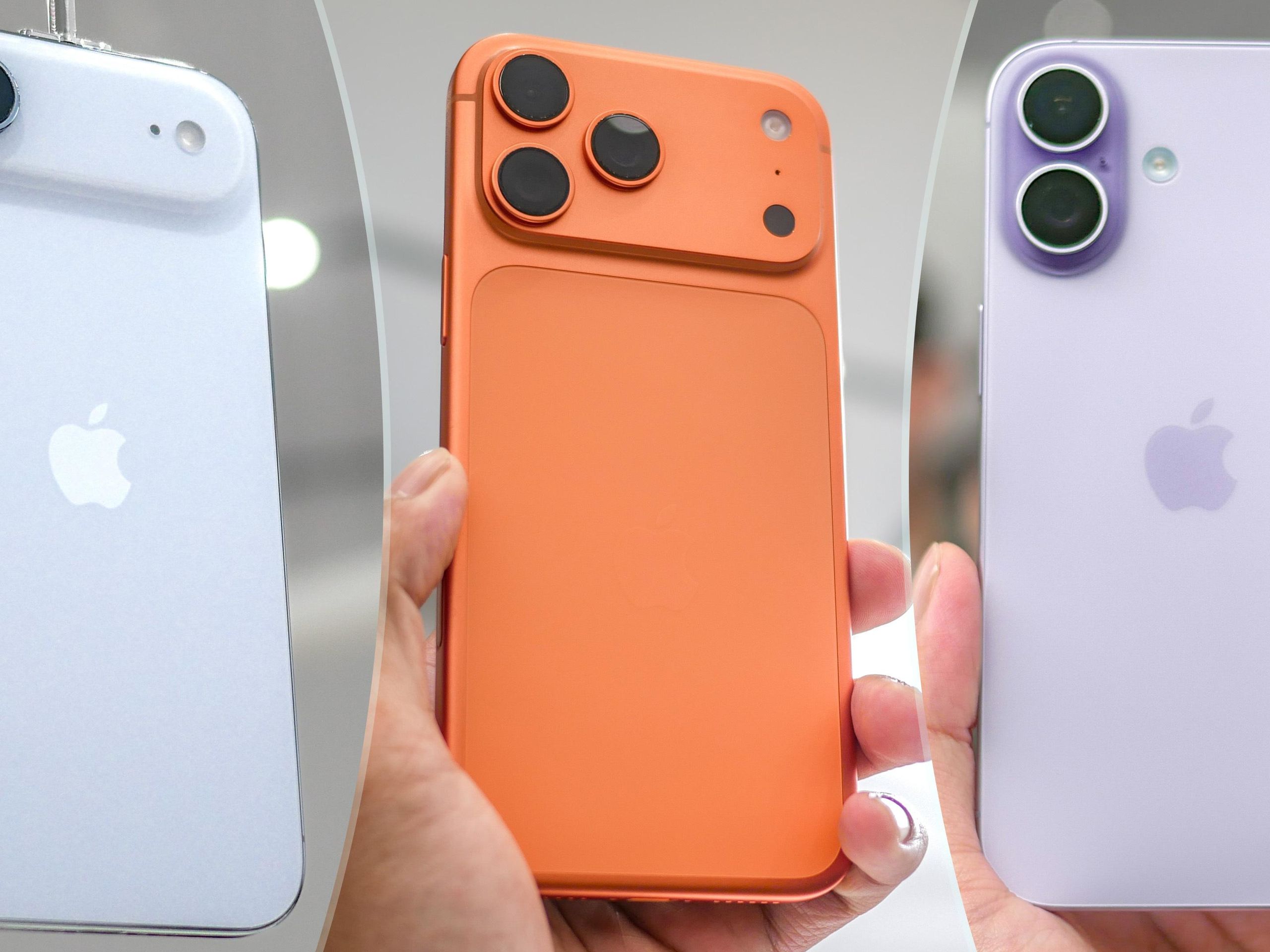
While the Pro models grab the headlines, the standard iPhone and its larger sibling, the Plus, represent the sweet spot for the vast majority of consumers. These devices are often described as “trickle-down” masterpieces, inheriting the revolutionary features of previous Pro models at a more accessible price point.
Balancing Performance and Price
The standard iPhone models currently utilize the A16 Bionic or A17 chips (depending on the specific year’s cycle), which remain faster than almost any competing flagship chip in the Android ecosystem. For the user who browses the web, utilizes social media, and engages in casual photography, the performance overhead is so high that they will never experience a “slow” device. The inclusion of the “Dynamic Island”—the interactive pill-shaped cutout at the top of the screen—across the entire lineup has also modernized the UI experience for those not buying the Pro models.
Battery Life Champion: The Case for the Plus Model
If your definition of the “best” iPhone is based on how long you can go without a charger, the iPhone Plus model often outperforms even the Pro Max. Because the Plus model lacks the power-hungry 120Hz ProMotion display and the complex triple-camera array of the Pro Max, but shares its massive battery footprint, it has become the gold standard for endurance. For travelers, field workers, or anyone who suffers from “battery anxiety,” the Plus is technically the superior tool.
The Compact and Budget-Conscious Choices
Not every tech user wants a giant glass slab in their pocket, and not everyone requires a three-lens camera system. Apple’s entry-level and legacy offerings serve a vital segment of the market that prioritizes portability and value.
iPhone SE: The Entry Point into Apple’s Ecosystem
The iPhone SE (Special Edition) remains a unique anomaly in the tech world. It retains the classic design with a physical Home button and Touch ID, which many users still prefer for its tactile reliability. Internally, however, it usually houses a modern A-series chip, ensuring that it doesn’t sacrifice speed. It is the best iPhone for those who want the iOS security and app ecosystem without the $1,000 price tag, or for corporate deployments where standardized hardware is key.
Older Flagships: When to Buy Last Year’s Tech
In the current market, “last year’s Pro” is often a better technological purchase than “this year’s Standard.” For example, an iPhone 14 Pro might offer a better display and camera system than a base iPhone 15. When looking for the best iPhone, savvy tech buyers often look at the previous year’s high-end models, which Apple or third-party retailers often discount. This allows users to access ProMotion and telephoto lenses without paying the current-gen premium.
Future-Proofing Your Purchase: Key Technical Considerations
To truly identify the best iPhone for your needs, you must look beyond the marketing materials and consider the technical specifications that will matter two or three years from now.
Storage Needs for Modern Media
With the advent of 48MP photos and 4K 60fps video, storage has become a critical bottleneck. While 128GB is the base, anyone intending to use their iPhone as a creative tool should consider 256GB or 512GB as the minimum. Furthermore, the Pro models support recording video directly to an external SSD via the USB-C port, a game-changer for mobile cinematography that bypasses internal storage limitations entirely.
The Impact of AI and Machine Learning on Hardware Choice
As we move into an era dominated by Generative AI and on-device machine learning, the amount of RAM and the power of the Neural Engine become paramount. The latest A-series chips are designed specifically to handle these workloads locally, ensuring privacy and speed. When choosing the “best” iPhone, opting for the model with the most recent chip architecture (the Pro models) ensures that you will be able to run the next generation of AI-driven features that Apple integrates into iOS over the coming years.
Conclusion
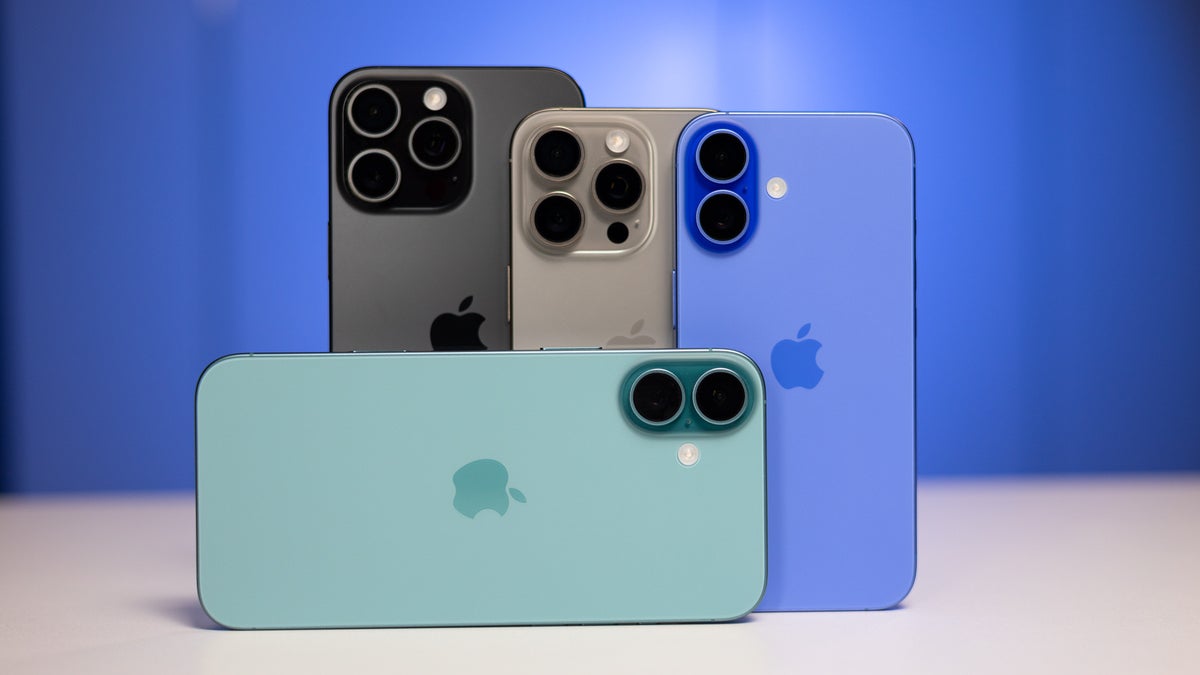
There is no single “best” iPhone in a vacuum; there is only the best iPhone for your specific technological demands. If you are a mobile gamer or a creative professional, the iPhone 15 Pro Max (or its successor) with its Titanium build and A-series Pro chip is the undisputed champion. If you value screen real estate and legendary battery life above all else, the iPhone Plus models are the logical choice. For those entering the ecosystem or preferring a traditional form factor, the iPhone SE remains a potent, if modest, contender. By understanding the underlying technology—from refresh rates to silicon architecture—you can make an informed decision that ensures your device remains a cutting-edge tool for years to come.
aViewFromTheCave is a participant in the Amazon Services LLC Associates Program, an affiliate advertising program designed to provide a means for sites to earn advertising fees by advertising and linking to Amazon.com. Amazon, the Amazon logo, AmazonSupply, and the AmazonSupply logo are trademarks of Amazon.com, Inc. or its affiliates. As an Amazon Associate we earn affiliate commissions from qualifying purchases.