
Choosing the “best” car insurance is rarely a matter of finding the lowest monthly premium. From a personal finance perspective, the best insurance is the one that provides a robust safety net for your assets while remaining cost-efficient relative to your net worth and risk tolerance. In the realm of money management, auto insurance serves as a critical tool for risk mitigation—a barrier between an unforeseen accident and potential financial ruin.
To identify the ideal policy, one must look beyond the marketing slogans and evaluate the mathematical value of coverage. This guide explores how to navigate the complex world of auto insurance through the lens of financial planning, ensuring that your vehicle remains an asset rather than a liability to your long-term wealth.
1. The Core Pillars of Auto Insurance: Protecting Your Balance Sheet
When discussing the financial merits of an insurance policy, we must first categorize the types of coverage available. Not every policy is built the same, and understanding the “mechanics” of these financial products is essential for any savvy investor or budget-conscious individual.
Liability Coverage: Protecting Your Assets
Liability insurance is the most critical component of any policy. It doesn’t pay for your car; it pays for the damage you cause to others. From a financial standpoint, this is your primary defense against lawsuits. If you are at fault in a major accident and your liability limits are too low, a court could potentially seize your savings, investments, or even garnish your future wages. The “best” insurance for someone with significant assets is one with high liability limits (often 100/300/100 or higher) to ensure their net worth is shielded.
Collision and Comprehensive: Managing Depreciating Assets
While liability protects your money, collision and comprehensive coverage protect the car itself. Collision covers accidents with other vehicles or objects, while comprehensive covers non-collision events like theft, fire, or natural disasters.
- The Financial Rule of Thumb: If the annual cost of collision and comprehensive coverage exceeds 10% of your car’s total book value, it may be financially prudent to “self-insure” by dropping these coverages and setting aside those premium savings in a high-yield savings account.
Uninsured and Underinsured Motorist Coverage
In many regions, a high percentage of drivers carry either no insurance or the bare legal minimum. If you are hit by one of these individuals, your own insurance must step in to cover your medical bills and repairs. In terms of financial tools, this coverage acts as a secondary layer of personal protection, ensuring that another person’s poor financial planning doesn’t bankrupt you.
2. Strategic Policy Alignment: Matching Coverage to Your Financial Profile
The best insurance policy for a college student with a $3,000 sedan is vastly different from the best policy for a mid-career professional with a luxury SUV and a diverse investment portfolio. Identifying the best insurance requires an honest assessment of your financial profile.
The High-Deductible Strategy for Wealth Builders
For those with a solid emergency fund, opting for a higher deductible (e.g., $1,000 or $2,500 instead of $500) is often the most financially sound move. By taking on more of the initial risk yourself, you can significantly lower your monthly premiums. The money saved on premiums can then be redirected into an IRA, 401(k), or other income-generating assets. Over a five-year period, the premium savings often far outweigh the cost of a single high-deductible claim.
Understanding the “Total Cost of Ownership”
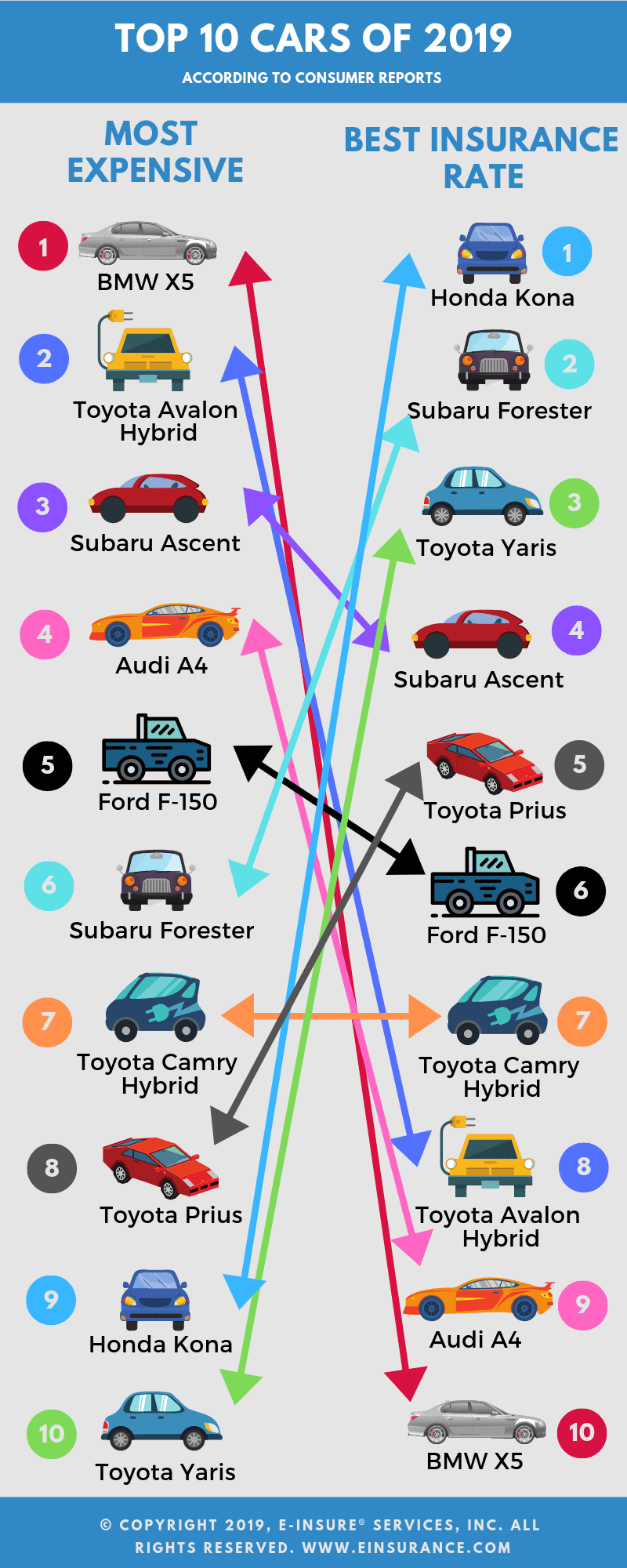
When purchasing a vehicle, the “best” insurance is often determined by the car’s insurance rating. Financial experts recommend checking insurance quotes before buying a car. High-performance vehicles or cars with expensive parts (like certain electric vehicles or luxury brands) carry higher premiums. If the insurance premium adds $200 a month to your expenses, it drastically changes the ROI of that vehicle purchase.
Gap Insurance: A Tool for Debt Management
If you are financing a car with a low down payment, you are likely “underwater” (owing more than the car is worth) the moment you drive off the lot. In this scenario, the best insurance includes “Gap Coverage.” This ensures that if the car is totaled, the insurance company pays off the full loan balance, preventing you from paying for a “ghost” asset—a car you no longer own but still owe money on.
3. Maximizing Value: Optimization Strategies and Financial Discounts
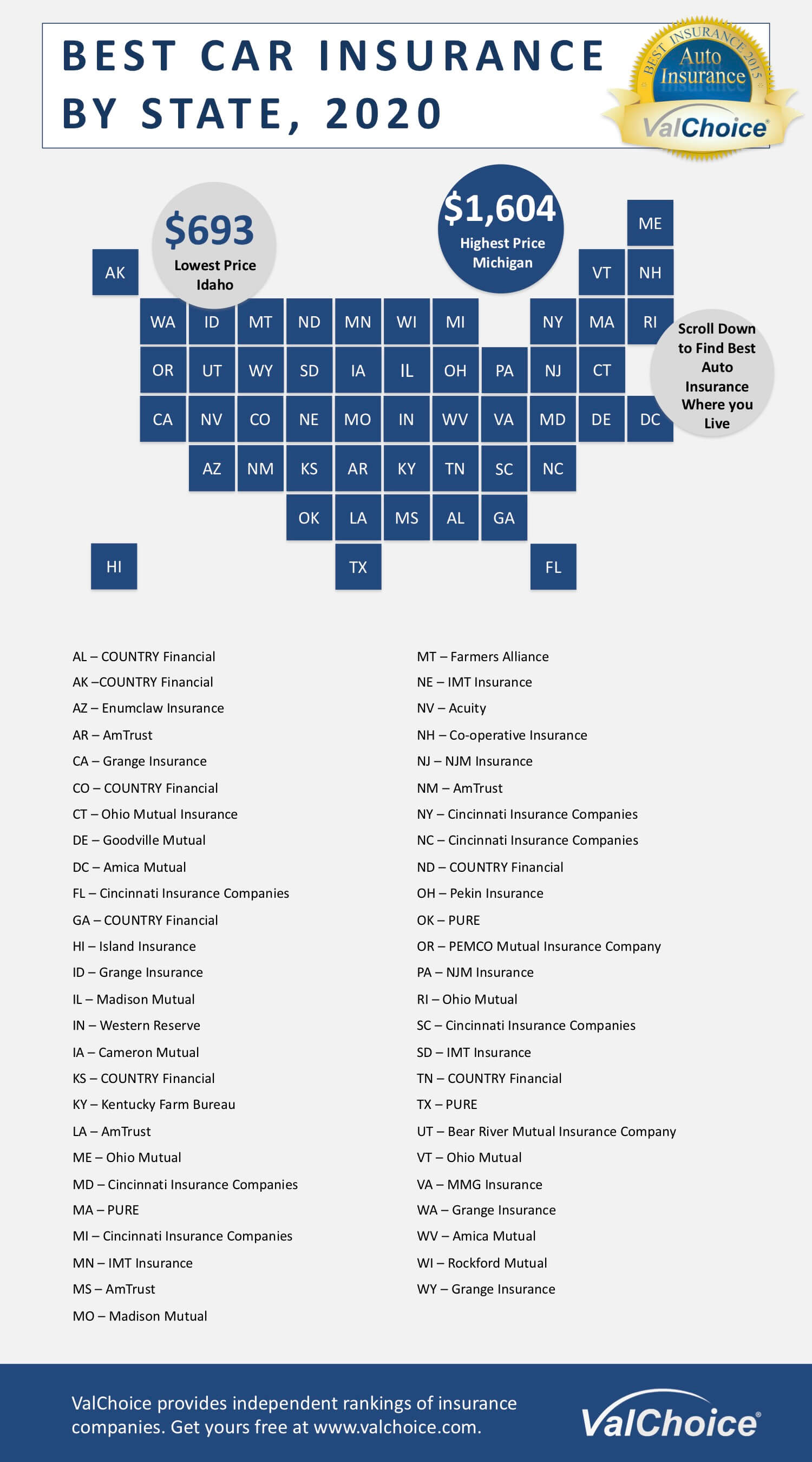
In the personal finance world, every dollar saved on a recurring expense is a dollar that can work for you elsewhere. Finding the best insurance involves a proactive approach to maximizing discounts and optimizing the policy structure.
The Power of Bundling and Loyalty
Insurance companies are businesses that value high customer lifetime value. Bundling your auto insurance with homeowners or renters insurance is one of the most effective ways to shave 10% to 25% off your total premium. From a cash-flow management perspective, this consolidation also simplifies your monthly financial tracking.
The Impact of Credit Scores on Premiums
In many jurisdictions, insurance companies use a “credit-based insurance score” to determine your premium. They have found a direct correlation between financial responsibility and driving safety. Therefore, the “best” way to get cheap insurance isn’t just to shop around; it’s to maintain a high credit score. Improving your debt-to-income ratio and paying bills on time can lead to lower insurance rates, proving once again that all aspects of personal finance are interconnected.
Telematics and Usage-Based Insurance
For those who work from home or have low annual mileage, the best insurance might be a “pay-per-mile” or telematics-based policy. By allowing an insurer to track your driving habits via an app or a plug-in device, you can receive substantial discounts for safe driving and low usage. This is a data-driven way to ensure your premium is reflective of your actual risk profile rather than an average of your demographic.
4. Evaluating Provider Stability: Choosing a Financial Partner
When you buy insurance, you are essentially buying a promise. You are paying a premium today for the guarantee that the company will have the liquidity to pay a massive claim tomorrow. The “best” insurance must be backed by a company with ironclad financial stability.
Checking Financial Strength Ratings
Before signing a policy, consult agencies like A.M. Best or Standard & Poor’s. These organizations grade insurance companies on their ability to meet their financial obligations. A company might offer the lowest price, but if they have a poor financial rating, you are taking on the “counterparty risk” that they might struggle to pay out during a large-scale catastrophe.
Claims Satisfaction and Value Beyond Price
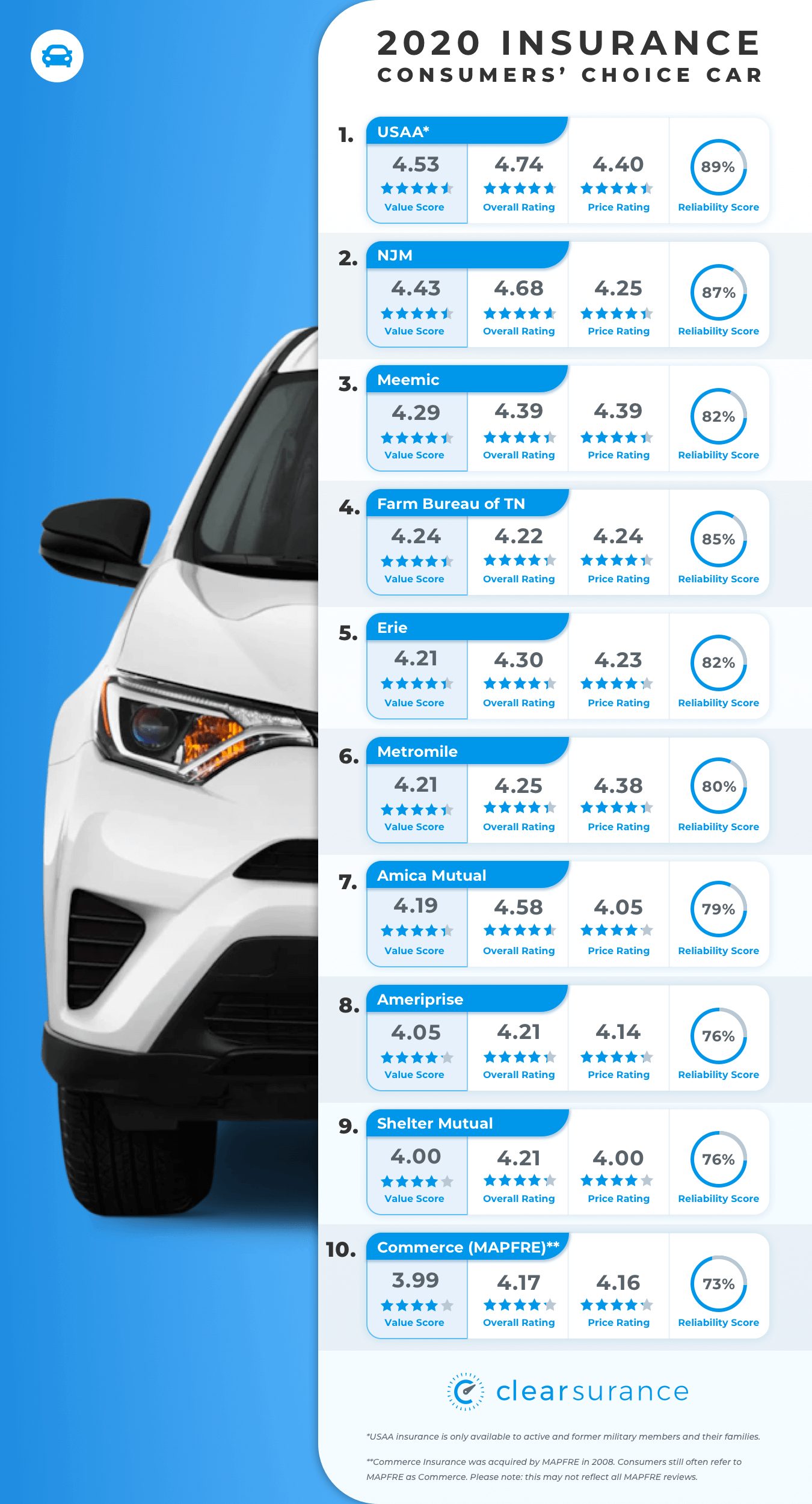
A cheap policy becomes very expensive the moment a claim is denied or delayed. Part of the value proposition of a “best-in-class” insurer is their claims-handling reputation. Financial peace of mind comes from knowing that if an accident occurs, the process will be seamless and fair. J.D. Power reports on claims satisfaction are excellent resources for determining which companies provide the best service-to-price ratio.
Mutual vs. Stock Insurance Companies
From a business finance perspective, it’s interesting to note the difference between mutual companies (owned by policyholders) and stock companies (owned by shareholders). Mutual companies, such as State Farm or Liberty Mutual, often return excess profits to policyholders in the form of dividends or reduced rates, which can be an attractive financial perk for long-term customers.
5. Long-Term Wealth Preservation: Insurance as a Safety Net
Ultimately, the search for the “best” car insurance is about long-term wealth preservation. In the context of a holistic financial plan, insurance is not an “expense” to be minimized to zero; it is a “hedge” against catastrophic loss.
The Role of Umbrella Insurance
For high-net-worth individuals, the best car insurance is often the one that integrates with an Umbrella Policy. Once your auto liability limits are exhausted, the umbrella policy kicks in to provide an extra $1 million to $5 million in coverage. This is a remarkably inexpensive way to buy massive amounts of financial protection, often costing only a few hundred dollars per year.
Annual Financial Check-ups
The “best” policy today might not be the best policy next year. As your car depreciates, your kids grow up, or your home value increases, your insurance needs shift. A disciplined financial approach involves reviewing your declarations page annually. Are you still paying for a rental car reimbursement you don’t need? Is your deductible still appropriate for your current savings level? These small adjustments can save thousands of dollars over a lifetime.
Conclusion: The Intersection of Risk and Reward
Finding the best insurance for a car requires a shift in mindset from “how little can I pay?” to “how much value can I secure?” By focusing on high liability limits, strategic deductibles, and financially stable providers, you transform car insurance from a legal requirement into a sophisticated financial tool.
Whether you prioritize the efficiency of a digital-first provider or the comprehensive protection of a traditional mutual insurer, the goal remains the same: ensuring that your journey toward financial independence isn’t derailed by a single moment on the road. The best insurance is the one that allows you to drive with confidence, knowing that your financial future is secure regardless of what happens in the lane next to you.
aViewFromTheCave is a participant in the Amazon Services LLC Associates Program, an affiliate advertising program designed to provide a means for sites to earn advertising fees by advertising and linking to Amazon.com. Amazon, the Amazon logo, AmazonSupply, and the AmazonSupply logo are trademarks of Amazon.com, Inc. or its affiliates. As an Amazon Associate we earn affiliate commissions from qualifying purchases.