
In the volatile world of consumer fashion, trends are often measured in weeks, and product lifecycles rarely span more than a few seasons. Yet, there is a singular silhouette that has defied the gravity of the “hype cycle” for over four decades: the Nike Air Force 1 (AF1). What began in 1982 as a high-performance basketball shoe has transformed into a multi-billion dollar brand asset that transcends sport, geography, and socioeconomic status.
To ask “What the Air Force 1” actually represents is to dive into a masterclass in brand strategy. It is not merely a shoe; it is a case study on how a brand can maintain its core identity while simultaneously evolving to meet the demands of new generations. By examining the AF1 through the lens of brand strategy, we can uncover the principles of scarcity, community-led growth, and the delicate balance between consistency and innovation.

The Genesis of an Icon: Designing for Brand Identity
The Air Force 1 did not become a cultural titan by accident. Its foundation was laid through a revolutionary design that prioritized a distinct visual language. Created by Bruce Kilgore, the shoe was the first basketball sneaker to feature “Air” technology, but its brand power came from its aesthetic weight.
Form Meets Function: The Bruce Kilgore Legacy
When Kilgore designed the AF1, he drew inspiration from hiking boots, specifically the slanted shaft that provided flexibility and support. From a branding perspective, this gave the shoe a “chunkier” profile compared to the slim canvases of the 1970s. This silhouette became a recognizable brand signature. In branding, visual distinctiveness is the first step toward recall. The AF1’s thick midsole and perforated toe box created a “visual shorthand” that consumers could identify from a distance—a hallmark of successful corporate identity.
The Pivot from Performance to Lifestyle
While Nike initially marketed the shoe to NBA players (the “Original Six”), the brand quickly realized that the shoe’s appeal had leaked off the court. The transition from a performance tool to a lifestyle staple is one of the most difficult maneuvers in marketing. Nike achieved this by leaning into the shoe’s versatility. By positioning the AF1 as a clean, “everyday” luxury, they expanded their target market from athletes to every urban consumer.
Community-Led Growth: The “Baltimore Three” and Grassroots Marketing
One of the most significant chapters in the Air Force 1 narrative is the story of how it was almost discontinued. In 1984, Nike planned to phase out the model to make room for newer technology. The shoe was saved not by a boardroom decision, but by a grassroots movement in Baltimore.
Localization as a Global Strategy
Three retailers in Baltimore—Charley Rudo Sports, Downtown Locker Room, and Cinderella Shoes—noticed the insatiable demand for the AF1. They pressured Nike to continue producing the shoe, eventually leading to the “Color of the Month” club. This was a pioneering moment in brand strategy: Nike allowed the community to dictate the product roadmap. By listening to these local “nodes” of influence, Nike fostered a sense of ownership among consumers. This transformed the AF1 from a corporate product into a community icon.
The Rise of Sneakerhead Culture
This localized demand birthed the concept of the “sneakerhead.” The brand learned that by limiting distribution to specific regions or stores, they could create a “treasure hunt” atmosphere. In modern marketing, this is known as localized scarcity. The AF1 became a badge of cultural savvy. If you had a certain colorway, it meant you were “in the know.” This organic brand advocacy is more powerful than any paid advertisement, as it builds authenticity—the most valuable currency in branding.
The “Colorway” Strategy: Scarcity and Variety in Marketing
A brand must remain fresh without losing its soul. The Air Force 1 manages this through a sophisticated “Colorway” strategy. By keeping the silhouette (the brand’s “skeleton”) identical but changing the colors and materials (the “skin”), Nike satisfies the human desire for both familiarity and novelty.
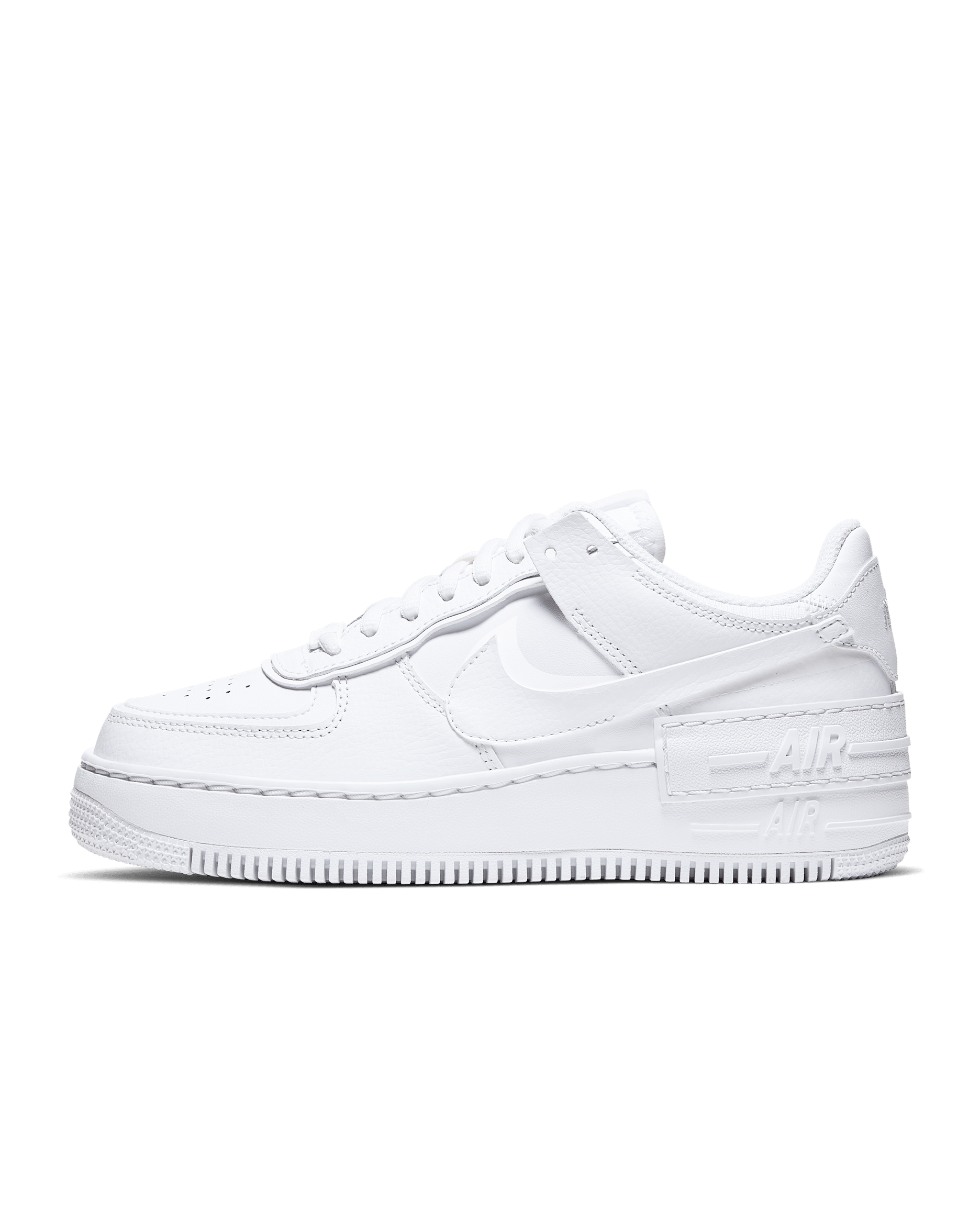
The Power of the “Triple White”
The “Triple White” (all-white) Air Force 1 Low is the anchor of the entire AF1 brand ecosystem. It serves as a blank canvas. From a brand management perspective, the Triple White AF1 is the “core product” that ensures consistent revenue. It is accessible, timeless, and serves as an entry point for new customers. It reinforces the brand’s identity as clean, classic, and reliable.
Collaborative Innovation: Elevating Brand Equity
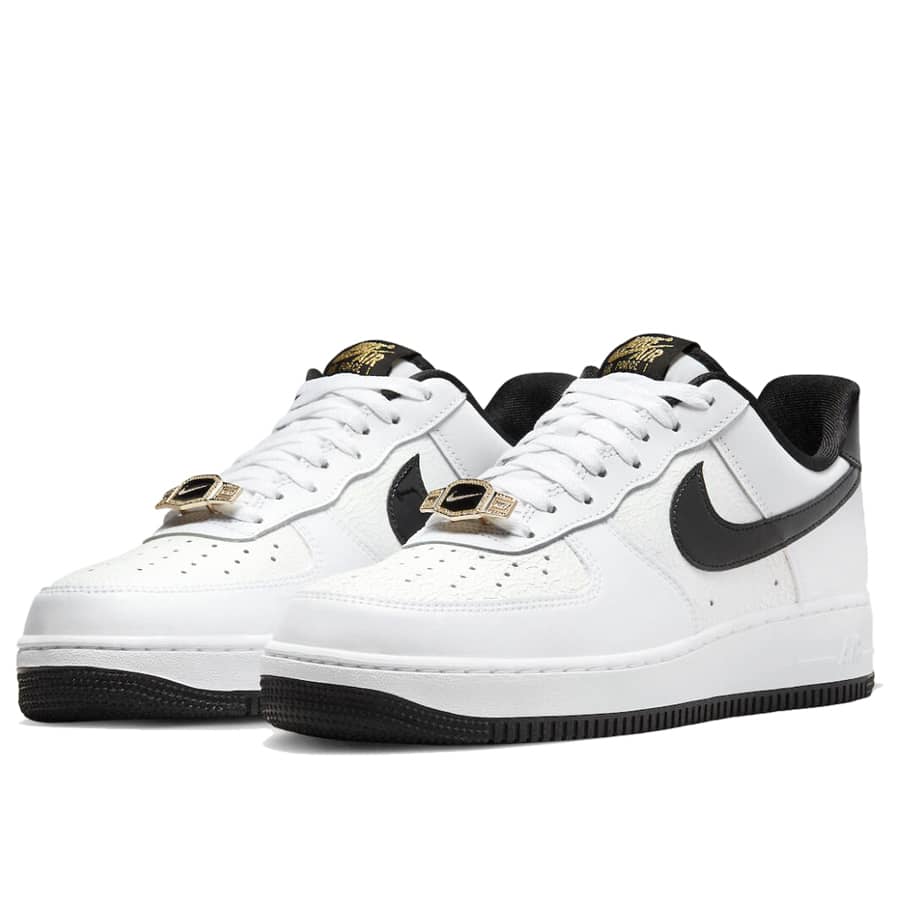
While the Triple White provides stability, Nike uses high-heat collaborations to drive brand “heat” and prestige. By partnering with entities ranging from Off-White and Travis Scott to luxury houses like Louis Vuitton and Dior, Nike elevates the AF1 from a $110 sneaker to a piece of high art.
These collaborations serve two strategic purposes:
- Brand Extension: They allow the AF1 to enter luxury markets it could not reach alone.
- Halo Effect: The prestige of a limited-edition $2,000 Louis Vuitton AF1 trickles down to the standard $110 model, making the mass-market version feel more valuable by association.
Sustaining Relevancy in the Digital Age
In the era of social media, brands are often discarded as quickly as they are discovered. The Air Force 1 has avoided this fate by embracing digital customization and maintaining a symbiotic relationship with pop culture.
Customization as Brand Empowerment
Nike’s “Nike By You” (formerly NikeiD) platform is a brilliant brand engagement tool. By allowing consumers to design their own AF1s, Nike transforms the consumer into a co-creator. This fosters a deep psychological bond between the user and the brand. In an age where individuality is prized, providing the tools for self-expression through a standardized brand template is a masterstroke of marketing.
Cultural Symbiosis: The Hip-Hop Connection
The AF1 brand is inseparable from hip-hop culture. From Nelly’s 2002 hit “Air Force Ones” to the shoe’s ubiquitous presence in music videos today, Nike has successfully integrated its product into the lifestyle of the most influential cultural movement of the 21st century.
The brand strategy here is one of “calculated silence.” Nike rarely pays for these endorsements; instead, they design a product that is so culturally resonant that influencers want to wear it. This creates a cycle of “earned media” that is far more credible than traditional celebrity sponsorships. When a rapper mentions an AF1, they aren’t just mentioning a shoe; they are signaling a shared set of values—resilience, style, and urban authenticity.
Conclusion: The Blueprint for a “Forever Brand”
The story of “what the Air Force 1” is, ultimately, the story of how to build a “forever brand.” It teaches us that brand longevity requires a firm grasp on three pillars:
First, Consistency. The silhouette of the AF1 has remained largely unchanged for 40 years. This provides a sense of reliability and “brand heritage” that consumers can trust across generations.
Second, Community. By allowing the culture to “own” the shoe—from the Baltimore retailers of the 80s to the customizers on TikTok today—Nike has ensured that the brand remains relevant from the bottom up.
Third, Adaptability. Through a rigorous strategy of collaborations and colorway rotations, the brand stays at the forefront of fashion without ever having to “rebrand” itself.
The Air Force 1 is proof that a product does not have to be the most technologically advanced to be the most successful. It simply needs to have a soul. By mastering the intersection of design, community, and scarcity, Nike has turned a basketball shoe into a permanent fixture of the global cultural landscape. For any brand strategist, the AF1 is not just a sneaker; it is the ultimate benchmark for success.
aViewFromTheCave is a participant in the Amazon Services LLC Associates Program, an affiliate advertising program designed to provide a means for sites to earn advertising fees by advertising and linking to Amazon.com. Amazon, the Amazon logo, AmazonSupply, and the AmazonSupply logo are trademarks of Amazon.com, Inc. or its affiliates. As an Amazon Associate we earn affiliate commissions from qualifying purchases.