
In the traditional landscape of marketing, brand identity was long considered a two-dimensional pursuit. For decades, the industry was dominated by visual stimuli—logos, typography, and color palettes—supplemented occasionally by catchy jingles. However, as the global marketplace becomes increasingly saturated and digital noise reaches a deafening crescendo, forward-thinking organizations are looking beyond the screen and the billboard. They are turning toward “Sensory Branding,” a holistic strategy that leverages the five human senses to create deep, emotional, and lasting connections with consumers.
The “5 Senses” in branding is not merely a creative exercise; it is a sophisticated discipline rooted in neuroscience and psychology. By engaging sight, sound, smell, touch, and taste, brands can bypass the rational filters of the consumer’s mind and tap directly into the limbic system—the part of the brain responsible for emotions and memory. This article explores how modern brand strategy integrates these five pillars to build a multi-dimensional corporate identity that resonates in an era of experiential commerce.
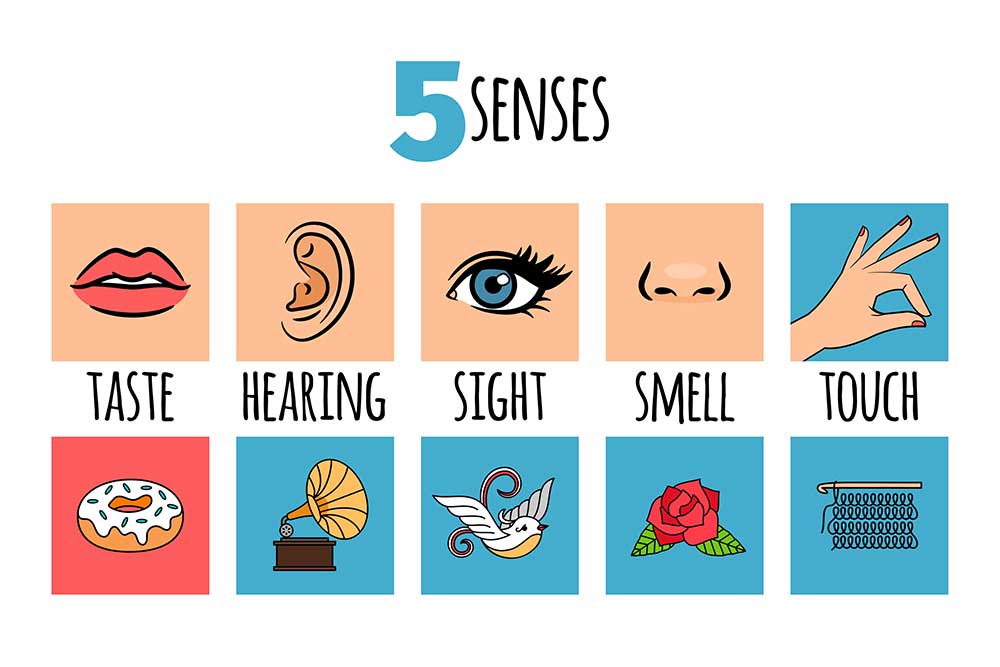
The Architecture of Sensory Branding
To understand the power of sensory branding, one must first recognize that a brand is not what a company says it is; it is the gut feeling a consumer has about a product or service. Sensory branding aims to influence that “feeling” by creating a coherent environment where every touchpoint reinforces the brand’s core values.
Shifting from Logos to Experiences
The evolution of branding has moved from the “Information Age,” where features and benefits were touted, to the “Experience Age.” In this new paradigm, the product is often secondary to the feeling it provides. For instance, when a customer enters an Apple Store, the minimalist visual design, the specific tactile feel of the brushed aluminum, and the open spatial layout work in tandem to communicate “innovation” and “ease of use” without a single word being spoken. This shift requires brand strategists to think like architects of human experience rather than just graphic designers.
The Neuroscience of Brand Perception
Human memory is intrinsically linked to sensory input. Research indicates that we remember 1% of what we touch, 2% of what we hear, 5% of what we see, and a staggering 35% of what we smell. By ignoring 80% of the sensory spectrum, brands limit their ability to form long-term memories in the minds of their audience. Sensory branding utilizes “somatic markers”—mental shortcuts that link a specific sensation to a specific emotion—allowing brands to trigger positive associations instantly.
Sight and Sound: The Traditional Pillars
While sensory branding emphasizes the “other” three senses, sight and sound remain the most accessible and widely used tools in a brand’s arsenal. However, the strategic application of these senses has become far more nuanced than simply picking a bright color or a loud song.
Color Theory and Visual Identity
Visuals are processed 60,000 times faster than text, making sight the primary gateway for brand recognition. Strategic visual branding goes beyond aesthetics; it utilizes color psychology to evoke specific subconscious responses. For example, luxury brands often use black and gold to signify exclusivity and sophistication, while health-conscious brands lean toward greens and earth tones to signal organic origins. The consistency of these visuals across digital and physical platforms creates a “visual shorthand” that allows consumers to identify a brand in milliseconds.
Audio Branding and the Power of Mnemonics
Sound is the most effective sense for grabbing attention and influencing mood. Beyond advertisements, audio branding (or “sonic branding”) includes the sounds a product makes, the background music in a retail space, and the “audio logo” or mnemonic. Think of the Intel “bong,” the Netflix “ta-dum,” or the specific mechanical click of a high-end car door. These sounds provide reassurance of quality and create a rhythmic connection with the user. In the age of smart speakers and voice-activated commerce, a brand’s “voice” and its sonic signature are becoming as important as its logo.
Touch and Smell: The New Frontiers of Customer Connection
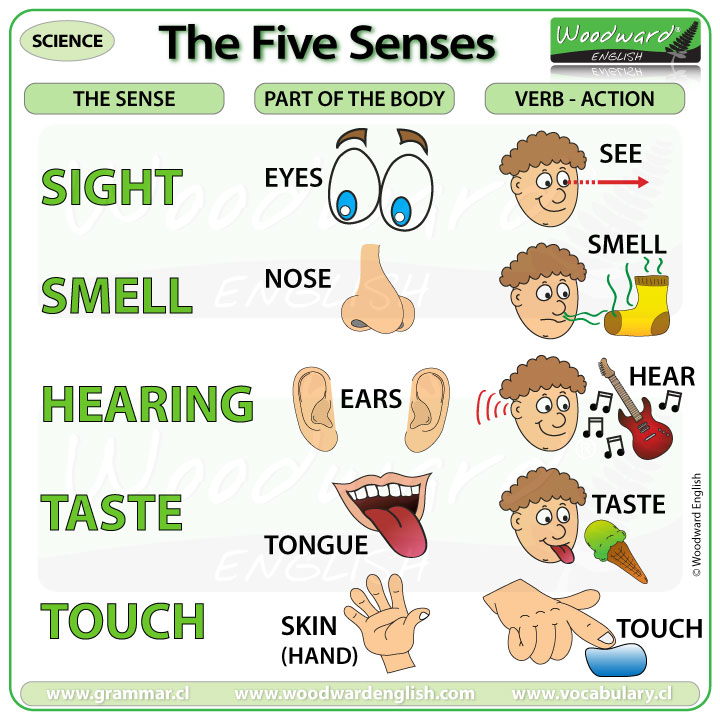
Touch and smell are the most intimate of the senses. They require physical proximity and have a profound impact on the perception of quality and emotional comfort. Brands that master these elements often command higher price premiums and greater customer loyalty.
Haptic Engagement and Physical Product Design
Haptic branding—the sense of touch—revolves around the weight, texture, and temperature of a product or its packaging. In the world of high-end electronics, the weight of a smartphone is often equated with its durability and technological sophistication. In the automotive industry, the texture of the steering wheel leather can determine a driver’s perception of luxury more than the engine’s horsepower. Furthermore, the “unboxing experience” has become a vital brand touchpoint; the resistance of a box lid and the texture of the protective paper are carefully engineered to build anticipation and signify value.
Olfactory Marketing: Creating Emotional Anchors
The sense of smell is the only sense directly connected to the amygdala and hippocampus, the brain’s centers for emotion and memory. This is why a specific scent can instantly transport a person back to a childhood memory. Brands are now utilizing “signature scents” to anchor their identity in the consumer’s mind. Luxury hotels like the Westin or Ritz-Carlton use proprietary scents in their lobbies to ensure that wherever a guest travels in the world, the smell of the hotel immediately triggers a sense of belonging and relaxation. Similarly, retailers use ambient scents to increase “dwell time”—the amount of time a customer spends in a store—which directly correlates with higher sales.
Taste: The Ultimate Brand Immersion
Taste is perhaps the most difficult sense to implement, particularly for brands outside the food and beverage industry. However, when executed correctly, it provides the ultimate level of brand immersion, turning a passive consumer into an active participant.
Edible Identity in Non-Food Industries
Non-food brands are increasingly using taste to differentiate their service experience. High-end car dealerships may offer a signature blend of coffee, while boutique hotels provide locally sourced, branded artisanal chocolates during turn-down service. These small “edible identities” reinforce the brand’s commitment to hospitality and attention to detail. The goal is to create a multi-sensory “halo effect” where the positive experience of the taste is transferred to the brand itself.
Integrating Flavor into the Customer Journey
For brands within the lifestyle and hospitality sectors, taste is a primary driver of the brand story. IKEA is a masterclass in this strategy; their Swedish meatballs are not just a snack, but a core part of the “IKEA experience,” making the daunting task of navigating a massive furniture warehouse feel like a family outing. By integrating flavor into the customer journey, brands can transform a routine transaction into a memorable event.
Implementation and the Multi-Sensory Brand Audit
Mastering the five senses requires more than just adding a scent or a sound to a marketing campaign. It requires a strategic, integrated approach to ensure that all sensory inputs are aligned with the brand’s core message.
Creating a Cohesive Sensory Signature
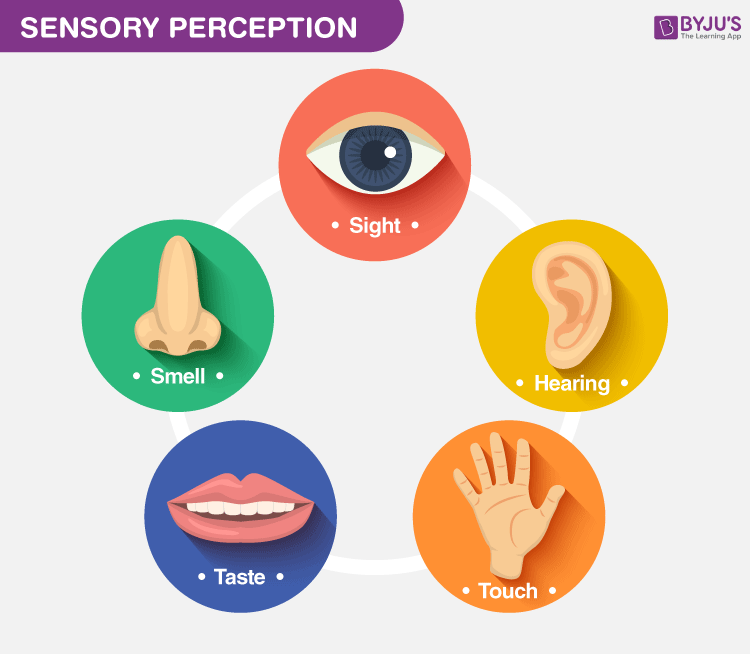
The danger of sensory branding is “sensory discordance”—when different senses send conflicting messages. For instance, if a brand’s visual identity is “modern and minimalist,” but the retail store smells of “heavy vanilla” and plays “upbeat jazz,” the consumer’s brain perceives a disconnect, leading to a sense of unease or distrust. A cohesive sensory signature ensures that the sight, sound, smell, touch, and taste all sing the same song. This alignment builds “brand authenticity,” a crucial factor in winning the trust of modern consumers.
Measuring the ROI of Sensory Experiences
While sensory branding might seem abstract, its impact on the bottom line is measurable. Companies can track metrics such as increased dwell time, higher brand recall scores, and improved customer satisfaction ratings (NPS). Furthermore, sensory branding often leads to “price elasticity,” where consumers are willing to pay more for a product because the sensory experience makes it feel more valuable.
As we look to the future of brand strategy, the winners will not be those who scream the loudest visually, but those who engage the consumer most completely. By understanding and utilizing the five senses, brands can move beyond being a mere choice on a shelf to becoming a permanent fixture in the consumer’s emotional landscape. In a world of fleeting digital impressions, the tactile, the aromatic, and the melodic are what truly endure.
aViewFromTheCave is a participant in the Amazon Services LLC Associates Program, an affiliate advertising program designed to provide a means for sites to earn advertising fees by advertising and linking to Amazon.com. Amazon, the Amazon logo, AmazonSupply, and the AmazonSupply logo are trademarks of Amazon.com, Inc. or its affiliates. As an Amazon Associate we earn affiliate commissions from qualifying purchases.