
The integrity of a drug screening process hinges on several critical factors, with the temperature of the collected urine sample being paramount. Far from being a minor detail, ensuring the urine sample is within a specific temperature range is a fundamental safeguard against tampering and ensures the validity of the test results. This seemingly straightforward requirement is deeply rooted in the technological and procedural aspects of modern drug testing, making it a crucial consideration within the Tech niche. Understanding the “why” behind the temperature requirement sheds light on the sophisticated methods employed to maintain accuracy and reliability in these vital assessments.

The Critical Role of Temperature in Sample Integrity
The primary reason for regulating urine temperature during drug screening is to prevent adulteration or substitution of the sample. Drug tests are designed to detect the presence of specific substances in a person’s system. If a sample is not handled correctly, individuals attempting to circumvent the test might try to substitute their urine with a different liquid or try to dilute their sample. Temperature serves as a quick and effective initial check to identify potential manipulation.
Preventing Sample Substitution
When a urine sample is collected, it’s typically immediately tested for temperature. Fresh human urine, at body temperature, falls within a predictable range. A sample that is too cold or too hot immediately raises a red flag. A sample that is too cold suggests it might be a substitute, perhaps from a previously collected specimen or even a synthetic urine product. Conversely, a sample that is too hot could indicate that the donor has tampered with it, perhaps by adding heating elements or attempting to artificially warm a substituted sample.
Detecting Adulteration Attempts
Beyond outright substitution, individuals might attempt to adulterate their urine sample to mask the presence of drugs. This can involve adding substances like bleach, salt, or other chemicals that could interfere with the drug testing reagents. While temperature doesn’t directly detect these adulterants, the act of trying to manipulate temperature could be a consequence of an attempt to conceal the presence of such substances. Therefore, a temperature outside the acceptable range is a strong indicator that further scrutiny, such as additional testing for adulterants, is necessary.
The Standard Temperature Range and Its Rationale
The universally accepted temperature range for a freshly collected urine sample for drug screening is typically between 90°F and 100°F (32.2°C and 37.8°C). This range is significant because it closely approximates normal human body temperature.
- 90°F (32.2°C): This lower end of the range is still warm enough to be indicative of a recently voided sample. Any urine significantly below this temperature is likely to have been collected some time ago or replaced with a cooler substance.
- 100°F (37.8°C): This upper limit prevents samples from being artificially heated to extreme temperatures, which could suggest tampering. Urine naturally cools down rapidly once outside the body, so a sample that remains significantly above 100°F after collection is highly suspect.
The 5-minute time limit for temperature verification is also crucial. If a sample isn’t tested within five minutes of collection, its temperature can drop below the acceptable range simply due to natural cooling, even if it was a legitimate sample. This highlights the importance of promptness in the collection and testing process, which relies on efficient workflows and appropriately trained personnel – all key components within the technological infrastructure of drug testing.
The Technology Behind Temperature Verification
The seemingly simple act of checking urine temperature involves sophisticated technological advancements designed to ensure accuracy and prevent circumvention. These technologies range from basic, yet reliable, handheld thermometers to more advanced integrated systems.
Thermometer Technology in Drug Testing
The most common method for verifying urine temperature involves the use of specially designed temperature strips or thermometers integrated into the collection cup. These strips work similarly to the thermometers found on forehead thermometers.
- Chemical Indicators: These strips contain a series of chemical indicators that change color at specific temperature thresholds. Technicians compare the color on the strip to a reference chart to determine if the urine falls within the acceptable range. This is a low-tech but highly effective method that is cost-efficient and widely adopted.
- Digital Thermometers: More advanced collection cups may incorporate small, disposable digital thermometers. These provide a precise numerical reading of the sample’s temperature, offering a higher degree of accuracy than color-change strips. These digital devices are powered by tiny batteries and are designed for single use, ensuring no cross-contamination.
The reliability of these devices is critical. They are typically calibrated to meet stringent industry standards and are designed to be resistant to interference from common adulterants. The development of these reliable and cost-effective temperature monitoring tools is a testament to the technological innovation within the drug testing industry, enabling rapid and accurate assessments in various settings.
The Collection Cup as a Technological Unit
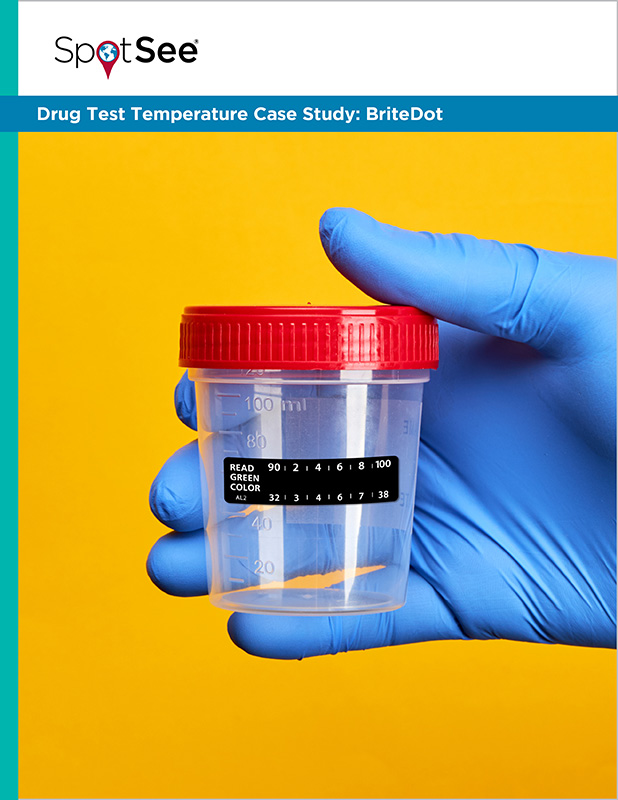
Modern drug testing collection cups are not just passive containers; they are increasingly designed as integrated technological units that facilitate accurate testing.
- Integrated Temperature Strips: Many cups come with pre-attached temperature strips, streamlining the collection process and ensuring that temperature is checked immediately upon collection. This integration minimizes the risk of human error and ensures compliance with testing protocols.
- Tamper-Evident Seals: Alongside temperature verification, collection cups often feature tamper-evident seals. These seals are designed to break or show clear signs of tampering if the cup is opened after being sealed. This adds another layer of security, ensuring that the sample has not been accessed or altered after collection.
- Sample Integrity Features: Some advanced cups are even incorporating features that detect common adulterants, such as pH indicators or specific chemical sensors. While temperature is the first line of defense, these additional technological integrations provide a more robust system for ensuring sample integrity. The design and functionality of these collection cups represent a significant area of innovation in the field of diagnostic and testing technology.
Procedural Protocols and Technological Safeguards
Beyond the physical technology used, the procedural protocols surrounding urine collection are deeply intertwined with technological advancements to ensure a fair and accurate drug screening. These protocols are designed to minimize opportunities for tampering and maximize the reliability of the results.
The Chain of Custody: A Technological Framework
The chain of custody is a critical procedural element that relies heavily on technological documentation and tracking. It is a documented record of the chronological history of the sample, from the moment it is collected to its final analysis.
- Documentation and Labeling: Each step in the chain of custody is meticulously documented. This includes the donor’s identification, the date and time of collection, the temperature reading, and the signature of the collection personnel and the donor. Modern labs utilize sophisticated Laboratory Information Management Systems (LIMS) to digitally record and track this information, minimizing the risk of lost or altered paperwork.
- Specimen Identification: Each sample is assigned a unique identification number. This number is crucial for tracking the sample throughout the testing process and ensuring that the correct sample is associated with the correct individual. Barcode technology is widely used for this purpose, allowing for quick and accurate scanning at various stages of processing.
- Secure Transport: The process of transporting the urine sample from the collection site to the laboratory is also critical. Samples are typically sealed in tamper-evident bags and transported in secure containers. Some labs use GPS tracking on transport vehicles to monitor the location and integrity of shipments, adding another technological layer to the chain of custody.
On-Site Screening vs. Laboratory Analysis: Technological Differences
The technology employed can differ significantly depending on whether the drug screening is conducted on-site or sent to a laboratory for analysis.
- On-Site Screening Devices (e.g., Point-of-Care Testing – POCT): These devices, often integrated into the collection cup itself or as separate handheld units, provide rapid results, typically within minutes. They incorporate the temperature verification strip and immunoassay technology to detect the presence of drug metabolites. While convenient for immediate decision-making, they are generally considered screening tests. Positive results from on-site tests typically require confirmation by a certified laboratory. The underlying technology relies on lateral flow immunoassay principles, which are robust and widely used in medical diagnostics.
- Laboratory Analysis (e.g., Gas Chromatography-Mass Spectrometry – GC-MS): For definitive confirmation and to identify specific drugs and their concentrations, samples are sent to accredited laboratories. These labs use highly sophisticated analytical instruments like GC-MS. While the initial collection and temperature verification are crucial for all tests, the subsequent analysis involves complex chemical separation and identification techniques. GC-MS is considered the gold standard for drug testing due to its high specificity and sensitivity. The technology here is far more complex, involving advanced chemistry and physics to identify and quantify substances at very low levels. The accuracy of these sophisticated machines is a cornerstone of reliable drug testing, and their outputs are ultimately linked back to the initial integrity of the sample, including its temperature.
The Importance of Trained Personnel and Technological Integration
While technology provides the tools for accurate drug screening, the human element – trained personnel – remains indispensable. The effective integration of technology with human expertise ensures that the process is conducted efficiently, ethically, and reliably.
The Role of Certified Collectors
Certified drug collection personnel are trained in the precise protocols required for specimen collection, including the accurate measurement and recording of urine temperature. Their training encompasses:
- Understanding Testing Procedures: They are educated on the specific requirements of different types of drug tests and the importance of adhering to standardized procedures.
- Recognizing Irregularities: Trained collectors are adept at identifying potential signs of tampering, including unusual urine color, odor, or temperature. Their vigilance is a crucial first line of defense.
- Proper Documentation: They are skilled in accurately completing all necessary paperwork and electronic records, ensuring that the chain of custody is maintained without gaps. This often involves using digital forms or LIMS that guide them through the process, further integrating technology into their workflow.
The expertise of these individuals ensures that the technological safeguards are not merely theoretical but are practically applied in real-world scenarios. Their ability to interpret the readings from temperature strips or digital thermometers and act accordingly is a vital human component in the technological system.

Ensuring Accuracy Through Technology and Training Synergy
The ultimate goal of drug screening is to obtain accurate and reliable results. This is achieved through a synergistic relationship between advanced technology and well-trained personnel.
- Calibration and Maintenance of Equipment: The technology used, from temperature strips to complex laboratory instruments, requires regular calibration and maintenance to ensure accuracy. This responsibility often falls on specialized technicians who understand the intricate workings of these devices.
- Data Management and Analysis: Sophisticated software systems are used to manage the vast amounts of data generated during drug screening. These systems help track samples, record test results, and generate reports. They are designed to detect anomalies and ensure the integrity of the data, often flagging samples that may require further review based on initial parameters like temperature.
- Continuous Improvement: The field of drug testing technology is constantly evolving. Research and development teams are working on more sensitive detection methods, more robust tamper-detection mechanisms, and more user-friendly interfaces for both collectors and laboratory analysts. This continuous improvement cycle ensures that drug screening remains a reliable tool in various applications, from workplace safety to legal proceedings.
In conclusion, the question of “what temperature should urine be for a drug screen” transcends a simple factual inquiry. It delves into the technological sophistication and procedural rigor that underpin the integrity of drug testing. The precise temperature range serves as a vital technological safeguard, preventing manipulation and ensuring that the collected specimen is a true reflection of the individual’s physiological state. The integration of reliable temperature-monitoring technology within collection devices, coupled with stringent procedural protocols and the expertise of trained personnel, forms a robust framework that upholds the accuracy and validity of drug screening in its diverse applications.
aViewFromTheCave is a participant in the Amazon Services LLC Associates Program, an affiliate advertising program designed to provide a means for sites to earn advertising fees by advertising and linking to Amazon.com. Amazon, the Amazon logo, AmazonSupply, and the AmazonSupply logo are trademarks of Amazon.com, Inc. or its affiliates. As an Amazon Associate we earn affiliate commissions from qualifying purchases.