
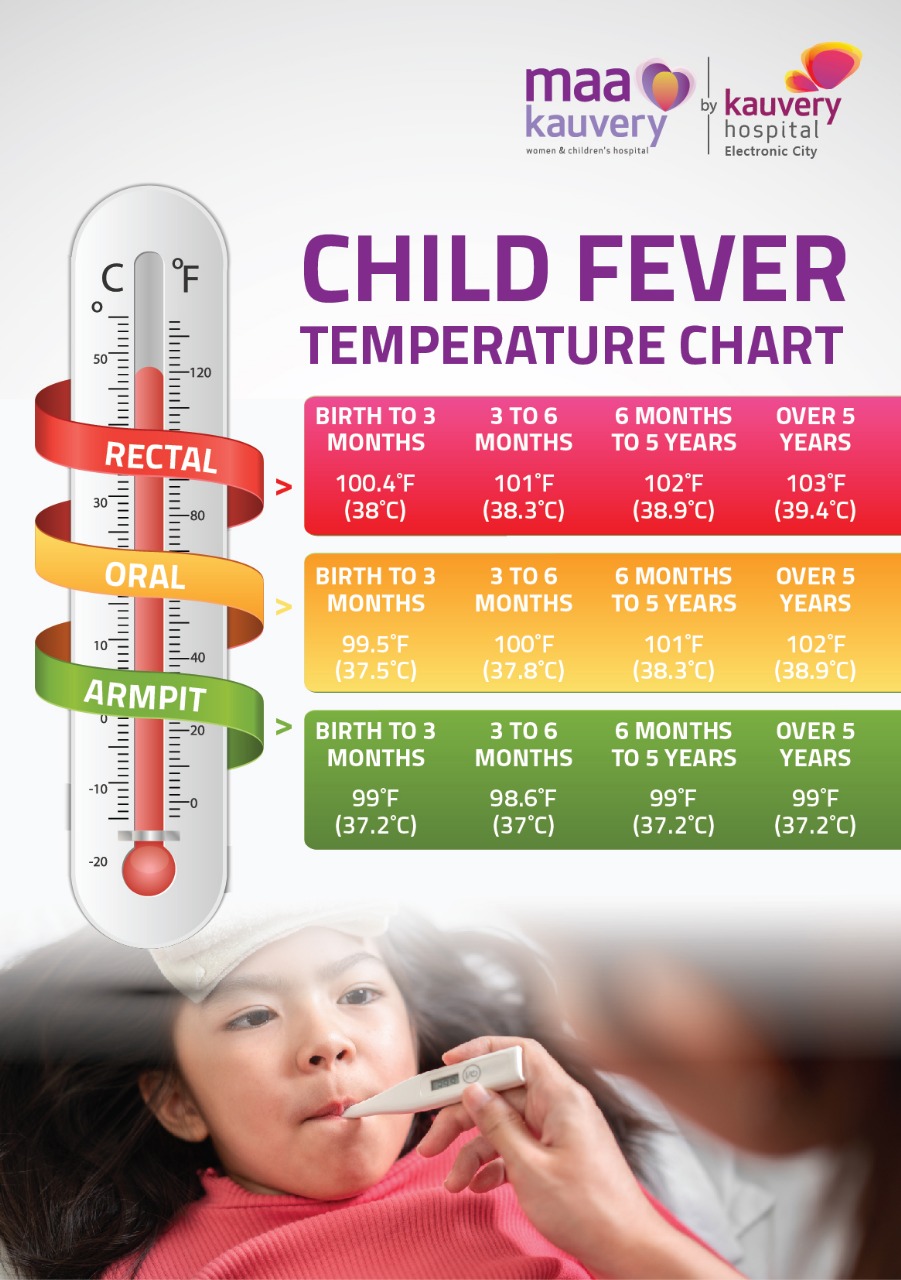
In the realm of pediatric care, the question “what temperature is a fever in infants?” has traditionally been answered with a static number: 100.4°F (38°C). However, in the modern era, this diagnostic threshold is no longer just a figure on a glass tube; it is a data point in a sophisticated ecosystem of health technology. As we move further into the decade, the intersection of hardware, software, and artificial intelligence is transforming how parents and healthcare providers identify, track, and respond to neonatal hyperthermia.
The shift from reactive parenting to proactive, data-driven wellness has birthed a multi-billion dollar “Smart Nursery” industry. By integrating high-precision sensors with cloud-based analytics, technology is providing a level of nuance to infant health monitoring that was previously reserved for the Neonatal Intensive Care Unit (NICU).
The Evolution of Thermometry: From Mercury to AI-Driven Sensors
The history of measuring a fever is a narrative of increasing precision and decreasing invasiveness. For decades, the gold standard for infant temperature was the rectal mercury thermometer—a tool that, while accurate, was cumbersome and stressful for both parent and child. Today, technology has marginalized these analog methods in favor of sophisticated digital interfaces.
The Shift to Non-Invasive Infrared Technology
Modern non-contact infrared thermometers (NCITs) represent a significant leap in medical gadgets. These devices utilize infrared sensors to measure the thermal radiation emitted by the temporal artery or the tympanic membrane. The technological challenge here lies in the “offset” algorithm. Because skin temperature is typically lower than core body temperature, the software within these devices must perform instantaneous calculations to provide a compensated reading that reflects the infant’s true internal state. This marriage of optics and mathematics allows for a reading in less than two seconds, minimizing the physical disruption to a sick infant.
Wearable Continuous Monitoring Systems
Perhaps the most significant tech trend in childcare is the rise of the “smart patch” or wearable thermometer. Unlike traditional spot-checking, these devices—often utilizing flexible PCBs (Printed Circuit Boards) and medical-grade adhesives—adhere to the infant’s skin. They provide a continuous stream of data via Bluetooth Low Energy (BLE) to a smartphone application. This technology eliminates the “gap” in data that occurs overnight, allowing the software to alert parents the moment a temperature crosses the 100.4°F threshold, rather than waiting for the next manual check.
Integrating IoT and Data Analytics in Pediatric Healthcare
The “Internet of Things” (IoT) has found a critical application in the nursery. When a thermometer is no longer a standalone tool but a node in a network, the utility of the information it gathers increases exponentially.
Cloud-Synced Health Records for Real-Time Consults
The modern health-tech ecosystem allows for the seamless synchronization of fever data with Electronic Health Records (EHR). When an infant’s temperature spikes, the data can be instantly uploaded to a secure cloud server accessible by the pediatrician. This removes the “human error” factor of parents trying to remember exactly when a fever started or how high it peaked during a 3:00 AM crisis. This digital paper trail provides clinicians with a longitudinal view of the illness, enabling better-informed diagnostic decisions.
Predictive Algorithms: Identifying Fever Patterns
We are entering an era where AI doesn’t just record a fever but predicts it. By analyzing baseline circadian rhythms—an infant’s natural temperature fluctuations throughout the day—machine learning models can identify “anomalous warming.” If a baby’s temperature begins to rise at a rate that deviates from their historical norm, the app can issue a preemptive alert. This use of “Big Data” at a “Small Scale” (individualized health patterns) represents the frontier of personalized pediatric medicine.

Digital Security and Privacy in Infant Health Data
As with any technology that handles sensitive biological information, the digitization of infant fever monitoring brings significant security challenges. When a parent asks a smart device, “What temperature is a fever in infants?” and then logs that data, they are creating a digital footprint for a minor who cannot consent to data collection.
Encryption Standards for Smart Nursery Devices
The tech industry is currently grappling with the “security by design” philosophy for IoT devices. Because many early smart thermometers were rushed to market, they often lacked robust encryption. Today, leading gadgets utilize AES-256 encryption for data at rest and TLS (Transport Layer Security) for data in transit. This ensures that a baby’s health vitals—information that is highly sensitive—cannot be intercepted by unauthorized parties on a home network.
The Ethics of Bio-Data Collection
Beyond hacking, there is the corporate side of data. Digital security experts and bioethicists are increasingly concerned with how companies use the health data gathered from these devices. Does a history of high fevers in infancy, logged in a proprietary app, become a data point for future insurance premiums? As tech-forward parents adopt these tools, the industry is seeing a push for “Data Sovereignty,” where the parents maintain absolute ownership and can trigger the “right to be forgotten” or data deletion from company servers at any time.
The Future of Smart Parenting: AI Assistants and Diagnostic Tools
The final frontier of this technology is the transition from a measurement tool to a comprehensive diagnostic assistant. The goal of the tech industry is to bridge the gap between a raw number and actionable medical insight.
Machine Learning in Symptom Tracking Apps
Modern apps are no longer simple logs. They are sophisticated databases that correlate temperature with other vitals such as heart rate, blood oxygen levels (via pulse oximetry in smart socks), and even sleep patterns. By using machine learning, these apps can provide a “wellness score.” For example, a temperature of 101°F in a baby who is otherwise sleeping well and has a normal heart rate might be flagged differently by the software than the same temperature in a baby with an elevated heart rate and poor oxygen saturation.
The Rise of Telemedicine-Integrated Smart Gadgets
The culmination of this tech trend is the “Virtual Exam Room.” Several startups are now developing “connected otoscopes” and “digital stethoscopes” that pair with the smart thermometer. When a fever is detected, the parent can perform a guided physical exam at home, sending high-definition video of the ear canal and high-fidelity lung sounds to a remote doctor. In this context, the thermometer is the “trigger” for a fully digital healthcare intervention, reducing the need for emergency room visits and minimizing exposure to other pathogens in a clinical setting.

Conclusion: The New Standard of Care
The question “what temperature is a fever in infants?” remains medically consistent, but the technological infrastructure surrounding that question has changed forever. We are moving away from a world of isolated incidents and toward a world of continuous, intelligent monitoring.
For the tech-savvy parent, the thermometer is no longer just a plastic stick in a drawer; it is a sophisticated sensor connected to a global network of data, security protocols, and artificial intelligence. While the biological reality of a fever is an age-old human experience, our digital response to it is a testament to the power of modern innovation. As software continues to eat the world, it is simultaneously learning how to protect our most vulnerable, one degree at a time.
aViewFromTheCave is a participant in the Amazon Services LLC Associates Program, an affiliate advertising program designed to provide a means for sites to earn advertising fees by advertising and linking to Amazon.com. Amazon, the Amazon logo, AmazonSupply, and the AmazonSupply logo are trademarks of Amazon.com, Inc. or its affiliates. As an Amazon Associate we earn affiliate commissions from qualifying purchases.