
In the landscape of modern kitchen architecture, the “broil” setting is often viewed through a culinary lens. However, when we ask, “What temperature is broil on high?” we are not merely asking about a cooking preference; we are inquiring about a specific threshold of hardware engineering and software calibration. In the world of consumer technology and smart home ecosystems, the “High Broil” setting represents one of the most demanding stress tests for household appliances.
Generally, in most North American and European appliance standards, “Broil on High” translates to a temperature range between 500°F and 550°F (260°C to 287°C). Unlike the bake setting, which relies on convection or ambient air displacement, the high broil setting is a masterclass in infrared radiation and precision thermal management. This article explores the technological infrastructure that enables these temperatures, the sensors that regulate them, and the digital evolution of the modern heating element.
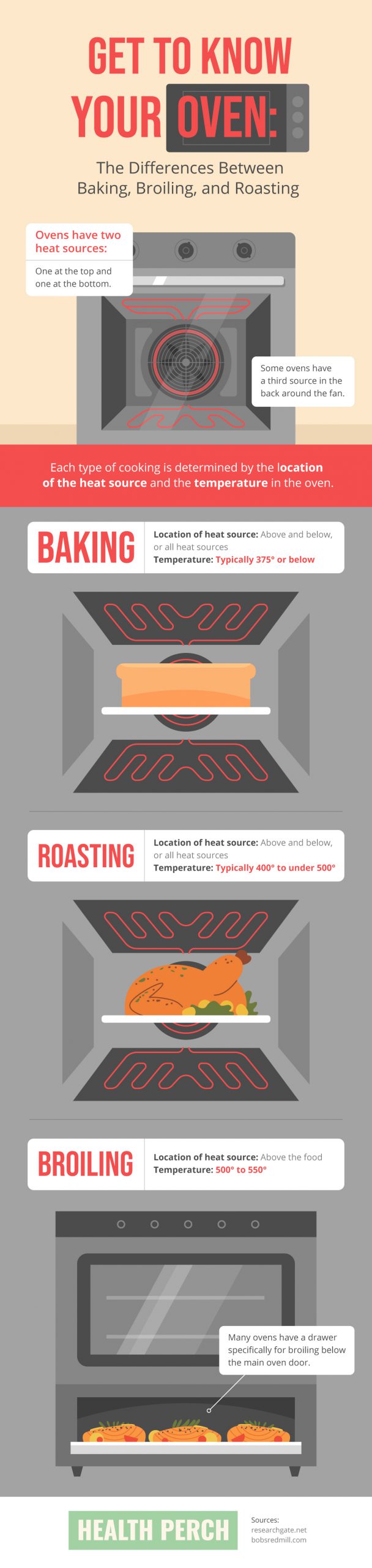
The Engineering of Intense Heat: How Smart Ovens Define ‘High’
To understand the temperature of a high broil, one must understand the shift from mechanical thermostats to digital thermal regulation. In legacy ovens, “High” was often a binary state—the heating element stayed on until a primitive bi-metal strip expanded enough to break the circuit. In the contemporary tech-forward kitchen, “High Broil” is a software-defined parameter.
Infrared vs. Traditional Thermal Elements
The high broil setting is the closest a domestic appliance comes to mimicking industrial forge technology. While baking uses thermal conduction and convection, broiling utilizes electromagnetic radiation. Modern high-end ovens use specialized ribbon elements or ceramic-encased infrared burners. These components are engineered to reach peak wattage rapidly, converting electrical energy into radiant heat that mimics the sun’s rays. When a smart oven is set to “High,” the firmware instructs the relay to provide a 100% duty cycle to the upper element, ensuring that the radiant intensity remains constant rather than cycling on and off.
Sensor Fusion and Thermal Regulation
Achieving and maintaining 550°F requires a sophisticated feedback loop. Modern ovens utilize Platinum Resistance Thermometers (RTDs) or NTC (Negative Temperature Coefficient) thermistors. These sensors are the “eyes” of the oven’s processor. At high broil temperatures, the resistance of the sensor changes, sending a micro-voltage signal to the control board. If the internal temperature exceeds the safety threshold of the oven’s structural integrity (often around 575°F for consumer models), the software interrupts the power. This level of precision ensures that “High” is not just “hot,” but a controlled, data-driven environment.
The IoT Revolution in the Kitchen: Managing Extreme Temperatures Remotely
The integration of the Internet of Things (IoT) has transformed the high broil setting from a manual task into a monitored data stream. When an oven reaches its 550°F peak, the stakes for safety and precision are elevated, necessitating a robust digital infrastructure.
Real-time Data Analytics in Modern Ranges
Smart ovens from manufacturers like Bosch, Samsung, and June utilize Wi-Fi connectivity to provide users with real-time thermal telemetry. When you set your oven to “Broil High” via a smartphone app, you aren’t just flipping a switch; you are initiating a pre-programmed sequence. The app monitors the rate of temperature rise (the “ramp rate”). If the software detects an anomaly—such as the temperature rising too slowly or spiking too fast—it can trigger an alert or an emergency shut-off. This predictive analytics capability is a significant leap forward from the “set it and forget it” era of cooking.
Safety Protocols and Automated Shut-off Tech
High-temperature broiling carries the inherent risk of flashpoints and grease fires. To mitigate this, tech-integrated ovens employ “Watchdog Timers” within their microcontrollers. Because “Broil High” is intended for short bursts of intense heat, the firmware is often programmed to auto-limit the duration of the cycle. If the sensor detects that the door is open (to vent moisture, as many recipes suggest), the smart system must balance the power output to maintain the 550°F target while preventing the external control panels and sensitive internal circuitry from overheating.
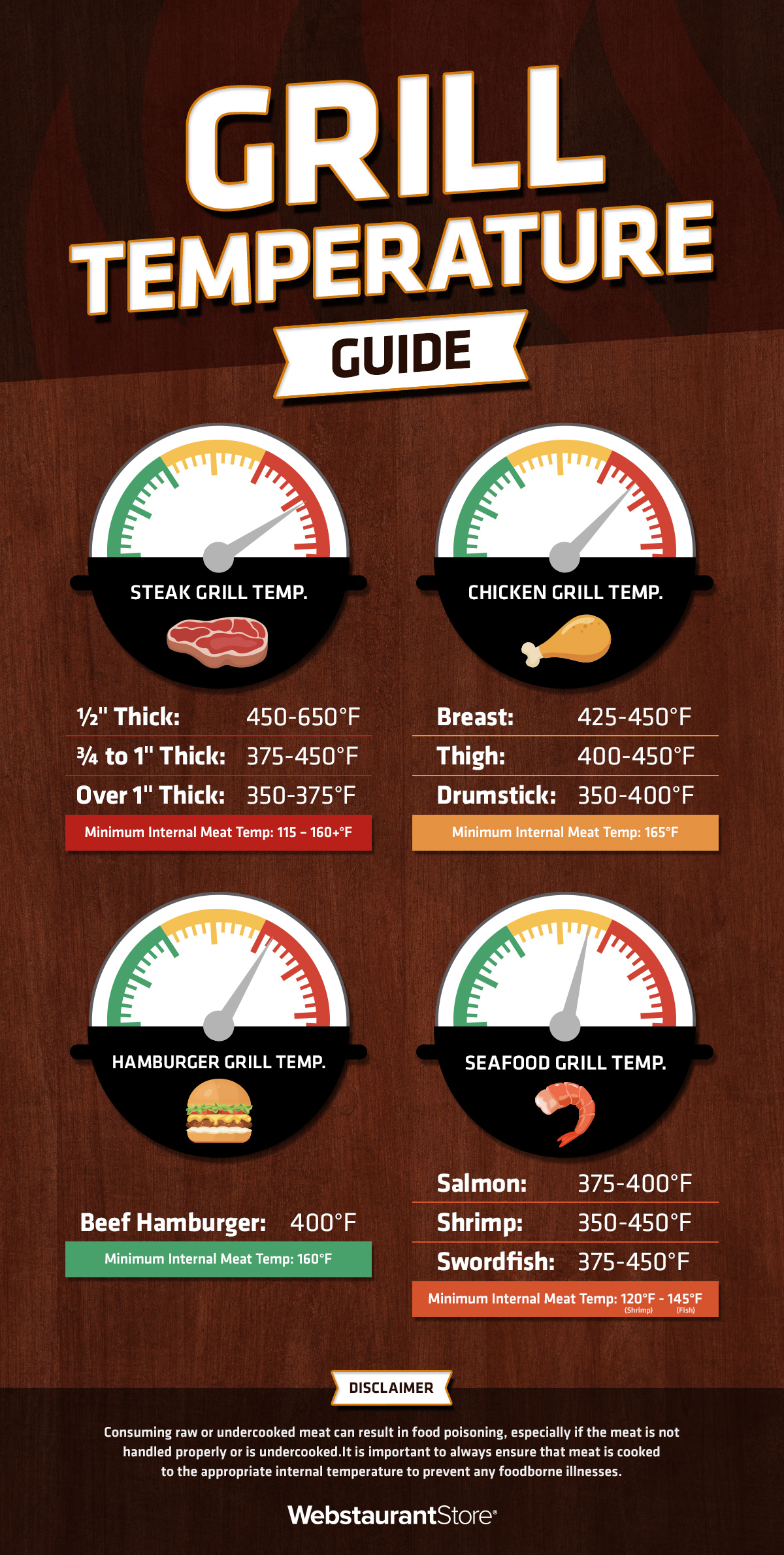
Material Science: The Hardware That Survives the Broiler
Operating an appliance at 550°F creates a hostile environment for the very technology meant to control it. The “High Broil” setting is only possible because of advancements in material science and thermal shielding.
High-Temperature Resistant Alloys and Glass
The heating elements themselves are typically made of Nichrome (an alloy of nickel and chromium), which can withstand massive oxidation at high temperatures. Surrounding these elements is a chassis often coated in “cobalt-blue” porcelain enamel, a material chosen for its high thermal emissivity and ability to reflect infrared waves back toward the center of the oven cavity. Furthermore, the viewing glass is not standard glass but a multi-pane system of borosilicate or ceramic-coated glass designed to reflect heat inward while remaining cool enough on the outside to prevent contact burns.
Insulation Tech: Protecting the Digital Brain of the Oven
One of the greatest challenges in oven design is protecting the Logic Board. Most modern ovens house a sophisticated computer behind the front touch panel. While the interior reaches 550°F, the processor must stay below 150°F to function reliably. This is achieved through “Active Cooling” and advanced insulation. High-speed tangential fans are triggered the moment the “High Broil” setting is engaged, creating a “cool air curtain” between the oven cavity and the electronic components. This thermal management system is what allows high-tech features like touchscreens and Wi-Fi modules to exist inches away from a 500-plus degree heat source.
Future Trends: AI-Powered Precision and the End of the ‘High’ Guesswork
As we look toward the next generation of kitchen technology, the generic “High” setting is being replaced by AI-driven precision. The question will no longer be “What temperature is broil on high?” but rather “What is the optimal radiant intensity for this specific item?”
Predictive Cooking Algorithms
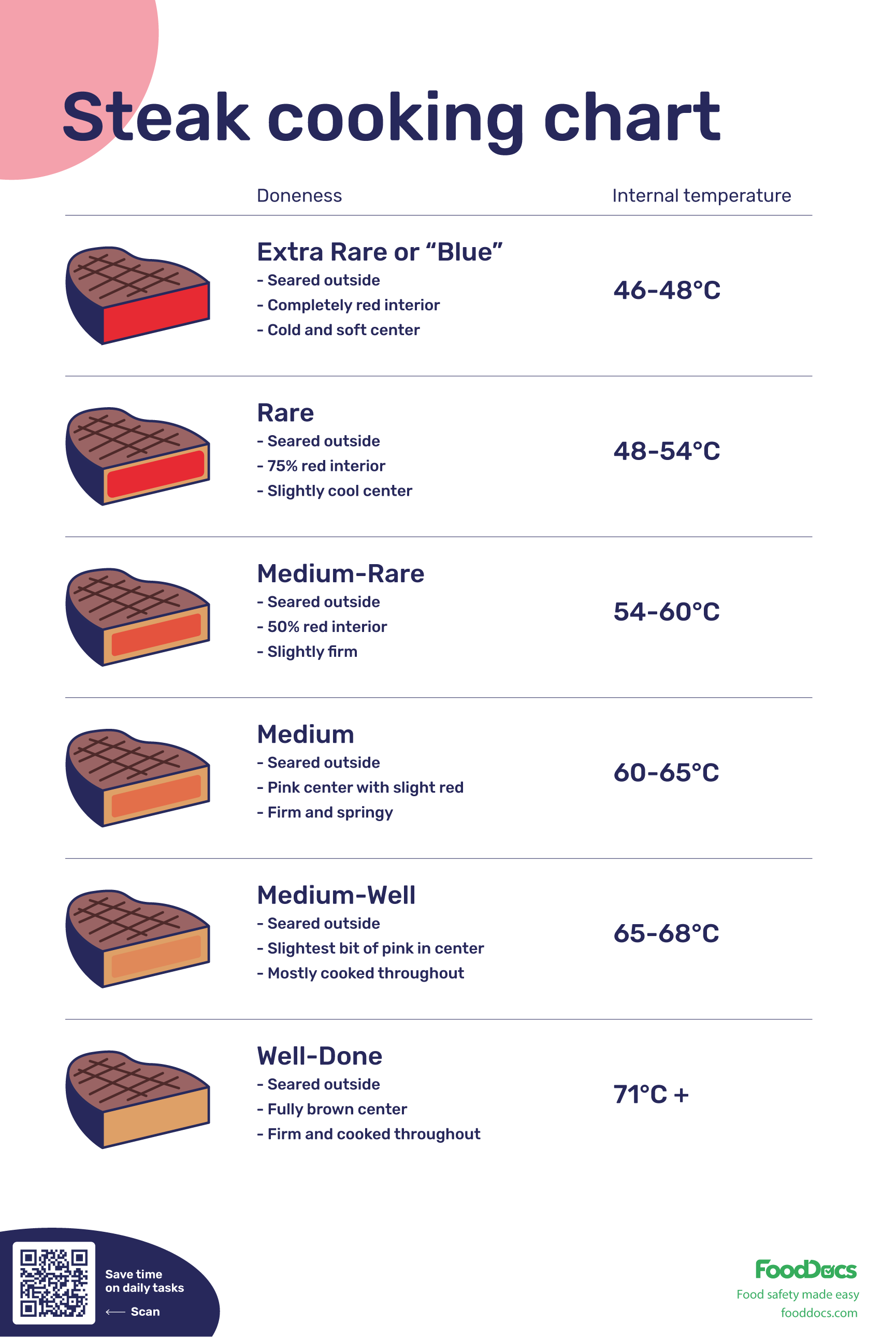
Artificial Intelligence is now being used to analyze the “thermal footprint” of food. Companies are developing ovens equipped with internal HD cameras and machine learning algorithms. When a steak is placed under the broiler, the AI identifies the cut and the distance from the element. Instead of a flat 550°F “High” setting, the oven modulates the intensity of the infrared waves based on the protein’s moisture content and surface area. This represents a shift from “High/Low” binary choices to a spectrum of intelligent heat application.
The Transition to Solid-State Heating
The future of high-temperature cooking lies in solid-state technology. Similar to how LED replaced the incandescent bulb, solid-state RF (Radio Frequency) heating is beginning to emerge in high-end appliances. This technology allows for “volumetric heating,” where the oven can target specific zones with high-intensity heat without heating the entire cavity to 550°F. This is not only more energy-efficient but offers a level of control that traditional resistive heating elements cannot match.
Conclusion: The Digital Mastery of the Broil
The “High Broil” setting is a testament to how far kitchen technology has come. What appears to be a simple heating function is actually a complex orchestration of material science, sensor accuracy, and software logic. By maintaining a consistent 500°F to 550°F, modern ovens provide a bridge between professional-grade industrial performance and domestic convenience.
As we move further into the era of the smart home, the “High” setting will continue to evolve. It will become safer, more efficient, and increasingly automated. However, at its core, the technology remains focused on a singular goal: the controlled mastery of extreme heat. Whether through the use of IoT monitoring, AI-driven adjustments, or advanced alloy engineering, the science behind that 550°F glow is a vital component of the modern technological landscape.
aViewFromTheCave is a participant in the Amazon Services LLC Associates Program, an affiliate advertising program designed to provide a means for sites to earn advertising fees by advertising and linking to Amazon.com. Amazon, the Amazon logo, AmazonSupply, and the AmazonSupply logo are trademarks of Amazon.com, Inc. or its affiliates. As an Amazon Associate we earn affiliate commissions from qualifying purchases.