
The simple question, “What temperature does wine freeze at?” opens a fascinating portal into the intricate science behind wine preservation. While often overlooked, understanding the freezing point of wine is not merely an academic pursuit for oenophiles; it has direct implications for how we store, transport, and even enjoy this beloved beverage. Beyond the cellar, this knowledge intersects with technological advancements in temperature-controlled storage, logistics, and even the development of innovative wine preservation devices. This article will explore the science behind wine’s freezing point, the factors influencing it, and how this understanding is leveraged by technology to safeguard the quality and longevity of our wine collections.
The Science Behind Wine’s Freezing Point: Beyond Pure Water
At its core, wine is primarily water. Pure water freezes at 0° Celsius (32° Fahrenheit). However, wine is a complex concoction, and its freezing point is significantly altered by the presence of other dissolved substances. This is a fundamental principle in physical chemistry, often explained by the concept of freezing point depression.
Alcohol’s Crucial Role in Lowering the Freezing Point
The most significant factor influencing wine’s freezing point is its alcohol content. Ethanol, the type of alcohol found in wine, has a lower freezing point than water. When alcohol dissolves in water, it disrupts the formation of the ordered crystalline structure of ice, requiring a lower temperature for freezing to occur. This is why alcoholic beverages generally freeze at temperatures below 0°C.
- Variations in Alcohol Content: The percentage of alcohol by volume (ABV) in wine can vary considerably. Table wines typically range from 11% to 15% ABV. Fortified wines, like Port or Sherry, can have significantly higher alcohol content, often exceeding 18% or even 20% ABV. Consequently, wines with higher alcohol content will have a lower freezing point. For example, a 12% ABV wine might freeze around -5°C (23°F), while a 20% ABV fortified wine could remain liquid down to -10°C (14°F).
- The Solute Effect: Beyond alcohol, wine contains a variety of other dissolved solids, including sugars, acids, tannins, and esters. These compounds also contribute to freezing point depression. While their individual impact is less pronounced than alcohol’s, their cumulative effect further lowers the freezing point of wine compared to a simple alcohol-water mixture. The more dissolved solids present, the lower the freezing point will be.
The Impact of Sugar and Acidity
Sugars, naturally present from the fermentation process and sometimes added as a sweetening agent, act as solutes and contribute to freezing point depression. Sweet wines, therefore, will generally have a slightly lower freezing point than dry wines of similar alcohol content.
Acidity, primarily from tartaric and malic acids, also plays a role. Acids, like other dissolved solids, contribute to lowering the freezing point. This is why some highly acidic wines might exhibit slightly different freezing characteristics. However, the dominant factor remains alcohol.
Practical Implications for Wine Storage and Preservation
Understanding wine’s freezing point is paramount for effective storage and preservation, and this is where technology plays an increasingly vital role. Improper storage can lead to irreversible damage, impacting both the flavor and structural integrity of the wine.
The Dangers of Freezing Wine
When wine freezes, several detrimental changes can occur:
- Expansion and Cork Expulsion: Water expands when it freezes. As the water content in wine turns to ice, it exerts pressure on the bottle. This pressure can be significant enough to push the cork out of the bottle, compromising the seal and exposing the wine to oxidation. In extreme cases, the glass bottle itself can crack or even shatter.
- Flavor and Aroma Alteration: Even if the bottle doesn’t burst, the freezing and thawing process can significantly alter the wine’s delicate balance of flavors and aromas. The separation of water and alcohol can lead to a loss of complexity. Ice crystals can also physically damage the wine’s structure, leading to a flat or muted taste profile.
- Sedimentation and Cloudiness: The freezing process can cause less soluble compounds, like tannins and pigments, to precipitate out of the wine. When the wine thaws, these solids may not fully redissolve, leading to cloudiness and an undesirable texture.
Technological Solutions for Temperature-Controlled Wine Storage
The risks associated with freezing have driven innovation in wine storage technology. Climate-controlled wine cellars and modern wine refrigerators are designed to maintain precise temperatures that prevent freezing while also protecting against heat, humidity fluctuations, and UV light.
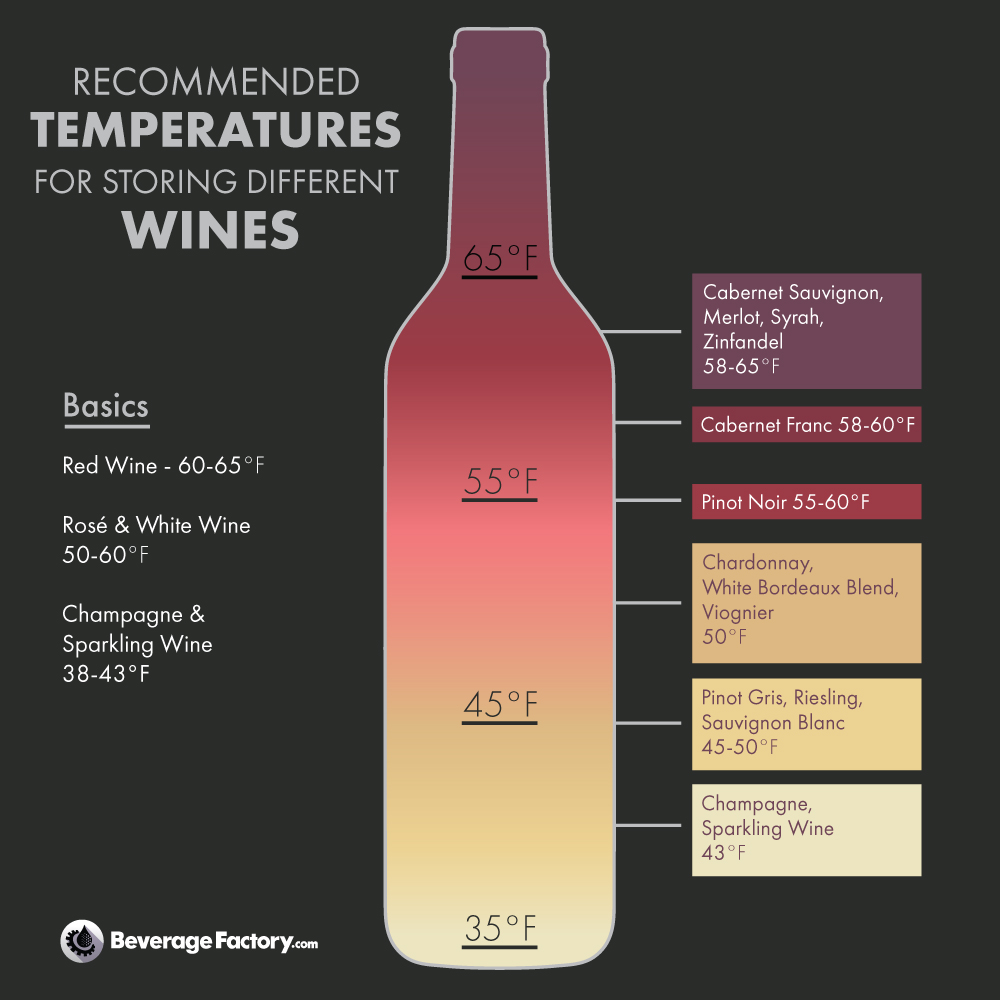
- Precision Cooling Systems: High-end wine coolers utilize advanced thermoelectric or compressor-based cooling systems that can maintain temperatures within a fraction of a degree. These systems are crucial for keeping wine within its optimal storage range, typically between 10°C and 15°C (50°F and 59°F), which is well above its freezing point.
- Humidity Control: Beyond temperature, many modern wine storage solutions also incorporate humidity control. This is important because extreme dryness can cause corks to shrink, compromising the seal, while excessive humidity can lead to mold growth on labels and corks.
- Vibration Dampening: Some advanced wine refrigerators are designed with vibration-dampening technology. Constant vibrations can disturb the sediment in wine and potentially accelerate chemical reactions that degrade its quality.
- Smart Monitoring and Connectivity: The latest wave of wine storage technology integrates smart features. Wi-Fi connectivity allows users to monitor and control their wine cooler remotely via smartphone apps. These apps can provide real-time temperature and humidity readings, send alerts if conditions deviate from the set parameters (e.g., if the temperature drops too close to freezing), and even offer inventory management features. Some systems can even learn your preferences and optimize storage based on the types of wine you have.
Beyond the Cellar: Technology in Wine Transportation and Preservation
The principles of wine’s freezing point extend beyond static storage to the dynamic world of wine transportation and the technological interventions designed to preserve wine in open bottles.
Temperature-Controlled Logistics for Wine
The global wine trade relies heavily on sophisticated logistics to ensure that bottles reach consumers in pristine condition. Temperature-controlled shipping containers and trucks are essential for transporting wine across continents and climates.
- Refrigerated Containers (Reefers): These specialized shipping containers are equipped with active refrigeration units that maintain a consistent internal temperature, regardless of external conditions. They are set to a temperature range that prevents freezing and excessive heat.
- Real-time Tracking and Monitoring: Modern logistics employ GPS tracking and temperature sensors that transmit data in real-time. This allows logistics managers to monitor the journey of wine shipments and intervene if any temperature deviations occur, preventing potential freezing or heat damage.
- Route Optimization: Advanced software uses weather data and historical patterns to optimize shipping routes, minimizing exposure to extreme temperatures during transit.
Innovative Technologies for Open Bottle Preservation
While preventing freezing in unopened bottles is crucial, technology also addresses the challenges of preserving wine once it’s been opened. The goal here is not to prevent freezing, but to minimize oxidation and maintain freshness for subsequent consumption.
- Inert Gas Preservation Systems: Technologies like Coravin or systems that inject argon gas into the bottle create a barrier between the wine and oxygen. While not directly related to freezing, these systems highlight the technological drive to maintain wine’s integrity. By displacing oxygen, they prevent oxidation, the primary enemy of opened wine, and allow for wine to be preserved for extended periods, far beyond traditional methods.
- Vacuum Sealing Devices: While less sophisticated than inert gas systems, vacuum pumps that remove air from an opened bottle can also slow down oxidation. However, these are generally less effective for long-term preservation and do not address the potential for freezing if exposed to sufficiently low temperatures.

Conclusion: A Synergistic Relationship Between Science and Technology
The question of “what temperature does wine freeze at” serves as a gateway to understanding the complex interplay of physics and chemistry that governs wine’s stability. This scientific understanding is not an end in itself but a foundational element that fuels technological innovation. From the precision engineering of climate-controlled wine cabinets to the intelligent logistics of global wine transportation, technology leverages our knowledge of wine’s freezing point to protect this valuable and cherished beverage. As our understanding of wine science deepens, and as technological capabilities advance, we can expect even more sophisticated solutions to emerge, ensuring that every bottle, from vineyard to glass, is enjoyed at its absolute best. This ongoing synergy between scientific inquiry and technological application is vital for the future of wine enjoyment and preservation.
aViewFromTheCave is a participant in the Amazon Services LLC Associates Program, an affiliate advertising program designed to provide a means for sites to earn advertising fees by advertising and linking to Amazon.com. Amazon, the Amazon logo, AmazonSupply, and the AmazonSupply logo are trademarks of Amazon.com, Inc. or its affiliates. As an Amazon Associate we earn affiliate commissions from qualifying purchases.