
For decades, the question “what temperature does pork have to be?” was answered by a simple, static number found in grease-stained cookbooks: 160°F. However, as technology has permeated every corner of our lives, the way we answer this fundamental culinary question has undergone a radical digital transformation. Today, achieving the perfect internal temperature for pork is no longer a matter of guesswork or archaic bimetal coils; it is a high-tech pursuit involving IoT connectivity, predictive algorithms, and precision engineering.
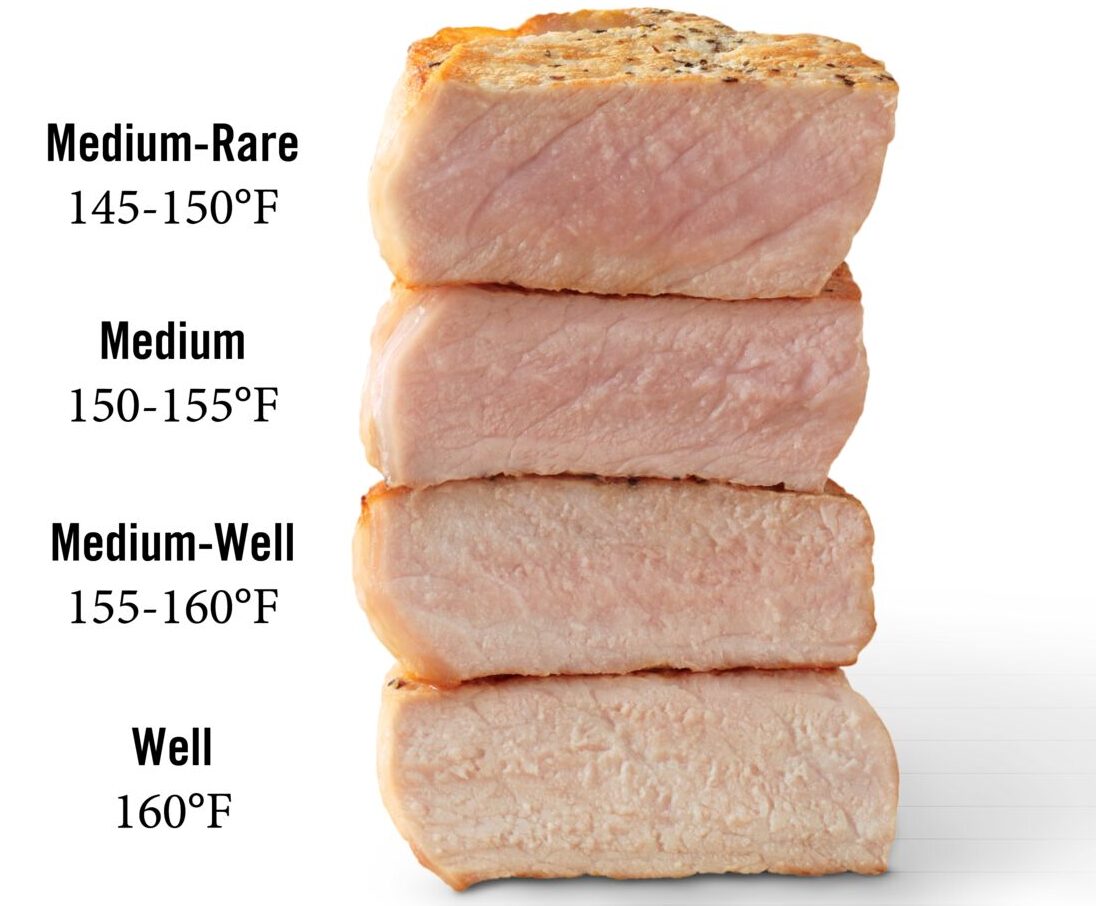
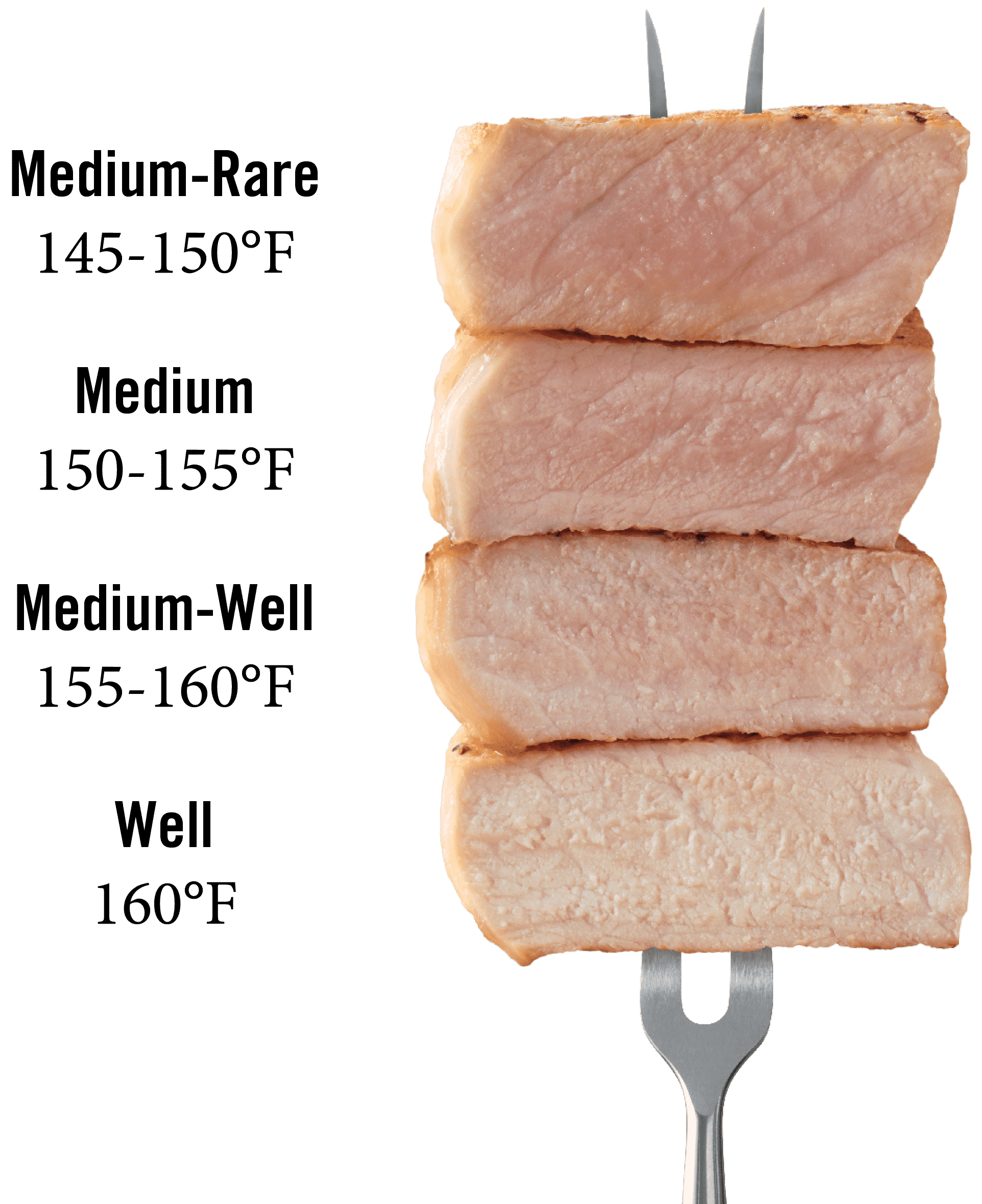
The shift from 160°F to the current USDA-recommended 145°F (with a three-minute rest) was not just a culinary milestone—it was a data-driven victory. This evolution reflects a broader trend in food technology where hardware and software converge to ensure both safety and quality. In the modern smart kitchen, the temperature of a pork tenderloin is monitored by sensors more accurate than those found in many industrial laboratories.
The Evolution of Thermal Sensing: From Analog to Smart Probes
To understand the current state of kitchen tech, we must first look at the hardware that makes precision possible. The transition from analog to digital sensing has redefined our relationship with heat.
The Limitations of Traditional Bi-metal Thermometers
The old-fashioned dial thermometer relied on a bimetallic strip that expanded at different rates to move a needle. While charmingly mechanical, these devices were notoriously slow and prone to losing calibration. In the context of modern food safety, a five-degree margin of error—common in analog devices—can be the difference between a perfectly succulent pork chop and one that is dangerously undercooked or unpleasantly dry.
Digital Thermistors and the Rise of Instant-Read Accuracy
The first major leap in kitchen tech was the integration of Negative Temperature Coefficient (NTC) thermistors. Unlike their analog predecessors, these digital sensors provide near-instantaneous readings by measuring changes in electrical resistance. High-end gadgets now boast “read times” of less than one second with an accuracy of ±0.5°F. This level of precision is critical when cooking pork, as the window between the ideal 145°F and overdone 155°F can close in a matter of moments depending on the heat source.
The Rise of the Smart Kitchen: IoT and Wireless Temperature Monitoring
As we move further into the decade, the “Internet of Things” (IoT) has turned the simple meat thermometer into a sophisticated data hub. The question is no longer just “what temperature is it?” but “where is the data going?”
Bluetooth and Wi-Fi Integration: Remote Monitoring for Perfection
Contemporary probes, such as those developed by companies like Meater or ThermoWorks, utilize Bluetooth LE (Low Energy) and Wi-Fi to transmit real-time thermal data to smartphones and smart home hubs. This allows the cook to monitor a pork shoulder’s progress from blocks away. These devices use internal and ambient sensors to track not just the core temperature of the meat, but also the temperature of the oven or smoker, providing a holistic view of the cooking environment.
Predictive Algorithms: Estimating Resting Times via AI
The most impressive software development in this niche is the use of predictive modeling. When cooking pork to the 145°F standard, “carryover cooking” is a significant factor. Heat continues to transfer from the outer layers to the center even after the meat is removed from the heat. Modern apps now use machine learning to analyze the rate of temperature rise and predict exactly when the user should remove the meat to hit the target temperature after resting. This eliminates the “human error” factor of timing, ensuring that the pork reaches its safety threshold without sacrificing moisture.
Precision Engineering in Modern Cooking: Sous-Vide and the 145°F Threshold
If wireless probes represent the evolution of monitoring, sous-vide technology represents the evolution of application. This technology has brought laboratory-grade precision into the home kitchen, changing how we define “done” for pork.

Controlled Water Circulation: Tech That Redefined Doneness
Sous-vide immersion circulators use PID (Proportional-Integral-Derivative) controllers—the same logic used in industrial automation and drone flight stabilization—to maintain water temperatures within a tenth of a degree. Because the heat is so precisely controlled, tech-savvy cooks can hold a pork loin at exactly 145°F for hours. This ensures that every fiber of the meat reaches the required safety temperature without a single degree of overshoot, a feat nearly impossible with traditional ovens.
Integrating Software with the USDA Standard
Many sous-vide devices now come with integrated “Pasteurization Tables” in their companion apps. This is where tech meets microbiology. While 145°F is the instantaneous “kill” temperature for common pathogens in pork, safety is actually a function of both time and temperature. Sophisticated software allows users to cook pork safely at slightly lower temperatures by holding that temperature for a calculated duration, a process that is logged and verified by the device’s internal firmware.
The Data-Driven Kitchen: How Apps are Revolutionizing Culinary Habits
The hardware is only half the story. The software ecosystems surrounding kitchen gadgets have turned the act of cooking pork into a repeatable, data-driven workflow.
User Experience (UX) in Culinary Apps
The interface of a modern cooking app is designed to guide the user through the “145°F journey.” Through intuitive graphs and push notifications, these apps gamify food safety. They provide visual representations of the “stall”—a thermodynamic phenomenon in slow-cooked pork—helping users understand the physics of their food. This educational aspect of the software ensures that the user isn’t just following instructions but is learning the underlying science.
Cloud-Synced Recipes and Thermal Logging
Professional kitchens and serious hobbyists are now using cloud-based logging to track their cooks. By storing the thermal history of a specific cut of pork, users can analyze why a particular meal was successful. Was the ambient temperature too high? Did the rest period last long enough? By reviewing the data logs, cooks can refine their technique with the same rigor an engineer uses to debug code.
Cybersecurity in the Smart Kitchen: Protecting the Connected Home
As we integrate more technology to answer the question of pork temperature, we introduce new risks. The “Smart Kitchen” is an extension of the broader tech landscape, and it is not immune to the challenges of digital security.
The Vulnerabilities of Connected Appliances
Every connected thermometer and smart oven represents an endpoint on a home network. Historically, IoT devices have been criticized for weak security protocols. A compromised smart thermometer might seem harmless, but in the world of cybersecurity, any unsecured device can serve as an entry point for lateral movement within a network. As we rely more on these gadgets to ensure our food is safe to eat, we must also ensure our data is safe from intrusion.
Best Practices for Securing Your Culinary Tech Stack
For the tech-forward cook, security is as important as accuracy. This involves keeping firmware updated—much like updating an operating system—to patch vulnerabilities. Manufacturers are increasingly prioritizing end-to-end encryption and secure pairing processes. The future of food tech will depend as much on robust cybersecurity as it does on thermal sensitivity.
Conclusion: The Convergence of Flavor and Firmware
The question “what temperature does pork have to be” has evolved from a simple inquiry into a complex intersection of software engineering, hardware precision, and data science. By moving the standard to 145°F and providing the tools to hit that mark with surgical precision, the tech industry has effectively eliminated the “dry pork” trope of the 20th century.
As we look forward, we can expect even deeper integration. We are moving toward a world where AI-powered ovens will recognize a cut of pork via computer vision, cross-reference its weight and density with a global database, and automatically execute a multi-stage cooking program that guarantees a perfect internal temperature every time. In this new era, the kitchen is no longer just a place for manual labor; it is a high-performance laboratory where technology ensures that every meal is both safe and sublime.
aViewFromTheCave is a participant in the Amazon Services LLC Associates Program, an affiliate advertising program designed to provide a means for sites to earn advertising fees by advertising and linking to Amazon.com. Amazon, the Amazon logo, AmazonSupply, and the AmazonSupply logo are trademarks of Amazon.com, Inc. or its affiliates. As an Amazon Associate we earn affiliate commissions from qualifying purchases.