
In the dynamic world of skilled trades and technical applications, precision and efficiency are paramount. For professionals engaged in brazing, soldering, heating, and other thermal processes, the choice of fuel gas is a critical decision that directly impacts the quality, speed, and safety of their work. Among the various options available, MAPP gas (Methylacetylene-Propadiene Propane) has carved out a significant niche due to its distinctive characteristics, most notably its impressive flame temperature. Understanding the precise thermal capabilities of MAPP gas is not merely a scientific curiosity but a foundational aspect of optimizing performance in countless technological and industrial settings.

This article delves into the core question of MAPP gas combustion temperatures, exploring the scientific principles behind its heat output, its practical implications across various technical disciplines, and how leveraging this knowledge can enhance operational efficiency and safety. From HVAC technicians and plumbers to automotive repair specialists and metal fabricators, grasping the thermal profile of MAPP gas is key to selecting the right tool for the job and achieving superior results.
Understanding MAPP Gas: A Technical Overview
MAPP gas is not just another fuel; it’s a specially formulated blend designed to offer a unique balance of high heat output, portability, and safety. Developed as an alternative to acetylene and propane for certain applications, its chemical composition and combustion properties make it a versatile and powerful option in a technician’s toolkit.
The Chemical Composition Behind the Flame
MAPP gas is primarily a stabilized mixture of methylacetylene (propyne) and propadiene, blended with propane. This specific combination is crucial to its performance. Unlike pure propane, which burns at a lower temperature, or acetylene, which burns hotter but requires more specialized handling and equipment due to its instability at high pressures, MAPP gas offers a sweet spot. The methylacetylene and propadiene components are highly reactive hydrocarbons that contribute significantly to the gas’s high energy density and consequently, its elevated flame temperature. The presence of propane helps stabilize the mixture and allows for safer storage and transport in cylinders typically designed for propane, albeit with specific MAPP gas fittings. This thoughtful chemical engineering is what makes MAPP gas a technological solution for specific heating challenges.
Applications Where High Temperatures Matter
The primary appeal of MAPP gas lies in its ability to produce a significantly hotter flame than propane, yet a cooler and safer flame than acetylene, especially for tasks not requiring the extreme heat of oxy-acetylene. This makes it ideal for a range of applications where localized, intense heat is required without the risks or equipment complexity associated with acetylene.
- Brazing and Soldering: In plumbing, HVAC, and refrigeration, MAPP gas is extensively used for brazing copper pipes and soldering large diameter pipes. Its high temperature allows for rapid heating of materials, ensuring strong, clean joints with minimal thermal stress to surrounding components.
- Heating and Bending: Metal fabrication, automotive repair, and even some artistic metalwork benefit from MAPP gas for localized heating to bend, straighten, or loosen rusted bolts and fittings. The concentrated heat facilitates quicker work and precise control.
- Thawing Frozen Pipes: While less common than professional alternatives, in emergencies, the targeted high heat of MAPP gas can be invaluable for quickly and safely thawing frozen residential or commercial pipes, preventing bursts and extensive damage.
- Light Cutting: For very thin metal sheets, MAPP gas can be used for light cutting applications, though it is not as efficient or powerful as oxy-acetylene for thicker materials.
In all these scenarios, the specific temperature at which MAPP gas burns is not just a specification; it’s a performance metric that dictates the speed, effectiveness, and quality of the work performed, positioning MAPP gas as a critical gadget in the skilled technician’s arsenal.
The Science of MAPP Gas Combustion Temperatures
When discussing flame temperatures, it’s essential to differentiate between theoretical maximums and practical working temperatures, as well as the various factors that influence the final heat output. For MAPP gas, these distinctions are particularly important for professional users.
Peak Flame Temperature vs. Average Working Temperature
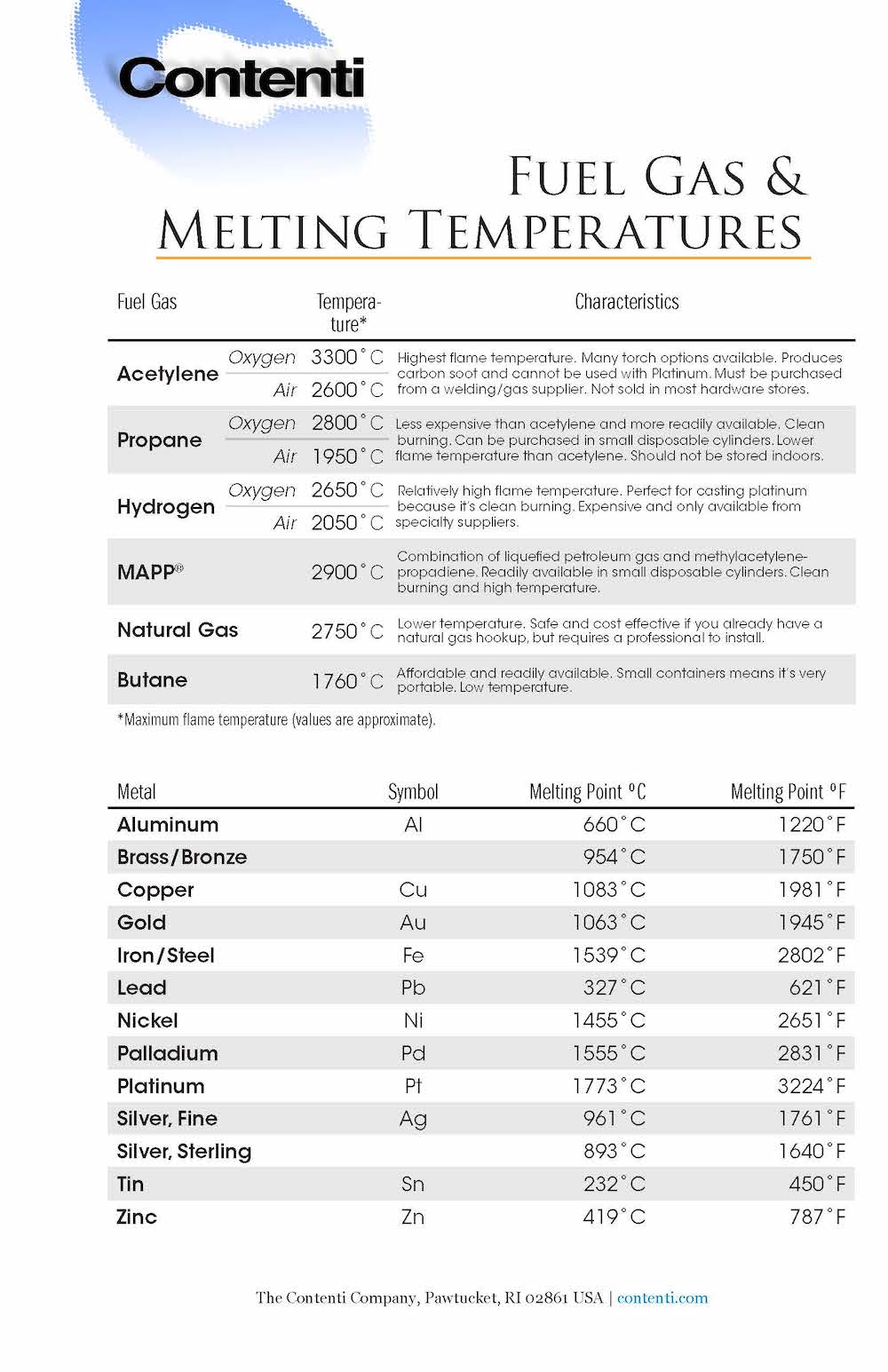
The theoretical maximum flame temperature of MAPP gas, when burned with oxygen (oxy-MAPP), can reach approximately 2,925°C (5,300°F). This is a powerful, concentrated heat. However, when MAPP gas is burned in ambient air (air-MAPP), as is common with handheld torches, the temperature is significantly lower, typically ranging from 2,050°C to 2,200°C (3,722°F to 3,992°F).
This distinction is crucial. While the oxy-MAPP setup offers immense heat for heavy-duty tasks, most everyday professional uses involve air-MAPP torches. The “average working temperature” in these applications falls within the 2000-2200°C range, which is still considerably hotter than propane (around 1,980°C / 3,600°F in air) and provides the necessary heat for most brazing and soldering operations. This superior thermal performance without the need for an external oxygen tank is a major technological advantage.
Factors Influencing Flame Temperature
Several factors can influence the actual flame temperature achieved during MAPP gas combustion, impacting the effectiveness of technical operations:
- Oxygen Ratio: The most critical factor. Burning MAPP gas with pure oxygen (oxy-MAPP) significantly increases the flame temperature due to more efficient and complete combustion. Ambient air, which is only about 21% oxygen, results in a cooler flame. Torch design plays a vital role in optimizing the air-to-fuel mix.
- Torch Design and Nozzle Size: The design of the torch tip and the size of the nozzle determine how effectively the gas and air (or oxygen) are mixed and expelled. A well-designed torch ensures optimal combustion, leading to a hotter, more concentrated flame. Different nozzle sizes are chosen for various applications, affecting the flame’s shape and heat distribution.
- Gas Pressure: Maintaining appropriate gas pressure is essential. Too low a pressure can result in an inefficient flame, while excessively high pressure might lead to incomplete combustion and a less stable flame. Regulators are key tech components for maintaining consistent pressure.
- Ambient Conditions: While less significant than other factors, ambient air temperature and humidity can marginally affect combustion efficiency. In extremely cold conditions, MAPP gas might perform slightly less efficiently initially.
- Proximity to Workpiece: The actual temperature transferred to the workpiece is highest at the hottest part of the flame (the inner blue cone). Holding the torch at the correct distance and angle is a technique that maximizes heat transfer.
Comparison with Other Fuel Gases
To truly appreciate the technological advantage of MAPP gas, it helps to compare its burning characteristics with its common counterparts:
- Propane: Offers a lower flame temperature (approx. 1,980°C / 3,600°F in air) and slower heat transfer. It’s excellent for general heating, soldering smaller pipes, and household tasks, but often insufficient for heavier brazing.
- Acetylene: The hottest common fuel gas (approx. 3,160°C / 5,720°F in air; up to 3,480°C / 6,300°F with oxygen). It’s essential for heavy-duty cutting, welding, and specific brazing applications. However, it requires more robust and specialized equipment due to its instability at higher pressures, and typically needs an oxygen cylinder for maximum efficiency.
- MAPP Gas: Sits squarely between propane and acetylene in terms of temperature (2,050°C to 2,200°C / 3,722°F to 3,992°F in air; up to 2,925°C / 5,300°F with oxygen). It provides excellent heat output for many tasks without the full cost and complexity of an oxy-acetylene setup, making it a pragmatic technological choice for many professionals. Its superior heat transfer rate compared to propane means faster work times.
This comparison highlights MAPP gas as a crucial technological bridge, offering high performance for a broad spectrum of professional tasks where extreme heat is not necessary, but propane’s output is insufficient.
Optimizing Performance: Leveraging MAPP Gas Temperature in Practice
Understanding the burning temperature of MAPP gas is foundational to its effective use in various technical roles. Professionals leverage this knowledge to select the correct fuel, employ appropriate torch technology, and adhere to critical safety protocols.
Selecting the Right Fuel for Specific Tasks
The core of optimizing performance lies in matching the fuel’s thermal characteristics to the job requirements. For technicians, MAPP gas often becomes the default choice when:
- Faster Work is Needed: Its higher heat output compared to propane means materials heat up quicker, reducing project times, particularly for repetitive tasks in HVAC or plumbing.
- Brazing is Required: For strong, leak-proof joints in copper, brass, or bronze, brazing demands higher temperatures than soft soldering. MAPP gas consistently delivers the necessary heat.
- Portability is Key: For on-site jobs where carrying heavy oxygen cylinders for acetylene is impractical, MAPP gas offers a powerful, single-cylinder solution. Its widespread availability and ease of transport make it a highly practical tech tool for mobile professionals.
- Specific Material Requirements: Certain alloys or thicker materials might simply not reach the required working temperature with propane, making MAPP gas the minimal viable fuel for successful completion.
This decision-making process is a testament to the practical application of technical specifications in the field.
Torch Technology and Temperature Control
Modern torch technology plays a significant role in harnessing the full potential of MAPP gas. Developments in torch design have focused on improving combustion efficiency, flame stability, and user control.
- Swirl Flame Technology: Many MAPP gas torches feature swirl flame nozzles that create a vortex effect, mixing the gas and air more thoroughly. This results in a hotter, more concentrated flame with superior heat transfer characteristics. This is a direct technological innovation aimed at maximizing the usable temperature from the fuel.
- Automatic Ignition: Piezo ignition systems are standard, providing instant flame light-up, which enhances user convenience and safety by minimizing manual ignition risks.
- Pressure Regulation: Integrated or external pressure regulators ensure a consistent gas flow regardless of cylinder pressure fluctuations. This maintains a stable flame temperature and prevents wasteful surges or drops in heat output, crucial for precise work.
- Ergonomics and Durability: Torches are designed for professional use, featuring robust construction, comfortable grips, and intuitive controls, all contributing to safer and more effective operation.
These technological advancements transform MAPP gas from a mere fuel into a highly effective tool when paired with the right hardware.
Safety Protocols and High-Temperature Operations
Working with high-temperature flames necessitates strict adherence to safety protocols. While MAPP gas is safer to handle than acetylene, its high burning temperature still demands respect and caution.
- Personal Protective Equipment (PPE): Always use appropriate eye protection (tinted safety glasses or goggles), heat-resistant gloves, and flame-retardant clothing to protect against radiant heat and potential sparks.
- Ventilation: Ensure adequate ventilation in the workspace to disperse combustion byproducts and prevent the buildup of fumes. Working in confined spaces without ventilation can be hazardous.
- Flammable Materials: Keep MAPP gas flames away from flammable liquids, gases, and combustible materials. Maintain a clear working area.
- Cylinder Handling and Storage: Store MAPP gas cylinders upright in a cool, well-ventilated area, away from direct sunlight and heat sources. Always transport cylinders securely to prevent accidental damage or leaks.
- Torch Maintenance: Regularly inspect torches for leaks, damaged hoses, or clogged nozzles. A well-maintained torch operates more efficiently and safely.
- Fire Extinguishers: Have a suitable fire extinguisher (Class B for flammable liquids/gases) readily available in the workspace.
Implementing these safety measures is not just good practice; it’s an essential part of responsible technology use when dealing with high-temperature tools.
Innovations and Future of High-Temperature Gasses in Tech
The landscape of thermal processing is continually evolving, driven by demands for greater efficiency, precision, and environmental responsibility. MAPP gas, and similar fuel technologies, are not immune to these trends, promising exciting developments in the future.
Advancements in Fuel Blends and Delivery Systems
Research and development are ongoing to create even more optimized fuel gas blends. This could involve:
- Enhanced Stability: Developing blends that offer similar thermal performance to MAPP gas but with even greater stability and reduced pressure requirements, broadening their application range.
- Increased BTU Output: New formulations that deliver higher heat per unit volume, further increasing efficiency and reducing cylinder size.
- Bio-Based or Sustainable Fuels: Exploring synthetic or bio-derived hydrocarbons that offer similar combustion properties with a reduced carbon footprint, aligning with global sustainability goals.
- Smart Cylinders: Incorporating IoT sensors into fuel cylinders to monitor gas levels, pressure, and even provide usage analytics, enhancing inventory management and predictive maintenance for businesses.
These advancements represent a continuous effort to refine the core technology of fuel gas combustion.
The Role of Smart Torches and Precision Heating
The future of heating tools will likely see an integration of “smart” features that bring new levels of precision and control:
- Integrated Temperature Feedback: Torches that can monitor the temperature of the workpiece in real-time, providing feedback to the user or even automatically adjusting flame intensity to prevent overheating or ensure optimal brazing temperatures.
- Programmable Heat Profiles: For repetitive tasks, future torches might allow users to program specific heat cycles, ensuring consistent results regardless of operator variability. This would be invaluable in manufacturing and production environments.
- Diagnostic Capabilities: Torches that can self-diagnose issues, warn of potential problems (e.g., low gas pressure, blocked nozzle), and even suggest troubleshooting steps via a connected app.
- Augmented Reality (AR) Integration: Imagine an AR overlay showing the optimal torch angle, distance, or even visual cues for material temperature during a complex brazing operation.
These innovations would transform the simple torch into a sophisticated thermal processing gadget, making high-temperature work more accessible, precise, and efficient.

Sustainability and Efficiency in Combustion Technologies
As environmental concerns grow, the focus on sustainable and efficient combustion technologies will intensify. For MAPP gas and similar fuels, this means:
- Reduced Emissions: Developing cleaner-burning fuels and torch designs that minimize harmful emissions.
- Energy Recovery: Exploring ways to capture and reuse waste heat generated during high-temperature processes.
- Optimized Fuel Consumption: Technologies that ensure every bit of fuel is burned as efficiently as possible, reducing waste and operating costs.
- Recyclable Materials: Designing torch components and fuel cylinders with greater recyclability in mind, aligning with circular economy principles.
In conclusion, the burning temperature of MAPP gas, while a specific technical detail, is a gateway to understanding a broader spectrum of technological innovation in the world of heating and joining. From its optimized chemical blend to the sophisticated torches that harness its power, MAPP gas represents a vital tool for professionals. As technology continues to advance, we can anticipate even more precise, efficient, and intelligent solutions that further enhance the capabilities of this versatile fuel gas and the tools that utilize it, driving progress across numerous industries.
aViewFromTheCave is a participant in the Amazon Services LLC Associates Program, an affiliate advertising program designed to provide a means for sites to earn advertising fees by advertising and linking to Amazon.com. Amazon, the Amazon logo, AmazonSupply, and the AmazonSupply logo are trademarks of Amazon.com, Inc. or its affiliates. As an Amazon Associate we earn affiliate commissions from qualifying purchases.