
Raising chickens, whether as a personal endeavor for fresh eggs, a burgeoning side hustle selling poultry products, or a small-scale agricultural business, represents a tangible financial investment. Understanding the thermal tolerance of your flock is not merely a matter of animal welfare; it’s a critical component of risk management, operational efficiency, and ultimately, profitability. Every lost chicken, every dip in egg production, and every instance of disease due to environmental stress directly impacts your bottom line.
The Financial Impact of Optimal Chicken Rearing
The environment in which chickens are raised profoundly affects their health, productivity, and the financial viability of your operation. Temperature is arguably the most significant environmental factor. Ignoring the thermal needs of your flock can lead to a cascade of financial setbacks, while proactive management can secure and even enhance your returns.

Investment Protection and Cost Avoidance
Each chicken purchased represents an initial capital outlay, regardless of whether it’s a day-old chick or a ready-to-lay pullet. Furthermore, there are ongoing costs associated with feed, housing, and care. When chickens succumb to temperature-related stress, this investment is lost. Mortality rates increase significantly outside optimal temperature ranges, turning potential profits into irrecoverable losses.
Beyond direct mortality, sub-optimal temperatures lead to increased susceptibility to disease. Stressed birds have weakened immune systems, making them more vulnerable to common poultry ailments. This can result in costly veterinary bills, expensive medication, and even the loss of an entire flock in severe outbreaks. Investing in proper temperature control equipment and practices is a preventative measure against these substantial unexpected costs, functioning as a form of insurance for your feathered assets.
Maximizing Productivity and Profitability
Healthy, comfortable chickens are productive chickens. For egg layers, consistent optimal temperatures translate to higher, more consistent egg production. When hens are stressed by heat or cold, their energy is diverted from egg formation to thermoregulation. This leads to fewer eggs, smaller eggs, or eggs with poorer shell quality, all of which reduce salability and, consequently, your revenue.
Similarly, for broiler chickens raised for meat, temperature directly impacts growth rates and feed conversion ratios (FCR). Chickens struggling with heat stress may eat less and become lethargic, slowing their growth. In cold environments, they burn more energy to stay warm, requiring more feed to achieve the same growth, thus worsening the FCR. A higher FCR means you’re spending more on feed for less meat production, eroding your profit margins. Maximizing feed efficiency is paramount in any livestock operation, and temperature control is a key driver.
Understanding Thermal Comfort Zones for Financial Returns
Chickens, like all living beings, have a specific range of temperatures where they thrive. This “thermal neutral zone” minimizes metabolic effort for thermoregulation, allowing energy to be directed towards growth, egg production, and maintaining a robust immune system. Deviations from this zone trigger physiological responses that come with an economic cost.
Ideal Temperatures for Laying Hens and Broilers
For adult laying hens, the ideal temperature range typically falls between 65°F and 75°F (18°C to 24°C). Within this zone, hens are most comfortable, produce the most eggs, and maintain excellent feed conversion. Temperatures slightly outside this range can be tolerated, but consistent excursions will begin to show a financial impact.
Broiler chickens, due to their rapid growth and higher metabolic rates, have slightly different needs, especially as they mature. Younger chicks, particularly during their first few weeks, require significantly higher temperatures, starting around 90-95°F (32-35°C) for day-olds, gradually decreasing by about 5°F (3°C) per week until they reach ambient temperatures suitable for adult birds. This precise temperature management for brooders is crucial for initial growth and survivability, setting the stage for profitable meat production. For mature broilers nearing market weight, a range similar to laying hens is often preferred, though continuous monitoring for signs of heat stress is critical given their larger body mass.
The Risks of Extreme Heat: A Costly Consequence
Heat stress is a significant threat to poultry operations, especially in warmer climates or during summer months. Temperatures consistently above 85°F (29°C) can quickly lead to:
- Reduced Egg Production: Hens will lay fewer eggs, and egg size and shell quality will decline.
- Decreased Feed Intake: Chickens eat less, leading to lower weight gain in broilers and reduced nutrient intake for layers.
- Increased Water Consumption: While good for hydration, excessive water consumption can lead to wet litter, promoting ammonia buildup and respiratory issues, which incur cleanup costs and health risks.
- Panting and Lethargy: Signs of severe heat stress indicate energy expenditure solely for cooling, diverting resources from productive functions.
- Mortality: In extreme cases, heatstroke can lead to widespread flock mortality, representing a catastrophic financial loss.
The economic fallout of heat stress includes lost revenue from fewer eggs or slower growth, increased feed costs if compensatory feeding is attempted later, and potential costs associated with disposing of deceased birds and sanitizing facilities.
The Dangers of Cold Stress: Economic Losses
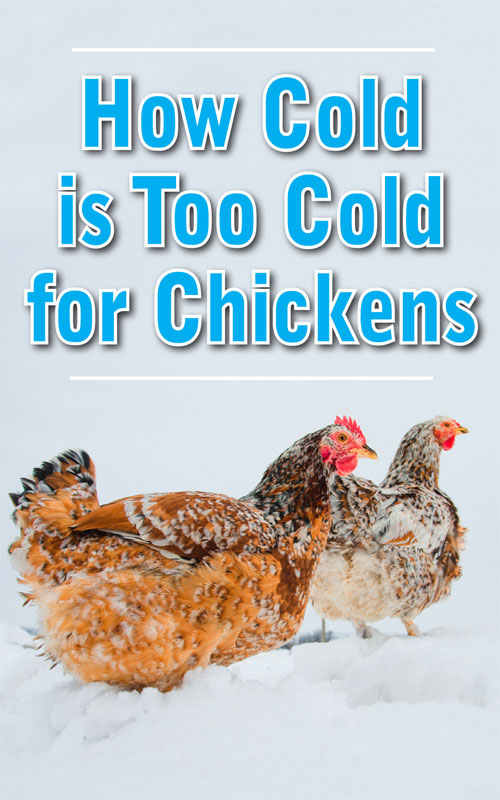
While less acute than heat stress in causing immediate mortality in adult chickens (they are generally more tolerant of cold than heat), sustained cold temperatures also pose substantial financial risks.
- Increased Feed Consumption: Chickens burn more calories to maintain body temperature, leading to a significant increase in feed requirements. This directly inflates your operational costs without a proportional increase in output, slashing profit margins.
- Reduced Egg Production: Hens divert energy to staying warm instead of egg production, resulting in fewer eggs and potentially thinner shells.
- Frostbite: Particularly on combs and wattles, frostbite can cause pain and stress, further impacting productivity and potentially requiring veterinary intervention.
- Increased Susceptibility to Respiratory Issues: Cold, damp conditions can exacerbate respiratory diseases, leading to illness and potential mortality.
- Frozen Waterers: This seemingly minor issue can quickly lead to dehydration, impacting health and production, and requiring labor to thaw or replace.
The financial burden of cold stress manifests as higher feed expenses, reduced income from lower egg yields, and potential costs for treating cold-related ailments or replacing lost birds.
Strategies for Temperature Management: Protecting Your Feathered Investment
Proactive temperature management is an investment in the health, productivity, and financial success of your chicken operation. Implementing effective strategies helps mitigate risks and optimize returns.
Heat Mitigation Techniques: Safeguarding Against Loss
Investing in heat stress prevention is far more cost-effective than dealing with its consequences.
- Adequate Ventilation: Proper airflow is crucial to remove hot, humid air and introduce cooler air. This can range from natural ventilation in open coops to industrial-grade fans in larger operations. A good ventilation system is an investment in sustained productivity.
- Shade and Shelter: Providing ample shade is non-negotiable. This can be natural (trees) or artificial (shade cloths, well-insulated roofs). Poor insulation allows solar radiation to superheat the coop, effectively turning it into an oven. Reflective roofing materials can significantly reduce internal temperatures.
- Misters or Foggers: In very dry, hot climates, misting systems can provide evaporative cooling. While they have an initial cost and ongoing water usage, the boost in productivity and reduced mortality can offer a strong return on investment.
- Cool, Fresh Water: Always ensure access to abundant, cool, fresh water. Water consumption increases dramatically in heat. Investing in automatic waterers or larger reservoirs minimizes labor and ensures constant access, which is critical for survival and production.
- Electrolytes and Vitamins: During periods of extreme heat, supplementing water with electrolytes and vitamins can help chickens cope with stress, a minor expense compared to potential losses.
- Timing of Feeding: Feeding during cooler parts of the day can encourage intake, as digestion generates heat.
Cold Weather Preparedness: Ensuring Winter Productivity
Protecting your flock from cold ensures consistent production and avoids costly health issues.
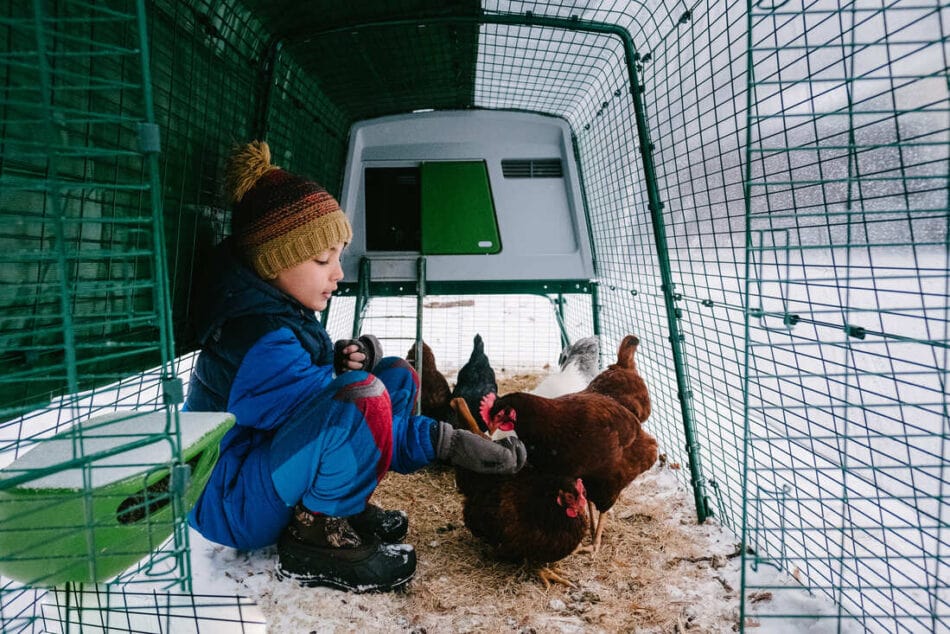
- Draft-Free Housing: While ventilation is important, drafts directly hitting birds in cold weather can cause severe stress. Seal cracks and gaps, ensuring the coop is secure but still has passive airflow near the roofline to prevent ammonia buildup.
- Deep Litter Method: This practice involves building up a layer of bedding that composts in place, generating a small amount of heat and insulating the coop floor. It reduces bedding costs and provides natural warmth.
- Insulation: Insulating coop walls and roofs significantly reduces heat loss, lowering any potential heating costs and keeping birds warmer. This upfront investment pays dividends in energy savings and consistent production.
- Heated Waterers: Preventing water from freezing is vital. Heated waterers or submersible heaters ensure constant access to hydration, a small expense that prevents significant production drops.
- Supplemental Heat (Cautiously): While generally not necessary for adult, cold-hardy breeds, supplemental heat might be considered for very young chicks or extremely susceptible birds during severe cold snaps. Any heating solution must be safe, fire-resistant, and installed correctly to avoid catastrophic loss. Heat lamps, while effective for brooders, are a fire hazard in unsupervised adult coops.
Monitoring Tools and Smart Investments
Modern technology offers tools to help manage your environment more effectively. Thermometers and hygrometers are basic, inexpensive tools. More advanced operations might consider smart sensors that provide real-time data, allow for remote monitoring, and can even trigger ventilation or heating systems automatically. These smart investments reduce labor, provide peace of mind, and offer precise control over environmental conditions, directly impacting efficiency and profitability.
The Bottom Line: Health, Welfare, and Financial Success
The question of “what temperature can chickens tolerate” is inextricably linked to the financial outcomes of any chicken-raising endeavor. From backyard hobbyists saving on grocery bills to commercial producers maximizing output, maintaining chickens within their optimal thermal comfort zones is not an option; it’s a financial imperative. Proactive management of temperature, through thoughtful coop design, appropriate technology, and diligent monitoring, directly translates into healthier birds, higher yields, lower operational costs, and ultimately, a more profitable and sustainable operation. Prioritizing the welfare of your flock through optimal temperature control is, quite simply, good business.
aViewFromTheCave is a participant in the Amazon Services LLC Associates Program, an affiliate advertising program designed to provide a means for sites to earn advertising fees by advertising and linking to Amazon.com. Amazon, the Amazon logo, AmazonSupply, and the AmazonSupply logo are trademarks of Amazon.com, Inc. or its affiliates. As an Amazon Associate we earn affiliate commissions from qualifying purchases.