
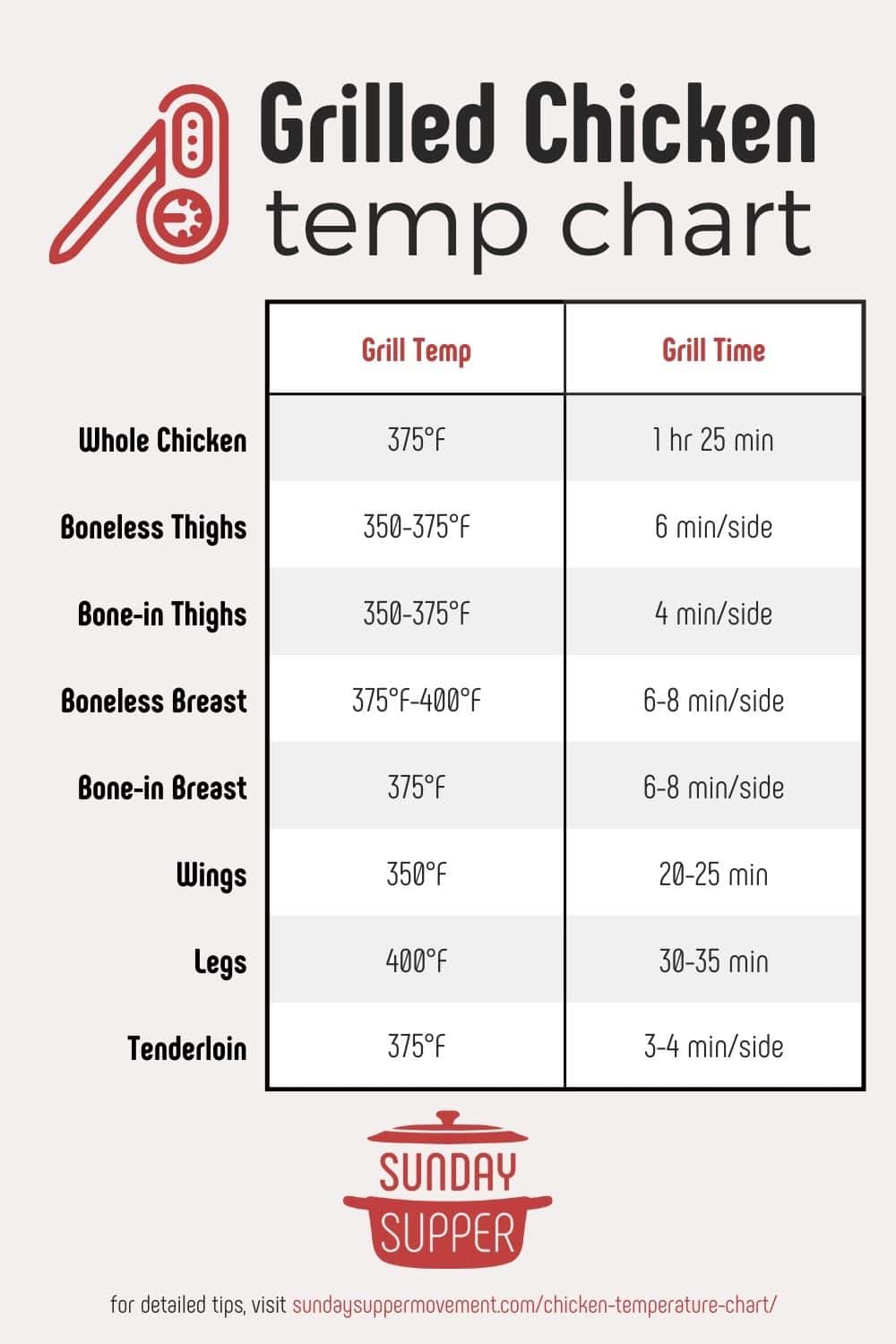
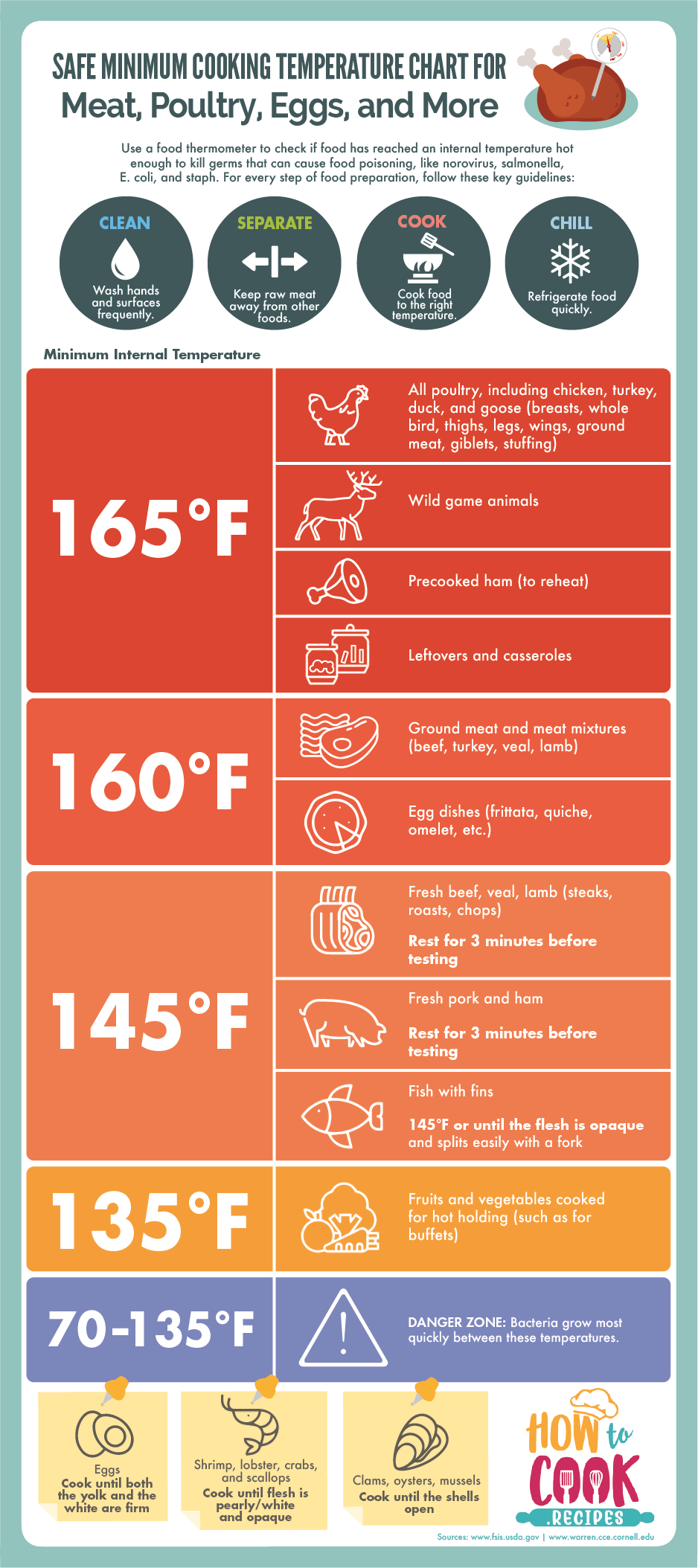
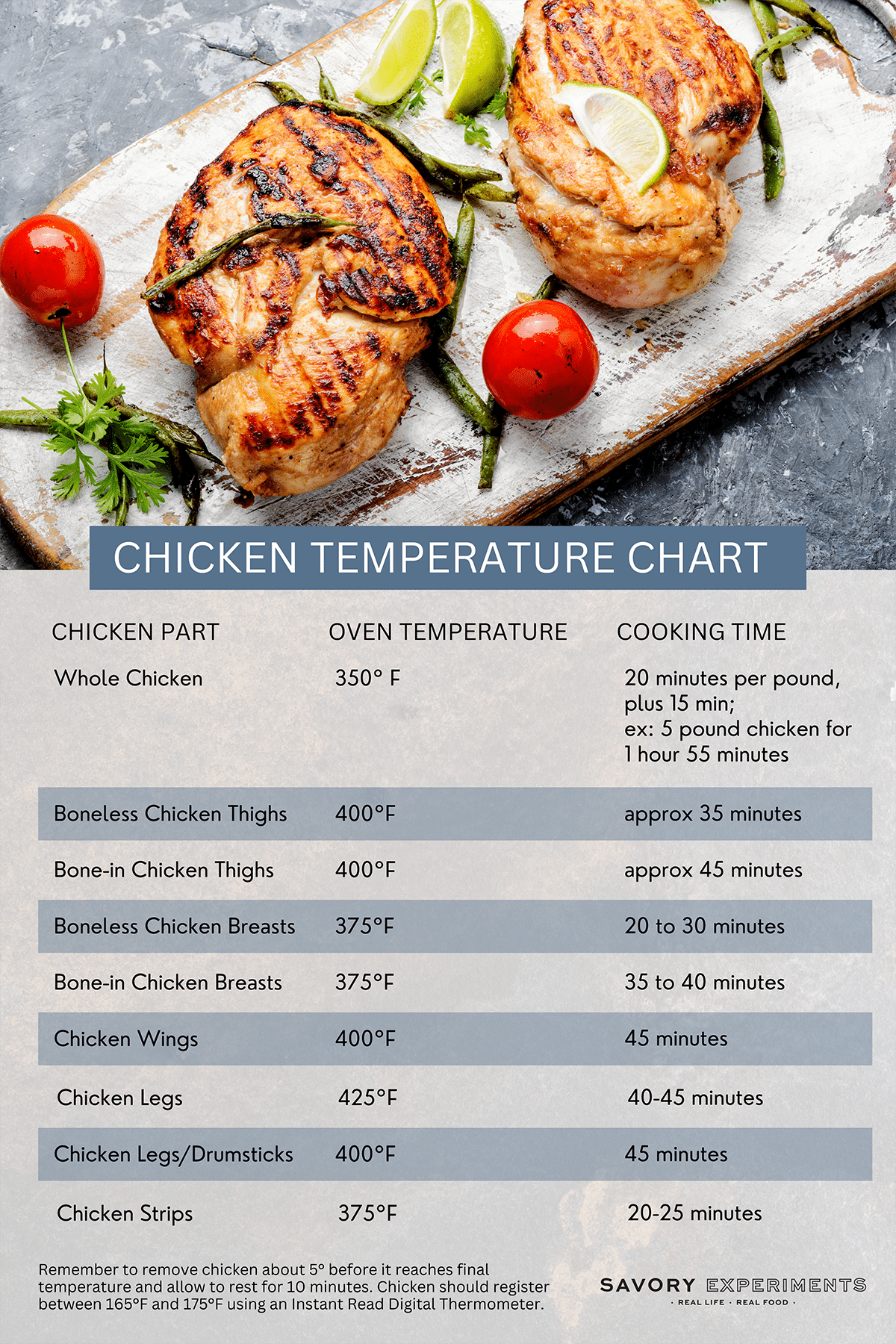
The question “what temp is a chicken done?” has a deceptive simplicity. While the USDA-mandated answer is a definitive 165°F (74°C), the journey to reaching that number with precision and consistency has transformed from a culinary guessing game into a sophisticated field of engineering and digital technology. In the modern era, determining food safety and quality is no longer just about a manual probe; it is about high-fidelity sensors, cloud connectivity, and predictive algorithms.
As we move toward the fully integrated smart home, the technology behind a simple temperature reading represents a convergence of hardware engineering, software development, and the Internet of Things (IoT).
The Evolution of Thermal Sensing: From Analog Probes to Digital Precision
The traditional bimetallic coil thermometer, once the staple of every kitchen drawer, is rapidly becoming a relic of the past. These analog devices rely on the expansion of two different metals to move a needle—a process that is slow, often inaccurate, and requires frequent calibration. In the tech-driven kitchen, this has been replaced by two primary high-tech sensors: thermistors and thermocouples.
Thermistor vs. Thermocouple: The Hardware Behind the Reading
To understand how modern gadgets tell you when a chicken is done, you must understand the silicon and circuitry involved. Most consumer-grade digital thermometers use thermistors. A thermistor (a portmanteau of “thermal” and “resistor”) is a type of resistor whose resistance is drastically reduced as its temperature rises. The onboard microprocessor measures this resistance and converts it into a temperature reading with an accuracy of ±0.5°F.
For professional-grade applications, the thermocouple is the gold standard. A thermocouple consists of two different electrical conductors forming an electrical junction. It produces a temperature-dependent voltage as a result of the Seebeck effect. This technology allows for “instant-read” capabilities, delivering a precise temperature in under two seconds—critical for high-volume commercial environments where every second of oven-door-open time results in heat loss.
The Rise of Instant-Read Logic and Digital Calibration
Digital thermometers today utilize sophisticated firmware to “smooth” the data coming from the probe. Raw sensor data can be noisy; microcontrollers use digital filtering algorithms to ensure the display doesn’t flicker between degrees. Furthermore, high-end tech tools now feature digital calibration storage, where the device remembers its offset from a laboratory-standard reference point, ensuring that when the screen says 165°F, it is accurate to within a fraction of a degree.
The Internet of Things (IoT) in the Modern Kitchen
The most significant shift in the “what temp” question is the transition from “checking” to “monitoring.” The integration of Bluetooth Low Energy (BLE) and Wi-Fi into thermal probes has birthed a new category of smart kitchen gadgets.
Smart Probes and Real-Time Data Streaming
Modern wireless probes, such as the Meater or the Predictive Thermometer by Combustion Inc., are marvels of miniaturized engineering. These devices must house a sensor, a battery, and a Bluetooth transmitter within a stainless-steel housing capable of withstanding 500°F ambient heat.
This tech allows for real-time data streaming to a smartphone app. Instead of the cook standing over the stove, the data is pushed to the cloud. This creates a “set and forget” ecosystem where the software handles the vigilance. The app doesn’t just show the current temperature; it visualizes the cook in a graphical format, showing the rate of temperature rise—a critical metric for estimating the remaining cook time.
Cloud-Based Monitoring for Commercial Food Safety
In the commercial sector, the question of chicken temperature is a matter of legal compliance and risk management. Enterprise-level IoT solutions now utilize gateways that collect data from dozens of sensors across a commercial kitchen or processing plant. This data is logged automatically into a cloud-based Hazard Analysis and Critical Control Point (HACCP) system.
If a batch of chicken fails to reach the programmed threshold, the system triggers an automated alert via SMS or API call to management. This digitizes the safety audit trail, replacing manual logs with immutable digital records, ensuring that “doneness” is not just a culinary preference, but a verified data point for public health.
Artificial Intelligence and Predictive Cooking Algorithms
The “165°F” rule is the safety peak, but the physics of cooking are more complex due to a phenomenon known as carryover cooking. This is where artificial intelligence and machine learning are beginning to play a pivotal role.
Beyond Simple Thresholds: Machine Learning for Carryover Cooking
When you remove a chicken from a 400°F oven, the internal temperature continues to rise as the heat from the outer layers migrates toward the center. A human might guess when to pull the meat to account for this, but AI does it better.
Modern smart ovens and probe systems use predictive modeling. By analyzing the “heat flux”—the rate at which heat is moving through the meat—the software can predict exactly when the internal temperature will plateau. It can then alert the user to remove the chicken at 160°F, knowing with mathematical certainty that the thermal energy already present will carry it to the safe 165°F mark while resting.
Integrated Ecosystems: Syncing Ovens with Biological Data
We are seeing the emergence of “Recipe-as-Code.” In this model, a digital recipe file contains the thermal instructions for the appliance. When the smart probe detects that the chicken has reached a specific delta (the difference between oven temp and internal temp), it sends a command to the oven via a local network to switch from “Roast” to “Hold” or to shut off entirely. This level of automation reduces human error, ensuring that “done” is achieved perfectly every time, regardless of the size of the bird or the initial starting temperature.
Digital Security and the Connected Kitchen
As the tools we use to measure food temperature become more connected, they also become part of the broader digital attack surface. The “Connected Kitchen” brings with it the same security concerns found in any other IoT vertical.
Protecting the Networked Hearth
A Wi-Fi-enabled thermometer is a node on your home network. Historically, IoT devices have been criticized for poor security protocols, often having hardcoded passwords or unencrypted data transmissions. Tech manufacturers are now having to prioritize digital security, implementing WPA3 encryption and secure bootloaders to ensure that a kitchen gadget cannot be used as an entry point for a network intrusion.
Data Privacy in Smart Appliances
There is also the question of data. When you use an app to monitor your chicken’s temperature, you are generating data about your habits, preferences, and even your location. Professional tech-centric reviews of kitchen gear now often include a “privacy” section, evaluating how much data these companies collect and whether it is sold to third-party marketers. As we integrate tech into our most private spaces—the kitchen and the dining room—the “doneness” of our food becomes a data point in the larger surveillance economy.
The Future of Culinary Tech: Infrared and Non-Invasive Sensing
While contact probes are the current standard, the future of determining when a chicken is done lies in non-invasive sensing technology.
Current infrared (IR) thermometers only measure surface temperature, which is useless for determining if the center of a chicken is safe. However, emerging tech like Microwave Volumetric Sensing and Advanced Hyperspectral Imaging is being researched. These technologies aim to “see” through the meat to measure internal molecular activity without ever piercing the skin.
This would represent the ultimate evolution of the “what temp” question: a world where a smart camera mounted above your stove uses computer vision and thermal imaging to notify your smartwatch the exact millisecond your meal has reached peak safety and succulence.
In conclusion, knowing “what temp a chicken is done” has evolved from a basic survival skill into a sophisticated interaction with high-level technology. From the physics of thermocouple sensors to the predictive power of AI and the connectivity of the IoT, the modern kitchen is a laboratory of digital innovation. As hardware continues to shrink and software becomes more intelligent, the margin for error in food safety continues to narrow, driven by the relentless progress of technology.
aViewFromTheCave is a participant in the Amazon Services LLC Associates Program, an affiliate advertising program designed to provide a means for sites to earn advertising fees by advertising and linking to Amazon.com. Amazon, the Amazon logo, AmazonSupply, and the AmazonSupply logo are trademarks of Amazon.com, Inc. or its affiliates. As an Amazon Associate we earn affiliate commissions from qualifying purchases.