
The question “what temp does metal melt?” might seem straightforward, but the answer is as varied as the metals themselves. From the kitchen utensil to the high-tech gadget, metals are fundamental to our modern lives. Understanding their melting points is crucial for everything from manufacturing processes to understanding how they behave in extreme conditions. This exploration will delve into the fascinating world of metal melting points, touching upon the scientific principles, the practical applications across various industries, and the economic considerations involved.
The Science Behind Melting: A Molecular Transformation
At its core, melting is a physical change of state. In a solid metal, atoms are tightly bound together in a crystalline lattice structure, vibrating in place. As heat is applied, these atoms gain kinetic energy and vibrate more vigorously. Eventually, they gain enough energy to overcome the interatomic forces holding them in their rigid positions. At this critical point, the metal transitions from a solid to a liquid, where atoms can move more freely past each other.
Factors Influencing Melting Point
Several factors contribute to the specific melting point of a metal:
- Atomic Structure and Bonding: The strength of the metallic bonds between atoms is a primary determinant. Metals with stronger bonds require more energy (higher temperature) to break them. This is influenced by the number of valence electrons and how effectively they are shared in the “sea of electrons” characteristic of metallic bonding.
- Atomic Mass: Generally, heavier atoms have more inertia, requiring more energy to initiate significant movement, which can contribute to a higher melting point. However, this is not a universal rule and is often overshadowed by the strength of bonding.
- Pressure: While less impactful for most everyday scenarios, pressure does influence melting points. For most substances, including metals, increasing pressure raises the melting point because it forces the atoms closer together, strengthening the bonds. Conversely, decreasing pressure lowers the melting point. This effect is more pronounced in certain materials and under extreme conditions.
- Purity: The presence of impurities can significantly alter a metal’s melting point. Alloys, which are mixtures of metals, often have a lower melting point than their constituent pure metals. This phenomenon, known as melting point depression, is a crucial aspect of metallurgy. For instance, solder, an alloy of tin and lead, melts at a much lower temperature than either pure tin or pure lead, making it ideal for joining electronic components without damaging them.
A Spectrum of Melting Points: From Low-Melting Alloys to Refractory Metals
The range of melting points across different metals is astonishing. This variability makes specific metals suitable for distinct applications.
Common Metals and Their Melting Points
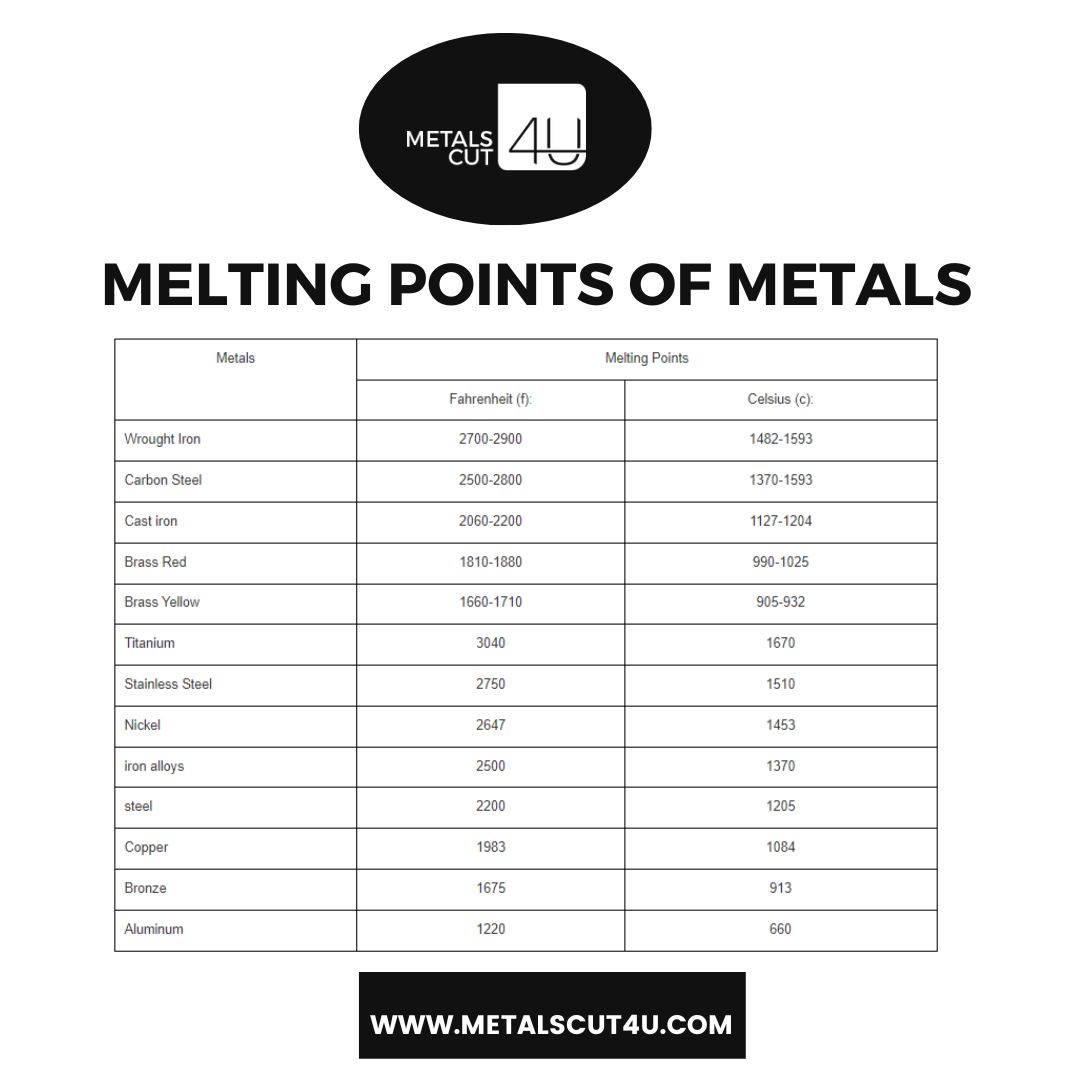
- Aluminum (Al): With a melting point of approximately 660.3°C (1220.5°F), aluminum is a widely used metal due to its lightweight, strength, and corrosion resistance. This relatively low melting point makes it energy-efficient to cast and shape, contributing to its prevalence in everything from aircraft components to cookware.
- Copper (Cu): Copper melts at around 1084.6°C (1984.3°F). Its excellent electrical conductivity makes it indispensable in wiring, and its malleability allows it to be drawn into fine wires. Its resistance to corrosion also makes it suitable for plumbing.
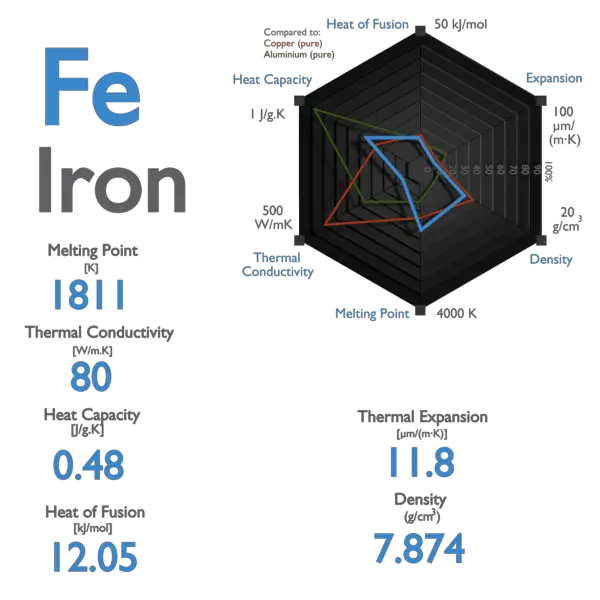
- Iron (Fe): Pure iron melts at 1538°C (2800°F). However, it is rarely used in its pure form. Its strength is significantly enhanced when alloyed with carbon to form steel.
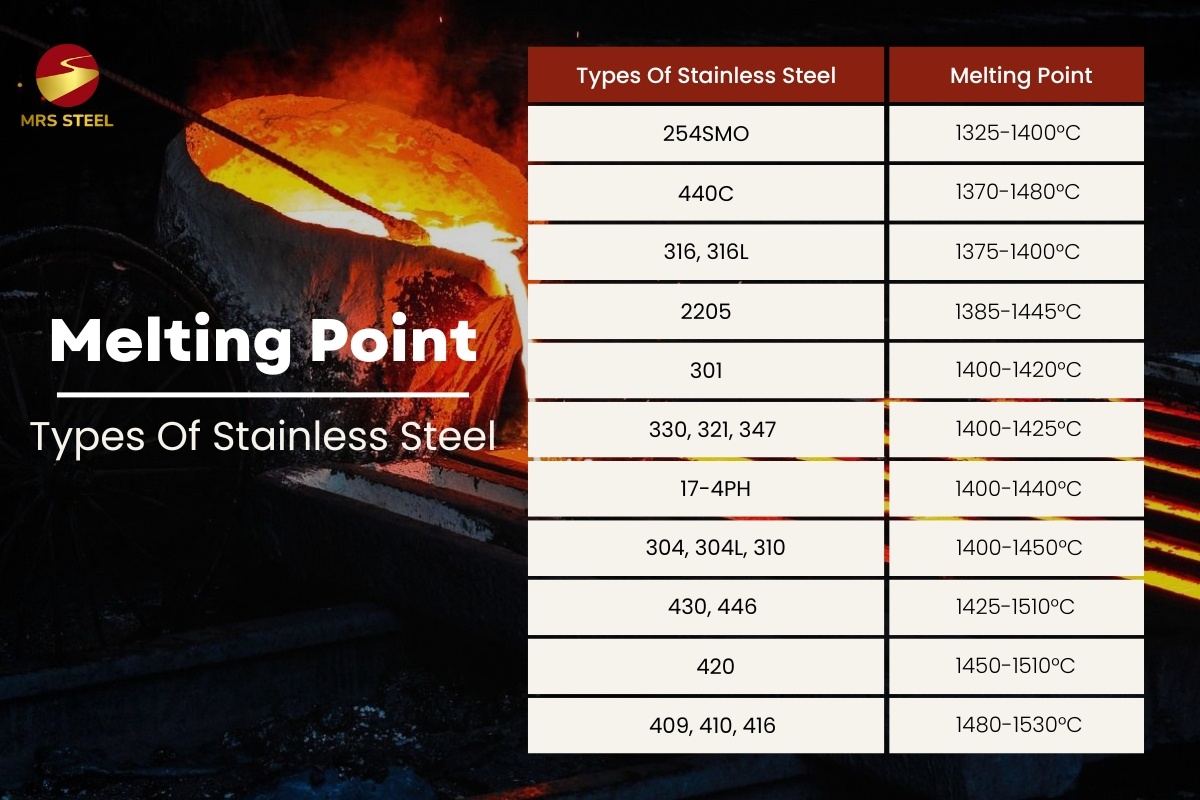
- Steel (an alloy of iron and carbon): The melting point of steel varies depending on its carbon content and other alloying elements. Generally, it falls within the range of 1370°C to 1540°C (2500°F to 2800°F). This makes it ideal for structural applications, construction, and manufacturing.
- Gold (Au): Known for its luster and resistance to corrosion, gold has a melting point of 1064°C (1947°F). This relatively accessible melting point has made it a popular choice for jewelry for millennia.
- Silver (Ag): Silver melts at 961.8°C (1763.2°F), slightly lower than gold. It is also widely used in jewelry, coinage, and, importantly, in industrial applications due to its exceptional electrical and thermal conductivity.
- Lead (Pb): A dense and easily workable metal, lead melts at a very low 327.5°C (621.5°F). Historically used in pipes and paints, its toxicity has led to significant reductions in its use.
- Tin (Sn): Tin has an even lower melting point than lead, at 231.9°C (449.5°F). It’s a key component in solder and tin plating for food cans, where its low toxicity and corrosion resistance are advantageous.
- Zinc (Zn): Zinc melts at 419.5°C (787.1°F). It is commonly used for galvanizing steel to prevent rust and in alloys like brass.
High-Temperature Metals: The Refractory Elements
At the other end of the spectrum are the refractory metals, characterized by their incredibly high melting points, making them suitable for extreme environments.
- Tungsten (W): With the highest melting point of any pure metal, 3422°C (6192°F), tungsten is exceptionally strong and resistant to heat. This makes it the material of choice for incandescent light bulb filaments, high-temperature furnace components, and cutting tools.
- Molybdenum (Mo): Melting at 2623°C (4753°F), molybdenum is another vital high-temperature metal used in alloys, electronics, and aerospace applications where resistance to heat and corrosion is critical.
- Tantalum (Ta): Tantalum boasts a melting point of 3017°C (5463°F). It is highly corrosion-resistant and biocompatible, making it ideal for medical implants, surgical instruments, and high-performance capacitors in electronics.
Melting Points in the Digital Age: Tech and Manufacturing
The seemingly simple question of “what temp does metal melt” underpins vast sectors of modern technology and industry.
Metal Casting and Fabrication: Bringing Designs to Life
The ability to melt and reshape metals is fundamental to manufacturing. Casting, a process where molten metal is poured into a mold to solidify into a desired shape, relies heavily on precise control of melting temperatures.
- Precision Casting: For intricate components, especially in aerospace and automotive industries, precise temperature control is vital to ensure molten metal fills every detail of the mold without degrading. Alloys with lower melting points are often favored for ease of casting and reduced energy consumption.
- 3D Metal Printing: Additive manufacturing, or 3D printing with metals, utilizes focused energy sources (like lasers or electron beams) to melt and fuse powdered metal layer by layer. Understanding the melting point and solidification behavior of the metal powder is critical for achieving strong, defect-free prints. Different metals and alloys have varying requirements for these processes. For example, printing with aluminum alloys is generally less energy-intensive than printing with titanium.
- Welding and Soldering: These joining processes involve melting a filler material (or the base metals themselves) to create a bond. The melting points of the metals being joined and the filler material must be carefully considered. Soldering, for instance, uses much lower temperatures than welding, making it suitable for delicate electronic components.
Material Selection for Gadgets and Devices
From the smartphones in our pockets to the servers powering the internet, metals with specific properties, including their melting points, are crucial.
- Electronics: Many electronic components utilize alloys with specific melting points. For example, tin-lead solder has historically been used to connect components on circuit boards due to its low melting point. However, due to environmental concerns, lead-free solders, often based on tin, silver, and copper, are now prevalent, requiring slightly higher processing temperatures. Heat sinks, often made from aluminum or copper, rely on the thermal conductivity of these metals to dissipate heat generated by electronic components. Their melting points are high enough to withstand normal operating temperatures.
- Batteries: The materials used in batteries, including the metallic components of electrodes and casings, are chosen for their electrochemical properties, but their melting points are also considered during manufacturing and for safety.
- Displays: Some advanced display technologies might involve thin films of metals with specific thermal and electrical properties, where understanding their melting points is important for fabrication and long-term stability.
Branding, Reputation, and the Economic Value of Metal Melting Points
The properties of metals, including their melting points, directly influence the brands that utilize them and the economic landscape surrounding their extraction, processing, and application.
Brand Identity Through Material Choice
A brand’s choice of materials can communicate quality, durability, and technological sophistication.
- Luxury Goods: The use of gold and silver in jewelry, for instance, is not just about their intrinsic value but also their workability at accessible melting points, allowing for intricate designs that become hallmarks of luxury brands.
- High-Performance Products: Brands that emphasize performance, such as those in the automotive or aerospace sectors, will opt for alloys with specific melting points that can withstand extreme temperatures and stresses, projecting an image of reliability and cutting-edge engineering.
- Sustainable Brands: Companies focusing on sustainability might highlight the recyclability of metals like aluminum, which can be melted and reformed with significantly less energy than producing virgin aluminum. This resonates with a consumer base concerned about environmental impact.
Economic Implications of Melting
The melting point of a metal has direct economic consequences throughout its lifecycle.
- Energy Costs: Metals with lower melting points require less energy to melt, leading to lower manufacturing and processing costs. This is a significant factor in the widespread adoption of aluminum and certain alloys. Conversely, the energy required to melt refractory metals like tungsten is substantial, contributing to their higher cost and specialized applications.
- Equipment and Infrastructure: Industries working with high-melting-point metals require specialized, high-temperature furnaces and processing equipment, representing significant capital investment. This can create barriers to entry for smaller businesses.
- Resource Scarcity and Value: The rarity of certain metals, combined with the energy and technology needed to extract and process them (which can be influenced by their melting points), directly impacts their market value. Precious metals like gold and platinum, while desirable for their aesthetic and chemical properties, are also valued for their relative scarcity and the historical significance of their extraction.
- Recycling and Circular Economy: The ability to melt and re-form metals is the cornerstone of metal recycling. Understanding the melting points of various alloys is crucial for efficient sorting and reprocessing. Metals with lower melting points are generally easier and more energy-efficient to recycle, supporting a circular economy.
Conclusion: A Fundamental Property with Far-Reaching Impact
The question “what temp does metal melt” is far more than a simple factual inquiry. It’s a gateway to understanding the fundamental properties that dictate the utility, application, and economic viability of countless materials that shape our world. From the microscopic interactions of atoms to the global supply chains of advanced manufacturing, the melting point of a metal is a critical parameter. Whether it’s the low melting point of solder enabling our intricate electronics, the high melting point of tungsten powering our lights, or the mid-range melting points of aluminum and steel forming the backbone of our infrastructure, these temperatures are silent architects of our technological landscape, brand identities, and economic systems. As technology continues to evolve, our understanding and manipulation of metal melting points will remain central to innovation and progress.
aViewFromTheCave is a participant in the Amazon Services LLC Associates Program, an affiliate advertising program designed to provide a means for sites to earn advertising fees by advertising and linking to Amazon.com. Amazon, the Amazon logo, AmazonSupply, and the AmazonSupply logo are trademarks of Amazon.com, Inc. or its affiliates. As an Amazon Associate we earn affiliate commissions from qualifying purchases.