
In the culinary world, the brisket is often referred to as the “Mount Everest” of barbecue. It is a temperamental, stubborn cut of meat that requires a mastery of thermodynamics, patience, and, increasingly, high-end technology. While traditional pitmasters relied on the “feel” of the meat or the color of the smoke, the modern landscape of outdoor cooking has been revolutionized by digital precision. When we ask, “What temp does brisket need to be?” we are no longer just asking for a number on a dial; we are asking for a data-driven analysis of collagen breakdown, moisture retention, and predictive modeling.
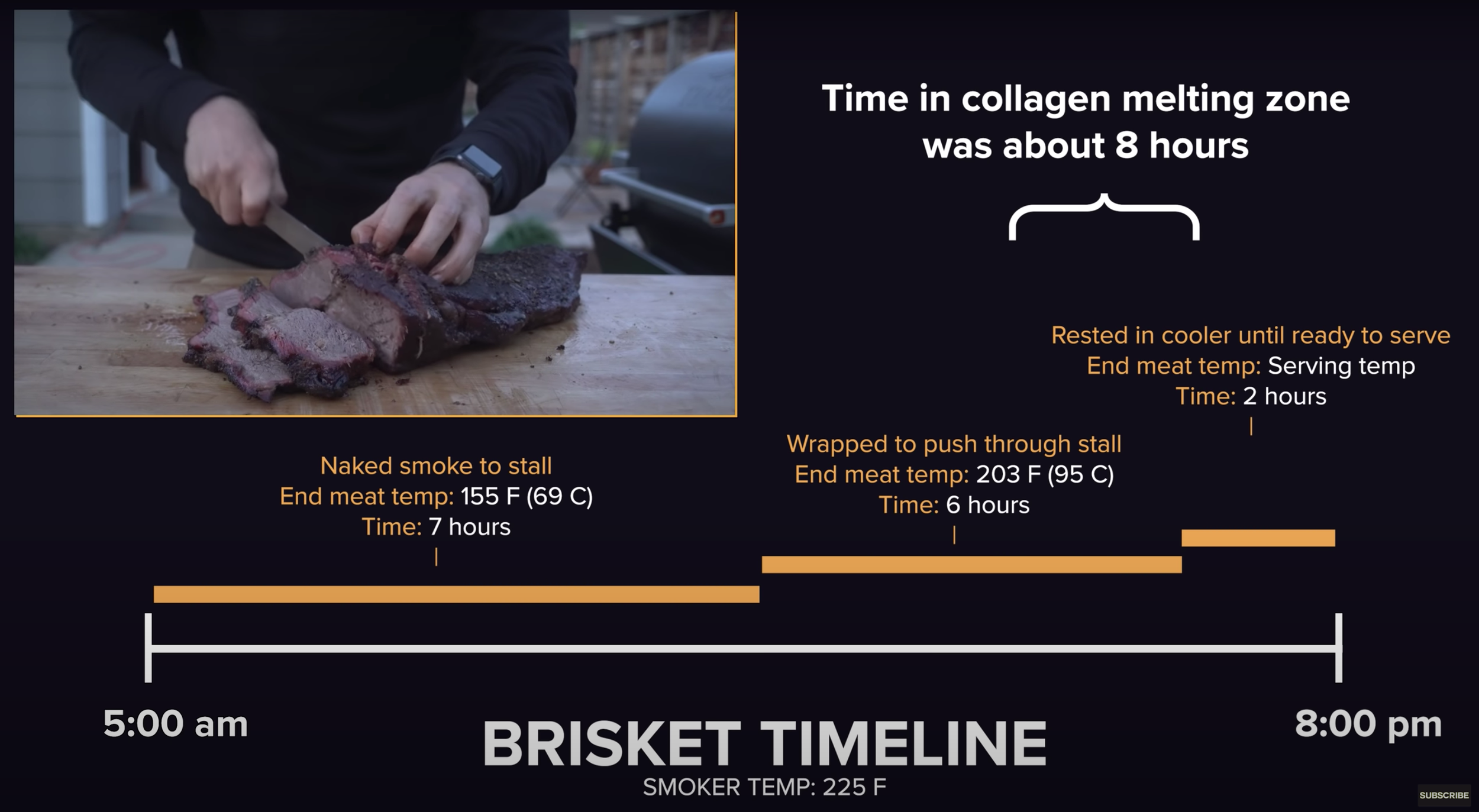
In this deep dive into the technology of barbecue, we explore the software, hardware, and digital tools that have turned the quest for the perfect 203°F brisket into a feat of modern engineering.
1. The Physics of the Probe: Thermistors, Thermocouples, and Data Accuracy
To understand what temperature a brisket needs to reach, one must first understand the technology used to measure it. In the tech-heavy world of modern BBQ, the analog bi-metal thermometer is a relic of the past. Today’s “Digital Pitmasters” rely on two primary types of sensors to ensure their brisket hits the mark.
The Rise of the NTC Thermistor
Most consumer-grade smart thermometers, such as those integrated into Wi-Fi pellet grills, utilize Negative Temperature Coefficient (NTC) thermistors. These sensors work by measuring electrical resistance—as the temperature rises, the resistance decreases. For a brisket, which requires precise monitoring between the 160°F “stall” and the 203°F “finish,” the accuracy of these sensors is paramount. High-end tech brands have refined the calibration algorithms within these devices to ensure that a reading of 203°F is accurate to within ±0.5°F, a level of precision once reserved for laboratory settings.
Thermocouple Technology for Professional Benchmarking
For those who demand the pinnacle of tech, thermocouples (specifically K-type probes) are the gold standard. Unlike thermistors, thermocouples measure the voltage difference between two different metals. This allows for near-instantaneous readings. When a professional pitmaster is probing a brisket to find the “point” and the “flat” temperatures, they require a device that can refresh its data output in milliseconds. This is where hardware like the Thermapen or specialized industrial loggers come into play, providing the high-frequency data streams necessary for precision cooking.
The “Magic Number”: Why 203°F is a Software Target
Technologically speaking, the reason we target an internal temperature of approximately 203°F (95°C) is due to the phase change of connective tissue. At a specific thermal threshold, collagen begins to denature into gelatin. Tech-enabled smokers use PID (Proportional-Integral-Derivative) controllers to manage this transition. These controllers use a control loop feedback mechanism to calculate the error between the desired setpoint and the actual temperature, ensuring the brisket doesn’t “overshoot” the mark and become a dry, over-rendered mess.
2. IoT and the Connected Cook: Apps, Clouds, and Remote Monitoring
The question of “what temp does brisket need to be” is now monitored from anywhere in the world thanks to the Internet of Things (IoT). The integration of Wi-Fi and Bluetooth connectivity into meat probes has shifted the BBQ experience from the patio to the smartphone.
Cloud-Connected Smoked Meat
Leading tech firms in the BBQ space, such as Meater and FireBoard, have developed sophisticated cloud infrastructures. These systems allow a brisket’s temperature data to be uploaded in real-time to a remote server. This means a user can monitor the internal temp of their brisket from a grocery store or an office via a dedicated app. These apps don’t just show a number; they provide a visual representation of the “heat curve,” allowing the user to see exactly when the meat enters the stall and how the ambient temperature of the pit is affecting the internal progression.
User Interface (UI) and Experience (UX) in Culinary Apps
The software side of barbecue is just as critical as the hardware. A well-designed BBQ app provides more than just alerts. High-quality UX design includes features like:
- Predictive Estimations: Using machine learning algorithms to analyze the rate of temperature rise and predict exactly what time the brisket will reach 203°F.
- Ambient vs. Internal Delta: Calculating the difference between the pit temp and the meat temp to suggest when to “wrap” the meat in butcher paper or foil.
- Multi-Probe Management: Managing data streams from multiple sensors simultaneously, which is essential when cooking different sized briskets that reach their target temperatures at different rates.
The Integration of Smart Home Ecosystems
We are seeing a trend where “what temp does brisket need to be” becomes a voice command. Through Amazon Alexa and Google Home integrations, users can ask, “What is the brisket’s current temperature?” and receive a haptic or auditory update. This level of smart home integration represents the final frontier of the “connected kitchen,” where the outdoor grill is simply another node on the digital network.
3. Algorithmic Barbecue: Tackling “The Stall” with Machine Learning
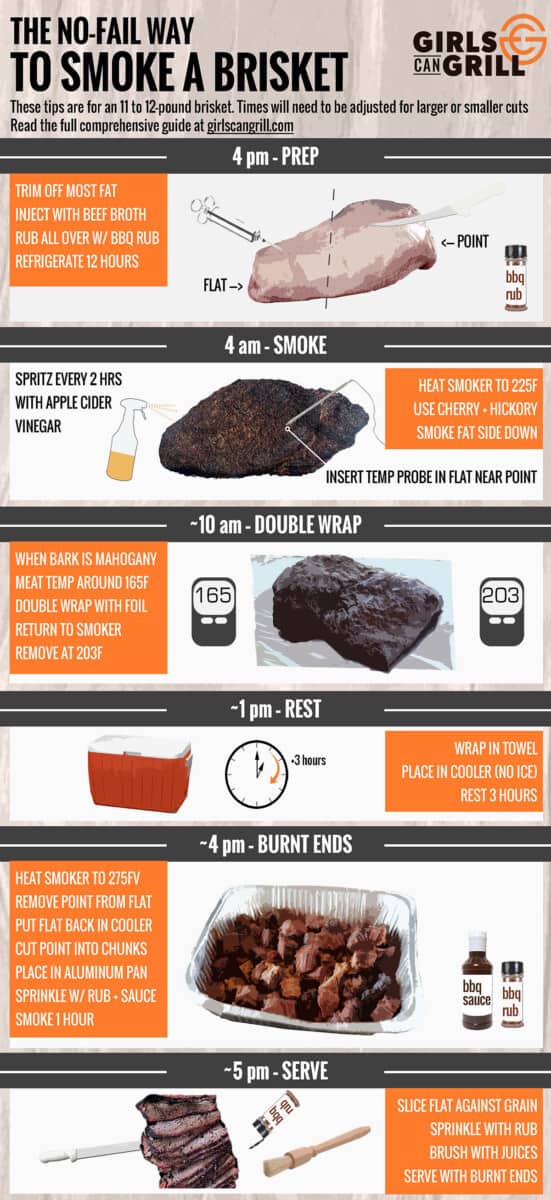
Every brisket cook hits a plateau known as “the stall,” typically occurring around 160°F to 170°F. This is where evaporative cooling balances the heat input, and the internal temperature can stay stagnant for hours. In the past, this was a source of anxiety. Today, it is a problem solved by algorithms.
Predictive Modeling for Time-to-Table
One of the most impressive AI tools in the BBQ space is predictive modeling. By analyzing thousands of previous cook cycles, developers have created software that can account for “the stall.” When the internal temp hits 165°F, the algorithm recognizes the slowing rate of increase and adjusts the “Estimated Time of Completion” (ETC). This allows for better project management—essential for professional caterers and hobbyists alike who need to time the “rest” period of the meat before serving.
Automated Temperature Control (ATC) Systems
Modern pellet grills and gravity-fed smokers utilize sophisticated software logic to manage the fire. When the internal probe detects the brisket is approaching its final target of 203°F, the ATC can automatically lower the pit temperature to a “hold” setting (usually 140°F–150°F). This prevents overcooking and automates the transition from active cooking to the critical resting phase. This is essentially “autopilot” for slow-cooked meats, powered by microprocessors and solid-state relays.
Data Logging and Post-Cook Analysis
For the data-obsessed, the cook doesn’t end when the brisket is eaten. Many apps allow users to export their temperature logs as CSV or JSON files. This data can then be analyzed to determine how variations in ambient humidity, fuel type (pellet vs. wood), and initial meat weight affected the duration of the stall. This iterative, data-driven approach is the hallmark of the modern tech-focused pitmaster.
4. Digital Security and Vulnerabilities in the Outdoor Tech Stack
As grills and thermometers become increasingly “smart,” they also become part of the broader conversation regarding digital security and IoT vulnerabilities. If your brisket temperature is being monitored via your home Wi-Fi, your grill is a potential entry point for network intrusions.
Securing the Smart Grill
Many budget-friendly smart grills lack robust encryption protocols. Tech-savvy users are now implementing VLANs (Virtual Local Area Networks) to isolate their outdoor cooking gear from their primary home computers and sensitive data. Ensuring that your meat probe’s firmware is updated is no longer just about getting the latest features; it’s about patching security holes that could allow a malicious actor to interfere with your home network—or worse, ruin your $100 brisket by remotely changing the temperature settings.
The Reliability of Bluetooth vs. Wi-Fi
From a technical standpoint, the choice between Bluetooth and Wi-Fi connectivity involves a trade-off between range and reliability. Bluetooth Low Energy (BLE) is efficient but limited in distance. Wi-Fi offers global connectivity but is subject to signal interference from the metal casing of the grill itself. The “Tech Brisket” community frequently discusses the merits of signal repeaters and long-range Bluetooth extenders to ensure that the data stream remains uninterrupted. After all, a “packet drop” at 195°F could mean missing the 203°F peak, resulting in a suboptimal culinary outcome.

5. The Future of Brisket Tech: LiDAR, AI, and Beyond
As we look forward, the question “what temp does brisket need to be” may soon be answered by even more advanced technologies. We are already seeing the emergence of LiDAR sensors being used to measure pellet levels in real-time, and it is only a matter of time before computer vision (CV) is integrated into smokers.
Imagine a smoker equipped with an internal camera and AI that can visually inspect the “bark” formation on a brisket. By combining visual data (the Maillard reaction) with thermal data (internal probes), the software could provide a holistic “Doneness Score” that goes far beyond a simple temperature reading. This multi-sensor fusion—combining thermal, visual, and even humidity data—is the future of high-tech barbecue.
In conclusion, while the brisket itself remains a humble cut of meat, the technology we use to master it is anything but. From the intricate physics of NTC thermistors to the cloud-based algorithms that predict the end of “the stall,” the modern pitmaster is as much a data scientist as they are a cook. The answer to “what temp does brisket need to be” is 203°F, but the journey to that number is now paved with silicon, software, and the infinite possibilities of the digital age.
aViewFromTheCave is a participant in the Amazon Services LLC Associates Program, an affiliate advertising program designed to provide a means for sites to earn advertising fees by advertising and linking to Amazon.com. Amazon, the Amazon logo, AmazonSupply, and the AmazonSupply logo are trademarks of Amazon.com, Inc. or its affiliates. As an Amazon Associate we earn affiliate commissions from qualifying purchases.