
For many taxpayers, the calendar flip to January brings a familiar sense of confusion regarding tax deadlines and designated years. As we approach the upcoming tax season, the most fundamental question many individuals and business owners ask is: What tax year are we filing for in 2025?
The short answer is that in 2025, you are filing your tax return for the 2024 calendar year. While the paperwork is submitted in 2025, the income, deductions, and financial activities being reported all occurred between January 1, 2024, and December 31, 2024.
Navigating the complexities of the Internal Revenue Service (IRS) regulations requires a clear understanding of this distinction. This guide will delve into the nuances of the 2024 tax year, the changes in tax law, and the strategic financial moves you need to make to ensure a smooth filing process in 2025.
Understanding the Timeline: Tax Year 2024 vs. Filing Year 2025
The discrepancy between the year we live in and the tax year we report is a frequent source of administrative errors. In the United States, the tax system is retrospective. This means the government gives you the first few months of the new year to aggregate your records from the previous year.
Why the Distinction Matters
Understanding that you are filing for 2024 is critical for accurate record-keeping. Any income earned on January 1, 2025, will not be reported on the return you file this coming April; rather, it will be part of the following year’s filing. This distinction affects everything from which W-2s you should be looking for to which charitable contributions are deductible. If you made a donation on December 31, 2024, it counts for your 2025 filing. If you waited until New Year’s Day, you must wait another full year to claim that benefit.
Key Dates for the 2025 Filing Season
While the IRS typically begins accepting returns in late January, the most important date to remember is Tuesday, April 15, 2025. This is the federal deadline for most individual taxpayers to file their 2024 returns or request an extension. For those who are self-employed or have diverse investment portfolios, quarterly estimated tax payments for the 2024 tax year should have been completed by January 15, 2025. Missing these distinctions can lead to unnecessary penalties and interest charges that erode your personal wealth.
Significant Tax Changes and Inflation Adjustments for 2024
Each year, the IRS adjusts various tax provisions to account for inflation. For the 2024 tax year (the one you are filing for in 2025), these adjustments are particularly significant due to the economic shifts seen over the past 12 to 18 months. These changes effectively “widen” the tax brackets, potentially pushing some of your income into lower percentage tiers.
New Tax Brackets and Standard Deductions
For the 2024 tax year, the IRS increased the standard deduction significantly. For single filers and married individuals filing separately, the standard deduction rose to $14,600. For married couples filing jointly, it increased to $29,200. This is an important threshold; if your itemized deductions (like mortgage interest and state taxes) do not exceed these amounts, the standard deduction is your most efficient path to reducing taxable income.
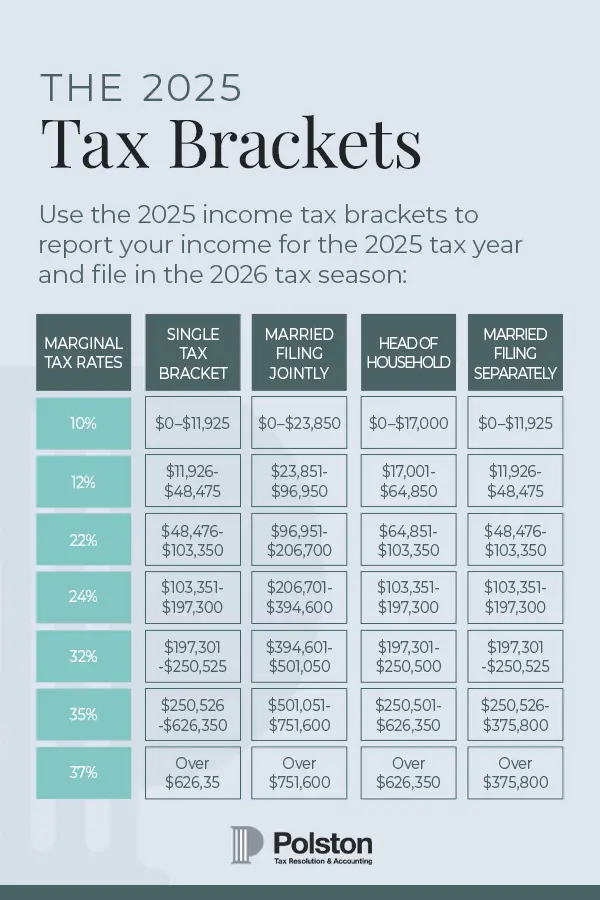
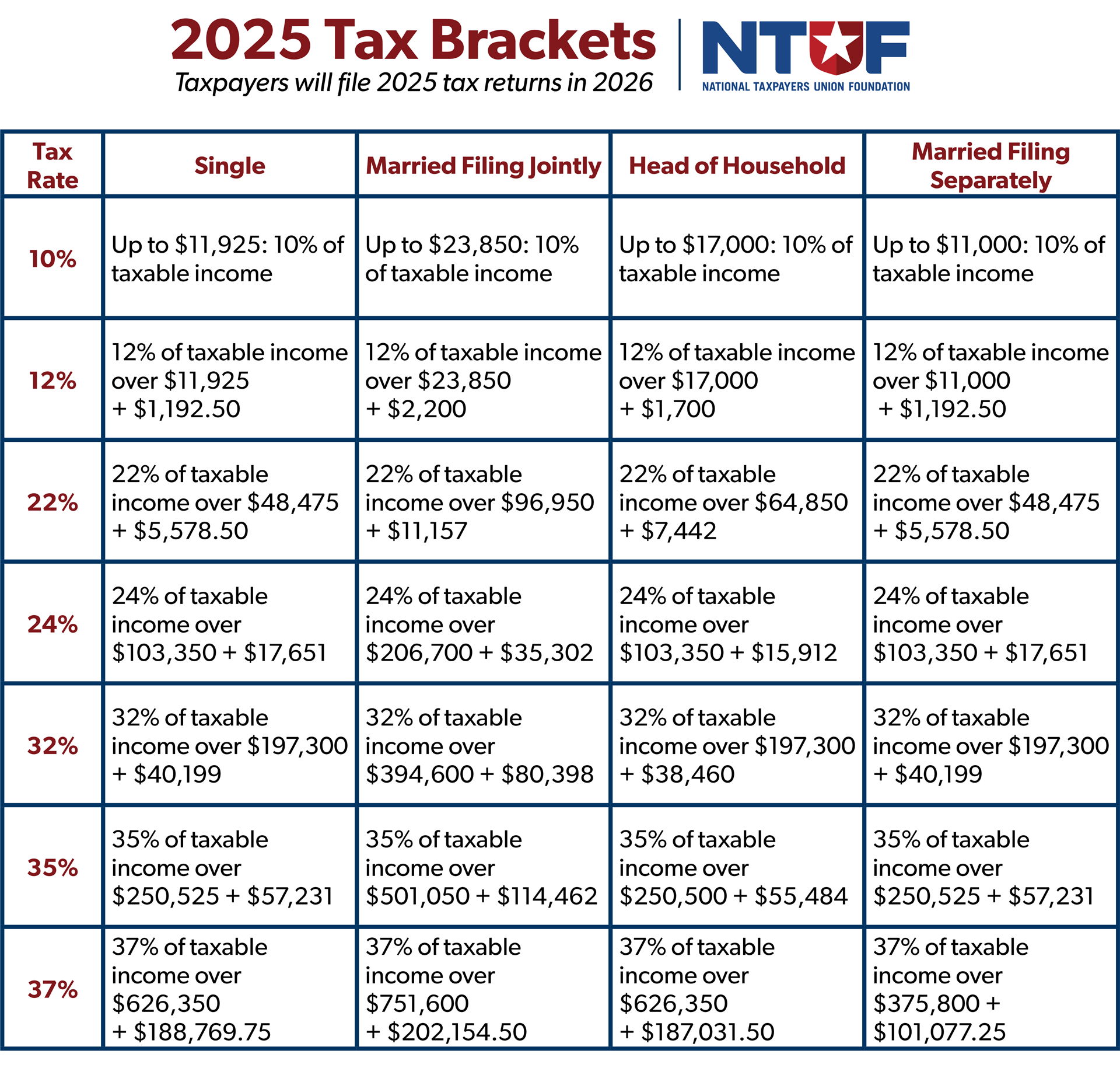
The marginal tax rates remain the same (10%, 12%, 22%, 24%, 32%, 35%, and 37%), but the income thresholds for each bracket have shifted upward. This “bracket creep” protection ensures that if your wages increased slightly to keep up with inflation, you aren’t unfairly pushed into a higher tax bracket.
Updates to the Earned Income Tax Credit (EITC) and Credits
The 2024 tax year also sees an increase in the maximum Earned Income Tax Credit. For taxpayers with three or more qualifying children, the maximum credit is now $7,830. Understanding these thresholds is vital for middle-to-low-income households, as these credits are often refundable, meaning they can provide a check from the government even if you owe zero taxes. Additionally, the phase-out limits for various education and energy credits have been adjusted, making it easier for more families to qualify for “green” home improvement incentives taken during 2024.
Maximizing Deductions and Credits for the 2024 Tax Year
To optimize your financial position during the 2025 filing season, you must look closely at the specific deductions available for the 2024 window. Personal finance management is not just about earning; it is about keeping as much of that earnings as legally possible through strategic tax planning.
Itemized vs. Standard Deduction: Which is Right for You?
With the 2024 standard deduction being so high, fewer taxpayers find it beneficial to itemize. However, if you had significant medical expenses (exceeding 7.5% of your adjusted gross income), substantial state and local taxes (up to $10,000), or large charitable donations in 2024, itemizing on Schedule A might still be the superior choice. As you prepare to file in 2025, you should aggregate all receipts from 2024 to do a side-by-side comparison.
Tax-Advantaged Retirement Contributions
One of the most effective ways to lower your 2024 taxable income—even after the year has ended—is through retirement contributions. While 401(k) contributions generally must be made by December 31 of the tax year, you often have until the filing deadline in April 2025 to contribute to a Traditional IRA or a Health Savings Account (HSA) for the 2024 tax year.
For 2024, the contribution limit for IRAs increased to $7,000 ($8,000 if you are 50 or older). Making a “prior-year contribution” in early 2025 can directly reduce your 2024 tax liability, providing a double benefit of long-term wealth building and immediate tax savings.
Financial Tools and Strategies for a Seamless Filing Process
In the modern financial landscape, manual calculations are becoming a thing of the past. To ensure accuracy for your 2024 reporting, leveraging the right financial tools is essential. High-income earners and those with “side hustles” particularly benefit from a structured digital approach to their 2024 data.
Leveraging Modern Financial Software
When you sit down in 2025 to file, your success will depend on the quality of your 2024 data. Utilizing cloud-based accounting software or dedicated tax-prep platforms allows you to import 1099s, W-2s, and investment statements directly. For those in the “Money” niche who manage multiple income streams—such as dividends, rental income, or freelance fees—software that categorizes expenses in real-time is a lifesaver. This prevents the “shoebox of receipts” phenomenon that leads to missed deductions and filing stress.
Organizing Documents for 2024 Income
The IRS has increased its focus on the “Gig Economy.” If you earned over a certain threshold through platforms like Venmo, PayPal, or Etsy in 2024, you should expect to receive a Form 1099-K. Proper organization means having a dedicated digital folder for:
- Income Statements: W-2s from employers and 1099s from contract work.
- Investment Records: 1099-B and 1099-DIV forms showing capital gains or losses from the 2024 stock market.
- Expense Records: Documentation for home office deductions, business travel, and professional development.
Planning Ahead: Looking Toward Tax Year 2025
While your immediate focus in early 2025 is filing for 2024, the most successful individuals use the filing season as a springboard for current-year planning. Tax planning is a year-round discipline, not a once-a-year event.
Adjusting Your Withholdings
Once you see the results of your 2024 filing, you may realize you received a massive refund or, conversely, owed a significant amount. A large refund is essentially an interest-free loan to the government. Use the insights from your 2025 filing to adjust your Form W-4 for the remainder of the 2025 tax year. This ensures that you have more “take-home” pay each month to invest in high-yield savings accounts or the stock market, allowing your money to work for you rather than sitting idle in the IRS coffers.

Preparing for Future Legislative Changes
The financial world is constantly shifting, with tax laws often serving as a tool for economic policy. As you file in 2025, stay informed about potential Sunsetting provisions. Many of the tax cuts introduced in previous years are scheduled to expire or change in the near future. By understanding the “Money” behind the policy, you can make informed decisions about asset location, business entity structuring (such as moving from a sole proprietorship to an S-Corp), and long-term estate planning.
In conclusion, when you prepare your taxes in 2025, you are performing a final audit of your 2024 financial life. By recognizing the specific 2024 limits, utilizing the increased standard deductions, and employing digital tools to organize your records, you can transform tax season from a period of anxiety into a strategic financial review. Remember, the goal of understanding what tax year we are filing for is not just about compliance—it’s about mastering your personal finance journey.
aViewFromTheCave is a participant in the Amazon Services LLC Associates Program, an affiliate advertising program designed to provide a means for sites to earn advertising fees by advertising and linking to Amazon.com. Amazon, the Amazon logo, AmazonSupply, and the AmazonSupply logo are trademarks of Amazon.com, Inc. or its affiliates. As an Amazon Associate we earn affiliate commissions from qualifying purchases.