
For investors, business owners, and financial planners, understanding the movement of capital across the world’s longest undefended border is essential. Canada and the United States share one of the most robust economic relationships on the planet, with nearly $2.6 billion in goods and services crossing the border every single day. However, despite the overarching framework of “free trade,” the reality is a complex web of tariffs, quotas, and duties that can significantly impact a company’s profit margins or an investor’s portfolio.
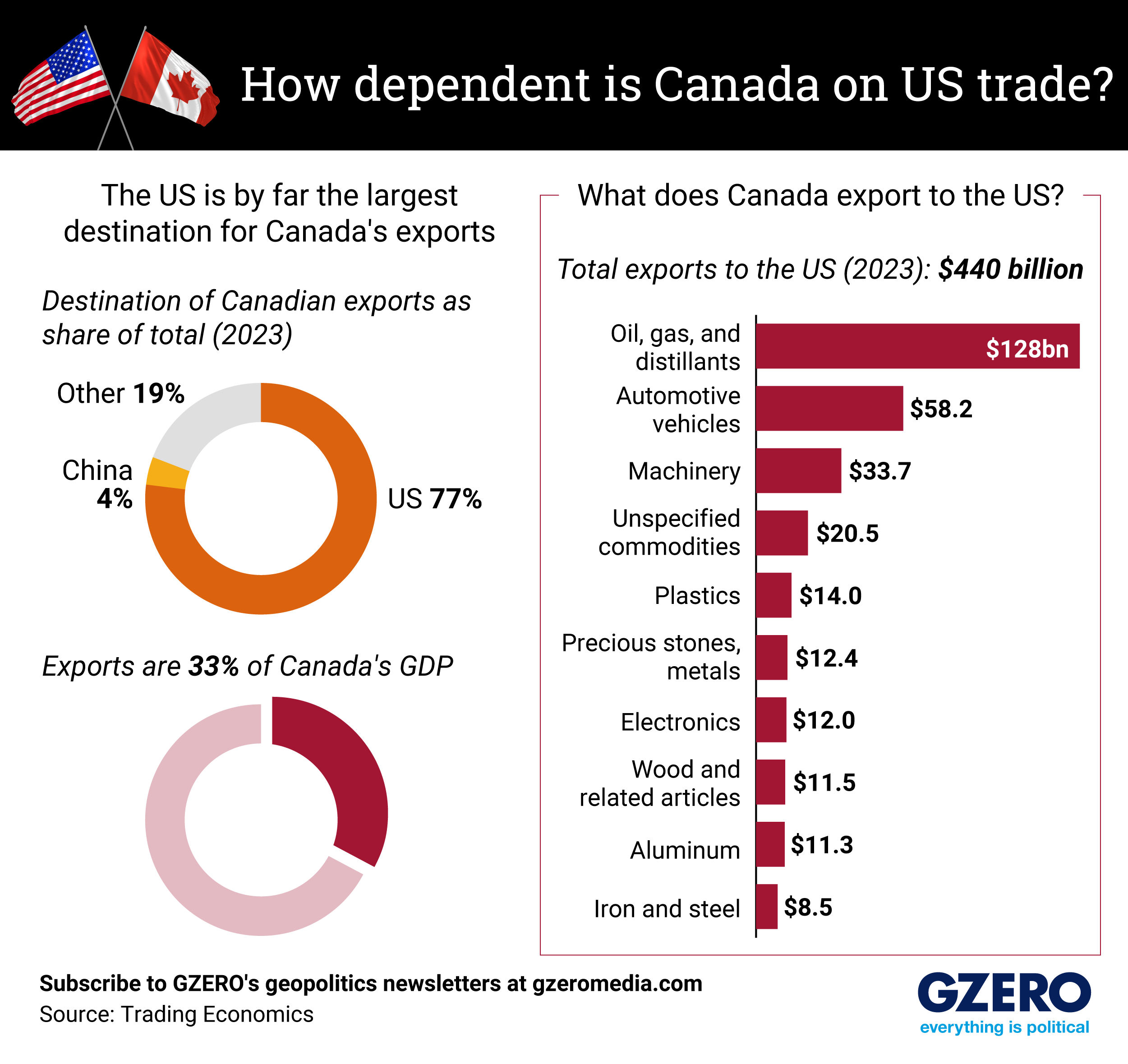
To navigate the financial landscape of North American trade, one must look beyond the headlines of the United States-Mexico-Canada Agreement (USMCA)—known in Canada as CUSMA—and examine the specific sectors where Canada maintains protective barriers against U.S. goods. These tariffs are rarely arbitrary; they are strategic financial tools designed to protect domestic industries, manage supply, or respond to U.S. trade policies.
The Framework of North American Trade: Understanding the USMCA
The foundation of the current trade relationship is the USMCA, which replaced the aging North American Free Trade Agreement (NAFTA) in 2020. For most categories of goods, the tariff rate is effectively zero. This duty-free access is the engine of the integrated North American supply chain, allowing for the seamless movement of automotive parts, machinery, and energy products.
The Role of Rules of Origin
From a business finance perspective, “zero tariffs” come with a catch: the Rules of Origin. To qualify for duty-free treatment when entering Canada, a product must prove that a significant percentage of its value was created within North America. If a U.S. company exports a product to Canada that was largely manufactured in Asia and merely assembled in the U.S., Canada may apply “Most Favored Nation” (MFN) tariff rates. For financial controllers, this necessitates rigorous documentation and supply chain auditing to avoid unexpected customs costs that can erode net income.
De Minimis Thresholds and E-commerce
For small business owners and side hustlers selling into the Canadian market, the “De Minimis” threshold is a critical financial figure. Under the USMCA, Canada increased its threshold for duty-free imports. Currently, goods valued at up to CAD $40 are exempt from both duties and taxes (GST/HST), while goods valued up to CAD $150 are exempt from duties but still subject to sales taxes. Understanding these limits is vital for pricing strategies in the cross-border e-commerce space.
The “Supply Management” Fortress: Dairy, Poultry, and Eggs
The most significant and contentious tariffs Canada maintains against the U.S. are found in the “Supply Management” system. This is a Canadian federal policy that controls the production and price of dairy, poultry, and eggs to ensure stable income for farmers. To protect this internal system, Canada employs “Tariff Rate Quotas” (TRQs).
The Dairy Dispute
Dairy remains the primary flashpoint in US-Canada financial relations. While the USMCA granted U.S. farmers slightly more access to the Canadian market, Canada still applies astronomical tariffs once certain volume quotas are met. For instance, over-quota tariffs on U.S. milk can exceed 200%, and on butter, they can soar above 300%. For U.S. agricultural exporters, these are not just taxes; they are effective embargoes.
Poultry and Egg Quotas
Similar to dairy, Canada limits the influx of U.S. chicken, turkey, and eggs. These TRQs are designed to prevent U.S. producers—who benefit from larger scales of economy—from flooding the Canadian market and driving down prices. For investors in the agribusiness sector, these barriers represent a “moat” around the Canadian market, insulating domestic companies like Saputo or Maple Leaf Foods from full-scale U.S. competition while limiting the growth potential of U.S. giants like Tyson Foods in the region.
Industrial Friction: Softwood Lumber and Metal Tariffs
While agricultural tariffs are permanent fixtures of Canadian policy, industrial tariffs often fluctuate based on political climate and retaliatory actions. These “Money” movers are critical for those invested in construction, manufacturing, and commodities.
The Softwood Lumber Conflict
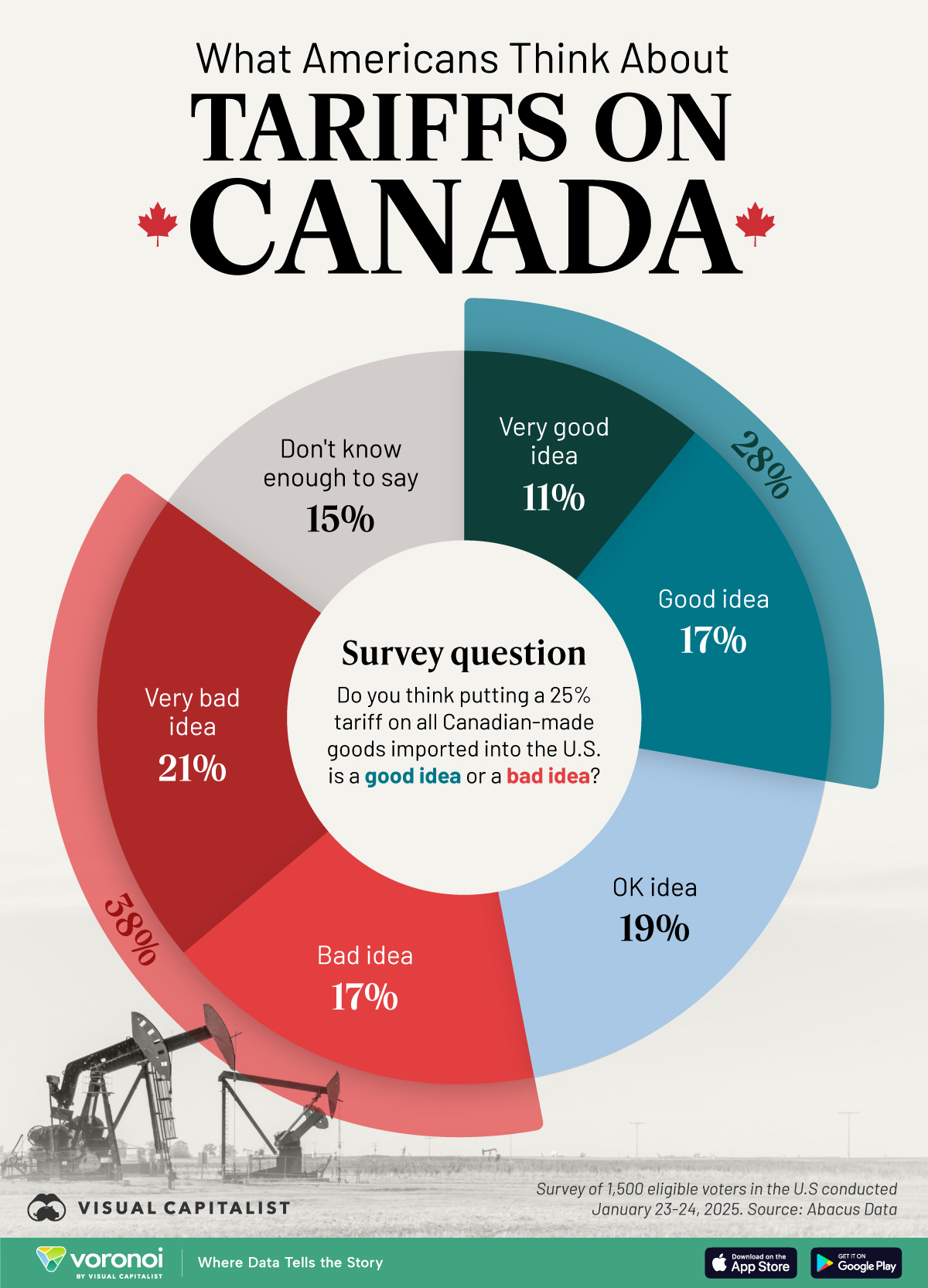
Perhaps the longest-running trade dispute in history involves Canadian softwood lumber. While the U.S. frequently imposes duties on Canadian lumber, Canada often responds with legal challenges through the WTO or USMCA panels. When the U.S. increases duties on Canadian wood, it drives up construction costs in the U.S. Conversely, any Canadian retaliatory measures on U.S. building materials can tighten margins for U.S. exporters. Financial analysts must track these cycles, as they directly impact the stock performance of homebuilders and REITs.
Steel and Aluminum: The Section 232 Legacy
In 2018, under Section 232 of the Trade Expansion Act, the U.S. imposed 25% tariffs on steel and 10% on aluminum from Canada, citing national security. Canada responded with dollar-for-dollar retaliatory tariffs on $12.5 billion worth of U.S. goods. While these specific tariffs were largely lifted in 2019, the mechanism remains. Canada maintains the right to “snap back” tariffs if it perceives a surge in U.S. exports that threatens its domestic metals industry. For corporate treasurers, this introduces a “geopolitical risk premium” when sourcing raw materials or planning long-term infrastructure projects.
Digital Services and the New Frontier of Taxation
As the economy shifts from physical goods to digital services, the definition of a “tariff” is evolving. Canada’s recent implementation of a Digital Services Tax (DST) is viewed by many U.S. policymakers as a de facto tariff on U.S. tech giants.
The Digital Services Tax (DST)
The Canadian government has moved forward with a 3% tax on revenue earned by large technology companies from digital services that rely on Canadian data or users. This affects U.S.-based entities like Alphabet, Amazon, and Meta. While categorized as a tax, the U.S. Trade Representative (USTR) often treats such measures as discriminatory trade barriers, potentially triggering retaliatory tariffs on Canadian goods. For those with high exposure to the Nasdaq or U.S. tech stocks, the escalation of this “tax war” could lead to increased operational costs and downward pressure on valuations.
Retaliatory Lists and Consumer Goods
When trade disputes escalate, Canada’s Department of Finance typically publishes a “retaliatory list.” These lists often target politically sensitive U.S. products that have nothing to do with the original dispute. Past lists have included U.S.-made ketchup, Kentucky bourbon, orange juice, and lawnmowers. For retail businesses and distributors, these “Money” shocks can happen overnight, forcing a rapid restructuring of supply chains or a direct pass-through of costs to the Canadian consumer.
Financial Strategies for Navigating Canada-US Tariffs
In an era of economic nationalism, the “set it and forget it” approach to cross-border trade is no longer viable. Financial professionals and business owners must adopt proactive strategies to mitigate the impact of Canadian tariffs and trade barriers.
1. Supply Chain Diversification
For companies reliant on goods that fall under Canadian TRQs or high-tariff categories, diversification is key. This might involve setting up Canadian-based subsidiaries to handle “final stage” processing, which can sometimes alter the origin status of a product, or sourcing components from other USMCA partners (Mexico) where the cost-benefit analysis is more favorable.
2. Utilizing Duty Drawback Programs
Both the U.S. and Canada offer “duty drawback” programs. If a U.S. company pays a tariff to import a component, and that component is later exported as part of a finished product, they may be eligible for a refund of those duties. This is an often-overlooked area of corporate finance that can recover millions of dollars in trapped capital.
3. Hedging Currency and Commodity Risk
Tariffs rarely act in isolation; they are usually accompanied by currency volatility. When Canada announces retaliatory tariffs, the CAD/USD exchange rate often reacts. Investors should use currency forwards or options to hedge against the fluctuations that occur when trade tensions rise. Similarly, commodity futures can protect against price spikes in lumber, steel, or dairy caused by new trade restrictions.

4. Strategic Pricing and Market Positioning
If your product is subject to a 10% or 20% Canadian tariff, your pricing model must be elastic. High-end brands may be able to absorb the cost to maintain market share, while low-margin commodity businesses may need to exit the market or find local partners. From a personal finance perspective, Canadian consumers often pay a “border premium” for U.S. goods, a factor that must be weighed when evaluating the potential for U.S. retail expansion into Canada.
The financial relationship between Canada and the U.S. is a masterpiece of economic integration, yet it remains punctuated by strategic barriers. Whether it is the 200%+ duties on dairy or the emerging complexities of digital taxes, tariffs are a permanent feature of the landscape. For the savvy investor and the disciplined business leader, these tariffs are not just obstacles—they are data points that, when properly analyzed, reveal the true cost of doing business in the North American market. In the world of money, knowing exactly what Canada “has on us” is the first step toward protecting your capital and ensuring long-term growth.
aViewFromTheCave is a participant in the Amazon Services LLC Associates Program, an affiliate advertising program designed to provide a means for sites to earn advertising fees by advertising and linking to Amazon.com. Amazon, the Amazon logo, AmazonSupply, and the AmazonSupply logo are trademarks of Amazon.com, Inc. or its affiliates. As an Amazon Associate we earn affiliate commissions from qualifying purchases.