
In the world of personal finance, we often focus on high-level strategies like diversified portfolios, high-yield savings accounts, and tax-advantaged retirement vehicles. However, wealth preservation also occurs at the micro-level—specifically in the management of tangible assets. For many professionals and entrepreneurs, a wardrobe is more than just a collection of garments; it is a significant capital investment. When a permanent marker bleeds through a pocket or a rogue stroke ruins a bespoke blazer, it represents a direct hit to your net worth.
Understanding the mechanics of stain removal is a critical skill for the fiscally conscious individual. It transforms a total loss into a recoverable asset. Whether you are a parent trying to save a child’s school uniform or a “side hustler” flipping vintage apparel for profit on platforms like Poshmark or Depop, the ability to remove permanent ink is a form of financial arbitrage. This guide explores the most cost-effective methods to neutralize ink damage, ensuring your clothing retains its valuation and longevity.
The Economics of Wardrobe Preservation
Before diving into the chemical solutions, it is essential to frame stain removal within the context of personal finance. Every piece of clothing in your closet has a “cost per wear” (CPW). If you purchase a high-quality wool coat for $500 and wear it 100 times, your cost per wear is $5. If that coat is ruined by a permanent marker after only five wears, your CPW skyrockets to $100, representing a catastrophic failure of asset utility.
Permanent marker stains are traditionally viewed as “terminal” for fabric. Unlike water-based inks, permanent markers utilize pigments or dyes suspended in a non-polar solvent, often combined with a resin to ensure the mark adheres to the surface indefinitely. For the average consumer, the immediate reaction is to discard the item and buy a replacement. However, from a money-management perspective, this is a needless expenditure of capital. By applying a few cents’ worth of household solvents, you can protect the hundreds of dollars invested in the garment.
The Value of Resale and the “Thrift Flip” Economy
For those engaged in the burgeoning resale market, permanent marker removal is a foundational business skill. Professional resellers often find high-value “luxury” items at thrift stores marked down significantly because of a “permanent” ink stain or a price written directly on the fabric with a marker. If you can acquire a $300 designer shirt for $10 due to a stain and remove that stain for less than $1 in materials, you have created $290 in equity through specialized labor. In this niche, the chemistry of cleaning is directly correlated to your profit margins.
Low-Cost Solvent Analysis: Professional Results on a Budget
In financial planning, we prioritize efficiency. When it comes to removing permanent marker, you do not need expensive, branded “stain removers” that come with high marketing markups. Instead, you should look toward industrial and household staples that offer high efficacy at a fraction of the cost.
Isopropyl Alcohol: The Gold Standard for ROI
The most effective and cost-efficient tool in your arsenal is Isopropyl Alcohol (rubbing alcohol). Because permanent marker is solvent-based, it requires a similar solvent to break the bond between the pigment and the fabric fibers.
From a financial standpoint, Isopropyl Alcohol is an incredible asset. A standard bottle costs roughly $2 to $3 and can treat dozens of stains. To use it effectively, place a paper towel (an absorbent “sink”) underneath the stained fabric. Blot the stain with a cotton ball soaked in alcohol. You will see the ink begin to “bleed” into the paper towel. This process—transferring the stain from the high-value asset to a zero-value disposable medium—is the key to successful restoration.
Ethanol-Based Hand Sanitizers
In a pinch, particularly when traveling for business, hand sanitizer serves as a viable substitute. Most high-quality sanitizers contain at least 60% to 70% alcohol. While the gel consistency adds a layer of complexity to the rinsing process, the core chemical reaction remains the same. For the mobile professional, utilizing a resource already on hand prevents the need to purchase emergency replacement clothing, thereby protecting the travel budget.
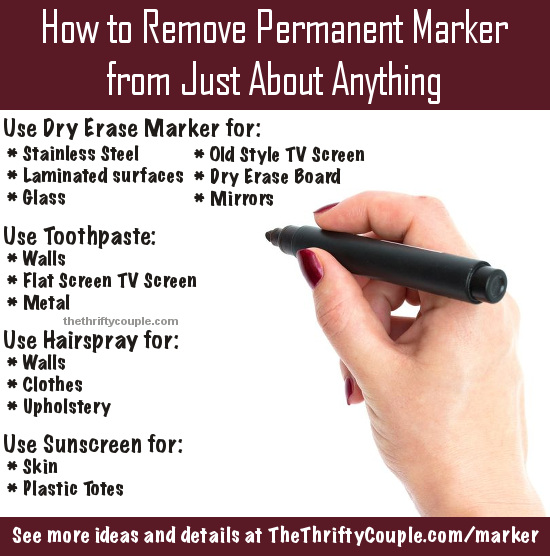
The Hairspray Hack: A Legacy Solution
Historically, hairspray was the go-to recommendation for ink removal. However, it is important to note the “inflation” of ingredients. Modern hairsprays often contain less alcohol and more conditioning agents than they did twenty years ago. If you are using hairspray as a financial save, ensure it is an inexpensive, high-alcohol aerosol brand. The cheaper the hairspray, the more likely it is to contain the harsh solvents necessary to break down the resin in permanent markers.

Strategic Treatment Based on Fabric Valuation
Not all fabrics are created equal, and a one-size-fits-all approach can lead to further financial loss. Effective asset management requires a tailored strategy based on the material’s sensitivity and replacement cost.
Synthetic Fibers and Cotton Blends
Cotton and polyester are relatively resilient. These fabrics can withstand more vigorous blotting and higher concentrations of alcohol. For these items, the risk of “fiber degradation” is low, making DIY removal a high-probability success. When dealing with high-volume items like t-shirts or work chinos, the time-to-value ratio is excellent.
High-Value Delicates: Silk and Wool
This is where the financial stakes are highest. A silk blouse or a cashmere sweater requires a more cautious “risk management” approach. Alcohol can occasionally strip dyes from delicate natural fibers, leading to “color lifting,” which is just as damaging as the original stain.
In these cases, the prudent financial move is to perform a spot test on an inconspicuous area, such as an interior seam. If the dye remains stable, proceed with extreme caution. If there is any doubt, the most fiscally responsible decision may be to consult a professional dry cleaner. While this incurs a higher upfront cost ($10-$30), it is a form of “insurance” against the total loss of a $200+ garment.
The Role of Acetone and Non-Oily Nail Polish Removers
Acetone is a powerful solvent often found in nail polish removers. While it is incredibly effective at dissolving permanent marker, it is also a “corrosive” to certain synthetic fabrics like acetate or triacetate. Using acetone on these fabrics will literally melt the fibers, turning a stain into a hole. Before using acetone, check the care label. If the fabric is a sturdy natural fiber like heavy denim or canvas, acetone can be a fast-track to restoration, but its use must be strictly governed by the material’s chemical profile.
Professional Cleaning vs. DIY: A Cost-Benefit Analysis
In business, we often face the “Make vs. Buy” decision. In the context of clothing maintenance, this is the “DIY vs. Professional” dilemma. To make the correct financial choice, you must evaluate the following variables:
- Replacement Cost: If the item costs less than $50, the risk of a DIY mistake is low compared to the potential saving.
- Solvent Cost: Do you already own the materials, or must you buy them?
- Time Value: How much is your time worth? If it takes two hours to remove a stain from a $20 shirt, and your hourly rate is $50, you have effectively “spent” $100 to save $20. This is a poor return on investment.
- Success Probability: How deep is the stain? Is it on a visible area like the collar?
Generally, for daily wear and mid-tier professional attire, DIY removal using Isopropyl Alcohol is the most economically sound path. For high-end luxury goods or items with sentimental value that cannot be replaced, the dry cleaner’s specialized chemical cabinet is worth the premium.
Conclusion: Maintenance as a Wealth-Building Strategy
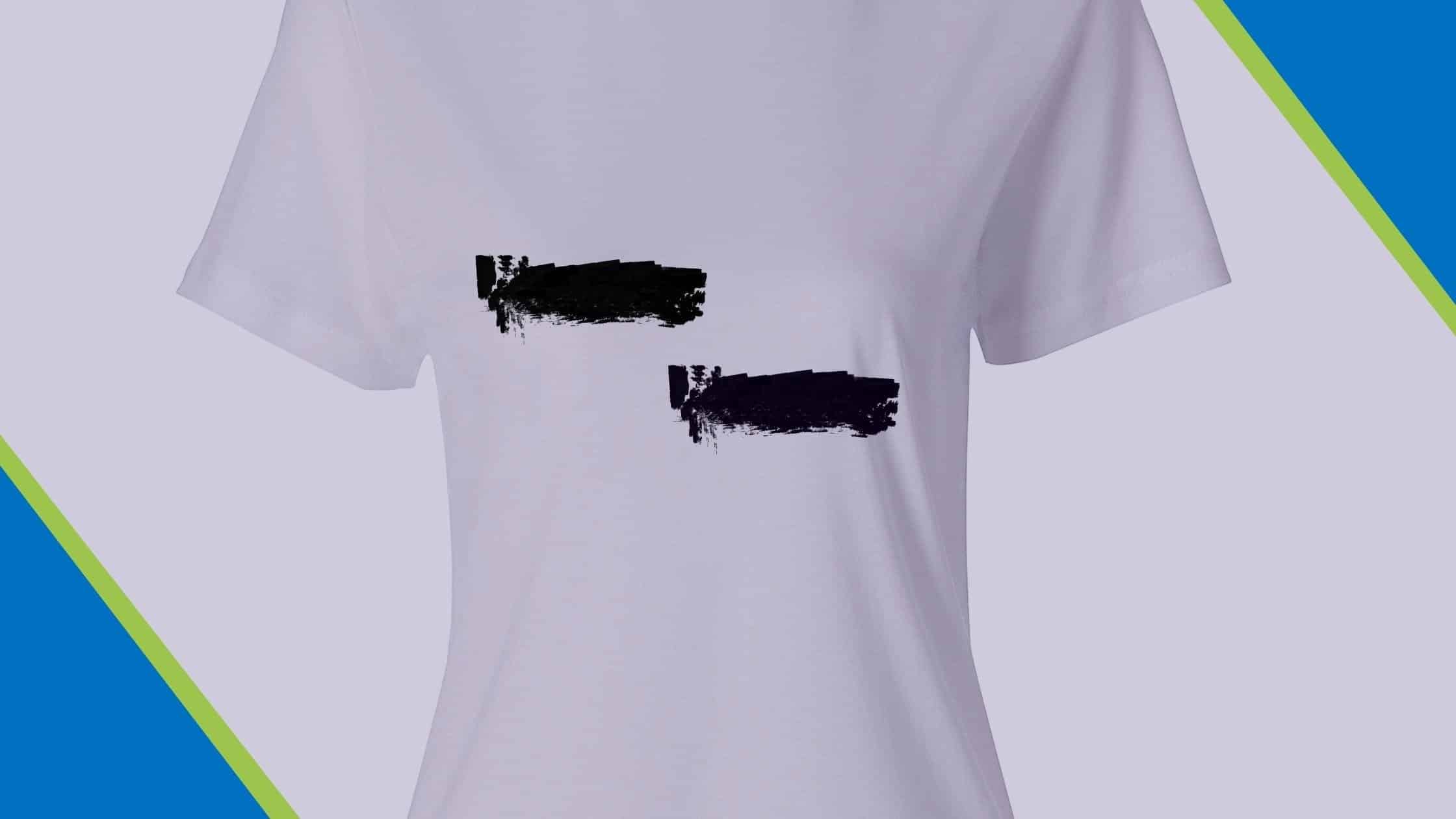
The ability to take permanent marker out of clothes is more than a household tip; it is a micro-habit of the wealthy. Wealth is built not just by what you earn, but by what you keep. By mastering the art of garment restoration, you reduce your personal inflation—the need to constantly spend post-tax dollars on replacing items that could have been saved.
Investing in a small “stain kit” (alcohol, microfiber cloths, and a soft brush) is a low-cost hedge against the inevitable accidents of life. Whether you are protecting your corporate image or maximizing the margins on a side business, treating your wardrobe as a portfolio of assets will serve your long-term financial health. In the economy of the future, sustainability and preservation are the ultimate luxury, and knowing how to reverse “permanent” damage is the ultimate skill.
aViewFromTheCave is a participant in the Amazon Services LLC Associates Program, an affiliate advertising program designed to provide a means for sites to earn advertising fees by advertising and linking to Amazon.com. Amazon, the Amazon logo, AmazonSupply, and the AmazonSupply logo are trademarks of Amazon.com, Inc. or its affiliates. As an Amazon Associate we earn affiliate commissions from qualifying purchases.