
The unexpected splash of paint on clothing can elicit an immediate wave of frustration, but beyond the initial annoyance lies a significant financial consideration. What seems like a minor mishap can quickly escalate into an unforeseen expense, ranging from the cost of specialized cleaning products to the full replacement value of a cherished garment. Understanding the most effective and cost-efficient strategies for removing paint from clothes isn’t just about preserving fabric; it’s about safeguarding your personal finance and maximizing the return on your wardrobe investment.
The Monetary Impact of Paint Stains: Why Timely Action Saves Money
A paint stain is more than just an aesthetic flaw; it’s a direct threat to the financial value of your clothing. Procrastination or incorrect treatment methods can quickly turn a salvageable item into a write-off, forcing unplanned expenditures that impact your budget.
Preserving Your Wardrobe Investment
Every item in your closet, from a casual t-shirt to a high-end suit, represents a financial outlay. When paint compromises a garment, you risk losing that initial investment. For instance, a quality pair of jeans might cost $80-$150, a work blouse $40-$100, and a branded jacket several hundred dollars. If a paint stain renders these items unwearable, the cost isn’t just the inconvenience; it’s the necessity of replacing them sooner than planned. This accelerates your wardrobe’s depreciation cycle and necessitates an immediate, often unplanned, cash outflow. For work uniforms, the cost can be even higher, as specialized apparel may be expensive to replace, impacting not only personal finance but potentially professional appearance. By effectively removing paint, you extend the life cycle of your clothing, deferring replacement costs and ensuring your investment continues to provide value.
Avoiding Escalating Professional Cleaning Fees
The financial prudence of immediate action cannot be overstated when dealing with paint stains. A fresh, wet paint stain is significantly easier and cheaper to address at home than a dried, set-in one. Delaying treatment allows the paint to cure and bond more deeply with the fabric fibers, turning a simple DIY task into a potential dry-cleaning challenge. Professional cleaners charge based on the difficulty and time required for stain removal. A complex, dried paint stain will invariably command a higher fee than a simple spot treatment, potentially adding $20-$50 or more to the standard cleaning cost. In some cases, the cost of professional remediation for a stubborn stain can approach or even exceed the original purchase price of the garment, making a home-based, prompt intervention the financially superior choice. Understanding this dynamic empowers you to save money by tackling the issue before it escalates into a costly professional service.
Budget-Friendly DIY Solutions: Maximizing Savings with Household Items
Leveraging common household items for paint removal is a cornerstone of financially savvy wardrobe maintenance. These methods minimize out-of-pocket expenses while often proving remarkably effective.
Water-Based Paints (Latex/Acrylic): Leveraging Everyday Essentials
Water-based paints, such as latex or acrylic, are the most common culprits for clothing stains and, thankfully, the most financially advantageous to remove if caught wet. The key is immediate action. For fresh stains, simply rinse the affected area under warm running water from the reverse side of the fabric. This pushes the paint out rather than deeper in. Follow up by working a small amount of liquid dish soap – an item almost universally present in homes – into the stain with your fingers or a soft brush. Dish soap acts as an excellent degreaser and emulsifier, breaking down the paint pigments. Rinse thoroughly and repeat if necessary. For slightly older, but not fully dried, stains, a solution of warm water mixed with a tablespoon of white vinegar (another inexpensive household staple) can help loosen the paint before applying dish soap. The cost incurred here is virtually zero, leveraging existing resources to save the full replacement cost of the garment.
Oil-Based Paints and Enamels: Cost-Benefit of Targeted Solvents
Oil-based paints present a greater challenge and often require specific solvents, which represent a minor investment compared to the garment’s value. Solvents like mineral spirits, turpentine, or paint thinner are effective. Before purchasing, assess the garment’s worth: is a $5-$10 investment in a small can of solvent justified for a $100 shirt? Typically, the answer is yes. To use, apply a small amount of the chosen solvent to a clean cloth and gently blot the stain from the outside in. Avoid rubbing, which can spread the paint. As paint transfers to the cloth, use a clean section. After the paint is mostly gone, dab with a clean cloth soaked in warm, soapy water to remove solvent residue, then wash as usual. When working with solvents, consider the ‘cost’ of safety: adequate ventilation and protective gloves are non-negotiable to prevent health issues, which carry a far greater financial burden in the long run.
Conquering Dried Paint: Resourceful and Economical Approaches
Dried paint stains, while more challenging, are not always a lost cause, and several economical DIY methods can be employed.
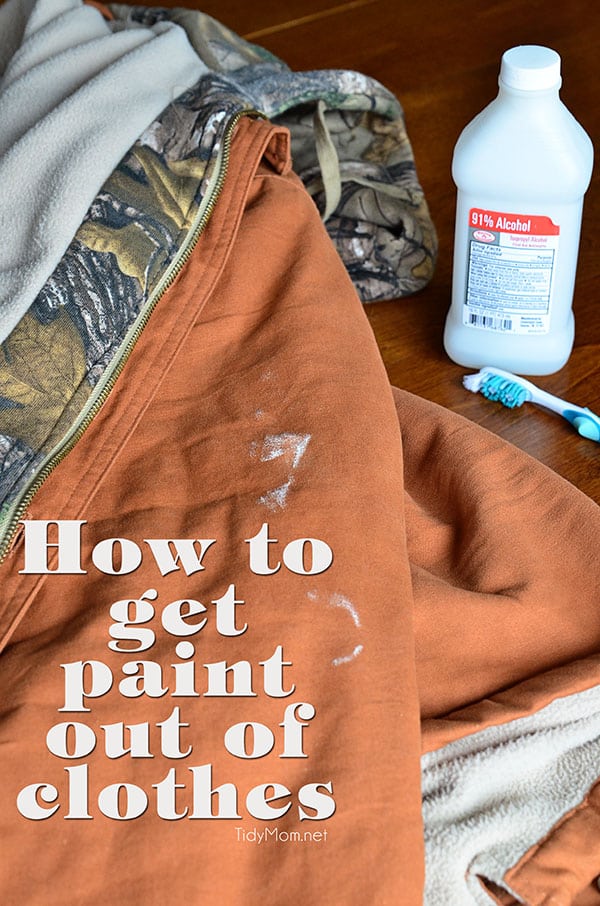
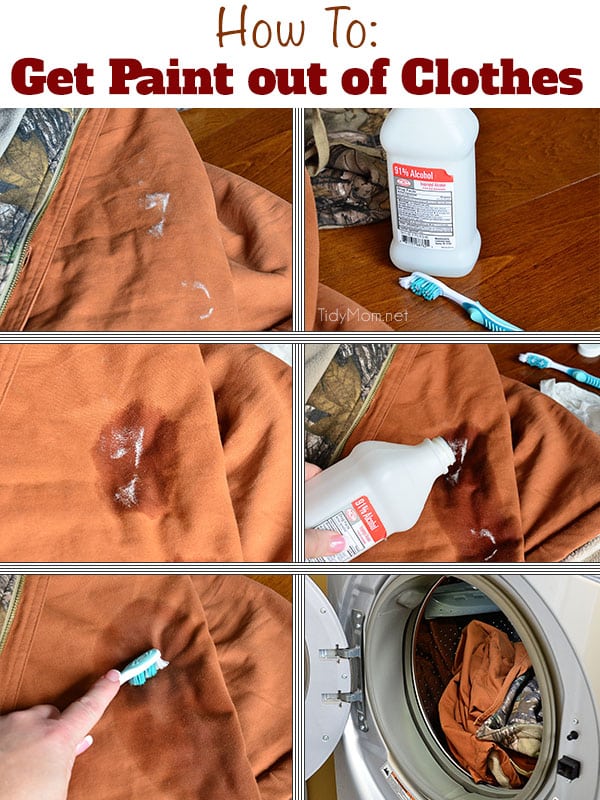
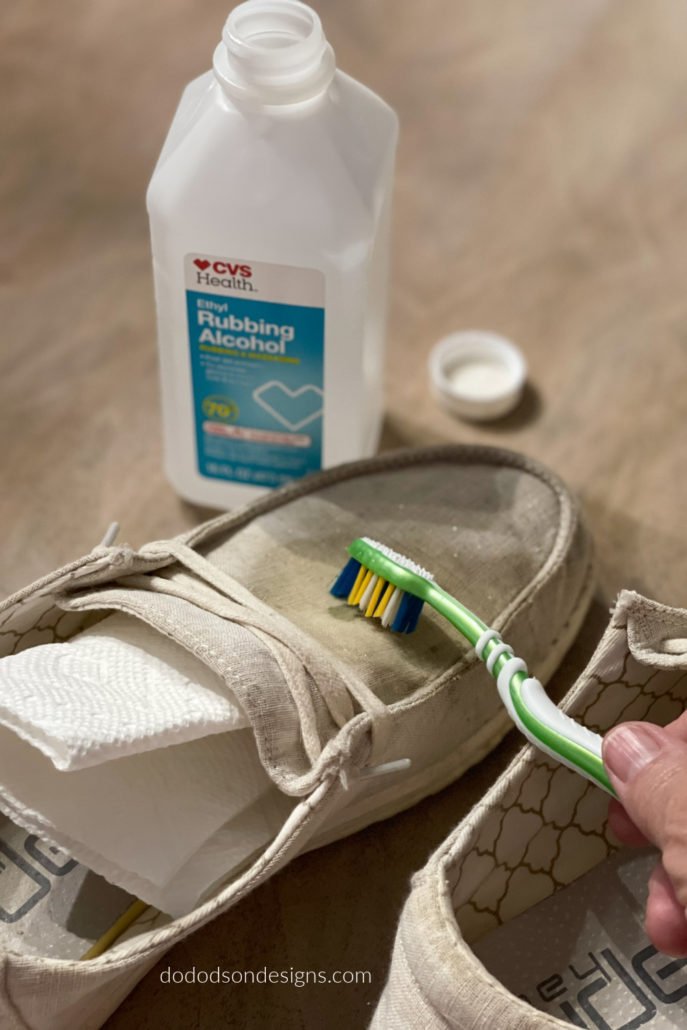
For water-based paints, softening the dried paint first can significantly aid removal. Applying a solution of rubbing alcohol (typically less than $5 a bottle), hairspray (many already have it), or even a specialized paint remover like Goo Gone (often under $10) can help break down the dried film. Apply the chosen product to saturate the dried paint, letting it sit for several minutes to an hour. Then, use an old toothbrush or a dull knife to gently scrape or pick away the loosened paint. This mechanical action, combined with the solvent, can be surprisingly effective.
For dried oil-based paint, a stronger solvent like acetone (found in nail polish remover, often under $5) can be effective, but caution is paramount due to its potency and potential to damage synthetic fabrics or certain dyes. Always perform a patch test on an inconspicuous area first. This small, precautionary ‘investment’ of time and a tiny amount of product can prevent an irreversible financial loss from a ruined garment. The overarching financial wisdom here is to try the least aggressive and most cost-effective methods first, escalating only if necessary.
Strategic Investment in Specialized Products vs. Generic Solutions
While household items are often the first line of defense, there are instances where investing in a specialized product offers a superior financial return by ensuring effective, safe removal and preventing costly damage.
Commercial Stain Removers: A Value Proposition Analysis
The market is saturated with commercial stain removers promising miraculous results. For paint stains, certain formulations are highly effective and can be a wise investment, particularly for valuable garments or challenging paint types. Products specifically designed for paint or heavy-duty stains, often costing between $5-$15, contain stronger surfactants or unique solvent blends tailored to break down paint polymers without harming fabric.
When considering a purchase, perform a cost-benefit analysis:
- Guaranteed Efficacy: Does the product offer a higher probability of successful removal compared to a DIY approach, especially for stubborn or dried stains? A higher success rate means less risk of replacement.
- Fabric Safety: Is the product designed to be safe for a wider range of fabrics, reducing the risk of discoloration or damage that could lead to a greater financial loss?
- Cost Per Use: While a bottle might cost more than dish soap, if it removes a complex stain from an expensive item in one attempt, its cost per use (relative to the garment’s value) is minimal.
For high-value items or cherished garments where the risk of damage from a generic solution is too high, a targeted commercial stain remover becomes an “insurance policy,” protecting your investment for a relatively small premium.
The Cost of Fabric Damage: Why “Cheapest” Isn’t Always Economical
In the realm of stain removal, the cheapest solution isn’t always the most economical. Using inappropriate chemicals or aggressive scrubbing can lead to irreparable damage:
- Discoloration: Strong solvents or bleaching agents might remove the paint but also strip the fabric’s dye, leaving a permanent faded or discolored patch.
- Fabric Weakening: Harsh chemicals can degrade fabric fibers, leading to holes, thinning, or tears, particularly in delicate materials like silk, rayon, or certain synthetics.
- Shrinkage or Stretching: Incorrect temperatures or chemical reactions can cause irreversible changes to the garment’s size and shape.
Any of these damages render the garment unwearable, forcing an unplanned replacement. Investing a few extra dollars in a fabric-safe, specialized paint remover or even opting for professional cleaning from the outset for delicate items is often a financially superior decision. It’s a proactive measure against a much larger potential loss, ensuring that your attempt to save money on cleaning doesn’t end up costing you the entire garment.
Calculating the Break-Even: DIY vs. Professional Dry Cleaning Services
Deciding whether to tackle a paint stain yourself or send it to a professional cleaner is a crucial financial decision. Understanding the factors that determine this break-even point can save you significant money in the long run.
When to Outsource: A Cost-Benefit Calculation
The decision to enlist professional help for paint removal should be a calculated one, balancing the garment’s value against the cost and likelihood of successful DIY removal. Consider these factors:
- Garment Value: For an inexpensive t-shirt, professional cleaning might not be economically viable. However, for a $200 suit, a $30-$50 professional cleaning fee is a reasonable investment to save the garment.
- Fabric Type: Delicate fabrics like silk, wool, rayon, or suede are often best left to professionals. The risk of irreversible damage from DIY methods is high, leading to a greater financial loss than the cleaning fee.
- Type and Age of Paint: Dried, oil-based paints on intricate fabrics are far more challenging and riskier for home treatment. Professionals have access to industrial-grade solvents and techniques that are more effective and safer for the fabric.
- Complexity of Stain: A large, saturated stain covering a significant area of a garment will likely require more extensive treatment than a small speck.
- Sentimental Value: While not purely financial, items with high sentimental value often warrant professional care to maximize the chances of preservation, irrespective of monetary cost.
The break-even point occurs when the estimated cost of professional cleaning is significantly less than the replacement cost of the item, especially when considering the high probability of successful removal and the low risk of damage compared to DIY attempts.
Long-Term Financial Health of Your Wardrobe
Beyond immediate stain removal, cultivating habits that prevent future stains is the ultimate financial strategy for wardrobe maintenance. This includes:
- Wearing Protective Clothing: When undertaking any painting project, always wear old clothes or a dedicated paint-smeared apron. This simple, free step prevents virtually all paint-on-clothing mishaps.
- Proper Storage: Store paints securely to prevent accidental spills.
- Understanding Fabric Care Labels: Knowing how to properly care for your garments extends their life and reduces the risk of damage during cleaning attempts, whether DIY or professional.
By adopting these preventative and informed care practices, you not only avoid the immediate financial drain of paint removal or replacement but also contribute to the long-term financial health of your entire wardrobe. This holistic approach ensures that your clothing investment continues to serve you effectively and economically for years to come.
aViewFromTheCave is a participant in the Amazon Services LLC Associates Program, an affiliate advertising program designed to provide a means for sites to earn advertising fees by advertising and linking to Amazon.com. Amazon, the Amazon logo, AmazonSupply, and the AmazonSupply logo are trademarks of Amazon.com, Inc. or its affiliates. As an Amazon Associate we earn affiliate commissions from qualifying purchases.