
The question of “what style of poetry is most popular” often elicits subjective answers, deeply rooted in personal preference and cultural context. However, from a brand strategy perspective, popularity is not merely about aesthetic appeal; it’s a measurable outcome of effective audience engagement, strategic positioning, and a resonant brand identity. Analyzing the “popularity” of poetry styles requires us to look beyond literary critique and delve into the dynamics of market appeal, community building, and sustained relevance. Just as a product or service captures market share, certain poetic styles capture the collective imagination, becoming a cultural touchstone through identifiable characteristics and astute dissemination.
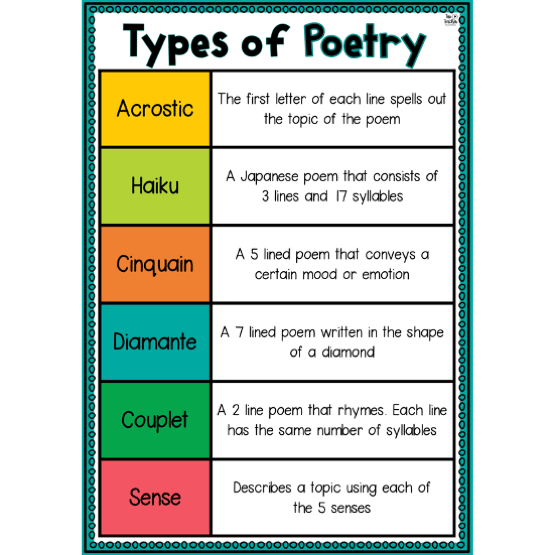
The Brand of Poetic Voice: Understanding Audience Resonance
At its core, a popular poetry style, much like a successful brand, establishes a distinctive voice that resonates deeply with its target audience. This resonance is not accidental; it’s the result of inherent qualities that make a style accessible, relatable, and emotionally impactful. The ‘brand’ of a poetic style is built on how effectively it communicates its values and aesthetic principles to a broad readership.
Accessibility and Immediate Connection
A significant factor in any brand’s popularity is its accessibility. For poetry, this often translates to clarity of language, straightforward syntax, and themes that are universally understood or acutely felt. Styles that prioritize direct communication over intricate metaphor or dense allusion tend to cast a wider net. Contemporary free verse, for example, often eschews traditional meter and rhyme schemes, adopting a conversational tone that mirrors everyday speech. This “democratization” of poetic form allows readers to connect with the content without feeling intimidated by complex structures or arcane references. It’s akin to a brand opting for a minimalist, user-friendly interface that lowers the barrier to entry, inviting immediate engagement rather than demanding specialized knowledge. This directness fosters a sense of intimacy, making the poetry feel less like an academic exercise and more like a personal dialogue, which significantly boosts its widespread appeal.
Authenticity and Relatability as Core Values
Beyond mere accessibility, the most enduringly popular styles possess a strong sense of authenticity. Readers, much like consumers, seek genuine experiences and narratives that reflect their own lives or offer profound insights into the human condition. Poetry that tackles universal themes—love, loss, identity, social justice, mental health—in an honest and unvarnished manner tends to resonate powerfully. The rise of confessional poetry, and more recently, the widespread embrace of Instagram poetry, are prime examples. These styles often feature personal narratives, raw emotions, and a vulnerability that creates an almost immediate bond between the poet and the reader. This emotional connection is a powerful brand asset; it builds loyalty and encourages advocacy, turning readers into enthusiastic proponents who share and promote the work. When a poetic style embodies relatability as a core value, it establishes a trustworthy and empathetic brand persona that fosters deep, lasting connections.
Marketing the Muse: How Styles Gain Traction
Popularity in poetry, as in any cultural domain, is rarely organic in isolation. It is significantly influenced by effective distribution channels, strategic showcasing, and the cultivation of a vibrant community. The ‘marketing’ of a poetic style involves leveraging various platforms and gatekeepers to amplify its reach and solidify its cultural presence.
Digital Platforms and Community Building
In the contemporary landscape, digital platforms have become indispensable for the propagation of poetic styles. Social media, personal blogs, online literary magazines, and self-publishing platforms have democratized the dissemination of poetry, bypassing traditional gatekeepers and allowing new styles to emerge and flourish rapidly. Instagram, Tumblr, and TikTok have been particularly instrumental in the rise of “Instapoetry,” characterized by its short, visually appealing format, often accompanied by striking imagery. This format is perfectly optimized for digital consumption, encouraging quick sharing and viral spread. The ability to build immediate communities around shared aesthetic preferences or thematic interests is a powerful driver of popularity. Poets acting as their own brand managers can cultivate direct relationships with their audience, solicit feedback, and adapt their style to better meet reader expectations, fostering a dynamic and responsive brand ecosystem. These platforms not only distribute content but also facilitate interaction, turning passive readers into active participants and advocates, crucial for building a robust brand following.
Influencer Poets and Curatorial Gatekeepers
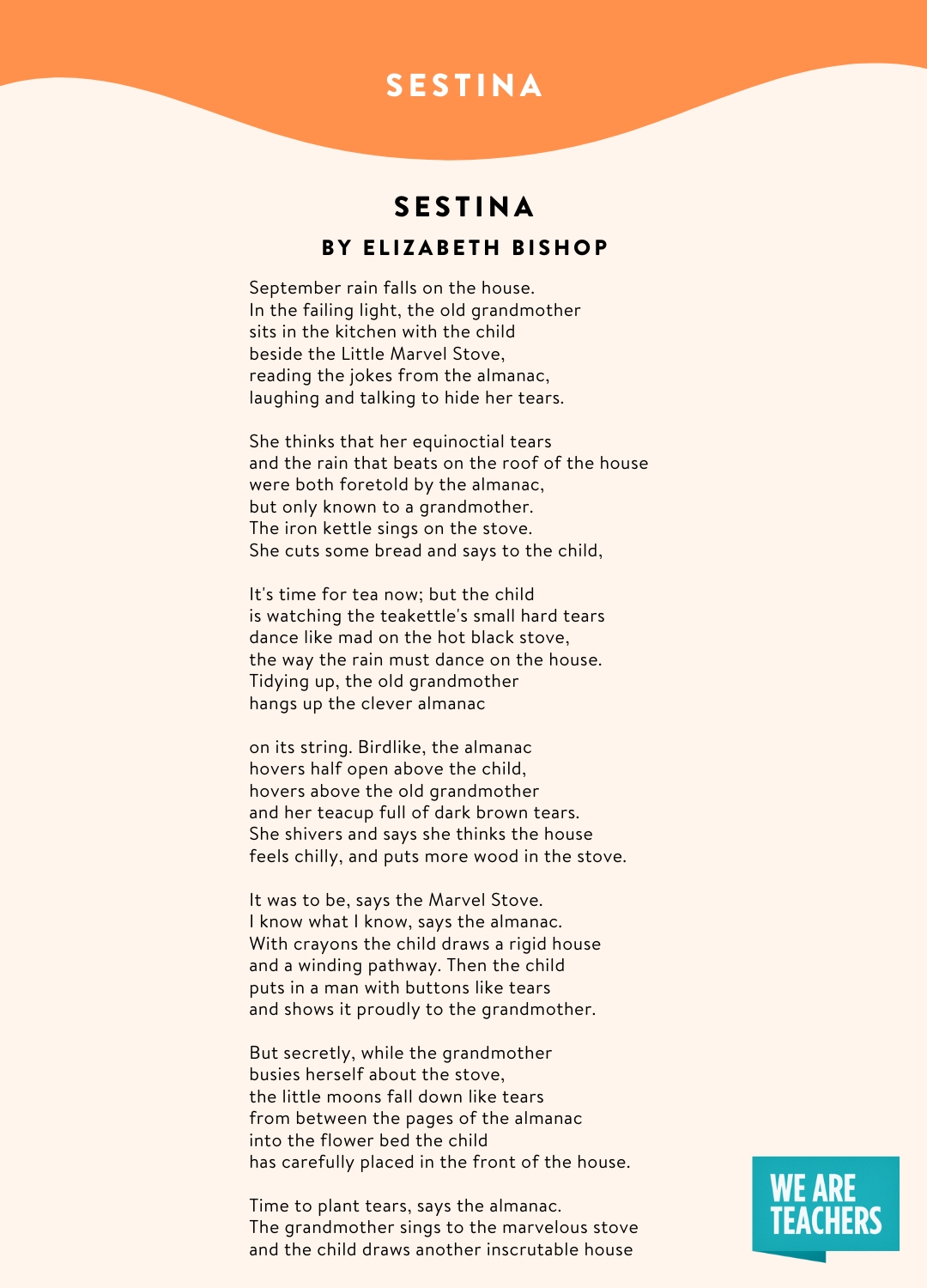
Just as brand ambassadors drive product visibility, “influencer poets” and influential literary figures or institutions play a crucial role in validating and promoting certain poetic styles. When a widely respected poet adopts a particular style or an influential literary journal champions a new movement, it confers a stamp of legitimacy that can significantly boost its popularity. Furthermore, cultural institutions, educational curricula, and awards committees act as curatorial gatekeepers, shaping public perception and directing attention towards certain styles. A style’s inclusion in a major anthology or its featuring in a prominent literary festival can exponentially increase its visibility and perceived value. This strategic endorsement functions much like a celebrity endorsement for a commercial brand, lending credibility and attracting a broader audience who trust the judgment of these established voices. The deliberate selection and promotion by these entities help define what is considered “important” or “fashionable” in the poetry landscape, steering the discourse and shaping public taste.
The Lifecycle of Poetic Trends: Brand Evolution
Poetic styles, like commercial brands, often undergo a lifecycle, moving from niche appeal to mainstream adoption, and requiring continuous innovation to sustain relevance. Understanding this brand evolution is key to deciphering how certain styles maintain their popular standing over time.
From Niche Appeal to Mainstream Adoption
Many poetic styles begin as experimental movements, championed by a small group of innovators or academics. Their initial appeal is often limited to a discerning audience appreciative of their novelty and challenging forms. However, for a style to achieve widespread popularity, it must successfully transition from this niche market to mainstream acceptance. This transition often involves a simplification or popularization of its core tenets, making it more digestible for a broader public. For instance, while modernist poetry was initially radical and complex, elements of its emphasis on individual experience and free verse eventually became more assimilated into mainstream poetic practice. The adoption of specific stylistic elements by more accessible poets or their integration into popular culture (e.g., through music lyrics or spoken word performances) can facilitate this expansion. This process mirrors how niche products, once perfected and simplified, are mass-marketed to appeal to a wider demographic, broadening their brand reach and market penetration.
Sustaining Popularity Through Innovation and Adaptation
Sustaining popularity requires more than initial buzz; it demands continuous innovation and adaptation. A poetic style that remains static risks becoming antiquated or irrelevant. The most popular styles often evolve, incorporating new themes, engaging with contemporary issues, or experimenting with hybrid forms. For example, spoken word poetry, while rooted in ancient oral traditions, continuously reinvents itself through engagement with hip-hop, performance art, and digital media, keeping it fresh and relevant for new generations. Poets working within a popular style may push its boundaries, introducing subtle shifts that keep the ‘brand’ dynamic and responsive to changing cultural landscapes. This strategic evolution ensures that the style continues to offer novelty while retaining its core identity, much like a successful brand that periodically refreshes its product line or marketing campaigns to maintain consumer interest and market leadership. The ability to adapt to new aesthetic demands and societal conversations ensures the style’s enduring vitality and popular appeal.
Crafting a Poetic Brand: Lessons from Enduring Styles
Examining what makes certain poetic styles enduringly popular offers valuable insights into brand building. It highlights the importance of a distinctive identity, strategic distribution, and deep cultural penetration.
Distinctive Identity and Recognizable Features
Every successful brand possesses a clear, distinctive identity, and the same holds true for popular poetic styles. Whether it’s the concise, image-driven nature of haiku, the dramatic narratives of epic poetry, or the rhythmic flow of slam poetry, each popular style is characterized by identifiable features that make it unique and recognizable. This distinctiveness allows readers to easily categorize, understand, and appreciate the style. A strong poetic brand communicates its aesthetic principles and thematic concerns with clarity and consistency, building a recognizable ‘signature’ that differentiates it from others. This is not merely about form; it encompasses thematic preferences, emotional registers, and even the implied relationship between the poet and reader. Cultivating such a distinct identity is paramount for carving out a unique space in the literary market and fostering immediate brand recognition.
Strategic Distribution and Cultural Penetration
Finally, the enduring popularity of a poetic style is heavily reliant on its strategic distribution and ability to achieve deep cultural penetration. This involves more than just publishing; it means being woven into the fabric of education, media, and public discourse. When a style is taught in schools, referenced in popular media, or performed in public spaces, its brand recognition and perceived value increase exponentially. The widespread availability of works in a particular style, through diverse channels from libraries to podcasts, ensures its accessibility and broadens its audience. Furthermore, a style achieves true cultural penetration when it influences other art forms, shapes colloquial language, or becomes a touchstone for social movements. This level of integration transforms a poetic style from a mere literary form into a cultural phenomenon, cementing its popularity and ensuring its legacy across generations. It demonstrates how effective brand strategy, involving comprehensive outreach and pervasive presence, can elevate a product—in this case, a poetic style—to an iconic status within society.
aViewFromTheCave is a participant in the Amazon Services LLC Associates Program, an affiliate advertising program designed to provide a means for sites to earn advertising fees by advertising and linking to Amazon.com. Amazon, the Amazon logo, AmazonSupply, and the AmazonSupply logo are trademarks of Amazon.com, Inc. or its affiliates. As an Amazon Associate we earn affiliate commissions from qualifying purchases.