
In the landscape of modern consumerism, few phenomena are as striking as the sudden, meteoric rise of products that defy traditional categories. Recently, search engines and social media feeds have been flooded with variations of a specific query: “What is that stuffed toy that looks like a Teletubby but an alien?” To the uninitiated, the creature in question is often Labubu, a character from the “The Monsters” series created by artist Kasing Lung and popularized by the global brand Pop Mart.
While to some it may appear as a simple plush toy with serrated teeth and elongated ears, to a brand strategist, it represents a masterclass in intellectual property (IP) development, the “ugly-cute” aesthetic, and the gamification of retail. This article explores how a design reminiscent of a surreal 90s children’s show evolved into a billion-dollar brand identity that is currently reshaping the global toy industry.
Defining the Aesthetic: Why the “Ugly-Cute” Persona Wins in Modern Branding
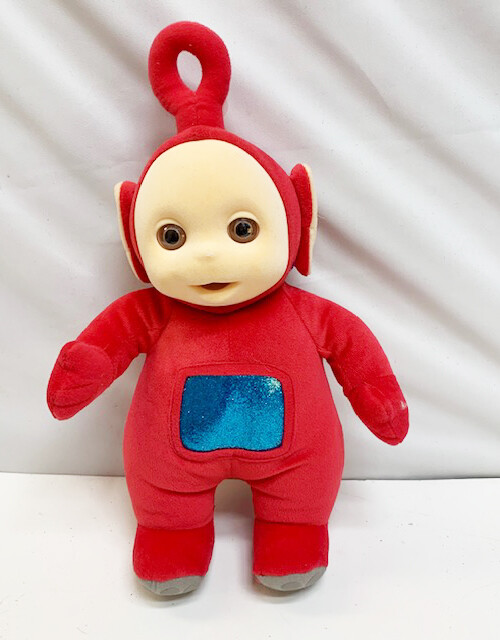
The comparison to Teletubbies is not accidental. Both share a lineage of surrealism—creatures that are humanoid yet distinctly “other.” However, where the Teletubbies were designed for early childhood development, the modern “alien-Teletubby” aesthetic of designer toys like Labubu targets a much more lucrative demographic: “Kidults.”
The Teletubby Influence on Millennial and Gen Z Nostalgia
For a brand to resonate today, it often leverages “anemoia”—nostalgia for a time one didn’t necessarily know, or a distorted memory of the past. The Teletubbies represented a specific kind of soft-surrealism. By creating toys that echo this silhouette—large eyes, antenna-like features, and rounded bodies—but adding “alien” or “monstrous” elements, brands like Pop Mart tap into a pre-existing comfort zone while providing a subversive, modern edge. This subversion is the core of the brand’s identity; it is safe yet rebellious.
Breaking the Mold: The Visual Identity of Labubu and Pop Mart
The visual branding of Labubu relies on a concept known as “Kimo-Kawaii” (gross-cute). This design language is a powerful tool for brand differentiation. In a market saturated with traditionally “pretty” dolls, a toy that looks like an alien prankster stands out on a shelf. The sharp teeth paired with a soft plush texture create a cognitive dissonance that forces consumer engagement. From a brand perspective, this unique visual signature makes the product instantly recognizable, even from a distance, which is the ultimate goal of any corporate identity.
Scarcity and Storytelling: The Strategic Marketing of Blind Boxes
The success of these alien-like plushies is not merely due to their design; it is a result of a sophisticated distribution strategy. The “Blind Box” model has transformed the act of purchasing a toy into a high-stakes marketing event.
The Psychology of the “Mystery Box” Experience
Brands that utilize blind box packaging are not just selling a physical product; they are selling an emotional experience—the “dopamine hit” of the reveal. By keeping the specific character a mystery until the box is opened, the brand ensures that the consumer’s journey involves anticipation and surprise. This strategy has turned “unboxing” into a viral content category, providing brands with millions of dollars in free organic marketing as fans share their reactions across TikTok and Instagram.
Building Brand Loyalty through Rarity and Exclusivity
Central to the brand strategy is the “Secret” or “Hidden” figure. In every case of toys, there is a statistically low probability of finding a rare “chase” version. This creates a secondary market and a sense of prestige. For the brand, this does two things: it encourages bulk purchasing and it elevates the toy from a “trinket” to a “collectible.” When a brand can successfully position its product as a collectible asset, the perceived value transcends the manufacturing cost, allowing for higher margins and long-term brand equity.
Global Market Expansion: From Niche Designer Art to Cultural Icon
What began as a niche movement in Hong Kong and mainland China has rapidly expanded into a global cultural phenomenon. The transition of the “alien Teletubby” from a boutique art piece to a household name is a testament to the power of strategic brand placement and cultural localization.
The Role of Social Media Influencers and Celebrity Endorsements
A pivotal moment in the branding of Labubu occurred when global icons, most notably Lisa from the K-pop group BLACKPINK, were seen sporting the plush charms on their designer handbags. This is “Top-Down” brand infiltration. When a global tastemaker validates a “weird” aesthetic, it removes the social risk for the general consumer. Suddenly, the alien toy is no longer an eccentricity; it is a fashion accessory. This endorsement successfully bridged the gap between the “toy world” and the “luxury fashion world,” expanding the brand’s reach to an entirely new tier of affluent consumers.
Localizing Brand Identity for International Success
Pop Mart and similar entities have been surgical in their global expansion. Rather than imposing a single cultural narrative, they allow the characters to remain “blank slates.” Unlike Disney characters, which come with pre-determined backstories and movies, Labubu has no fixed narrative. This “empty vessel” branding allows consumers in London, Bangkok, or New York to project their own personalities onto the toy. This lack of a rigid story makes the brand incredibly flexible and easy to export across cultural boundaries.
The Future of Intellectual Property in the Toy Industry
As we look toward the future, the “alien Teletubby” phenomenon signals a shift in how companies approach IP. We are moving away from “Content-First” IP (where you make a movie and then sell the toy) toward “Design-First” IP (where the toy’s aesthetic creates the demand for a world to be built around it).
Transitioning from Physical Products to Digital Experiences
The next step for these designer toy brands is the integration of digital security and the “Phygital” space. Many of these toys now come with NFC chips or QR codes that verify authenticity—a crucial move for brands plagued by counterfeits. By linking a physical plush toy to a digital identity, brands are preparing for the next frontier of branding: the Metaverse and digital collectibles. The “alien” look fits perfectly within these futuristic digital landscapes.
Sustainability and Long-Term Brand Viability
The greatest challenge for any trend-based brand is longevity. To avoid becoming a “fad,” brands like Pop Mart are diversifying their portfolios. They are moving beyond the 3-inch plastic figure into high-end art sculptures, apparel, and even theme parks. By expanding the touchpoints of the brand, they ensure that even if the “blind box” craze cools, the characters—the IPs themselves—remain valuable assets.

Conclusion: The Power of the Unique Identifier
The “stuffed toy that looks like a Teletubby but an alien” is more than a viral curiosity. It is a sophisticated example of how modern branding operates at the intersection of nostalgia, psychological marketing, and global influencer culture.
Through the lens of brand strategy, the success of characters like Labubu teaches us that in a crowded marketplace, “different” is often better than “better.” By leaning into a surreal, alien aesthetic and wrapping it in an engaging, gamified retail experience, these brands have successfully captured the imaginations (and wallets) of a global audience. They have proven that with the right IP strategy, even a “monster” can become a beloved global icon, proving that in the world of modern branding, the most unusual ideas are often the most valuable.
aViewFromTheCave is a participant in the Amazon Services LLC Associates Program, an affiliate advertising program designed to provide a means for sites to earn advertising fees by advertising and linking to Amazon.com. Amazon, the Amazon logo, AmazonSupply, and the AmazonSupply logo are trademarks of Amazon.com, Inc. or its affiliates. As an Amazon Associate we earn affiliate commissions from qualifying purchases.