
The roar of the crowd, the breathtaking athleticism, the culmination of years of dedication – the Olympic Games are a global phenomenon that captivates billions. As the world gears up for the next iteration of this unparalleled sporting event, a crucial question emerges for fans: what streaming service has the Olympics? In an era where content consumption has dramatically shifted to digital platforms, understanding where to tune in is paramount. This guide will cut through the digital noise, exploring the options available, and touching upon the technological, branding, and financial aspects that shape how we experience the Olympics in the streaming age.

The landscape of Olympic broadcasting has evolved dramatically. Gone are the days of solely relying on scheduled television broadcasts. Today, streaming services offer unparalleled flexibility, allowing viewers to watch events live as they happen, on-demand, or even catch up on highlights at their leisure. However, the rights to broadcast the Olympics are complex, often fragmented by region and platform. This means that the answer to “what streaming service has the Olympics?” isn’t a simple one-size-fits-all solution.
Understanding the Broadcasting Rights: A Global Puzzle
The International Olympic Committee (IOC) awards broadcasting rights to specific entities in different territories. These rights are incredibly valuable, representing a significant revenue stream for the Olympic movement and allowing for the massive undertaking of organizing the Games. These agreements are typically long-term and can involve a mix of free-to-air broadcasters and paid streaming services.
The Role of National Broadcasters and Their Streaming Arms
In most countries, the primary broadcaster of the Olympics is a national, often public service, broadcaster. These organizations are frequently granted exclusive rights for their territory and then leverage their own streaming platforms to deliver the Games to a digital audience.
-
For example, in the United States, NBCUniversal holds the exclusive rights to the Olympic Games. This means that the primary way to stream the Olympics in the US is through NBC’s owned and operated platforms. This typically includes:
- Peacock: NBC’s dedicated streaming service is often the central hub for live coverage, on-demand replays, and exclusive content.
- NBC Sports App: While often linked to Peacock for full access, the NBC Sports app might offer some streaming options for authenticated cable subscribers.
- NBCOlympics.com: The official website for NBC’s Olympic coverage usually provides live streams and replays for those who have authenticated TV provider logins.
-
In other regions, the situation will vary. For instance:
- Canada: CBC/Radio-Canada typically holds the rights, and their streaming service, CBC Gem, is a primary destination.
- United Kingdom: The BBC has historically been the main broadcaster, offering extensive coverage through BBC iPlayer.
- Australia: Seven Network usually holds the rights, with streaming available via their 7plus platform.
It’s crucial to identify the official broadcaster for your specific country. A quick search for “[Your Country] Olympics streaming” will usually point you in the right direction, leading you to the relevant national broadcaster’s website or app.
Beyond National Broadcasters: The Rise of Global Streaming Giants
While national broadcasters often dominate, the global nature of the Olympics means that sometimes, larger international streaming platforms can play a role, particularly in regions where a dominant national broadcaster isn’t as clearly defined or if they’ve secured specific digital rights.
-
Amazon Prime Video: In some territories, Amazon Prime Video has begun to secure specific sports broadcasting rights, and while they haven’t been the primary Olympics broadcaster globally, their increasing involvement in live sports means it’s worth monitoring their offerings, especially for future Games. They have, for example, been a significant player in broadcasting other major sporting events.
-
Other International Platforms: Depending on the specific Olympic cycle and negotiated deals, other major streaming services like YouTube TV or even regional players might offer access to Olympic broadcasts, either as part of their standard packages or through specific add-ons.
The key takeaway here is the dynamic nature of these rights. What’s true for one Olympic cycle might not be for the next. Therefore, staying updated closer to the Games is essential.
The Technology Behind Your Olympic Streaming Experience
The ability to stream the Olympics live and on-demand is a testament to incredible technological advancements. From the infrastructure required to broadcast live events from around the globe to the sophisticated content delivery networks (CDNs) that ensure smooth playback for millions, technology is the invisible backbone of the modern Olympic viewing experience.
High-Definition and Beyond: The Visual Feast
The push for higher definition has been a constant in broadcasting, and the Olympics are no exception. We’ve moved from standard definition to High Definition (HD) and now increasingly to 4K Ultra HD. This means viewers can experience the Games with stunning clarity, making every detail of an athlete’s performance visible.
-
4K Streaming: For the best visual experience, ensure your streaming device, television, and internet connection support 4K. Services that offer 4K Olympic coverage will typically highlight this. The sheer amount of data required for 4K streaming also necessitates a robust internet connection.
-
HDR (High Dynamic Range): Beyond resolution, HDR technology enhances the color and contrast of the image, providing a more lifelike and vibrant picture. Many modern streaming services and devices now support HDR, further immersing you in the Olympic spectacle.
Ensuring Smooth Playback: The Role of CDNs
The challenge for any streaming service broadcasting an event with global appeal like the Olympics is delivering a high-quality, uninterrupted stream to millions of users simultaneously. This is where Content Delivery Networks (CDNs) come into play.
-
CDNs work by distributing copies of the video content across multiple servers located in different geographic regions. When you request to stream an event, your request is routed to the nearest server, minimizing latency and buffering. For major events like the Olympics, CDNs are heavily optimized to handle massive traffic spikes, ensuring that even during peak viewing times, the streams remain stable.
-
Adaptive Bitrate Streaming: Most modern streaming services use adaptive bitrate streaming. This technology automatically adjusts the video quality based on your internet connection speed. If your connection fluctuates, the stream will seamlessly drop to a lower resolution to prevent buffering. Conversely, if you have a fast connection, it will provide the highest possible quality.
AI and Data Analytics: Enhancing the Viewing Experience
Beyond the core delivery of the stream, Artificial Intelligence (AI) and data analytics are increasingly being used to enhance the Olympic viewing experience.
-
Personalized Content Recommendations: AI can analyze your viewing habits to recommend specific events, athletes, or highlights you might be interested in. This moves beyond a one-size-fits-all approach to content consumption.
-
Automated Highlight Generation: AI can identify key moments in events – like goals, finishes, or dramatic turns – and automatically generate highlight clips. This is invaluable for viewers who want to catch up on the action quickly.
-
Data Visualization and Insights: During events, AI can be used to display real-time statistics, athlete performance data, and historical comparisons, adding an extra layer of engagement for sports enthusiasts.
The Brand of the Olympics: A Global Identity
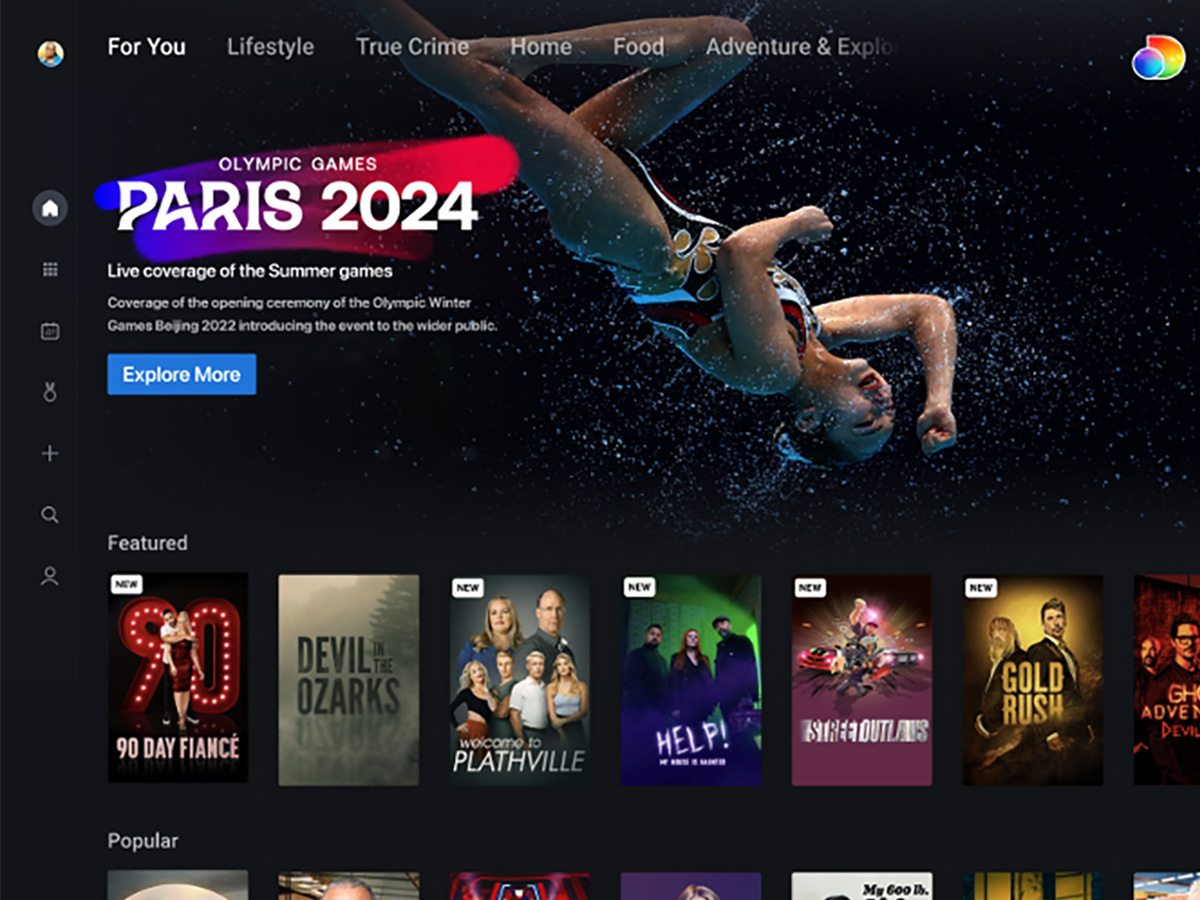
The Olympic Games is arguably one of the most powerful brands in the world. It transcends sports, embodying ideals of unity, excellence, and global cooperation. The way this brand is presented across streaming services is a critical aspect of its continued success and reach.
Consistency Across Platforms: The Olympic Brand Identity
The IOC works closely with its broadcast partners to ensure a consistent brand experience for viewers, regardless of the platform. This includes:
-
Official Logos and Graphics: The iconic Olympic rings, the official logo of the specific Games, and consistent graphical overlays for scores, athlete names, and event information are crucial for brand recognition.
-
Opening and Closing Ceremonies: These events are often highly produced and serve as the grand opening and closing statements of the Olympic brand. Their streaming availability is key to setting the tone for the entire event.
-
Olympic Channel Content: Beyond the live events, many broadcasters offer dedicated Olympic channels or content hubs on their streaming platforms. This content often includes athlete profiles, historical retrospectives, and behind-the-scenes glimpses, all reinforcing the overarching Olympic brand.
Marketing and Promotion: Driving Engagement
The marketing strategies employed by broadcasters are essential for driving viewership to their streaming platforms. This involves a multi-channel approach:
-
Digital Advertising: Targeted ads on social media, search engines, and other websites are used to inform potential viewers about where and how to watch.
-
Content Marketing: Creating engaging content like preview shows, documentaries, and athlete interviews distributed across various digital channels helps build anticipation and interest.
-
Social Media Integration: Many streaming services leverage social media to provide live updates, share clips, and engage with viewers in real-time, fostering a sense of community around the Games.
The Athlete as a Brand Ambassador
Ultimately, the athletes themselves are the most powerful brand ambassadors for the Olympics. Their stories of dedication, perseverance, and triumph resonate deeply with audiences. Streaming services that effectively showcase these narratives, through compelling interviews and dedicated athlete features, contribute significantly to the emotional connection viewers feel with the Olympic brand.
The Financial Ecosystem of Olympic Streaming
The broadcasting of the Olympic Games is a massive financial undertaking, and the shift to streaming has introduced new revenue models and considerations.
Subscription Models and Paywalls
The most common way to access Olympic streaming is through a subscription.
-
Direct Subscriptions: Services like Peacock, Paramount+, or others will require a monthly or annual subscription to access their full Olympic coverage. This model provides a steady revenue stream for the broadcaster and allows them to invest in high-quality production and rights acquisition.
-
Bundled Services: Sometimes, Olympic streaming access might be included as part of a larger bundle of services or even a telecommunications package.
-
Authenticated Access: As mentioned earlier, in some cases, you might need to authenticate with your existing cable or satellite TV provider login to access Olympic streams through the broadcaster’s app or website. This model bridges the gap between traditional and digital viewership.
Advertising Revenue in the Digital Space
While subscription fees are a significant revenue source, advertising still plays a crucial role in funding Olympic broadcasts.
-
Pre-roll and Mid-roll Ads: Similar to other streaming services, Olympic streams will often feature advertisements before or during the content.
-
Sponsorships: Major Olympic sponsors often have exclusive advertising rights across all broadcast platforms, including streaming. This can manifest as branded content, on-screen logos, or dedicated sponsorship segments.
-
Interactive Advertising: The digital space allows for more interactive advertising experiences, such as clickable ads, shoppable videos, and personalized ad content based on viewer data.
The Cost of Rights and Production
The immense cost of acquiring Olympic broadcasting rights is the primary driver behind the financial models. These rights are secured years in advance and represent multi-billion dollar investments. The production costs – including setting up broadcast infrastructure at numerous venues, employing thousands of staff, and delivering feeds globally – are also substantial. Streaming allows broadcasters to amortize these costs over a wider audience and explore new monetization avenues, but the fundamental investment remains significant.

Conclusion: Your Streaming Game Plan for the Olympics
As the digital age continues to redefine how we consume live events, the Olympic Games are a prime example of this evolution. The answer to “what streaming service has the Olympics?” is multifaceted, depending heavily on your geographical location and the specific broadcasting agreements in place.
Your primary approach should be to:
- Identify the Official Broadcaster for Your Region: This is the most critical step. A quick online search will reveal the national network or consortium holding the rights.
- Check the Broadcaster’s Streaming Platforms: Once identified, explore their dedicated streaming service (e.g., Peacock, CBC Gem, BBC iPlayer) or their sports app.
- Understand Subscription Requirements: Determine if a subscription is necessary, what it costs, and if any free trials or promotional offers are available.
- Verify Device Compatibility: Ensure your preferred streaming devices (smart TV, phone, tablet, streaming stick) are compatible with the service.
- Assess Your Internet Connection: For HD and 4K streaming, a stable and fast internet connection is essential.
The Olympic Games offer an unparalleled showcase of human achievement. By understanding the technological, branding, and financial aspects that underpin their digital broadcast, you can ensure you have a seamless and immersive viewing experience, no matter where you are in the world. So, do your research, prepare your devices, and get ready to cheer on the athletes as they compete on the world’s grandest stage, streamed directly to you.
aViewFromTheCave is a participant in the Amazon Services LLC Associates Program, an affiliate advertising program designed to provide a means for sites to earn advertising fees by advertising and linking to Amazon.com. Amazon, the Amazon logo, AmazonSupply, and the AmazonSupply logo are trademarks of Amazon.com, Inc. or its affiliates. As an Amazon Associate we earn affiliate commissions from qualifying purchases.